
I’ll never forget the morning of my sister’s wedding when I woke up with a stinging sensation so sharp I nearly dropped my coffee. I ran to the bathroom mirror, pulled back my lip, and saw it: a small, angry, yellowish-white crater. In my haste and panic, I assumed it was a cold sore and doused it in a topical cream meant for viral blisters. That was my first big mistake. It wasn’t a virus; it was a canker sore, and the harsh cream I used actually made the inflammation worse, turning a minor annoyance into a week-long ordeal where I could barely eat a sandwich without wincing. [image]
Location is the Smoking Gun for Your Diagnosis
Most people think a sore is just a sore, but where it decides to set up camp tells the whole story. If you’re poking around and find that the pain is coming from *inside* your mouth—on the soft tissues of your tongue, the back of your throat, or the inner lining of your cheeks—you are likely dealing with a canker sore (technically called an aphthous ulcer). These are not contagious, but they are incredibly rude guests. On the flip side, if that tingling bump is appearing *outside* on your lips or around your nose, you’ve likely got a cold sore, also known as a fever blister. Cold sores are caused by the HSV-1 virus and are very contagious. According to the Mayo Clinic, canker sores do not occur on the surface of your lips and are not contagious, which is a huge relief for anyone worried about kissing their partner or sharing a glass with their kids. I spent years of my life confusing the two because I didn’t realize that [maintaining oral health with expert advice](https://gentlesmiledentist.com/maintaining-oral-health-expert-advice-for-a-lifetime-of-healthy-teeth) often starts with simply identifying what’s actually happening in your mouth before you reach for the medicine cabinet.
Is this little bump actually contagious?
This is the number one fear I hear from neighbors and friends alike. If it’s a canker sore, you can breathe a sigh of relief—you aren’t a walking biohazard. You might have just accidentally bitten your cheek or reacted poorly to a [new mouthwash making your tongue sore](https://gentlesmiledentist.com/why-your-tongue-gets-sore-after-using-a-new-mouthwash). However, if you see a cluster of tiny, fluid-filled blisters on the border of your lip, that’s a cold sore, and you need to be very careful with towels and utensils until it crusts over. Today, I’m going to show you exactly how to handle both so you can stop the pain and get back to your life. I’ve learned the hard way that [how regular dental cleanings can save you money](https://gentlesmiledentist.com/how-regular-dental-cleanings-can-save-you-money-in-the-long-run) by helping you avoid these issues entirely, but for now, let’s focus on the quick fixes. Have you ever tried a ‘miracle’ home remedy only to have it make your sore ten times worse? Tell me about your biggest dental disaster in the comments below!
Shut Down the Stinging of a Canker Sore Fast
To stop a canker sore in its tracks, you need to create an environment where your mouth can actually heal itself. The first thing I do—and what I wish I’d done before that wedding—is the salt water swish. It sounds basic, but it’s the gold standard for a reason. Mix half a teaspoon of salt into a cup of warm water and gargle for thirty seconds. This helps draw out fluid from the inflamed tissue and keeps the area clean without the burning sensation of alcohol-based rinses. I remember one time I tried to ‘numb’ a sore using a high-alcohol mouthwash I found in the back of the cabinet. Within minutes, my entire cheek felt like it was on fire, and the next day, the sore had expanded. Don’t do that. Stick to the salt or a specialized rinse designed for gentle teeth cleaning best practices for sensitive gums to avoid further irritation. 
Ditch the Acid While You Heal
Your diet is your biggest enemy when you have an open ulcer in your mouth. Think of a canker sore like a papercut; you wouldn’t pour lemonade on a cut on your finger, so don’t do it to your mouth. Avoid oranges, tomatoes, and especially spicy chips. I once made the mistake of eating a bowl of spicy salsa while nursing a sore on the tip of my tongue. The result? I spent the next twenty minutes hovering over the sink with an ice cube, regretting every life choice. If you’ve just eaten something acidic, remember that we recommend waiting thirty minutes to brush after eating fruit or acidic foods to protect your enamel, which is even more critical when your soft tissues are already compromised.
Keep Your Hands Off the Viral Blisters
If you’ve identified your sore as a cold sore on the outside of your mouth, the ‘how-to’ changes completely. This is a viral battle. Step one is absolute hygiene. Do not touch the blister and then touch your eyes or other parts of your body, as you can spread the virus. Use a cotton swab to apply any topical antiviral creams rather than your fingertip. This prevents the ‘cycling’ effect where you keep re-infecting the area. I’ve seen friends struggle with cold sores for weeks simply because they kept picking at the crust. Let it be. While you’re waiting for it to heal, focus on your overall routine. Using the right tools matters; learning how to choose the right toothbrush bristle strength for your gums can prevent the micro-trauma that often triggers these outbreaks in the first place.
Soft Brushing is Your Best Defense
Many people think scrubbing harder means a cleaner mouth, but that’s a myth that leads to more sores. When my mouth is sensitive, I switch to an extra-soft brush. A hard-bristled brush is like using steel wool on a silk shirt—it’s going to cause damage. In fact, your gums recede faster if you use a hard-bristled brush, and that recession can leave the roots of your teeth exposed and painful. If you are already dealing with discomfort, you might also need to know how to manage tooth sensitivity after a professional scale and polish, as the salt water rinses used for sores can sometimes make sensitive teeth feel a bit more reactive temporarily.Let’s dig deeper into what we usually get wrong when we think we’re doing everything right. Most patients come into our office thinking that a professional cleaning is just a power-wash for their teeth. It’s actually a biochemical reset. We’re not just removing plaque; we’re disrupting a complex biofilm that, if left alone, communicates with your immune system in ways that can affect your heart and joints. I’ve seen parents obsess over getting their kids’ teeth perfectly white, yet they ignore the fact that oral health myths debunked: what you need to know in 2025 suggests that ‘white’ isn’t always the same as ‘healthy.’ In fact, a slightly off-white tooth is often structurally stronger than one that’s been over-bleached into a translucent state.
Stop chasing the ‘Hollywood White’ at the expense of your enamel
The ‘Oops’ factor usually hits when people try to DIY their way to a celebrity smile. Many people are frustrated by the reason your teeth look yellow even though you brush twice daily, and their instinct is to scrub harder or use abrasive charcoals. This is a massive mistake. If your enamel is thin, you’re actually seeing the yellowish dentin underneath. Scrubbing just thins the enamel further, making the teeth look *more* yellow. According to the American Academy of Cosmetic Dentistry (AACD), aggressive at-home whitening without professional oversight can lead to permanent tooth sensitivity and even root damage. This is why the safest way to whiten teeth if you have thin enamel is always to consult a pro who can measure your enamel density first. 
Can professional whitening actually damage your long-term health?
While whitening itself is safe when done correctly, the trap lies in masking underlying issues. I’ve encountered so many families who think that cosmetic dentistry innovations you can’t miss this year are only for vanity. That’s another myth. Correcting a crooked smile or a misaligned bite isn’t just about the ‘selfie’ factor; it’s about preventing the uneven wear that leads to early tooth loss. When we look at transform your smile: the impact of cosmetic dentistry in 2025, we are looking at functional longevity. If you’ve ever noticed why your front teeth feel thin or see-through at the edges, you’re seeing the results of years of acid erosion or grinding that a simple cosmetic adjustment could have prevented. The hidden nuance of family care is that your mouth is a mirror of your overall lifestyle. We often see ‘white spots’ and assume they are just stains, but why some children develop white spots on their permanent teeth can often be traced back to early childhood health or even water mineral content. It’s a detective game, not a maintenance chore. Have you ever fallen into the trap of thinking a ‘sparkling white’ smile meant you were off the hook for a check-up? Let me know in the comments if you’ve ever had a ‘perfect’ looking tooth that actually turned out to be a problem!To keep the results of a professional cleaning or a cosmetic refresh lasting longer than a few months, you have to get specific with your gear. I used to think a basic toothbrush was enough until I realized that the back of my mouth was a ‘no-man’s land’ for plaque. That is when I switched to a high-end water flosser. It’s not just a fancy bathroom accessory; the targeted stream of water reaches into the pockets that string floss often skips over. For those in my family who have dealt with sensitive tissue, the benefits of using a water flosser for patients with gum disease are undeniable because it provides a thorough clean without the abrasive sawing motion of traditional floss.
The three gadgets that saved my gums
I personally swear by a pressure-sensitive electric toothbrush. If you press too hard, the light turns red, reminding you to stop scrubbing your enamel away. This is vital because preventive tips for long-lasting dental health for families often fail when we apply too much physical force. I’ve seen patients literally brush grooves into their teeth because they were too enthusiastic. Another tool I recommend is a non-abrasive tongue scraper. Scraping removes the sulfur-producing bacteria that cause morning breath, which a toothbrush just moves around. 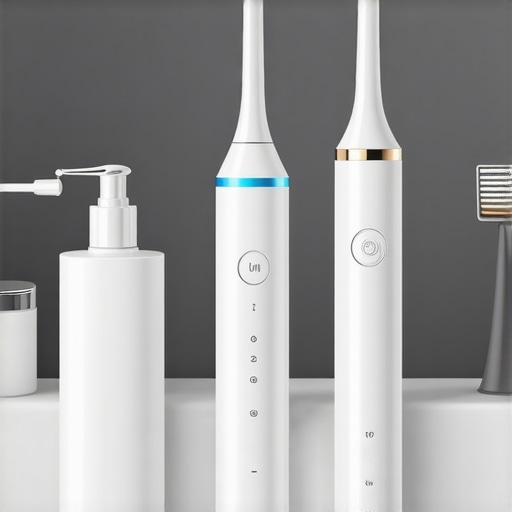
How can I keep my family’s smiles healthy between visits?
Maintenance isn’t about one big effort; it’s about a series of small, automated wins. For my kids, we use a simple two-minute timer app that turns brushing into a game, which is one of those family dental care hacks to keep your kids smiling daily that actually works. For the adults, if you’ve invested in cosmetic work, you need to know how to maintain your porcelain veneers so they last twenty years, which usually involves wearing a nightguard to prevent micro-fractures from grinding. I predict that in the next five years, we will see AI-integrated toothbrushes that map your mouth in real-time on your smartphone, highlighting exactly which tooth you missed.
Keep your dental work from failing too early
When you have a crown or a bridge, you can’t just ignore it. According to research published in the Journal of Clinical Periodontology, the failure of dental restorations is significantly higher in patients who do not manage their oral biofilm through mechanical disruption daily. This is why how regular teeth cleaning can prevent major dental issues is the foundation of everything we do. If you want to see a real change in your oral health by your next check-up, I challenge you to try using a water flosser once every single night for the next 30 days—you will be shocked at how much cleaner your mouth feels.
Hard Truths I Learned While Navigating the Dental Aisle
Over the years, I’ve realized that oral health isn’t a destination; it’s a daily rhythm. One of the biggest shifts in my perspective was realizing that stress is a dental disruptor. When I’m overwhelmed, I tend to clench my jaw and my gums become more reactive, which is often when those pesky canker sores decide to strike. Another ‘lightbulb moment’ was understanding that consistency beats intensity every single time. Scrubbing your teeth like you’re cleaning a garage floor once a week won’t save you, but a gentle two-minute routine twice a day will. These are the kinds of family dentistry tips that make oral care effortless and effective once you stop trying to ‘brute force’ your way to a clean mouth.
The Gear That Actually Lives in My Bathroom Cabinet
I don’t believe in buying every gadget on the shelf, but a few specific tools have fundamentally changed my family’s check-ups. First, I always look for the ADA Seal of Acceptance; it’s my personal shortcut for cutting through the marketing noise when oral health myths busted show us that not all ‘natural’ products are actually effective. Second, a high-quality water flosser is non-negotiable for us now. It’s one of the top 5 secrets to maintaining perfect oral health as a family because it reaches the deep pockets where brushes simply cannot go. Finally, I keep a stash of pH-balanced, non-alcohol mouthwashes to avoid the burning sensation that can actually delay healing when your soft tissues are already sensitive.
Your Smile Is Worth the Extra Two Minutes
At the end of the day, taking care of your teeth is one of the simplest forms of self-care you can practice. It’s not just about avoiding a cavity or a painful sore; it’s about the confidence that comes with a healthy, pain-free smile that lasts a lifetime. Whether you are teaching your kids the basics or looking into advanced cosmetic options, remember that the best time to start prioritizing your oral health is right now. Don’t let a past ‘dental disaster’ or a bad experience keep you from the progress you can make today. Have you ever had a specific tool or habit that completely changed your dental check-ups for the better? Let me know in the comments below!