
I’ll never forget the morning I caught my reflection in the harsh bathroom light and felt a wave of genuine panic. My teeth looked… translucent. Not white, not even yellow, but almost greyish and thin. I had spent years obsessed with a ‘perfect’ smile, scouring the aisles for the most aggressive whitening products I could find. I figured if it burned, it was working. That was my first big mistake. I was actually scrubbing away my precious enamel, and the ‘whiter’ I tried to get, the more my teeth hurt when I dared to sip a glass of cold water. If you’ve ever felt that sharp, zapping pain after using a drugstore strip, you aren’t alone. Today, I’m going to show you that a brighter smile is possible even when your enamel is playing hard to get. [image placeholder]
Stop Blaming Your Toothbrush for the Yellow Tones
When I first noticed my teeth losing their luster, I went into overdrive. I brushed harder and reached for those high-intensity kits. I didn’t realize that the most common mistakes people make with whitening strips usually involve ignoring the health of the enamel itself. You see, the white part of your tooth is the enamel. When it gets thin, the yellowish dentin underneath starts to peek through. No amount of scrubbing will change the color of the dentin—it only wears down the white shell further. I learned this the hard way after a week of ‘lightning bolt’ sensitivity that left me unable to eat anything but lukewarm soup. To make matters worse, I was a huge fan of bubbly drinks. I never considered the impact of acidic sparkling water on your smile. The constant acid bath was softening my teeth before I even started the whitening process. According to the American Dental Association, enamel is the hardest tissue in the human body, but once it’s gone, it doesn’t grow back. That is why we have to be incredibly tactical. We aren’t just looking for ‘bright’; we are looking for ‘safe.’
Will whitening actually ruin my teeth forever?
This is the fear that kept me from doing anything for two years after my initial disaster. I thought I had ‘missed the boat’ on having a nice smile because my genetics or my past habits had left me with thin enamel. But here is the secret: the science behind teeth whitening has evolved significantly. You don’t need the nuclear option to see a difference. By focusing on best practices for sensitive gums and using the right concentrations of active ingredients, you can lift stains without dissolving your protective barrier. I want to hear from you—have you ever tried a whitening product only to end up with teeth that felt like they were vibrating in pain? It’s a terrifying feeling, but I promise there’s a better way to handle it. We’re going to dive into the specific methods that work for those of us who weren’t born with iron-clad enamel.
Stop the Zaps Before They Start
Think of your enamel like the insulation on electrical wires. When that insulation is thin, any stimulus—whether it’s cold air or a whitening chemical—hits the ‘live wire’ of your nerve. To avoid this, you need to pre-condition your teeth. Two weeks before you even touch a whitening product, switch to a toothpaste containing potassium nitrate. This isn’t just a marketing gimmick; it’s about building a chemical barrier that calms the nerves inside your teeth. I’ve found that this simple prep phase is the difference between a successful session and knowing how to stop cold water from triggering sharp nerve pain in one tooth later that evening.
Choose Slow Progress Over Instant Pain
In my early twenties, I fell for the ‘maximum strength’ trap. I bought a 35% carbamide peroxide gel, thinking it would work faster. It was a disaster. Within twenty minutes, I felt a literal electric shock go through my front tooth—a sensation dentists call ‘zingers.’ I spent the rest of the night with my mouth hanging open because even breathing in room-temperature air felt like a frozen needle. Now, I advocate for the ‘low and slow’ method. Using a 10% concentration for a longer period is significantly safer for thin enamel than a 35% blast for ten minutes. It’s the difference between a controlled tan and a painful sunburn. By sticking to lower concentrations, you can avoid the one mistake people make when trying to whiten gray teeth, which is over-processing the surface until it looks chalky and unnatural.
Ditch the One-Size-Fits-All Strips
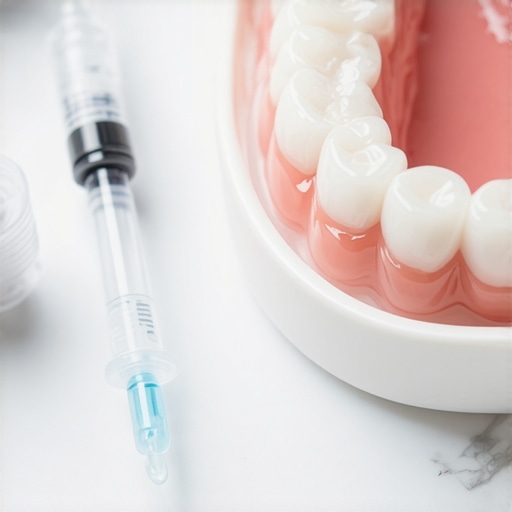
Drugstore strips are flat, but your teeth are three-dimensional. When a strip doesn’t fit the contours of your smile, the whitening agent pools in some areas and misses others, or worse, it leaks onto your gums. If you have sensitive enamel, gum irritation makes the whole experience feel ten times worse. Using custom-fitted trays from a professional is the best way to ensure the gel stays on the tooth and away from the soft tissue. This precision is a core part of the ultimate guide to teeth cleaning techniques and benefits because it prioritizes the health of the surrounding structures. When the gel is contained, you use less of it, and your enamel isn’t fighting a two-front war against sensitivity and chemical burns.
Master the Art of the Post-Whitening Shield
Once you finish a whitening session, your teeth are temporarily more porous. This is the ‘danger zone’ where you can accidentally restain your teeth or trigger a massive sensitivity spike. I always follow up with a fluoride rinse or a remineralizing paste to help ‘plug’ those microscopic pores. It is also vital to wait before consuming anything acidic. If you’ve been following best practices for sensitive gums, you know that the hour following any treatment is the most critical for recovery. Think of it as a cool-down after a heavy workout; skipping it only leads to injury. By sealing the enamel immediately after whitening, you lock in the brightness and keep the ‘zingers’ at bay.
Most people assume that as long as they are scrubbing their teeth twice a day, they are winning the battle against decay and discoloration. But there’s a nuance that even the most diligent brushers miss: the difference between surface stains and the biological structure of the tooth itself. Everyone tells you to use whitening toothpaste for a brighter smile, but in my experience, these ‘whitening’ pastes are often the fastest way to ruin your enamel. They rely on high concentrations of silica to literally sand off the top layer of your tooth. It’s like using a scouring pad on a luxury car. If you’ve been doing this, you might be falling for one of the biggest oral health myths debunked in recent years: the idea that abrasive cleaning equals healthy cleaning.
Why Your ‘Deep Clean’ at Home Might Be Doing More Harm Than Good
The ‘Oops’ factor here is the ‘rebound effect.’ When you use highly abrasive DIY methods—like the truth about using baking soda as a toothpaste reveals—you create microscopic scratches on the surface of your teeth. These scratches actually trap pigments from coffee and wine faster than smooth, healthy enamel would. According to a study published in the Journal of the American Dental Association, the Relative Dentin Abrasivity (RDA) of some commercial whitening and ‘natural’ charcoal pastes is high enough to cause permanent enamel wear within months of daily use. You aren’t getting cleaner; you’re just making your teeth more vulnerable to future staining and decay.
Can you really whiten teeth that were stained by childhood medication?
This is a question I get from readers who feel like no amount of whitening strips work. If you have internal discoloration, often called ‘intrinsic’ staining, standard peroxide kits won’t touch it. You need to know how to whiten teeth that have deep tetracycline stains specifically, which often requires a combination of deep bleaching and professional oversight. For these cases, sometimes the best move isn’t more chemicals, but looking into contouring veneers to provide a fresh, opaque surface that masks the deep-set gray tones. 
Stop the Erosion Cycle Before Your Veneers Fail
If you’ve already invested in cosmetic work, the nuance changes. Many people don’t realize that the margins where your tooth meets the veneer are highly susceptible to plaque buildup. If you aren’t careful, you can end up with the subtle bonding error that makes your smile look artificial or, worse, leads to localized gum recession. This is why the ultimate guide to teeth cleaning techniques and benefits emphasizes precision over pressure. You want to maintain the integrity of the bond without scratching the porcelain. Have you ever fallen into this trap of over-scrubbing only to find your teeth look worse or feel more sensitive a month later? Let me know in the comments.
Why I Swapped My Manual Brush for a Data-Driven One
For the longest time, I thought I was a pro-level brusher because I spent three full minutes at the sink. Then, I switched to a high-end oscillating-rotating brush with a pressure sensor. It was a wake-up call. I realized I was still scrubbing like I was cleaning a grout line, not living tissue. According to the Cochrane Database of Systematic Reviews, oscillating-rotating power brushes actually reduce plaque by 11% more than sonic brushes over a three-month period. This isn’t just about efficiency; it’s about protection. If you’ve ever wondered why your gums only bleed when you use an electric toothbrush, it’s often because the brush is finally highlighting areas of inflammation you were previously missing with a manual one. I personally stick to a brush with a dedicated ‘sensitive’ mode because it prevents me from accidentally stripping away that precious enamel I worked so hard to save.
How do I maintain my results over the long haul?
The secret isn’t a one-time whitening blast; it’s the ‘Micro-Maintenance’ philosophy. I’ve shifted my focus from aggressive correction to consistent protection. This means being picky about my equipment. Choosing the best toothbrush texture for people with receding gums—which should almost always be extra-soft—is non-negotiable. I also keep a remineralizing gel in my cabinet for the days after I indulge in something particularly acidic, like a summer lemonade. This fits perfectly into maintaining oral health expert advice for a lifetime of healthy teeth. You are essentially ‘re-filling’ the minerals that daily life leaches out of your smile. By treating your enamel as a finite resource, you stop looking for quick fixes and start looking for long-term stability.
Smart Sensors are the New Enamel Guard
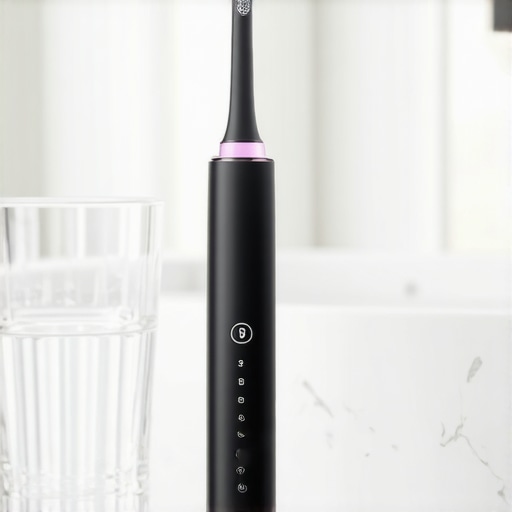
I predict that in the next few years, we are going to see a massive shift toward AI-integrated oral care. We are already seeing brushes that map your mouth in 3D to show you exactly where you’re missing spots. This technology is a game-changer for anyone trying to master top 5 secrets to maintaining perfect oral health as a family. Instead of guessing if the kids did a good job, the data is right there on the phone. This level of precision is how how regular teeth cleaning can prevent major dental issues before they even require a drill. When you can see the plaque accumulation in real-time, you stop being reactive and start being proactive. It turns a chore into a data-driven habit that actually yields visible results.
Scaling Healthy Habits Without the Stress
If you have a household to manage, oral health can feel like a secondary priority, but it shouldn’t be. Incorporating family dentistry tips that make oral care effortless and effective is about making the tools accessible. I’ve found that having a ‘remineralization station’—a specific spot on the counter with alcohol-free fluoride rinses and soft-bristle brushes—removes the friction from the routine. We are moving toward a world where the science behind teeth whitening is being integrated into daily pastes that don’t use abrasives, but rather chemical stain lifters that protect the tooth’s integrity. My best advice? Stop buying the ‘extra-whitening’ abrasive pastes today and switch to a fluoride-rich, low-abrasivity formula. Your future self will thank you when you aren’t dealing with ‘zingers’ every time you eat a bowl of ice cream. Give the extra-soft bristle brush a try for one week and see how much calmer your gums feel.
Hard Lessons I Learned About Chasing a Perfect Smile
Looking back at my journey, I realize the biggest mistake was treating my teeth like inanimate objects rather than living tissue. I used to think the ‘burn’ meant the chemicals were working, but I’ve since realized that pain is your body’s alarm system. Another major lightbulb moment was understanding that preventive tips for long-lasting dental health for families are the absolute bedrock of any aesthetic improvement. Without a healthy foundation, whitening is just a temporary mask. I also learned that many oral health myths busted—what every family should know actually center around the idea that ‘stronger is better.’ In reality, gentle consistency wins every single time.
My Personal Roadmap for Long-Term Brightness
I don’t leave my smile to chance anymore. My daily toolkit includes an extra-soft brush and a toothpaste formulated for enamel repair. I also frequently revisit the science behind teeth whitening to remind myself that my enamel needs time to recover between sessions. If you are looking to simplify your routine, I highly recommend checking out family dentistry tips that make oral care effortless and effective, which help streamline the process for busy schedules. Finally, if traditional whitening just isn’t cutting it for your specific enamel type, contouring veneers offer a sophisticated alternative that can bypass the sensitivity issue entirely.
#IMAGE_PLACEHOLDER_E#
Your Journey to a Pain-Free Radiance Starts Today
You shouldn’t have to choose between a bright smile and a comfortable one. By moving away from aggressive drugstore products and toward a data-driven, enamel-first approach, you can achieve results that actually last. Remember, a truly beautiful smile is one that you can use to enjoy your favorite foods and drinks without a second thought. Whether you are enhancing confidence with cosmetic dentistry or simply refining your home habits, your health is the most attractive thing you own. Have you ever had a ‘zinger’ or a bad experience with a high-strength whitening kit? I’d love to hear how you handled it in the comments below.