
The first time I walked out of a professional scale and polish, I felt unstoppable. My teeth were so smooth they felt like polished marble. I was practically glowing. Then, I made the mistake of grabbing an iced coffee on the way home. One sip and—bam—a sharp, electric shock shot through my front teeth that nearly made me drop my cup. I honestly thought the hygienist had accidentally scraped off my enamel. It turns out, I wasn’t broken; I just didn’t know how to treat my ‘new’ teeth. If you’re currently wincing every time you breathe in cold air, don’t panic. I’ve been there, and I’ve learned exactly how to calm that nerve-shredding sensitivity so you can actually enjoy your clean smile. Today, we’re going to walk through the immediate steps to soothe those gums and protect those pearly whites. Have you ever felt that instant regret after taking a cold drink post-dentist? Let me know in the comments. [image]
Why Your Mouth Feels Like a Construction Zone Post-Cleaning
I’ll be the first to admit I made a massive rookie mistake early on. I thought because my teeth were finally ‘clean,’ it was the perfect time to double down on aesthetics. I went home and immediately used a whitening strip, thinking I’d get a head start on a Hollywood smile. Let me tell you, that was a disaster. Combining a deep cleaning with harsh chemicals is a recipe for tears. I really should have checked out the most common mistakes people make with whitening strips before I traumatized my poor nerves. My gums were already a bit tender, which is normal, but I pushed it too far. The truth is, a scale and polish is like a deep exfoliation for your mouth. It removes the ‘armor’ of tartar that’s been shielding your nerves from the temperature of the world. Once that’s gone, your teeth are essentially naked for a few days. I learned the hard way that gentle teeth cleaning best practices for sensitive gums are vital even after you leave the chair. You have to treat your mouth with a bit of grace while it adjusts to the lack of gunk.
Is this sensitivity a sign that something went wrong?
You might be sitting there, clutching a warm (not hot!) washcloth to your face, wondering if your hygienist was a bit too aggressive. It’s a common fear. But the alternative—leaving that tartar in place—is much worse. According to the American Dental Association, tooth sensitivity is a normal side effect of scaling because the root surfaces can be temporarily exposed as the gum tissue heals and reattaches. I used to think my teeth were just ‘naturally sensitive,’ but really, I was just triggering them without knowing it. For instance, I didn’t realize why your teeth hurt when you eat citrus fruits especially right after a cleaning. The acid just eats right through that temporary vulnerability. It doesn’t mean the procedure failed; it means your body is doing the hard work of healing.
Calm the Nerves with This Two-Step Ritual
You wouldn’t scrub a fresh sunburn with a loofah, yet that is exactly what many people do to their teeth after a professional visit. The first step to reclaiming your comfort is to switch to a potassium nitrate-based toothpaste immediately. I used to think brand names didn’t matter, but when your tubules are exposed after a deep cleaning, you need a literal plug for those microscopic holes. Apply a small dab of the paste directly to the sensitive spot with your finger and let it sit for a full minute before brushing. This creates a temporary chemical barrier that is an absolute lifesaver. Learning how to stop cold water from triggering sharp nerve pain in one tooth often starts with this simple topical application. It is a trick I learned after that disastrous iced coffee incident I mentioned earlier, and it changed my entire recovery process. 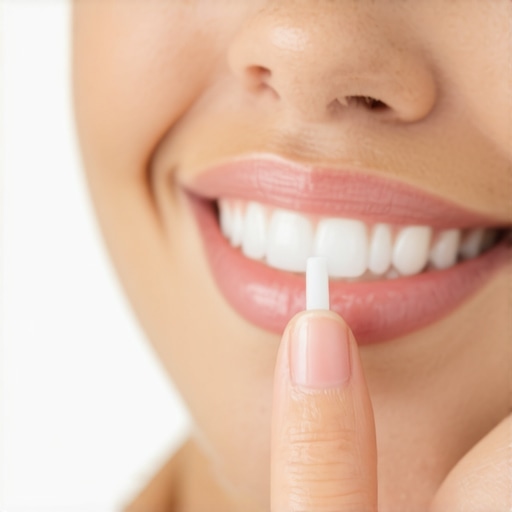
Keep Your Morning Routine from Hurting You
Rethink your rinsing strategy for the next forty-eight hours. Most of us operate on autopilot in the morning, splashing freezing tap water into our mouths to rinse. For the first few days after a scale and polish, treat your mouth like a delicate ecosystem. Use lukewarm water for everything—even your brushing. I once made the mistake of thinking ice would be a natural numbing agent for my sore gums. I took a massive swig of slushy-cold water, and I nearly hit the ceiling. The rapid contraction of the tooth’s surface actually made the ‘zing’ ten times worse than the original ache. If you have kids, teaching them family dental care hacks to keep your kids smiling daily often includes explaining why room temperature is the magic setting for sensitive mouths during healing.
Pick the Right Tools for the Job
If you are still using a medium or hard-bristled brush, you need to set it aside. After a professional cleaning, your gums are likely slightly receded or inflamed as they adjust to the removal of tartar. Using a stiff brush during this window is like using sandpaper on silk. You must choose the right toothbrush bristle strength for your gums to ensure you aren’t undoing the hygienist’s hard work by causing further irritation. I personally keep an extra-soft brush specifically for the first three days post-appointment. It feels like you aren’t being as thorough, but trust me, the new plaque is soft enough to be swept away without any aggression.
Control Your Acid Exposure
Wait to eat your favorite citrus fruits. It is not just about the fluoride treatment; it is about the fact that your enamel is temporarily more porous and your root surfaces might be slightly more accessible. I used to dive straight into a glass of orange juice or a soda as a reward for going to the dentist, but that acidity is like pouring vinegar on an open cut. If you want to master the ultimate guide to teeth cleaning techniques and benefits, you have to respect the recovery phase. Stick to neutral, soft foods like pasta, lukewarm soup, or yogurt for the first twenty-four hours. Avoid anything crunchy or sharp, like tortilla chips, that might poke at those tender gum lines while they are trying to reattach and heal properly.It isn’t just about the food you eat; it’s about the mindset you have regarding the ‘cleanness’ of your mouth. Most people think that after a professional scale, their teeth are finally ‘shielded’ from damage. In reality, they are at their most vulnerable. I used to believe that the ‘squeaky clean’ feeling was the ultimate goal, but if you’re literally hearing a squeak, you might be over-polishing. It’s one of those oral health myths debunked—aggressive scrubbing right after a clinical visit doesn’t protect you; it actually prevents the natural protective pellicle from reforming. Expert research in the Journal of Periodontology notes that the gingival tissue requires a specific window of ‘low-mechanical stress’ to reattach properly to the root surface. If you’re too rough, you’re resetting the clock on your recovery.
Why do my gums look like they have receded since my cleaning?
This is the ‘hidden nuance’ that often causes unnecessary panic. You look in the mirror twenty-four hours later and see ‘black triangles’ or root surfaces that weren’t visible before. You might even suspect the hygienist was too rough and ‘pushed’ your gums down. But here is the professional reality: that space was always there; it was just packed with calcified tartar. Once the bacteria is removed, the chronic inflammation subsides, and the gums settle into their healthy, non-swollen position. It’s very similar to the reason your gums look receded after using whitening strips—it’s about the visibility of the underlying structure once the surface irritation is gone. If you see this ‘recession,’ it is actually a sign that your regular teeth cleaning can prevent major dental issues by letting the tissue heal in the right place. 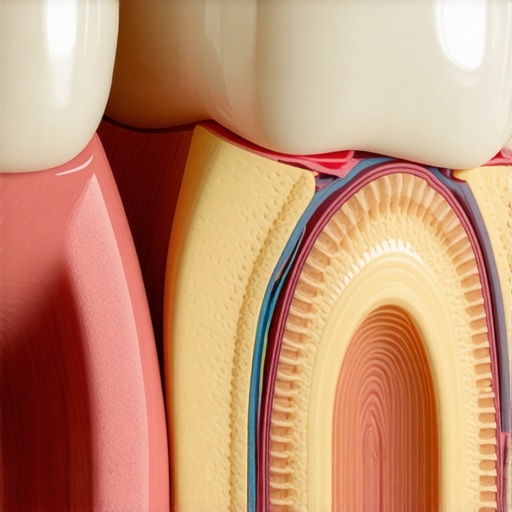
Avoid the Abrasive Whitening Trap
The biggest ‘oops’ factor I see is the urge to immediately maintain the brightness by using an ‘Extra White’ or ‘Charcoal’ toothpaste. We think, ‘I’m clean now, let’s stay bright!’ But most whitening pastes are highly abrasive. When your enamel is already slightly porous from a scale and polish, these abrasives act like sandpaper. This was a hard lesson for me. I couldn’t understand the reason your teeth look yellow even though you brush twice daily, until I realized I was thinning my enamel with ‘whitening’ products, allowing the yellow dentin to show through more clearly. Instead of rushing for brightness, focus on maintaining oral health with expert advice that prioritizes remineralization. Have you ever fallen into the trap of being ‘too clean’ for your own good? Let me know in the comments.Once the ‘zing’ from that first iced coffee subsides, you’re left with a choice: do you go back to your old habits, or do you level up your home routine to keep that marble-smooth feeling? I’ve realized that the two weeks following a professional cleaning are the most critical for long-term gum health. If you aren’t proactive, that ‘armor’ of tartar starts rebuilding immediately. I personally made the switch to a high-end sonic toothbrush, and the difference is night and day. I don’t just mean it feels cleaner; my dental hygienist actually asked what I was doing differently.
Ditch the manual brush for something smarter
I used to think my manual brushing was just fine, but I was wrong. I switched to a sonic-powered brush because it doesn’t just rely on friction. According to research published in the Clinical Oral Investigations journal, high-frequency sonic vibrations create ‘hydrodynamic activity,’ which essentially means the brush pushes fluid and bubbles into the gaps between your teeth where the bristles can’t reach. This is the secret to extending the life of your professional cleaning. I also recommend checking out the benefits of using a water flosser for patients with gum disease if you have deep pockets. I use mine on the lowest setting for the first week after a cleaning to flush out debris without irritating my healing gums. It’s about precision, not power. 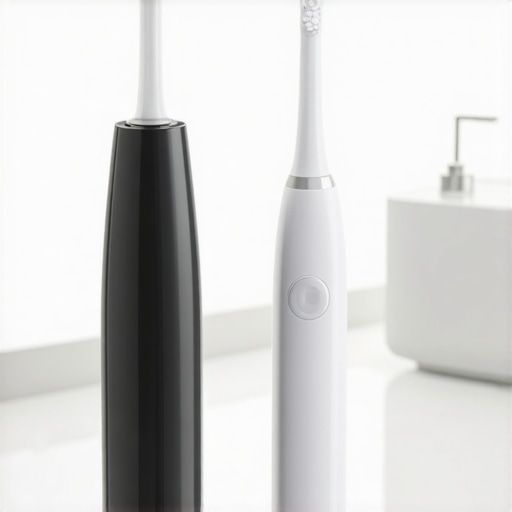
How do I keep that clean feeling for months?
Consistency is more about the tools than the effort. I’ve found that using a water flosser right before bed prevents that morning ‘fuzzy’ feeling on the teeth. If you are traveling, don’t let your routine slip—I’ve learned how to keep your toothbrush clean when you travel so I never have an excuse to skip a session. For those with kids, establishing these routines early is vital. We use top 5 secrets to maintaining perfect oral health as a family to make sure no one is slacking on their interdental care. If you can keep the bacteria count low during the first month, the rest of the six-month cycle is much easier to manage.
The future of brushing is predictive
Looking ahead, I suspect we are moving away from ‘one-size-fits-all’ brushing. By 2025, expect to see more brushes with built-in bio-sensors that analyze your saliva for pH levels in real-time. We are already seeing revolutionary teeth cleaning techniques for 2025 that focus on bio-compatibility rather than just mechanical scrubbing. I predict that we’ll soon have ‘smart’ toothpaste dispensers that mix specific minerals into your paste based on how much acid your sensors detected during the day. Until then, sticking to maintaining oral health with expert advice like using lukewarm water and soft bristles is your best bet. If you want to see a massive difference by your next appointment, I challenge you to try the ‘lukewarm water and finger-dab toothpaste’ ritual for just three days. It’s a small tweak that yields professional-level comfort.
What I Learned When My Teeth Finally Felt Naked
I spent years thinking that if my teeth hurt after a cleaning, it meant the hygienist was being too rough. The biggest lightbulb moment for me was realizing that tartar acts like a thermal insulator for your nerves. When it is removed, your teeth are essentially experiencing the temperature of the world for the first time in months. Another hard lesson I learned: never brush immediately after consuming something acidic. I used to think I was cleaning away the acid, but I was actually scrubbing it into my porous enamel. Finally, I realized that how regular teeth cleaning can prevent major dental issues is only half the battle; the other half is the ‘gentle week’ you give your mouth afterward to allow the gums to settle.
My Daily Arsenal for a Smooth Recovery
If you want to keep that polished feeling without the pain, I personally swear by these three things. First, an extra-soft brush is non-negotiable during the first forty-eight hours; you need to choose the right toothbrush bristle strength for your gums to avoid irritating the healing tissue. Second, I have found that the benefits of using a water flosser for patients with gum disease extend to post-cleaning recovery because it flushes out debris without the mechanical friction of string floss. Lastly, I always keep a tube of high-fluoride desensitizing paste on hand—not just for brushing, but for ‘spot treating’ sensitive roots before I eat. These simple family dentistry tips that make oral care effortless and effective are the difference between a miserable recovery and a glowing one.
You Deserve a Smile That Does Not Hurt
Do not let the fear of a temporary ‘zing’ keep you away from the dental chair. A professional teeth cleaning is the vital reset button your mouth needs to stay healthy and vibrant for a lifetime. It is perfectly okay to take things slow, use lukewarm water for your morning rinse, and baby your gums for a few days while they reattach to the tooth surface. You have already done the hardest part by showing up for your appointment; now you just need to give your body the grace and time it needs to heal properly. Have you ever experienced that sharp nerve shock after a dental visit, and what was the one trick that actually helped you soothe it? Let me know in the comments below!