
I was standing in front of my bathroom mirror last Tuesday, tilting my head just a certain way under the LED lights, when I nearly dropped my toothbrush. The bottom edges of my two front teeth weren’t bright white anymore. They were… clear. It looked like the tips of my teeth were made of frosted glass or ice. My first thought was that I was literally dissolving. My second thought was a wave of pure panic. I’ve always tried to be the person who stays on top of effortless oral care, but there I was, staring at what felt like a disappearing act. That translucent look at the edges isn’t just a weird lighting trick; it is a sign that your enamel—the hardest substance in your body—is thinning out. Today, I want to walk you through exactly why this happens and how we can stop the transparency from taking over your smile.
Acidic Drinks Are Quieter Villains Than You Think
I made a massive mistake a few years back. I thought I was being the ultimate ‘health nut’ by sipping on lemon water and apple cider vinegar tonics all morning long. I figured if it was good for my gut, it was good for me. I was wrong. I was essentially giving my teeth an acid bath for three hours a day. That constant exposure softens the enamel, and once it wears down, the yellowish dentin underneath doesn’t reach all the way to the edges, leaving that see-through ‘halo’ effect. According to the Journal of Dentistry, dental erosion affects up to 30% of adults, and often it is caused by ‘healthy’ habits we don’t even question. If you’re worried about your enamel being too thin for traditional brighteners, you should look into the safest way to whiten teeth if you have thin enamel so you don’t make the sensitivity even worse. Believe me, I learned the hard way that scrubbing harder with whitening toothpaste only speeds up the thinning process.
Is This Actually Fixable Without Surgery?
Many people fear that once that translucency shows up, the only answer is getting expensive veneers or hiding their smile forever. I used to think the same thing. But there are ways to manage this, from simple preventive dental cleanings to remineralizing treatments that strengthen what you have left. We aren’t just talking about vanity here; we’re talking about keeping your teeth strong enough to actually do their job. Have you ever caught a glimpse of your smile in a selfie and realized you could see the dark shadow of your tongue right through the tips of your teeth? It’s a jarring moment, but it’s a fixable one if you act before the edges start chipping. For those looking for a boost in appearance, modern cosmetic dentistry offers incredible ways to mask that transparency while protecting the tooth structure underneath. We’re going to dive into the exact steps to shield your enamel from further damage.
Stop the Acid Bath Before It Starts
The first thing I had to change wasn’t what I drank, but how I drank it. If you love your morning kombucha or lemon water, you don’t have to quit cold turkey, but you must stop the ‘sip and linger’ habit. Think of your enamel like the clear coat on a car’s paint. If you splash acid on it and let it sit, it eats through the gloss. I started using a straw to bypass my front teeth entirely, followed immediately by a quick rinse with plain water. This simple step neutralizes the pH in your mouth before the acid can begin its work. I even kept a small spray bottle of alkaline water in my bag for a while; it felt ridiculous at first, but it halted that ‘fuzzy’ feeling on my teeth that usually preceded the see-through look.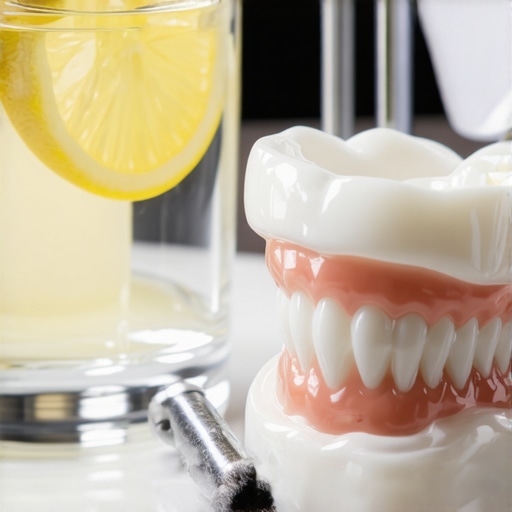
Wait Thirty Minutes to Save Your Enamel
One of the biggest oral health myths debunked in recent years is the idea that you should brush immediately after eating. I used to be the person who ran to the bathroom the second I finished a meal. In reality, I was scrubbing my teeth while the enamel was in a softened, ‘demineralized’ state. You are essentially sandpapering your teeth when they are at their weakest. Now, I wait at least 30 minutes for my saliva to do its job and redeposit minerals. This patience is a pillar of preventive tips for long-lasting dental health for families because it protects the integrity of the tooth surface during its most vulnerable window.
Ditch the Hard Bristles and High-Abrasion Pastes
I once bought a ‘heavy-duty’ toothbrush thinking it would make my smile sparkle, but all it did was accelerate the thinning of my edges. If you have translucent teeth, you need to treat them like fine china, not a kitchen floor. Use the softest bristles you can find. Furthermore, be wary of DIY whitening; for example, the truth about using baking soda as a toothpaste is that it can be far too abrasive for compromised enamel. Switching to a remineralizing toothpaste containing hydroxyapatite—the same stuff your teeth are actually made of—was a game-changer for me. It’s like applying a liquid layer of armor to the spots that are starting to fade. You should also be aware that why your gums recede faster if you use a hard-bristled brush is directly linked to the overall loss of tooth structure, making the translucency even more apparent at the gum line.
Professional Options to Restore Your Look
When home care isn’t enough to hide the transparency, you have to look at how regular teeth cleaning can prevent major dental issues by catching the wear before it reaches the dentin. If the damage is already visible, modern solutions like contouring and veneers can physically replace the lost enamel with materials that look and feel identical to the real thing. During my last check-up, my dentist explained that the goal isn’t just to cover it up, but to reinforce the structural integrity. Whether it is through resin bonding or porcelain, these methods provide a shield that prevents the edges from chipping away completely. Integrating family dentistry into your routine ensures that every member of the house learns these protective habits early, preventing the ‘frosted glass’ look from ever starting in the younger generation.
Why Your Regular Cleaning Might Be Making Things Worse
Most people assume that more frequent visits for a professional scrub-down will solve the ‘clear tooth’ problem. However, there is a nuance that many beginners miss: over-polishing. If your enamel is already thin enough to show transparency, the standard prophy paste used in many offices—which often contains high-grit pumice—can actually shave off micro-layers of your remaining protection. It is a classic ‘oops’ factor where trying to be proactive leads to faster wear. Instead of the standard approach, you should ask for ‘selective polishing’ or the use of glycerin-based pastes. While how regular dental cleanings can save you money in the long run is a stone-cold fact, the method matters when your enamel is at its limit. According to a study published in the Journal of Clinical Dentistry, the Relative Dentin Abrasivity (RDA) of your dental products can determine whether you are preserving your smile or slowly sanding it away.
Why Does Remineralization Often Fail to Restore Transparency?
This is the question I get most often from people who have already switched to ‘fancy’ toothpastes. The hard truth is that while fluoride and hydroxyapatite can harden existing enamel, they cannot rebuild the physical thickness that has already been lost. Once the ‘edge’ of the tooth is gone, it is gone. Think of it like a thin piece of ice; you can make the ice colder and harder, but you can’t easily make it thicker once the sun has melted the edges. This is why understanding the science behind teeth whitening is so vital; if you try to whiten ‘clear’ edges, you are essentially trying to bleach a window. It won’t work, and the peroxide will likely pass straight through to the nerve, causing intense pain.
Stop Falling for the Whitening Strip Trap
One of the biggest oral health myths busted in recent years is the idea that whitening strips are a ‘one size fits all’ solution. If you have translucent edges, these strips are your worst enemy. The chemical reaction that lifts stains also temporarily demineralizes the surface. On healthy enamel, this is fine. On thin enamel, it’s a disaster. I’ve seen countless people wonder why your gums look receded after using whitening strips or why their teeth suddenly look more gray after a treatment. It’s because you’ve made the enamel even more transparent, allowing the dark shadows of the mouth to show through more clearly. This is where enhancing confidence with cosmetic dentistry becomes the smarter, safer route. Professional treatments can provide a physical barrier—like a micro-thin layer of composite—that restores the opacity of the tooth without the ‘trap’ of acidic home kits. Before you buy another box of strips, read up on the most common mistakes people make with whitening strips to ensure you aren’t doing permanent damage. Have you ever fallen into this trap? Let me know in the comments.Instead of just playing defense, I decided to invest in tools that actually take the guesswork out of my daily routine. For months, I struggled with knowing if I was being too aggressive with my brushing, even with a soft brush. I eventually switched to an electric brush with a built-in visual pressure sensor, specifically the Oral-B iO series, which glows red the moment you press too hard. This is a game-changer for anyone dealing with translucency because it prevents the mechanical wear that even the best effortless oral care routines can’t always account for. I also added a water flosser to my nightstand. Traditional floss is great, but when your enamel is thin at the edges, you want to minimize any unnecessary friction. The pulsating water removes plaque between the teeth without the constant sawing motion of string floss against those delicate, clear edges. According to the American Dental Association (ADA) Council on Scientific Affairs, using a powered toothbrush with a pressure sensor is significantly more effective at reducing gingivitis and plaque than manual brushing without the risk of enamel abrasion. 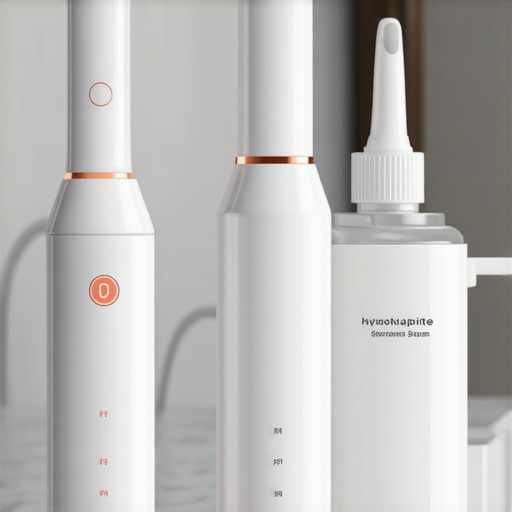
How do I maintain my enamel’s density over time?
Maintaining what you have left requires a shift from ‘cleaning’ to ‘fortifying.’ I’ve moved away from standard fluoride-only pastes and integrated 10% nano-hydroxyapatite serums into my routine. These particles are small enough to actually fill in the microscopic pits and fissures on the tooth surface, creating a smoother, more reflective finish that masks some of the transparency. This is part of the expert advice for a lifetime of healthy teeth that I wish I had known in my early twenties. I also make it a point to schedule regular teeth cleaning every five months instead of six. That extra visit allows my hygienist to apply a professional-grade fluoride varnish that stays on the teeth longer than anything I can buy at the drugstore. This frequency is one of the top 5 secrets to maintaining perfect oral health because it catches demineralization before it turns into a physical chip or a crack.
Watch Out for the Next Generation of Bio-Repairs
Looking ahead, I’m genuinely excited about where dental tech is going. We are moving past the era of just ‘patching’ teeth and into ‘regrowing’ structures. I’ve been reading about the development of bioactive glass and 3D-printed enamel scaffolds that could potentially restore the physical thickness of a tooth without needing a full veneer. These cosmetic dentistry innovations are likely to become standard within the next decade. If you are starting to see those clear edges now, don’t lose hope. The goal is to preserve your natural structure today so you can take advantage of these regenerative treatments tomorrow. My best advice? Stop using your teeth as tools—no tearing open packages or biting your nails—and switch to the best toothbrush texture available. Try switching your morning routine to include a pH-balancing mouthwash immediately after your coffee; it’s a small change that yields massive long-term results.
The Hardest Truth About That Frosted Glass Look
After years of trying to ‘fix’ my smile with more aggressive scrubbing, I realized a vital lesson: your enamel is like a bank account with no deposit option. Once it is gone, the physical structure doesn’t just return. The biggest ‘lightbulb moment’ for me was discovering that transparency isn’t just about color—it is about the loss of density. I learned that my ‘healthy’ habits were actually the culprit. For instance, I used to prioritize maintaining oral health by using the most powerful products I could find, but I was actually speeding up the wear. I also learned that regular teeth cleaning isn’t just for removing stains; it is the only way a professional can spot the microscopic signs of thinning before you see the ‘ice’ edges in the mirror. Protecting what you have is always cheaper and easier than trying to replace what you have lost.
The Routine That Stopped the Thinning in Its Tracks
To keep my enamel from fading further, I had to curate a specific toolkit. I transitioned to the best toothbrush texture—ultra-soft—which effectively cleans without acting like sandpaper. I also started utilizing pH-balancing rinses specifically after meals to stop acid attacks immediately. I personally trust the American Dental Association’s list of approved fluoride products because they provide a verified baseline of protection. If you are looking for more comprehensive family strategies, there are top 5 secrets to maintaining perfect oral health that emphasize consistency over intensity. These tools don’t just ‘clean’ your mouth; they create a defensive environment where your enamel can actually stay strong.
Your Teeth Deserve a Long-Term Strategy
It’s easy to feel defeated when you look in the mirror and see those clear edges, but don’t be afraid to take the next step. Whether it’s shifting your home habits or enhancing confidence with cosmetic dentistry to restore the physical barrier of your teeth, there is always a path forward. Your smile is the only one you get, and it is worth the extra thirty minutes of waiting to brush or the switch to a softer bristles. The goal is to keep your natural teeth healthy and functional for a lifetime. Have you noticed your teeth looking a bit more ‘clear’ under certain lights lately? Let me know what changes you are making in the comments below!