
I used to be that person who carried a toothbrush in my purse to use the second I finished lunch. I’d eat a beautiful, crisp apple or a bowl of berries and head straight to the bathroom, convinced I was the gold-standard student of preventive dental care. But then, I started noticing something weird. My teeth felt “thinner,” and suddenly, cold water was my absolute enemy. I’d made the classic mistake of being too eager. I was actually scrubbing my enamel away while it was at its softest. Today, I’m going to show you why that thirty-minute wait isn’t just a suggestion—it’s the shield your smile needs to stay strong. [image_placeholder]
Your Enamel Softens Faster Than You Think
When you eat fruit—especially the acidic ones like oranges, grapefruit, or even those “healthy” lemon waters—the acid temporarily weakens the minerals in your tooth enamel. It’s a process called demineralization. If you jump in with a toothbrush right away, you aren’t just cleaning off food; you’re physically removing the softened surface of your teeth. I learned this the hard way when I realized why my teeth hurt so much after eating citrus. It wasn’t the fruit itself; it was my aggressive cleanup crew.
Is this tiny wait really worth the hassle?
You might be thinking, “I have to get to work, I can’t just sit around for half an hour!” I get it. I used to think it was just another one of those oral health myths that didn’t apply to me because I used a soft brush. But the science is stubborn. According to the American Dental Association, brushing too soon after consuming acidic foods can actually push the acid deeper into the enamel. Waiting allows your saliva to do its job: neutralizing the pH in your mouth and “re-hardening” those soft spots through remineralization.
Give Your Saliva a Fighting Chance
Think of your saliva as a natural, free spa treatment for your teeth. It’s packed with minerals like calcium and phosphate that help rebuild what the fruit’s acid tried to tear down. If you brush too early, you’re interrupting the most important repair window of the day. Have you ever felt that “squeaky” feeling on your teeth right after a grapefruit? That’s not “clean”—that’s vulnerable. Have you ever noticed your teeth feeling extra sensitive after a healthy snack, or are you a “brush-it-off-immediately” person like I used to be? Let me know, because breaking this habit was the hardest—and best—change I ever made for my sensitive gums and teeth.The first thing I do after finishing a meal isn’t grabbing my toothbrush anymore; it’s grabbing a tall glass of plain water. Think of acid on your teeth like acid on a fine marble countertop. If you start scrubbing while the surface is actively etching, you’re going to leave permanent marks. Swishing with water is your first line of defense because it physically washes away food debris and dilutes the acid levels. I used to be so obsessed with a clean feeling that I’d skip this, but I eventually learned that preventive dental care starts with chemistry, not just friction. This simple rinse acts as a reset button for your mouth’s pH levels, ensuring you aren’t just moving acid around with your bristles.
Neutralize the Acid Before You Reach for the Brush
The Power of a Simple Water Rinse
Rinsing with plain water is the most underrated step in any routine. It’s the bridge between eating and cleaning. When you finish an acidic meal, your mouth’s pH drops into the danger zone. By swishing water vigorously for 30 seconds, you help bring that pH back toward neutral. I remember a time when I was traveling and had nothing but a bottle of water after a sugary snack. Normally, I’d panic about my teeth rotting, but by rinsing thoroughly, I avoided the film that usually leads to the reason your teeth look yellow even though you brush twice daily. It’s about managing the environment of your mouth before you ever apply pressure.
Give Your Mouth a Natural Mineral Bath
If you want to speed up the process, you need to stimulate saliva. Saliva is essentially a free, organic repair kit for your enamel. It contains calcium and phosphate, which are the building blocks of your teeth. Chewing sugar-free gum for about 20 minutes after eating is a fantastic way to trigger this mineral bath. I used to carry a small pack of xylitol gum in my car for exactly this reason. This habit stopped the squeaky feeling I used to get after fruit, and it made the eventual brushing session much more effective. It turns what could be a damaging moment into a window for teeth cleaning techniques and benefits to actually take root. #IMAGE_PLACE_HOLDER_B#
Rethink Your Brushing Mechanics
Choose Your Tools Wisely
Once that 30-minute timer finally dings, the way you brush is just as important as the wait itself. Most of us were taught to scrub like we’re cleaning grout in a shower, but your teeth deserve a gentler touch. I switched to a brush with extra-soft bristles after my dentist pointed out the wear on my gum line. Learning how to choose the right toothbrush bristle strength was a game-changer for my comfort. If you have naturally thin enamel, you have to be even more careful. You might even consider how to whiten your teeth if you have naturally thin enamel without causing further damage. The goal is to sweep away the plaque that has formed, not to sand down the tooth itself.
Focus on the Gum Line Without the Pressure
Instead of large, horizontal strokes, use small circular motions angled toward the gums. I once tried a power brushing phase where I pushed so hard my gums actually bled. I thought I was being thorough, but I was just being destructive. Now, I hold my toothbrush with just my fingertips—it’s a physical reminder not to use the weight of my whole arm. This technique is a cornerstone of family dentistry tips that make oral care effortless. By keeping the pressure light, you protect the enamel you just spent 30 minutes letting re-harden. It’s a marathon, not a sprint, and your smile will thank you for the patience.But even after you’ve mastered the 30-minute rule, there’s a deeper level of care that most people overlook. We often treat family dentistry as a list of chores—brush, floss, rinse—but the real secret lies in biological management. One of the biggest mistakes I see is the obsession with a ‘squeaky clean’ feeling. If your teeth feel too smooth immediately after a harsh cleaning, you might have actually stripped away the pellicle, a thin protein film that naturally protects your enamel from acid. Without it, you are more susceptible to decay, not less. This is where oral health myths debunked really save your smile: ‘Clean’ shouldn’t mean ‘sterile.’ Your mouth is an ecosystem, and over-scrubbing can disrupt the beneficial bacteria that keep your breath fresh and your gums resilient.
Stop chasing the squeaky clean feeling
I used to think that the more a toothpaste foamed or the harder the bristles felt, the better it was working. This is a classic trap. Many commercial ‘whitening’ toothpastes are highly abrasive. In my years of focusing on perfect oral health as a family, I have realized that people often trade long-term enamel thickness for a temporary bright scrub.
Why your DIY whitening might be a disaster
The rise of ‘natural’ trends like charcoal toothpaste is particularly concerning for the science behind teeth whitening. While charcoal might lift surface stains, it is essentially like using sandpaper on your smile. According to a study published in the British Dental Journal, many charcoal-based products lack fluoride and can cause significant enamel abrasion over time. If you aren’t careful, you might be making common mistakes with whitening that are actually irreversible. 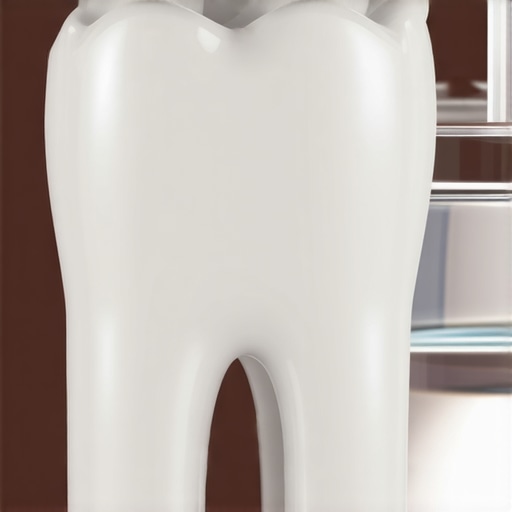
Can too much cleaning actually turn your teeth yellow?
This is the ultimate irony of aggressive oral care. Enamel is naturally white, but the layer beneath it, called dentin, is yellowish. When you over-brush or use highly acidic whitening products too frequently, you thin out the enamel. This is why many people find the reason your teeth look yellow even though you brush twice daily is actually their own aggressive technique. You might even start to notice why your front teeth feel thin or see-through at the edges. The goal of maintaining oral health should be preservation, not just decoration. Have you ever fallen into the ‘more is better’ trap with your routine? Let me know in the comments, because once I shifted from ‘scrubbing’ to ‘preserving,’ my sensitivity disappeared and my smile actually looked brighter because the enamel stayed thick and translucent.
Once I stopped treating my teeth like a DIY construction project and started viewing them as a delicate ecosystem, I realized that my equipment needed a serious upgrade. If you’re still using a manual brush and hoping for the best, you’re essentially trying to maintain a high-performance engine with a rusty wrench. For me, the first real breakthrough came when I invested in a toothbrush with a haptic pressure sensor. I used to be a chronic over-brusher, but the little red light on my brush—which flashes whenever I press too hard—was a wake-up call. It forced me to adopt the revolutionary teeth cleaning techniques for 2025, focusing on vibration rather than friction to break up biofilm.
The tech that finally saved my enamel
I also ditched the traditional string floss for a high-end water flosser, and the difference in my gum health was almost immediate. While string is great if you have perfect dexterity, a water flosser reaches into those periodontal pockets that most of us miss. This is a huge part of maintaining oral health because it flushes out bacteria without the risk of ‘floss cuts’ on sensitive tissue. I personally use the highest setting only for my back molars and a gentler pulse for the front to protect my naturally thin enamel. According to the FDI World Dental Federation, maintaining a low-pathogen environment in the mouth is directly linked to systemic health, reducing inflammation markers throughout the body. #IMAGE_PLACE_HOLDER_D#
Why a water flosser beats the old string method
Scaling your routine doesn’t mean adding more steps; it means making the steps you already take more efficient. I’ve started incorporating a pH-balancing mouth rinse into my night routine. Most store-bought washes are too acidic or contain alcohol, which can lead to the reason your mouth feels dry even when you drink enough water. A neutral or slightly alkaline rinse helps the remineralization process I mentioned earlier, making that 30-minute wait after dinner even more effective. As we look toward cosmetic dentistry innovations you can’t miss this year, we are seeing a shift toward ‘bio-active’ materials that actually help teeth heal themselves, rather than just covering up damage.
How do I maintain a bright smile over time?
The secret isn’t a one-time bleaching session; it’s the cumulative effect of daily habits and professional oversight. I’ve learned that what to expect from cosmetic dentistry isn’t just a physical change, but a commitment to preservation. In the future, I predict we will see AI-integrated toothbrushes that provide real-time mapping of your mouth to show exactly where you’re missing plaque. Until then, my best advice is to try this: swap your regular toothpaste for a nano-hydroxyapatite formula for one month. Unlike fluoride alone, hydroxyapatite is what your teeth are actually made of, and it can help fill in those microscopic ‘scratches’ from years of aggressive brushing. It’s a small change that yields massive long-term results for perfect oral health as a family.
I spent years thinking that ‘more is better,’ but the real secret to perfect oral health as a family is actually doing less at the wrong times. Taking a step back and letting nature take its course is often the best medicine for a sensitive mouth.
The One Thing My Dentist Taught Me That Changed Everything
Scrubbing isn’t cleaning; it is effectively sanding down your protection. If you have thin enamel, you need to find the safest way to whiten teeth without eroding the minerals that keep your smile healthy. Your mouth needs a rest period after every meal to reset its pH levels. Constant snacking combined with immediate brushing keeps your enamel in a permanent state of vulnerability. Once I started following best practices for sensitive gums, that sharp zing from cold water completely disappeared because I stopped physically stripping my teeth of their natural defenses.
The Minimalist Tools I Use for a Resilient Smile
I have tried every gadget under the sun, but these are the specific items that transformed my routine. First, a high-quality water flosser is non-negotiable because it flushes out debris that manual brushes miss while remaining incredibly kind to soft tissue. Second, I swear by Xylitol gum for those moments when I am on the go and cannot rinse with water. Finally, switching to a pH-balanced mouthwash stopped the burning sensation that alcohol-based versions always caused. These small changes are the building blocks of family dentistry that actually lasts for decades. [image_placeholder_final]
Your Smile’s Long-Term Strength Starts Right Now
Implementing the thirty-minute rule might feel like a tiny tweak, but it is the most powerful act of preservation you can perform for your body. By giving your enamel the necessary time to re-harden, you are ensuring a lifetime of dental confidence and avoiding expensive repairs down the road. Start tonight by finishing your meal, rinsing with plain water, and setting a timer. You will be surprised at how much stronger and smoother your teeth feel in just a few weeks. Have you ever noticed your teeth feeling extra sensitive after eating something acidic like citrus or soda? Let me know your experience in the comments below.