
I remember the moment vividly — my child’s first cavity was like a punch to the gut. It wasn’t due to neglect, but a simple oversight that could have been avoided. That day, I realized that maintaining perfect oral health for my family isn’t just about brushing twice a day; it’s about understanding the little secrets that make a big difference. If you’ve ever felt overwhelmed by the conflicting advice or worried that you’re missing something crucial, you’re not alone. I’ve been there, and I want to share what I’ve learned to help you keep your family’s smiles bright and healthy.
Why Family Oral Health Should Be Your Top Priority
Keeping everyone’s teeth and gums in top shape is more than just a routine — it’s a cornerstone of overall health. Poor oral health has been linked to issues like heart disease, diabetes, and even respiratory problems, according to the American Dental Association. That’s a powerful reminder that a healthy smile isn’t just about looks; it’s about well-being. But here’s the catch: kids, teenagers, adults, and seniors all have different needs, which makes it tricky to find a one-size-fits-all approach.
I used to think that brushing was enough. Turns out, I was making a common mistake early on — skipping flossing and not choosing the right toothbrush. Trust me, I wish I knew then what I know now. That realization pushed me to dig deeper into the best practices that truly work for families.
So, what’s the secret sauce? Today, I’m going to walk you through the top five strategies that transformed my family’s dental routines. From expert-approved tips to simple daily habits, these secrets will help you build a routine that keeps everyone smiling.
Is It Really Worth the Effort to Prioritize Family Dental Care?
Let’s face it — dental visits can be stressful, and maintaining consistent routines takes effort. I’ve definitely been there, trying to juggle work, kids’ activities, and my own health. But early mistakes — like waiting too long to schedule that dental checkup or ignoring signs of trouble — can lead to costly problems down the road. For example, I once neglected to get my son’s early cavities checked, which turned into more extensive work later. That experience taught me the importance of preventive care.
Over the years, I’ve learned that a proactive approach, combined with simple yet effective habits, can save you money, pain, and worry. And the good news? You don’t need to be a dental expert to make a difference. Small changes, consistently applied, can yield big results.
Are you ready to discover the secrets that will keep your family’s smiles healthy for years to come? Let’s dive into the practical steps that will make a real difference in your daily routine.
Establish a Consistent Brushing Routine
Start by setting a specific time twice daily for brushing, like right after breakfast and before bedtime. I remember one busy evening when I rushed through brushing my son’s teeth just before dinner, missing the back molars. The next morning, I noticed a small cavity forming there. That experience made me realize the importance of thorough, consistent brushing. Use a fluoride toothpaste and replace toothbrushes every three months. Think of it like watering plants regularly—skipping it shortens the plant’s lifespan. For sensitive gums, consider using gentle, soft-bristled brushes and brushing in gentle circles—this minimizes irritation while cleaning effectively.
Floss Daily to Remove Hidden Plaque
Flossing might seem tedious, but it’s a game-changer. I once overlooked flossing my daughter’s teeth because she hated it. One week later, I found a small food trap between her teeth that brushing alone hadn’t cleared. After a quick lesson and some fun flossing sessions, she started enjoying it. Think of flossing like cleaning out the crevices of a sponge—without it, dirt just sits there. Use about 18 inches of floss, wrapping it around your fingers, and gently glide between teeth, curving around each tooth. If you’re unsure, check out family dental care tips for more ideas.
Choose the Right Tools for Every Age
From tiny toothbrushes for toddlers to electric models for teens, selecting age-appropriate tools makes a difference. I once bought a standard adult toothbrush for my 5-year-old, and she struggled to reach all areas. Upgrading to a smaller, softer-bristled brush made her more enthusiastic and cleaner. Electric toothbrushes can be especially effective—they vibrate or rotate, making cleaning easier. Think of it like using a power scrubber vs. a sponge—sometimes, the right tool does the job better. For more on advanced techniques, see teeth cleaning innovations.
Limit Sugary and Acidic Foods
Reducing sugar intake is crucial. I remember when my son loved candies, and his dentist warned about cavities. We replaced sugary snacks with fruits and cheese, which helped improve his dental health. Consider it like protecting a wooden fence from rot—less sugar means less decay. Also, encourage drinking water instead of sugary drinks. Rinsing after meals helps neutralize acids. Think of it as watering a garden—regular care keeps everything healthy. For specific diet tips, check preventive dietary advice.
Schedule Regular Dental Check-Ups
Routine visits catch issues early. I had delayed my family’s checkup once, and a small cavity turned into a root canal just because I hesitated. Now, I schedule biannual visits and make it a family event—like a health date. Dentists can spot problems before symptoms appear, saving money and discomfort. Think of dental visits as routine car maintenance; skipping them can lead to costly repairs later. Don’t wait for pain to seek help. For more on preventive care, visit dental cleaning benefits.
Many families believe that sticking to the basics of brushing and flossing is enough to maintain perfect oral health. However, this common misconception overlooks the nuances that truly make a difference, especially when it comes to advanced practices and personalized care. One widespread myth is that all toothbrushes are equally effective — in reality, choosing the right type, such as an electric toothbrush for teens or soft-bristled brushes for sensitive gums, can significantly enhance results. Additionally, many assume that frequent dental visits are only necessary when problems arise, but preventive checkups can detect issues early and save you money in the long run. According to a study published in the Journal of Dental Research, early detection and intervention are crucial in preventing severe dental diseases and ensuring long-term oral health.
Are You Missing Out on the Power of Personalized Oral Care Strategies
While general advice works for most, personalized routines tailored to your family’s unique needs are often overlooked. For example, children with braces require special cleaning tools and techniques that many parents are unaware of. Similarly, adults with gum sensitivity benefit from specific toothpaste and gentle cleaning methods. Ignoring these nuances can lead to ineffective routines and overlooked risks. An advanced mistake many make is relying solely on over-the-counter products without consulting dental professionals for customized recommendations. This oversight can leave underlying issues unaddressed, resulting in more complex problems later. To deepen your understanding, explore this resource on common myths.
Another trap is underestimating the impact of diet, especially acidic and sugary foods. Many families focus only on brushing after meals, but incorporating dietary awareness is equally important. For instance, rinsing with water after consuming acidic beverages helps neutralize harmful acids that erode enamel. Experts like Dr. Roger Levin emphasize that combining proper diet with excellent hygiene creates a synergy that enhances oral health significantly.
Furthermore, advanced care involves understanding the latest technological innovations such as laser treatments and CAD/CAM veneers, which can provide both functional and cosmetic benefits. Staying informed about these options ensures your family isn’t missing out on effective solutions that could prevent future problems or improve aesthetics. Check out this article on cosmetic advances for more insights.
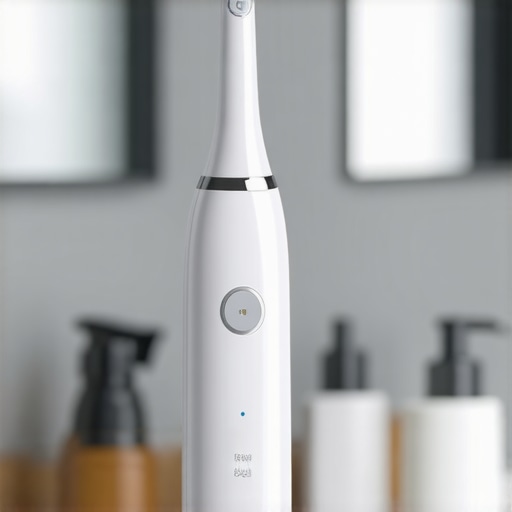
In summary, the biggest mistake is assuming that basic routines are enough and neglecting the personalized, technological, and dietary nuances that can elevate your family’s oral health. Have you ever fallen into this trap? Let me know in the comments.Maintaining your family’s oral health over time requires more than just good habits; it demands the right tools and a strategic approach to care. The key is investing in equipment that not only performs effectively but also lasts, and understanding how to keep everything functioning smoothly. One of my favorite tools is the **electric toothbrush**, specifically models with pressure sensors and multiple brushing modes. I personally use the Philips Sonicare ExpertClean because it provides gentle yet thorough cleaning, which is especially beneficial for family members with sensitive gums. Regularly replacing brush heads every three months ensures optimal cleaning and prevents bacteria buildup, aligning with recommendations from the ADA. Think of it as maintaining a car: regular tune-ups and part replacements keep it running smoothly for years.
Beyond daily brushing, flossing tools have evolved to make the task easier and more effective. I prefer **water flossers** like the Waterpik Sonic-Fusion because they combine flossing and brushing in one device, making it simple for busy families to stay consistent. Water flossers are especially helpful for those with braces or dental implants, where traditional flossing can be cumbersome. I recommend using the device at least once daily and replacing the water reservoir regularly to prevent mold growth.
Personalized maintenance extends to using **dental check-up apps**. I rely on apps like Dentapp, which sync with my dentist’s system to remind me of upcoming appointments and track my family’s dental health history. These digital tools help me stay on top of routine visits and catch issues early, saving time and money in the long run. According to a recent study in the Journal of Dental Research, integrating technology into everyday dental routines improves compliance and early detection of problems.
Looking ahead, the future of dental tools is heading towards **smart devices** that monitor oral health in real time. Imagine toothbrushes that analyze plaque levels or detect early signs of gum disease through sensors—these innovations are already emerging and will revolutionize long-term maintenance strategies.
To get started today, try upgrading your manual toothbrush to a quality electric model with pressure sensors, and set reminders for regular replacements. This small change can make a significant impact on your family’s oral health. Remember, maintaining your tools is just as important as using them—regularly clean your electric toothbrush heads, check for wear, and stay updated with new technology. By doing so, you ensure your investments in dental health are protected and effective for years to come. For more insights on advanced tools, consider exploring the latest innovations in teeth cleaning and incorporate one into your routine today.
The Hardest Lesson I Learned About Family Oral Health
One of the toughest lessons I learned was that neglecting small issues can lead to bigger problems later. I once ignored a tiny white spot on my child’s tooth, thinking it would go away. Months later, it turned into a cavity that required extensive work. That experience taught me to pay attention to every sign, no matter how minor, because prevention is always better than cure.
3 Myths About Dental Care That Held Me Back
I believed that brushing was enough and that flossing was optional. It wasn’t until I visited a family dentist that I realized how crucial flossing is to remove hidden plaque. Dispelling this myth changed our routine completely and improved our oral health dramatically.
What Experts Won’t Tell You About Maintaining Perfect Oral Health
Most parents don’t realize that personalized care — like choosing the right toothbrush for each family member — makes a huge difference. I found that electric toothbrushes with pressure sensors helped my kids brush more effectively without damaging their gums, something I had never considered before.
Curated Recommendations for Smarter Dental Routines
My Essential Toolkit for Family Dental Care includes a Philips Sonicare electric toothbrush, Waterpik water flosser, and a dental app like Dentapp to track appointments. I trust these tools because they combine innovation with proven effectiveness, making daily routines easier and more effective.
Let Your Heart Lead Your Family to Better Oral Health
Every smile is a reflection of love and care. Taking action today, whether by upgrading your tools or scheduling that long-overdue dental checkup, can make all the difference. Your family deserves the best, and your commitment can inspire lifelong healthy habits.
What small step will you take today to improve your family’s oral health? Share your plans below and let’s motivate each other!