
I remember the first time I tried to switch to a gentler brushing routine, only to find my gums flaring up worse than ever. It was a frustrating moment—feeling like I was doing everything right but still suffering from irritation and discomfort. That lightbulb moment made me realize that gentle teeth cleaning isn’t just about softer brushes; it’s about knowing the right techniques and products that truly work for sensitive gums. If you’ve ever felt overwhelmed trying to find a routine that doesn’t cause pain, you’re not alone. Today, I want to share what I’ve learned along the way to help you avoid the common pitfalls and find a method that keeps your smile healthy and pain-free.
Choose the Right Tools
Start with a soft-bristled toothbrush that flexes gently against your gums, reducing irritation. In my experience, switching from a hard brush to a super-soft one made a noticeable difference in calming my sensitive areas. Look for brushes labeled for sensitive gums or children, as they tend to be gentler.
Master the Correct Technique
Use a gentle, circular motion rather than vigorous back-and-forth scrubbing. Think of it like massaging your gums softly—pressure is key. I once tried to scrub harder to remove plaque, but it only worsened my discomfort. Now, I focus on light, deliberate circles, which clean effectively without causing pain.
Mind Your Pressure
Apply just enough pressure to let the brush do the work—imagine softly pressing a feather onto your skin. A quick way to check is to hold your toothbrush with a relaxed grip and avoid pressing down hard. This prevents unnecessary trauma to sensitive tissues.
Adopt the Right Routine Frequency
Brush twice daily, but don’t overdo it. Over-brushing can strip away protective layers, leading to more sensitivity. I found that sticking to morning and night routines, with gentle strokes, kept my gums healthier over time.
Choose Gentle, Effective Products
Opt for toothpaste formulated for sensitive gums, which often contain potassium nitrate or stannous fluoride. I experimented with different brands and settled on one that tingled slightly but didn’t cause pain. Also, consider a mouthwash designed for sensitive mouths to soothe your gums.
Incorporate Flossing Carefully
Floss gently, sliding it between teeth with a light sawing motion. Avoid snapping the floss into your gums, as this can cause bleeding and irritation. I learned this lesson after a painful flossing session—since then, I’ve been more mindful, flossing daily with a gentle touch.
Seek Professional Advice
Regular dental visits are essential. Dentists can recommend specific tools or treatments for your sensitive gums. Once, my hygienist suggested a fluoride rinse that strengthened my enamel, reducing sensitivity. Don’t neglect these visits—they’re a crucial part of your routine.
Stay Consistent and Patient
Changes won’t happen overnight. Stick to your new routine, and give your gums time to adapt. I noticed improvements after a few weeks of consistent gentle care, and now I enjoy healthier, less painful gums.
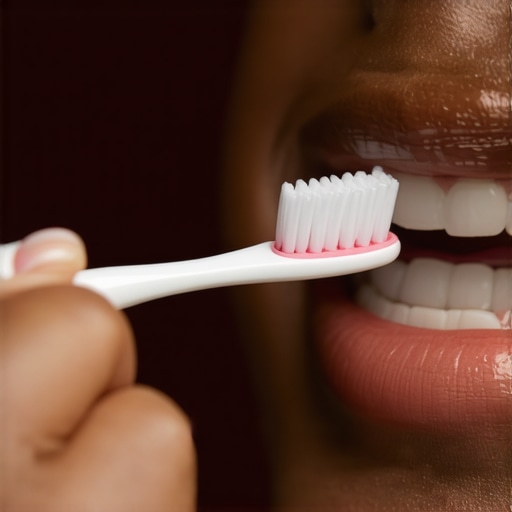 Many assume that simply switching to a softer toothbrush is enough, but the truth is more nuanced. One common myth is that any gentle pressure automatically protects your gums. In reality, technique matters just as much—using a light touch with the wrong brushing motion can still cause damage. Moreover, some believe that frequent brushing is always beneficial, but overdoing it can strip away enamel and worsen sensitivity. To truly protect your gums, focus on proper technique, gentle tools, and understanding your unique needs. For sophisticated readers, there’s a trap many fall into: believing that all sensitive gums require the same treatment. In fact, personalized approaches, including tailored products and customized routines, make a significant difference. Studies show that over-brushing or using aggressive techniques, even with soft brushes, can lead to recession and increased sensitivity over time (source: American Dental Association). So, the key is to balance gentleness with effectiveness, avoiding the common pitfalls of neglecting technique or overdoing routine. Have you ever fallen into this trap? Let me know in the comments.Maintaining the effectiveness of your gentle teeth cleaning routine over time requires the right tools and consistent care. I personally swear by a few specific items that have helped me sustain healthy gums and prevent sensitivity. First, a high-quality electric toothbrush with a soft-bristled head has been a game-changer. I use the Philips Sonicare ProtectiveClean 5100 because its Sonic technology provides gentle yet thorough cleaning, and the timer ensures I don’t overbrush. Regularly replacing the brush head—every three months—is crucial to maintain optimal cleaning power and prevent bacteria buildup. For flossing, I recommend the Water Flosser by Waterpik. Its pulsating stream reaches areas traditional floss might miss and is gentle enough for sensitive gums. I use the Waterpik Ultra and love how it helps prevent plaque buildup without irritating my tissues.
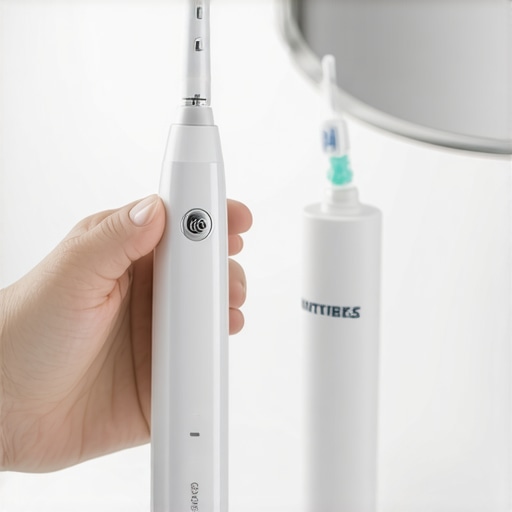 For toothpaste, I select one specifically formulated for sensitive gums, such as Sensodyne Pronamel. Its potassium nitrate content helps desensitize nerves and reduces discomfort. Incorporating a gentle mouthwash like Listerine Sensitive with aloe soothes my gums and keeps bacteria at bay. To keep track of routine, I set reminders on my phone and keep my tools in a designated spot to reinforce consistency. Over time, I’ve noticed that sticking to this toolkit prevents flare-ups and maintains the health of my gums. As trends evolve, I believe future innovations will focus on smart toothbrushes that monitor oral health metrics and provide personalized feedback, making routine maintenance even more effective. Want to make sure your routine stays effective? Try upgrading your toothbrush to an electric model with a timer and pressure sensor—these subtle improvements can significantly impact your long-term oral health. How do I maintain my gums over time? Regular professional cleanings, using the right tools, and staying consistent with gentle techniques are key to long-lasting results. For more detailed insights, check out our guide on [Top 5 Secrets to Maintaining Perfect Oral Health as a Family](https://example.com/top-5-secrets). Remember, the secret isn’t just the tools—it’s how you use them daily.
The Hardest Lesson I Learned About Gentle Gums Care
One of the most surprising realizations I had was that even the softest brush can cause damage if I don’t use the right technique. I used to think that switching brushes alone would solve my problems, but I was still applying too much pressure during brushing, which kept irritating my gums. That was a game-changer—learning to focus on gentle, circular motions made all the difference.
3 Myths About Sensitive Gums That Held Me Back
Many believe that sensitive gums mean you should avoid brushing altogether, which isn’t true. I also thought that only natural remedies could fix sensitivity, but professional-grade products like sensitivity-specific toothpaste and mouthwash made a noticeable impact. Finally, I used to think that more frequent brushing meant healthier gums, but overdoing it actually worsened my sensitivity. Understanding these myths helped me develop a more effective routine.
What Experts Won’t Tell You About Gentle Teeth Cleaning
Sometimes, the real secret is in personalized care. My dentist emphasized that every mouth is different—what works for one person might not work for another. Regular check-ups and tailored product choices, like specific toothbrush heads or fluoride rinses, are crucial. This personalized approach ensures that gentle teeth cleaning isn’t just a myth, but a sustainable, effective routine.
My Essential Toolkit for Sensitive Gums
I swear by my Philips Sonicare ProtectiveClean 5100 electric toothbrush, which offers gentle yet thorough cleaning with its timer and pressure sensor. For flossing, my Waterpik Ultra has been a lifesaver, reaching tight spaces without causing irritation. I trust Sensodyne Pronamel toothpaste because it desensitizes nerves effectively. These tools, combined with consistent use, keep my gums healthy and pain-free.
Where to Go from Here
If you’re serious about improving your gum health, consider exploring additional resources like our comprehensive guide on maintaining oral health or consulting with your dentist for personalized advice. Upgrading your tools and routines can make a significant difference, and staying consistent is key. Remember, the journey toward gentle, effective teeth cleaning is ongoing, but the results are worth it—healthier gums and a brighter smile await.
Your Turn to Try
Taking the first step toward gentle teeth cleaning might feel daunting, but small changes can lead to big improvements. Think about your current routine—are you applying too much pressure or using the right tools? I encourage you to experiment with new techniques and tools, and see how your gums respond. Your smile deserves this gentle, effective care.
What’s one change you’re willing to try today to protect your sensitive gums? Share your thoughts below—I’d love to hear your journey!