
I remember staring into the mirror one morning, my smile suddenly feeling dull and lackluster. It hit me—I’d been neglecting my teeth for too long, and now I was paying the price every time I flashed a grin. That lightbulb moment made me realize how much I wanted a brighter, more confident smile, but I also knew I had to understand what really works. Everyone’s chasing that perfect, dazzling look, yet so many of us fall for quick fixes that don’t deliver or worse, damage our teeth. Let me tell you, I learned the hard way early on that not all whitening methods are created equal. I used to think just buying a whitening strip from the drugstore was enough, but I soon discovered that without understanding the science, I was wasting time and risking harm. Today, I want to share with you what I found out—how the science of teeth whitening can help you achieve stunning results fast, safely, and sustainably. If you’ve ever felt frustrated by the slow progress of traditional whitening methods or worried about damaging your enamel, you’re not alone. Let’s dive into what really makes your teeth shine and how you can harness that knowledge for a brighter, healthier smile. Are you tired of ineffective whitening tricks that promise the moon but deliver little? Well, you’re in the right place. We’ll uncover the secrets behind fast, effective teeth whitening and clear up some common misconceptions that might be holding you back. And believe me, I’ve made my fair share of mistakes—like ignoring the importance of proper application or rushing into products without understanding their ingredients. But once I got the science right, everything changed. Ready to cut through the noise and discover what truly works? Let’s start by understanding what’s happening at the microscopic level when you whiten your teeth, and why some methods work faster than others.
Apply the Science with Precision
Start by understanding that teeth whitening works at the microscopic level, where the bleaching agents break down stains embedded in your enamel. I remember the first time I tried a whitening gel at home; I meticulously applied a thin layer with a custom tray, like a scientist conducting an experiment. The key is consistency—use the product as directed, avoiding overuse which can damage your enamel.
Choose the Right Product for Your Teeth
Not all whitening products are created equal. Look for those containing carbamide peroxide or hydrogen peroxide, which are proven to be effective. I once bought a cheap strip that promised quick results but caused sensitivity. Instead, I switched to a trusted brand recommended by my dentist, and the results began to show in just a week.
Master Proper Application Techniques
Proper application ensures maximum contact between the whitening agent and your teeth. Use a clean finger or a small brush to spread the gel evenly, avoiding your gums. During my second attempt, I watched a tutorial and learned to avoid excess gel—this minimized irritation and improved results.
Enhance Results with Complementary Practices
Supplements like avoiding stain-causing foods and maintaining good oral hygiene accelerate your whitening journey. I started cutting down on coffee and red wine, which significantly reduced new stains. Regular brushing and flossing remove surface stains and prepare your teeth for whitening treatments, much like prepping a surface for paint.
Use Gentle, Effective Tools
Switch to a soft-bristled toothbrush and gentle toothpaste to prevent enamel erosion. I once used a hard brush in a rush, which left my gums irritated. Switching to a gentle routine made a big difference in maintaining my enamel while whitening.
Stay Consistent and Patient
Teeth whitening is a marathon, not a sprint. I committed to a daily routine for two weeks, and the noticeable difference boosted my confidence. Remember, consistency beats shortcuts—overloading on products or rushing can backfire, causing sensitivity or uneven whitening.
Schedule Professional Checkups
Regular dental visits help monitor your progress and prevent damage. My dentist recommended periodic cleanings to remove plaque and surface stains, enhancing my whitening results. Think of it as tuning your instrument for the best performance.
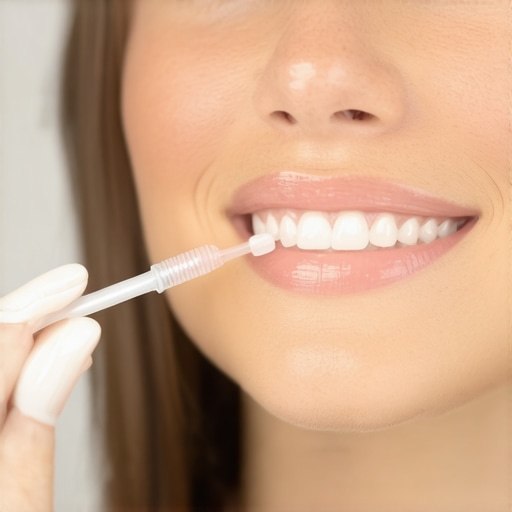
Image showing a person applying whitening gel with a tray, demonstrating proper technique for effective teeth whitening.
Many people believe that teeth whitening is simply about choosing the strongest bleaching agent or following the instructions on a product. However, this approach overlooks critical nuances that can make or break your results. For example, one common misconception is that higher peroxide concentrations always lead to faster whitening. In reality, higher concentrations increase the risk of enamel damage and sensitivity, especially if not applied correctly. The key is to balance effectiveness with safety, which requires understanding how peroxide interacts at a microscopic level with your tooth enamel. Overusing potent products can cause micro-fractures in enamel, making teeth more susceptible to decay and staining in the long run. A study published in the Journal of Dentistry highlights that prolonged exposure to high peroxide levels can compromise enamel integrity, counteracting the aesthetic benefits you seek. Therefore, more isn’t always better—precision and moderation are essential for optimal results. Another trap many fall into involves the timing and frequency of treatments. Some assume that daily whitening sessions accelerate results, but this can lead to enamel erosion and increased sensitivity. Instead, following a carefully designed schedule recommended by dental professionals helps ensure that your teeth respond effectively without harm. Understanding the science also involves recognizing the limitations of certain products. For instance, over-the-counter whitening strips often contain lower peroxide concentrations, which means they work more slowly but safely. Conversely, professional treatments are more potent but require expert supervision to avoid overexposure. The advanced knowledge lies in knowing when and how to escalate your whitening efforts safely. If you’re serious about fast, effective results, consider consulting with a dental specialist who can customize a treatment plan based on your unique dental chemistry. This personalized approach leverages the latest research, such as the findings from the American Dental Association, emphasizing that tailored treatments yield better outcomes with minimized risk. Do you ever wonder why some whitening methods seem to plateau or cause unexpected sensitivity? The answer often involves individual variations in enamel composition and stain type, which standard products don’t account for. An advanced technique might involve combining whitening with remineralization therapies to strengthen enamel during the process, a strategy supported by recent studies from the International Journal of Esthetic Dentistry. Remember, effective teeth whitening isn’t just about quick fixes; it’s about applying science with precision and care. If you want to avoid common pitfalls and truly understand the science behind your smile, investing in professional advice and evidence-based products is the way forward. Have you ever fallen into this trap? Let me know in the comments.Maintaining your dazzling smile requires the right tools and a strategic approach. Personally, I swear by using a sonic toothbrush like the Philips Sonicare ProtectiveClean 6100. Its gentle yet effective vibrations help remove surface stains and plaque more thoroughly than manual brushing, which is crucial for preserving whitening results. I’ve noticed that combining this with a fluoride-rich, low-abrasion toothpaste keeps my enamel strong while preventing new stains. Regular use of a whitening pen, such as the AuraGlow Teeth Whitening Pen, allows me to touch up my smile easily after meals or drinks that might cause staining. These pens are compact, quick to apply, and don’t require lengthy routines, making them perfect for busy schedules. For deeper maintenance, I schedule professional cleanings every six months. These visits aren’t just about removing plaque—they also include polishing and fluoride treatments that reinforce enamel, as discussed in “How Regular Dental Cleanings Can Save You Money in the Long Run.” I’ve found that these combined efforts help me sustain my whitening results without sensitivity or damage. Looking ahead, emerging technologies like LED-activated whitening kits are gaining popularity, promising faster and more effective results. I predict that in the next few years, personalized whitening devices that sync with smartphone apps will become mainstream, letting users monitor their progress and adjust treatments in real time. To truly keep your teeth shining, consistency is key. Make a habit of brushing with your sonic toothbrush twice daily, apply whitening touch-ups as needed, and keep up with professional checkups. Don’t underestimate the power of a good tool—invest in quality, and your smile will thank you. If you’re ready to step up your whitening maintenance, try incorporating a whitening pen into your routine or schedule a dental checkup to get personalized advice. Remember, the science behind teeth whitening is complex, but with the right tools and habits, you can enjoy stunning results that last.
Lessons I Wish I Learned About Teeth Whitening Early
- One of my biggest lightbulb moments was realizing that more peroxide isn’t always better. High concentrations can damage enamel, which is counterproductive to a healthy, bright smile. It took some trial and error, but now I stick to balanced treatments and trust the science behind moderation.
- Another lesson was understanding that consistency beats quick fixes. I used to jump from one whitening product to another, hoping for instant results. Now, I follow a routine, combining professional advice with daily habits, which has made my results more sustainable and safer.
- Finally, I learned that personalized treatments make all the difference. Not everyone’s teeth respond the same way. Consulting with a dentist and using tailored solutions helped me avoid sensitivity and achieve the best possible outcome.
My Essential Toolkit for Brightening Smiles
- Philips Sonicare ProtectiveClean 6100 — I trust this sonic toothbrush for gentle yet effective stain removal and enamel preservation. It’s a game changer in maintaining whitening results without damage.
- AuraGlow Teeth Whitening Pen — For quick touch-ups on the go, this pen is my go-to. It’s easy to apply, and I can keep my smile bright even during busy days.
- Professional Dental Cleanings — Regular visits every six months help me keep plaque and surface stains at bay, ensuring my whitening efforts last longer. I also get expert advice tailored to my needs.
- Emerging LED-activated whitening kits — I’m excited about these new tools that promise faster results. They’re on the horizon, and I believe they’ll make whitening safer and more effective for everyone.
Take Charge of Your Brightness
Your journey to a dazzling smile is unique, and understanding the science behind teeth whitening can empower you to make smarter choices. Don’t settle for shortcuts or one-size-fits-all solutions—invest in knowledge, proper tools, and professional guidance. Your future self will thank you for the effort and care you put into your smile today. Remember, a healthier, brighter smile is within your reach—start now and enjoy the confidence that comes with it.
What’s the biggest challenge you face when trying to keep your teeth bright? Let me know below!