
I remember the exact moment I realized I was losing the battle. I was standing in front of my bathroom mirror, and despite my best efforts to be ‘good’ with my hygiene, my gums were a bright, angry shade of red. Every time I tried to use that little plastic container of waxy string, it felt like I was sawing into raw steak. It was painful, messy, and frankly, it wasn’t working. I felt like a failure. I had always assumed that teeth cleaning techniques were all pretty much the same, but my dentist was using words like ‘periodontitis’ and ‘deep pockets.’ I was terrified of losing my teeth.
The Morning I Finally Saw Too Much Blood in the Sink
I made a huge mistake early on. I thought that if I just brushed harder, I could ‘scrub away’ the gum disease. All I actually did was make things worse. I didn’t realize that why your gums throb after brushing is often due to physical trauma, not just bacteria. My ‘aha!’ moment came when my dental hygienist handed me a flyer for a water flosser. I was skeptical. I thought it was just another expensive gadget destined to gather dust under my sink. But when you are staring down the barrel of expensive surgery, you will try almost anything.
Can a fancy water gadget actually beat traditional flossing?
You are probably thinking exactly what I was: ‘Is this thing actually worth the hype, or is it just a glorified squirt gun?’ It sounds too good to be true that water can do what physical scrubbing cannot. But the science is surprisingly solid. According to the American Academy of Periodontology, nearly half of all adults in the US suffer from some form of gum disease. The problem with string floss is that it cannot reach into the deep pockets where bacteria hide once your gums start to recede.
Deep Pockets Need More Than Just Waxy String
When you have gum disease, your gum tissue pulls away from the tooth, creating a little space where plaque loves to throw a party. String floss basically just hops over those gaps. A water flosser, however, uses a pressurized stream to flush out those ‘no-go zones.’ It is like the difference between trying to clean a narrow pipe with a string versus using a pressure washer. I started seeing a difference in just two weeks—less swelling, less bleeding, and finally, no more wincing when I looked in the mirror. Plus, learning gentle teeth cleaning best practices changed the way I approached my nightly routine. Have you ever felt like you were doing everything right but still getting bad news at the dental office? I would love to hear about your struggles. Today, we are going to dive into why this one switch might be the most important move you make for your oral health this year, especially if you are trying to understand how regular teeth cleaning can prevent major dental issues down the road.I’ll start by admitting my first attempt was a complete disaster. I turned the machine on high, aimed it roughly at my front teeth, and immediately sprayed the entire bathroom mirror and my favorite shirt. It looked like a water park accident in my master bath. But once I wiped the water off the walls, I realized that gentle teeth cleaning best practices for sensitive gums are more about finesse than force. If you want to avoid the mess and actually see results, you have to master the lean-over-the-sink method. You lean far forward, keep your mouth slightly open so the water drains out into the basin, and let the machine do the heavy lifting without fighting the spray.
Stop Spraying the Mirror and Start Saving Your Gums
The biggest mistake most people make is treating a water flosser like a power washer. It is a precision tool, not a demolition device. I learned the hard way that starting on the lowest possible setting is vital for long-term success. If you go too hard too fast, you might find why your gums throb after brushing too vigorously applies to water pressure too. Fill the reservoir with lukewarm water—trust me, cold water on a sensitive tooth is a sensation you only want to experience once. It is all about creating a routine that feels less like a chore and more like the family dentistry tips that make oral care effortless and effective we often read about. 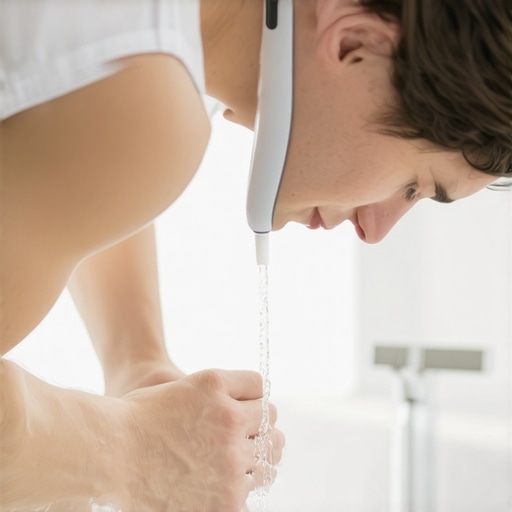
The 90-Degree Angle That Actually Works
Place the tip in your mouth before you even think about turning the unit on. This sounds obvious now, but in my panic to get started, I forgot this twice and ended up soaking my ceiling. Aim the tip at a 90-degree angle to your gum line. You aren’t trying to blast the tooth surface; you are aiming specifically for the ‘pocket’ where the gum meets the tooth. This is the secret to how regular teeth cleaning can prevent major dental issues. Slowly trace the gum line, pausing briefly between each tooth to let the water flush out the hidden debris.
Targeting the Hidden Danger Zones
The back of your mouth is where the real war against bacteria is won or lost. Most of us get lazy when we reach the molars because they are hard to see and even harder to reach with traditional string. However, that’s exactly where plaque builds up and causes the most damage. I used to think my back teeth were ‘clean enough’ until I saw what the water flosser knocked loose after I had already brushed. It debunked several oral health myths debunked for me instantly. Physical brushing just doesn’t have the reach that a pressurized stream provides.
Adjusting the Pressure Without Hurting Yourself
If you have inflamed gums, start at the ‘one’ or ‘two’ setting. As your tissue heals and becomes firmer—which usually happens in about ten days—you can gradually increase the pressure. This is a key part of maintaining oral health expert advice for a lifetime of healthy teeth. If you find your gums are still bleeding after a full week of daily use, it is usually a sign you are moving the tip too fast or using a setting that is too high for your current health level. Much like learning how to choose the right toothbrush bristle strength for your gums, finding your ‘goldilocks’ zone with water pressure is a personal journey.
Why Your Clean-Freak Habits Might Be Hurting Your Teeth
We have been conditioned to believe that ‘cleaner is better,’ but in the world of high-level dentistry, the most common mistake I see isn’t neglect—it is over-enthusiasm. Everyone says you should brush immediately after every meal to keep things pristine, but in my experience, that is one of the fastest ways to destroy your enamel. When you consume something acidic, like a morning orange juice or a salad with vinaigrette, your enamel actually softens temporarily. If you jump straight to the sink with a brush, you aren’t just removing food; you are physically scrubbing away your tooth structure. This is why we recommend waiting thirty minutes to brush after eating fruit or anything acidic. A study published in the Journal of the American Dental Association (JADA) confirms that brushing too soon after an acid challenge can significantly accelerate tooth wear.
The Dangerous Trap of Abrasive Whitening
Another ‘oops’ factor that catches people off guard is the obsession with charcoal toothpastes and high-grit whitening products. We all want that Hollywood glow, but many people are essentially sandpapering their teeth. If you use highly abrasive pastes daily, you might eventually notice that your teeth look yellow even though you brush twice daily. This happens because you’ve worn down the white enamel, revealing the yellowish dentin underneath. It is a classic case where the pursuit of cosmetic dentistry impact backfires because the foundation—the enamel—wasn’t protected. Have you ever fallen into this trap? Let me know in the comments. 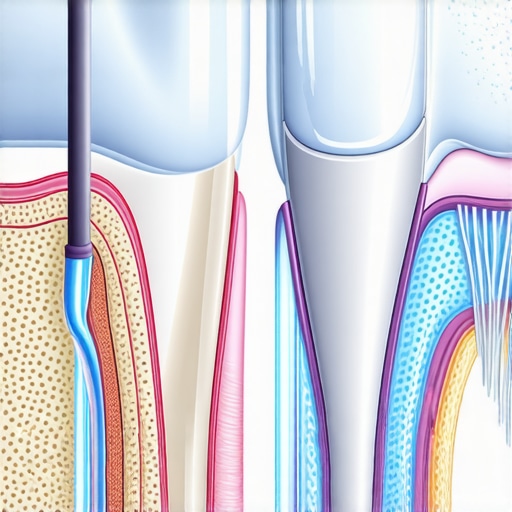
Is Your Quest for a Whiter Smile Actually Masking Underlying Decay?
This is the sophisticated question every patient should ask themselves. I have seen countless cases where patients focus so heavily on the shade of their teeth that they ignore the ‘silent’ symptoms of gum recession or micro-fractures. Relying on over-the-counter strips can sometimes hide the warning signs that a professional would catch during maintaining oral health expert advice sessions. True health isn’t just about the surface stain; it is about the structural integrity of the tooth.
The Thirty-Minute Rule You Can’t Afford to Break
The real nuance of teeth cleaning techniques lies in pH balance, not just friction. Instead of reaching for the brush the second you finish your coffee, try rinsing with plain water. This helps neutralize the acid and jumpstarts the remineralization process naturally. By the time that thirty-minute window has passed, your enamel has re-hardened, making your brushing session safe and effective rather than destructive. Understanding these oral health myths debunked is what separates a beginner’s routine from true dental mastery. If you are ever unsure about how your current habits are affecting your long-term health, don’t hesitate to contact us for a personalized assessment.I’ve spent thousands of dollars on my teeth over the years, and if there is one thing I’ve learned, it’s that the best tools are the ones that prevent you from over-correcting. After my mishap with ‘scrubbing’ my gums into oblivion, I invested in a high-quality electric toothbrush with a built-in pressure sensor. This isn’t just about the vibration; it’s about the light that flashes the second I press too hard. It’s like having a tiny, gentle hygienist living in my bathroom. If you’ve ever wondered why your gums only bleed when you use an electric toothbrush, it is almost always because the mechanical efficiency is exposing existing inflammation that a manual brush just skipped over.
Why My High-End Electric Brush Is Non-Negotiable
I specifically chose a model that uses oscillating-rotating technology. According to the Cochrane Database of Systematic Reviews, these types of brushes show a statistically significant reduction in plaque and gingivitis compared to traditional manual brushing over both short and long-term periods—specifically a 21 percent reduction in plaque after three months of use. By letting the motor do the work, I finally stopped the aggressive ‘sawing’ motion that was causing my recession. This is one of the most vital family dentistry tips that make oral care effortless and effective because it takes the guesswork out of the process for both me and my kids. 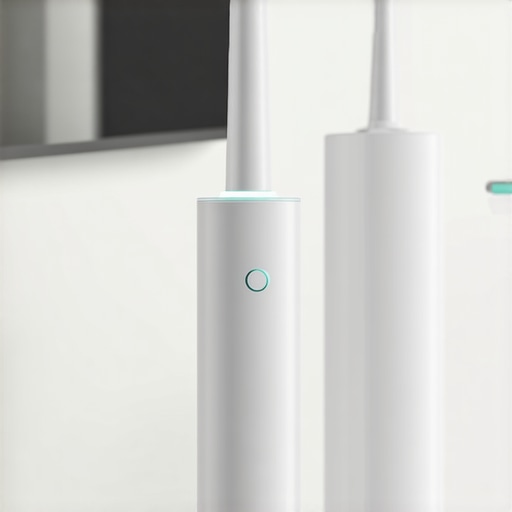
How do I maintain these results year after year?
The secret isn’t just the tools you use at home; it’s the consistency of your professional oversight. I used to view my six-month checkup as an optional ‘cleaning’—a glorified car wash for my mouth. Now, I see it as a data-collection mission. Regular visits allow your dentist to track the ‘pockets’ we talked about earlier. Staying ahead of these changes is how regular dental cleanings can save you money in the long run by catching a small cavity before it becomes a three-thousand-dollar crown. Combining rigorous home care with preventive tips for long-lasting dental health for families ensures that the ‘aha’ moment I had in my bathroom never has to be repeated.
Your Mouth is About to Get a Lot Smarter
Looking toward the future, I am incredibly excited about how AI and digital imaging are changing the game. We are moving away from those uncomfortable, goopy molds and toward high-resolution scans. I’ve personally experienced how we use digital scanners to avoid messy dental molds, and the precision for things like crowns and aligners is staggering. In the next few years, I predict we will see smart toothbrushes that can detect the chemical markers of decay in your saliva before a physical hole even forms. This level of maintaining oral health expert advice will make ‘drilling’ a rarity rather than a routine. If you haven’t upgraded your toolkit yet, my best advice is to switch to a pressure-sensing electric brush tonight. Your gums will thank you within the week. If you need help choosing the right tech for your specific needs, feel free to contact us.
I spent years thinking that if my gums weren’t sore, I wasn’t cleaning them well enough. It took a few painful appointments to realize that aggressive scrubbing is actually a form of self-sabotage. The most important shift I made was moving from a mindset of ‘cleaning’ to a mindset of ‘preserving.’ Once you stop treating your enamel like a surface to be scoured and start treating it like a living shield, everything changes.
The Costly Lessons That Finally Changed My Routine
The first lightbulb moment for me was realizing that bleeding isn’t a sign of a thorough clean; it’s a sign of a broken barrier. I had to learn that oral health myths debunked often center around the idea that more force equals more health. It doesn’t.
Another hard truth was the realization that I was literally washing my money away by brushing too soon after meals. That thirty-minute window is the difference between letting your saliva remineralize your teeth and physically scraping away the enamel that keeps your smile bright. I also learned that why your gums recede faster is frequently linked to using a hard-bristled brush in an attempt to be ‘thorough.’ Precision is always better than power.
The Only Tools I Trust for My Daily Care
If you are looking to upgrade your regimen, I highly recommend investing in a pressure-sensing electric toothbrush. It acts as a coach, forcing you to use the right technique every single time. This is one of the top 5 secrets to maintaining perfect oral health as a family because it prevents the ‘sawing’ motion that damages young and old gums alike.
I also refuse to go back to a time before I had a water flosser. It is the only tool that effectively manages the spaces that a standard brush ignores. Finally, I look for dental practices that prioritize modern diagnostics, such as digital scanners to avoid messy dental molds, because accuracy in your checkups prevents expensive surprises later on.
Your Path to a Pain-Free Smile Starts Now
You don’t have to overhaul your entire life in one night. Pick one small change—perhaps the thirty-minute waiting rule or switching to a softer brush—and stick to it for a month. These micro-adjustments in your teeth cleaning techniques are what build a foundation for a smile that stays strong well into your eighties. You have the power to stop the cycle of painful cleanings and start a new chapter of proactive, gentle care. Have you ever noticed your gums feel better after switching to a softer brush or a water flosser? Let me know your experience in the comments below!