
I remember sitting in my car after a long afternoon in the dental chair, desperately wanting a sip of cold water, but every time I swallowed, it felt like I’d just taken a face-first dive into the Atlantic Ocean. That sharp, briny tang was everywhere, coating my tongue and making my morning coffee taste like a science experiment gone wrong. I even pulled over to check my gums in the rearview mirror, half-expecting to see a salt crust forming. It’s a bizarre, slightly unsettling feeling that makes you wonder if your dentist secretly replaced your filling material with a giant salt lick while you were numb. If you’ve ever experienced this after a cleaning or a more involved procedure, let me tell you: you aren’t alone, and you definitely aren’t going crazy. This salty mystery is actually a common side effect, though it’s rarely mentioned in the post-op brochures. Today, I want to share what I’ve learned about why this happens and how you can get your palate back to normal without losing your mind.
Your Mouth Isn’t Actually a Salt Mine
[IMAGE_PLACEHOLDER] The truth is, that salty sensation is usually just your body’s way of processing the tiny, necessary disruptions that happen during a visit. Whether you were there for the latest cosmetic dentistry trends or just a routine scale and polish, your mouth is an incredibly sensitive ecosystem that reacts to the slightest change. When I first started getting serious about my dental health, I made the classic ‘overachiever’ mistake. After a procedure left me with that lingering salty taste, I aggressively swished with a harsh, alcohol-based mouthwash every hour, thinking I needed to ‘sterilize’ the flavor away. It was a total disaster. The alcohol dried out my tissues so badly that the saltiness actually felt twice as strong, and my mouth felt like a desert. I’ve since learned that following gentle teeth cleaning best practices for sensitive gums is the much smarter move. Have you ever tried to ‘fix’ a dental side effect yourself, only to realize you were accidentally making it worse? It’s a frustrating cycle, but it’s one we can break together.
Is this salty flavor a sign something went wrong?
It’s the nagging question that keeps us scrolling through health forums late at night. You start worrying that a filling is leaking or that an infection is already setting in. However, the explanation is usually far less scary. According to the American Dental Association, minor bleeding—which can happen even during a thorough cleaning if you have a bit of inflammation—releases iron into your saliva, which our brains often interpret as a salty or metallic flavor. There is also the chance that the reason your teeth feel taller after getting a new filling is simply because the materials used, like certain bonding agents or even the salt-based polishing powders in modern equipment, are still lingering in your saliva film. We are going to dive into the specific biological triggers behind this brine so you can stop worrying and start healing properly.
Flush Out the Lingering Minerals
The quickest way to reset your taste buds is to treat your mouth like a chemistry lab that needs a thorough rinse. Think of your saliva as a self-regulating stream; when a dentist introduces polishing pastes or bonding agents, they are essentially dumping sediment into that stream. To clear it, you need to increase your water intake significantly. I learned this the hard way after a particularly long session for teeth cleaning where the gritty paste seemed to stick to my cheeks for days. I tried scrubbing my tongue with a dry brush, but the real fix was drinking two liters of room-temperature water over the next few hours. This doesn’t just wash away physical debris; it stimulates your salivary glands to produce fresh, pH-balanced spit that naturally neutralizes the salty tang. 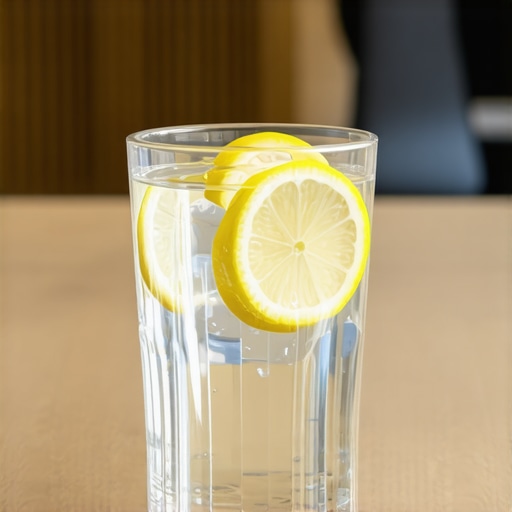
Master the Art of the Gentle Rinse
While it sounds counterintuitive to use salt to fight salt, a lukewarm saline rinse is actually a powerhouse for healing. The salt you are tasting is often a byproduct of minor tissue irritation or micro-bleeding. By mixing half a teaspoon of high-quality sea salt into eight ounces of warm water, you create an isotonic solution that mimics your body’s natural fluids. This helps soothe the areas where tooth sensitivity after a professional scale and polish might be flaring up. I once made the mistake of using a ‘super-strength’ menthol wash right after a procedure, and why your mouth feels like it is burning after using alcohol-based mouthwash became a very painful lesson. The alcohol stripped my protective mucosal layer, making the salty taste feel like a chemical burn. Stick to the saline; it is boring, but it works.
Give Your Enamel Breathing Room
One of the biggest mistakes I see people make—and one I have definitely made—is rushing to brush the ‘flavor’ away as soon as they get home. If you have just had a treatment that involved acidic conditioners or abrasive cleaners, your enamel is temporarily softened. Brushing immediately is like sanding down a wet piece of wood. You are better off waiting at least thirty to sixty minutes. If the taste is driving you crazy, try a ‘water swish’ instead. This protects your teeth while they re-mineralize. If you are someone who likes to clean coffee stains off your teeth without professional help at home, you know how sensitive those surfaces can get. After a professional visit, that sensitivity is magnified and needs a gentle touch.
Monitor Your Saliva Consistency
Check if your mouth feels sticky or if your saliva is thick. Thick saliva often traps the metallic or salty ions against your tongue longer. You can thin it out by avoiding dairy or sugary drinks for the first 24 hours post-appointment. I remember a time I had a thick milkshake right after a filling, thinking the cold would soothe my gums. Instead, the dairy combined with the lingering dental materials to create a weird, salty paste that lingered until the next morning. Now, I stick to clear broths and herbal teas until the ‘chemical’ stage of the recovery has passed. This simple dietary shift allows your mouth’s natural filtration system to work without being bogged down by mucus-producing foods.Let’s dig deeper into the science of taste and why we often misinterpret these post-op signals. A common belief is that the ‘cleaner’ your teeth feel—or the more they ‘sting’ after a rinse—the healthier the outcome. This is a dangerous misconception. In my experience, a healthy mouth isn’t a sterile one; it’s a balanced one. Most people assume that if their mouth tastes like a salt shaker, the dentist simply didn’t rinse enough. But advanced clinical observations suggest a more nuanced ‘oops’ factor: the temporary disruption of the salivary pellicle. This ultra-thin protein film protects your enamel and modulates how you perceive flavor. When we perform teeth cleaning, we temporarily strip this film. According to research cited by the International Journal of Dentistry, the re-establishment of a healthy pellicle can take several hours, during which your taste buds are exposed to ions they normally wouldn’t ‘taste.’ If you aggressively brush during this window, you aren’t just cleaning; you’re preventing that protective barrier from reforming.
Stop Obsessing Over Whiteness and Start Focusing on Biofilm
The hidden nuance that many patients—and even some practitioners—overlook is the ‘salinity surge’ caused by minor localized inflammation. Everyone says you should just ‘wait it out,’ but in my experience, active but gentle neutralization works better. You might think that oral health myths busted only apply to kids, but the biggest adult myth is that ‘sterile is healthy.’ If you’ve recently looked into the impact of cosmetic dentistry in 2025, you know that the focus has shifted from just looks to functional biology. When you experience that salty tang, your first instinct might be to reach for the strongest antiseptic on the shelf. But here is the trap: you might be nuking the very beneficial bacteria needed to regulate your oral pH. This is why oral health myths debunked are so important to understand. You aren’t just cleaning teeth; you’re managing a biological film. 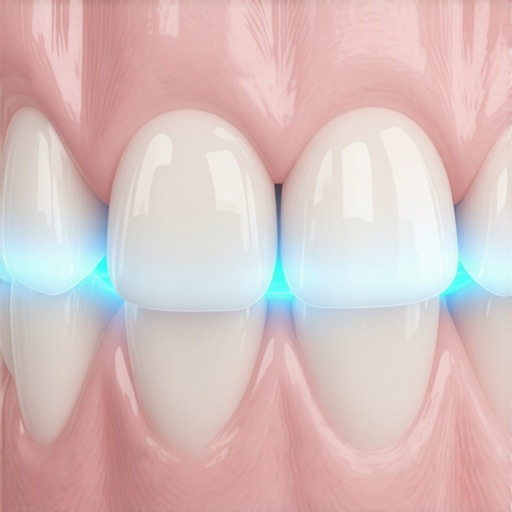
Could chronic saltiness indicate something more than a routine recovery?
For the advanced reader, it’s worth noting that if a salty taste persists for more than a week, it may not be the procedure at all. It could be a sign of ‘burning mouth syndrome’ or a side effect of medication that alters your electrolyte balance. This is where expert advice for a lifetime of healthy teeth becomes invaluable. You have to look at the whole body. For instance, how regular teeth cleaning can prevent major dental issues isn’t just about cavities; it’s about monitoring these subtle shifts in your oral environment that signal larger health changes. One major ‘trap’ to avoid is the use of whitening strips too soon after a professional visit. I’ve seen patients who, wanting to maintain their new look, apply home treatments immediately. If you check the reason your gums look receded after using whitening strips, you’ll see that chemical irritation can cause the very ‘leakage’ of salty plasma we’re trying to avoid.
Avoid the Family Trap of Universal Dental Care
We also need to talk about the ‘Family Trap.’ When one person in the house has a dental procedure, the whole family often switches to their ‘special’ post-op routine or mouthwash. However, family dentistry tips emphasize that oral care must be individualized. What soothes a salty post-cleaning mouth might be totally ineffective for a child’s routine. Stick to maintaining perfect oral health as a family by keeping baseline habits consistent and only treating the specific area of concern. Have you ever fallen into this trap? Let me know in the comments. We often think we’re being proactive by changing everything at once, but the mouth thrives on stability. Whether you are dealing with tooth sensitivity after a professional scale and polish or just a weird lingering taste, the best path forward is usually the gentlest one. Even when discussing family dentistry building a foundation of healthy smiles for all ages, the goal is always to support the mouth’s natural defenses and biological rhythm.
Upgrade Your Arsenal Without Breaking the Bank
I used to be a total traditionalist when it came to flossing. I’d wrap that painful wax string around my fingers until they turned purple, thinking the ‘burn’ meant it was working. But after transitioning into more advanced cosmetic dentistry in 2025, I realized that my gums needed technology, not just friction. I personally swear by the water flosser now. It’s not just a gadget; it’s a biological reset button. The reason I use it every night is that it reaches the subgingival areas—the deep pockets—that a string simply cannot penetrate without causing trauma. A study published in the Journal of Clinical Dentistry highlights that water flossing can be up to 29% more effective than traditional string flossing for plaque removal, specifically because it uses hydro-kinetic energy to disrupt the biofilm. If you are dealing with lingering post-procedure saltiness, a water flosser on the lowest setting can gently flush out debris without irritating your healing tissues. It’s the difference between using a pressure washer on a sidewalk versus a gentle mist on a flower. 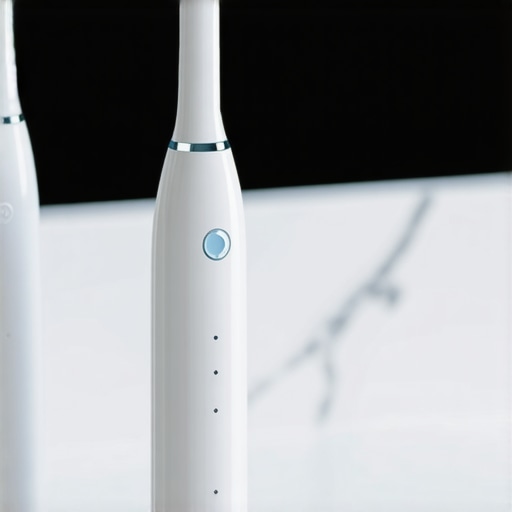
Stop Brushing Like You Are Scrubbing a Grout Line
One of the most expensive lessons I ever learned was that more pressure does not equal cleaner teeth. I actually caused my own recession because I was an ‘aggressive brusher.’ I highly recommend switching to an electric brush with a visible pressure sensor. I use one that flashes red the second I press too hard. This is crucial because why your gums recede faster if you use a hard-bristled brush isn’t just about the bristles—it’s about the manual force we apply when we’re in a rush. By letting the micro-vibrations do the work, you preserve the very enamel that keeps your smile bright. For those who want teeth cleaning secrets to achieve a bright smile in under 30 minutes, the secret is consistency with high-quality tools, not brute force once a week.
How do I maintain my dental results over time?
Long-term success is less about the big appointments and more about the boring, daily rituals. I treat my mouth like a high-performance engine. This means using preventive tips for long-lasting dental health for families, such as incorporating a hydroxyapatite-based toothpaste. Unlike fluoride alone, hydroxyapatite is a naturally occurring mineral that makes up 97% of your tooth enamel. It helps ‘plug’ the tiny holes in your teeth that cause sensitivity after a scale and polish. I’ve found that how regular dental cleanings can save you money in the long run is directly tied to how well you manage your oral microbiome at home. If you keep the pH balanced with the right tools, you won’t need those ‘heavy’ corrective procedures nearly as often.
What Your Toothbrush Might Look Like in 2030
I predict we are moving toward a ‘smart’ era where your toothbrush won’t just vibrate; it will analyze your saliva in real-time. We are already seeing the beginning of this with revolutionary teeth cleaning techniques for 2025 that use AI to map the areas you miss. In the future, your brush might alert you to a ‘salty’ electrolyte imbalance before you even feel it. For now, the best thing you can do is stay proactive. I challenge you to try the ‘low-pressure’ challenge tonight: use only your fingertips to hold your brush and let the technology do the work. You might be surprised at how much better your gums feel by morning. If you’ve been putting off your next maintenance visit because of past experiences, check out how regular teeth cleaning can prevent major dental issues to see why it’s worth the effort.
The Hardest Lesson I Learned About Dental Aftercare
One of the most profound realizations I had during my own oral health journey was that a ‘squeaky clean’ mouth isn’t always a happy one. We often fall for oral health myths debunked that suggest a stinging or intense flavor means the treatment is ‘working.’ In reality, that salty sensation is a biological signal that your mouth is working overtime to restore its natural mineral balance. I used to think I needed to scrub the taste away, but I learned that time and hydration are far more effective than any abrasive brush. Embracing gentle teeth cleaning best practices for sensitive gums taught me that supporting the body’s recovery is about patience, not force. When you stop fighting the process, the symptoms resolve much faster.
Gear for a Highly Resilient Smile
I am often asked what belongs in a modern dental toolkit to prevent these post-op surprises. Personally, I have moved away from ‘one-size-fits-all’ products and toward items that respect our unique oral microbiome. First, I highly recommend exploring the benefits of using a water flosser; it provides the deep cleaning necessary for recovery without the mechanical irritation of traditional floss. Secondly, I trust hydroxyapatite-based toothpastes over standard formulas because they physically repair enamel micro-fissures that can trap salty ions. Finally, keeping a high-quality, alcohol-free saline rinse on hand is essential for soothing tissues without causing the dreaded ‘burning’ sensation that delays healing.
[IMAGE_PLACEHOLDER_E]
Don’t Let a Weird Taste Stop Your Progress
It is easy to get discouraged when a routine procedure leaves you with a strange lingering taste, but remember that this is just a temporary phase of a much larger success story. Whether you are investing in the impact of cosmetic dentistry in 2025 or staying on top of maintenance, you are doing the hard work that keeps your smile functional for life. Understanding how regular dental cleanings can save you money in the long run helps shift the perspective from ‘short-term annoyance’ to ‘long-term investment.’ Your oral health is a marathon, not a sprint, and you now have the tools to handle every salty bump in the road with confidence. Have you ever experienced a strange taste after a dental visit that made you second-guess your procedure? Let me know your story in the comments below!