
I will never forget the Sunday brunch where I had to pretend I wasn’t hungry because my upper denture felt like it was carving a canyon into my palate. It was embarrassing, painful, and felt like a personal failure. I had spent a small fortune on a new smile, only to find myself hiding in the bathroom, rinsing my mouth with cold water just to numb the throbbing. If you are currently feeling like your prosthetic is a torture device rather than a tool, I have been exactly where you are. I used to think that ‘getting used to them’ meant enduring raw, red patches that made talking a chore. I was wrong. When I first started this journey, I didn’t realize that knowing how to stop your dentures from causing sore spots was something I could actually control through proper maintenance and fit adjustments. Today, we are going to fix this so you can finally enjoy a meal without flinching.
Stop Treating Your Palate Like a Punching Bag
I made the classic rookie mistake of thinking I could just ‘tough it out.’ I even tried to ‘file down’ a rough spot myself with a nail file—please, never do that. It is a fast track to ruining an expensive prosthetic. The reality is that the roof of your mouth is incredibly sensitive, and when an upper plate doesn’t sit perfectly, it creates a vacuum of irritation. Whether you are still mastering the trick to eating with new dentures or you have had yours for years, that friction isn’t something you should just live with.
Does every new denture wearer have to suffer like this?
The short answer is a resounding no. While some initial tenderness is expected, actual sores are a red flag. According to a study published by the National Institutes of Health, nearly 50% of denture wearers suffer from some form of denture-related stomatitis, which often manifests as intense redness and soreness on the roof of the mouth. This is often caused by trapped bacteria or a shift in the jaw’s shape. I learned the hard way that maintaining oral health doesn’t stop just because you have prosthetic teeth; in fact, your gum hygiene becomes even more critical. Have you ever had to take your teeth out halfway through a dinner party just to get a moment of peace? If so, it is time to look at the practical steps to reclaim your comfort. [image_placeholder] We are going to dive into the exact routine I used to calm that inflammation and get my dentures fitting like a glove again.
Stop the Sliding with a Better Daily Routine
The first thing I had to accept was that a clean mouth is a comfortable mouth. You cannot just rinse your dentures under the tap and call it a day. Plaque and biofilm build up on the acrylic just as easily as they do on natural teeth. I started incorporating revolutionary teeth cleaning techniques by using a non-abrasive cleanser and a brush specifically designed for prosthetics. If you use regular toothpaste, you are essentially using sandpaper on your smile, creating tiny grooves where bacteria throw a party. I used to think that just brushing the ‘teeth’ part was enough, but the underside—the part that actually touches your palate—is where the real trouble starts. Food particles and old adhesive can calcify into tartar, which acts like a piece of gravel in your shoe. Now, I use a soft-bristled brush to clean my actual gums and tongue every morning to stimulate blood flow and keep the foundation of my mouth firm.
Give Your Gums a Six Hour Break Every Night
I used to be terrified of my partner seeing me without my teeth, so I wore them twenty-four hours a day. That was the fastest way to a fungal infection. Your gum tissue needs oxygen and blood flow to stay resilient. When you trap that tissue under a plastic plate all night, you are begging for inflammation. Now, I make it a strict rule: teeth out, soaking in a proper solution, for at least six hours. This simple habit transformed my palate from a constant shade of angry red to a healthy, pale pink. 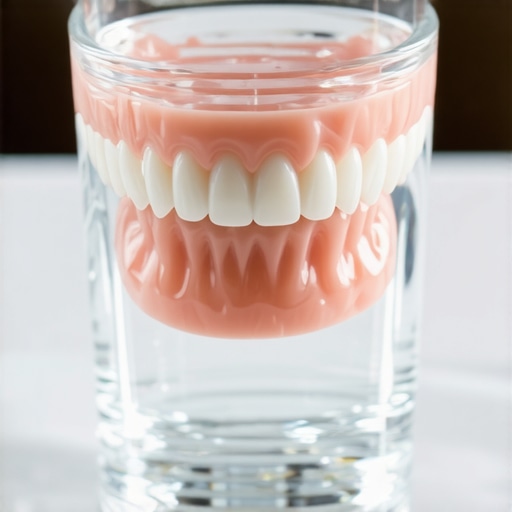
The Saltwater Rinse Secret for Instant Relief
When a sore spot does pop up, don’t reach for the numbing gels immediately. I found that a warm saltwater rinse three times a day is the most effective way to toughen up the tissue. It draws out the fluid from the swollen areas and acts as a natural disinfectant. I remember a specific Tuesday after a wedding where I had eaten way too many crunchy appetizers. My mouth was a wreck by the time the cake was served. Instead of panicking, I used the saltwater trick for two days while focusing on maintaining oral health through gentle gum massages. By Thursday, I was back to eating normally without that sharp, stinging sensation.
Wait Thirty Minutes Before You Scrub
If you enjoy a morning glass of orange juice or a fruit salad, you need to be careful with your timing. I learned that waiting thirty minutes to brush after eating fruit is vital for prosthetic wearers too. The acid temporarily softens your gums and can interact with the surface of the denture. Brushing immediately can cause micro-abrasions that lead to those stinging sore spots that make you want to throw your teeth out the window.
Watch Out for the Bone Shift
Sometimes the pain isn’t about your cleaning routine at all. Our jaws change shape over time, especially after significant weight changes. I was surprised to find out why your dentures do not fit as well after you lose weight. Even a five-pound difference can change the fat distribution in your mouth, making a once-perfect plate suddenly feel like a loose shoe that rubs your heel raw. If you feel a constant rocking motion, you likely need a professional reline. Ignoring this friction can lead to serious issues, and you should know how to tell if that bump on your gums is an abscess rather than a simple pressure sore. Maintaining this fit is part of long-term care, and regular dental cleanings can save you money by catching these fit issues before they require a total, expensive replacement of the prosthetic.
I see it all the time in the chair: patients who are genuinely trying their best, yet they are inadvertently destroying their oral health because they follow outdated advice. We need to talk about the ‘scrubbing fallacy.’ I used to be guilty of this too—thinking that the harder I brushed, the cleaner my teeth would be. It’s a dangerous myth. In reality, your teeth aren’t a kitchen floor that needs scouring; they are living tissue surrounded by a delicate gum line. When you apply too much pressure, you aren’t just removing plaque; you are literally peeling back your gums and wearing down your enamel. If you are struggling with sensitivity, it might not be a cavity—it might be your own hand. This is one of the most common oral health myths debunked in modern dentistry, yet the ‘harder is better’ mindset persists.
The Vanity Trap That Erodes Your Protection
Another major ‘oops’ factor I encounter involves the over-reliance on whitening toothpastes. Most people assume these products are a standard part of maintaining oral health, but many of them are highly abrasive. They work by using tiny particles to scratch away surface stains, but if used daily, they can thin your enamel to the point where the yellowish dentin underneath starts to show through—making your teeth look darker in the long run. I recommend switching to gentle teeth cleaning methods and professional treatments instead of relying on drugstore chemicals that act like sandpaper. 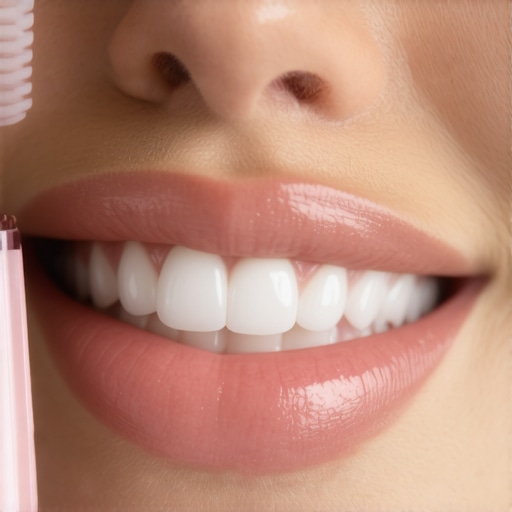
Can a cosmetic procedure actually save your natural teeth from wearing down?
This is where the nuance of cosmetic dentistry really shines. Most people think of veneers or bonding as purely aesthetic, but they can serve as a functional ‘shield.’ If you have significant enamel loss or structural weaknesses, techniques like contouring and veneers can actually stabilize your bite and prevent further degradation of your natural tooth structure. It’s about more than just a pretty smile; it’s about structural integrity. A study published in the Journal of Clinical Periodontology highlights that traumatic toothbrushing and improper maintenance are significant contributors to gingival recession, which is why a professional assessment is so vital. We also have to acknowledge that genetics play a role; why some people are more prone to cavities is often linked to the chemical makeup of their saliva, not just their flossing habits. If you feel like you are doing everything right but still getting bad news at the dentist, it is time to look at the chemistry and the mechanics of your routine. Have you ever fallen into the trap of thinking a harder brush was a better brush? Let me know in the comments below.
I used to think that a standard toothbrush and a bit of string were the peak of dental technology. I was wrong. If you are serious about maintaining the results of cosmetic dentistry or just keeping your natural teeth until you are ninety, you have to upgrade your arsenal. The most significant shift in my personal routine came when I stopped viewing flossing as a chore and started seeing it as a pressurized cleaning system. I personally switched to a high-end water flosser because, quite frankly, my hands aren’t as steady as they used to be, and reaching behind a bridge or under a partial denture with traditional floss feels like performing surgery with a thread. The data backs this up too; a study published in the Journal of Clinical Dentistry found that water flossing can be up to 50% more effective at reducing gingivitis compared to traditional string floss. I have seen the benefits of using a water flosser firsthand, especially for patients who have invested in expensive restorations that need to stay debris-free to survive.
The Gadgets That Actually Earn Their Keep
In my years of obsessing over maintaining oral health, I have tested dozens of products. Most are junk. However, I swear by two things: a sonic toothbrush with a pressure sensor and a stainless steel tongue scraper. The pressure sensor is vital because it protects you from the ‘scrubbing fallacy’ we discussed earlier. If you press too hard, the brush vibrates differently or lights up, forcing you to use gentle teeth cleaning techniques that save your gums. As for the tongue scraper, it is the only way to truly manage the sulfur-producing bacteria that live in the deep grooves of your tongue—a simple brush just moves the gunk around. This isn’t just about fresh breath; it is about reducing the total bacterial load in your mouth, which protects your family dentistry goals by preventing cross-contamination from your tongue to your gum line. 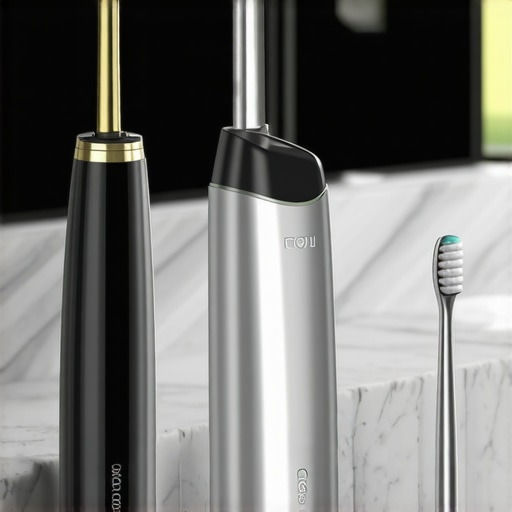
How do I keep my dental work looking new for a decade?
Maintenance is a marathon, not a sprint. The secret to long-term success is consistency and professional oversight. You cannot ‘DIY’ your way out of tartar buildup; you need regular teeth cleaning to remove the calcified deposits that your home tools simply cannot touch. I also predict that over the next few years, we are going to see a massive surge in smart-diagnostics—brushes that sync with your phone to show you exactly where you are missing plaque in real-time. This kind of data is the future of cosmetic dentistry innovations, turning your bathroom into a mini-clinic. If you want to keep those contouring and veneers looking flawless, you have to treat them like a luxury car—they need high-quality ‘fuel’ (diet) and regular ‘servicing’ (professional check-ups). My best advice? Try the ‘Double-Clean’ tonight: water floss first to loosen the debris, then brush with your sonic brush. You will be shocked at how much smoother your teeth feel. If you are ready to take the next step in your smile journey, feel free to contact us to set up a comprehensive evaluation.
The Unspoken Shifts That Finally Stopped the Pain
I used to think my mouth was just ‘broken’ because I developed sores while others seemed fine. I eventually realized that unique biological factors, such as why some people are more prone to cavities, also influence how our gums react to the pressure of prosthetics. Additionally, external triggers can change your fit in an instant; I was shocked to learn why your gums turn red when you start a new medication and how that can make your dentures feel like sandpaper overnight. The biggest lesson? Your mouth is a living, changing environment, not a static mold, and you have to adapt your care as your body evolves.
The Gear That Actually Saved My Palate
To keep things running smoothly, I rely on a few non-negotiables in my daily routine. First, the water flosser isn’t just for natural teeth; the benefits of using a water flosser include flushing out the microscopic debris that gets trapped in the ‘valleys’ of your upper plate, which a brush often misses. Second, I stopped trying to fix fit issues at home. I learned that how regular dental cleanings can save you money isn’t just a marketing slogan—it’s the difference between a simple professional reline and a total, expensive prosthetic replacement. Finally, I keep a digital bookmark on expert resources for maintaining oral health to ensure I’m not falling for outdated dental myths. #IMAGE_PLACEHOLDER_E#
Reclaim Your Right to Eat Without Fear
You don’t have to accept a life of soft foods and stinging gums. Transitioning to a comfortable life with dentures is about moving from a ‘reactive’ mindset—only fixing things when they hurt—to a ‘proactive’ one. By mastering your cleaning routine and respecting your tissue’s need for rest, you protect your long-term oral health and your confidence. If you’ve been struggling with a persistent sore spot that just won’t go away, don’t wait for it to become an infection; feel free to contact us so we can get your smile back on track. Have you ever had to skip a favorite meal because of a denture sore spot? Let me know in the comments below.