
I finally hit my goal weight last summer, but I didn’t expect my reward to be a mouthful of clicking plastic. I was at a backyard barbecue, mid-sentence, when I felt that dreaded slide. My dentures, which had been rock-solid for years, suddenly felt like they belonged to someone twice my size. I almost bit my tongue trying to keep them in place while pretending nothing was wrong. It is a bizarre feeling—celebrating a healthier body while your teeth decide to go rogue. [image_placeholder]
The Day My Smile Almost Fell Into My Salad
Most people think of dentures as these static, unchanging tools, but your mouth is incredibly dynamic. When I lost thirty pounds, I assumed my face would just look sharper. I did not realize that the soft tissues and even the fatty deposits in my gums would shrink along with my waistline. It turns out, why your dentures don’t stay put even with adhesive often comes down to the simple fact that the foundation has moved. I made the classic mistake of thinking I just needed a stronger glue. I spent weeks gooping up my palate, making a mess, and still dealing with that annoying denture clicking every time I spoke.
Will my dentures ever feel normal again?
The short answer is yes, but not by using more adhesive. According to the American College of Prosthodontists, even a weight loss of 10 to 15 pounds can significantly alter the fit of a prosthetic because the ridges of your jaw are padded with soft tissue that changes as your body mass fluctuates. When the ridge that your denture sits on changes shape, the vacuum seal is broken. It is not your fault, and it is certainly not a sign that you should stop your fitness journey. We are going to look at why this happens and how dental implants restore the shape of your entire face to prevent this sliding in the long run.
Why Fat Loss Does Not Stop at Your Waistline
Your jawbone is surrounded by a complex map of tissue. When you drop weight, your body pulls energy from fat stores everywhere—including the small pockets in your cheeks and around your gums. This shrinkage creates gaps between the hard acrylic of the denture and the soft tissue of your mouth. It is like trying to wear your old jeans without a belt; things are going to sag. If you wait too long to address it, you end up with painful sores. Have you noticed your teeth feeling too big or wobbly since you started your health journey?
Check the Gap Between Your Gums and Acrylic
The first thing you need to do is a tactile assessment. When you lost weight, you didn’t just lose it in your waist; you lost the fat deposits in your cheeks and the soft tissue padding that held your prosthetic in place. Think of your dentures like a high-performance tire on a car. If the rim—your jawbone—doesn’t match the tire size, you’re going to have a blowout. If you can slide a fingernail or a thin pick easily between the roof of your mouth and the denture while it is seated, your vacuum seal is gone. This lack of suction is exactly why your dentures don’t stay put even with adhesive. You aren’t just losing grip; you are losing the physical surface area needed for friction.
Stop Chasing the Perfect Glue
I spent nearly forty dollars on different brands of ultra-strength paste before I realized the problem wasn’t the glue, but the geometry. I remember one specific Tuesday—I was trying to eat a simple ham sandwich—and I had applied so much adhesive that it squeezed out the back and made me gag. It was a mess. The result? The dentures still slipped the moment I bit down. Instead of layering on more chemicals, you need a professional reline. This is where a dentist adds new acrylic to the underside of your existing denture to fill in the space your weight loss created.
Get a Soft Reline for Immediate Relief
If your gums are currently inflamed or tender, a hard reline might be too painful for your sensitive tissue. Ask for a soft reline first. This process uses a medicinal, rubber-like material that cushions the contact points between the hard plastic and your mouth. It acts like a shock absorber. This is crucial because why your new dentures are causing sores and how to fix it usually starts with reducing that constant shifting and rubbing. A soft reline typically lasts a few months, giving your jaw time to stabilize after your weight loss journey reaches a plateau. 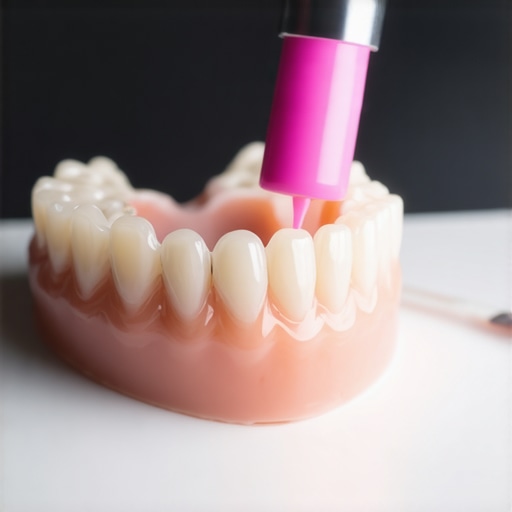
The Long-Term Fix That Stops Bone Loss
If you want to stop the shrinking face cycle entirely, you have to look at the foundation. Dentures sit on top of the bone, but they do not stimulate it. Without stimulation, the jawbone resorbs—essentially, it dissolves because the body thinks it is no longer needed. This is where how dental implants can prevent your jawbone from shrinking becomes the real game changer. By placing titanium posts into the jaw, you give the bone a reason to stay strong, regardless of how much body fat you lose. It locks the prosthetic in place so you can stop worrying about your teeth clicking while you speak.
Maintain the Tissue You Have Left
Even with a loose fit, you cannot neglect basic hygiene. In fact, when dentures are loose, they trap more food particles against your gums, which can lead to painful fungal infections. I found that switching to family dentistry tips that make oral care effortless and effective helped me build a routine that kept my gums healthy enough for my eventual adjustment. Clean your gums with a soft, damp cloth every night to stimulate blood flow. This keeps the remaining tissue firm and healthy.
Skip the DIY Repair Kits
Whatever you do, do not buy those at-home repair kits from the drugstore to thicken your denture base. I tried one once, thinking I was being savvy and saving money. The material cured unevenly, creating a sharp ridge that sliced my cheek within an hour. It was a disaster that required an emergency visit to rectify. Modern clinics now use how we use digital scanners to avoid messy dental molds, so getting a professional adjustment is faster and more precise than any store-bought kit could ever be. You deserve a fit that matches your new, healthier body.I used to think that a clean mouth meant a scrubbed mouth. Most of us are taught from a young age that more pressure equals less plaque, but that is a dangerous myth that costs people their smiles. In fact, why your gums recede faster if you use a hard-bristled brush is something I see daily in patients who are trying too hard. When you lose weight or age, your gum tissue becomes more delicate, and scrubbing acts like sandpaper on a silk sheet. If you are not using a soft-bristled brush, you are essentially accelerating the aging of your mouth and inviting sensitivity that did not exist before.
Why do my teeth look yellow even though I brush twice a day?
This is a question that reveals a common misunderstanding of dental anatomy. The reason your teeth look yellow even though you brush twice daily often isn’t about surface stains at all; it is about the thinning of your enamel. As the white outer layer wears down, the yellowish dentin underneath starts to show through. Brushing harder or using abrasive whitening pastes only makes the problem worse by stripping away more enamel. According to a study published in the Journal of the American Dental Association, the use of highly abrasive charcoal toothpastes can cause irreversible damage to the tooth structure without providing any real therapeutic benefit. 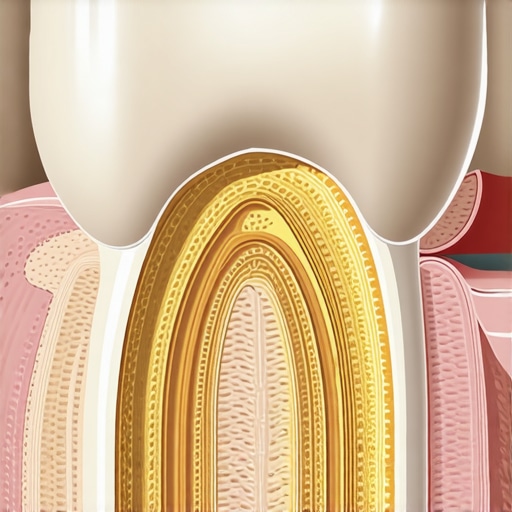
Avoid the Charcoal and Lemon Juice Trap
One of the biggest oops factors I see today is the DIY natural whitening trend. People are mixing lemon juice, which is highly acidic, with baking soda or charcoal, thinking they have hacked the system. In reality, you are creating an acid bath that dissolves your teeth. This is one of the most prevalent oral health myths debunked for the modern era. If you want a brighter smile, you have to protect the enamel you have, not sand it off. True maintaining oral health expert advice for a lifetime of healthy teeth involves chemical stabilization and gentle removal of biofilm, not physical abrasion that leaves your teeth vulnerable to decay.
The Hidden Connection Between Your Gums and Your Heart
We often treat the mouth like an island, separate from the rest of the body. However, advanced research shows that the inflammation in your gums can travel through your bloodstream, impacting your cardiovascular health. This is why oral health myths busted: what every family should know focuses so heavily on the why behind flossing. It is not just about getting the spinach out from between your teeth; it is about reducing systemic inflammation that affects your entire system. When you ignore bleeding gums because they don’t hurt, you are ignoring a low-grade infection that taxes your immune system every single day. Have you ever fallen into this trap of over-cleaning or using natural hacks that backfired? Let me know in the comments below, because sharing these stories helps the whole community avoid expensive mistakes.Maintaining a smile that has undergone significant changes—whether through weight loss, aging, or restorative work—requires moving past the ‘brush and pray’ method. I have found that the most critical tool in my personal arsenal is a high-frequency ultrasonic cleaner. If you wear any removable prosthetic or aligner, manual scrubbing with a brush often creates microscopic scratches that host bacteria. An ultrasonic bath uses cavitation to blast plaque out of the tiniest pores in the acrylic. This tech-first approach is the same logic behind how to clean your clear aligners without turning them yellow, as it prevents the staining that physical abrasion often accelerates. I personally use a 42,000Hz unit every night; it’s a small investment that preserves the clarity and hygiene of your dental work far better than any drugstore tablet ever could. 
How can I keep my dental work looking brand new for decades?
The secret to longevity isn’t just about the hardware; it’s about the environment of your mouth. For those with restorations, following how to maintain your porcelain veneers so they last twenty years involves a strict adherence to non-abrasive care. I highly recommend switching to a water flosser with a specialized ‘orthodontic’ or ‘periodontal’ tip. Research in the International Journal of Oral & Maxillofacial Implants (IJOMI) suggests that managing the biofilm at the junction where the prosthetic meets the gum line is the single biggest factor in preventing implant or bridge failure. If you are diligent, how regular dental cleanings can save you money in the long run becomes obvious because you are preventing the bone loss that leads to catastrophic failures.
Embrace the Future of Digital Smile Reconstruction
We are entering an era where your dental history is stored in the cloud. I predict that within the next few years, cosmetic dentistry innovations you cant miss this year will transition into full-scale 3D bio-printing. Instead of waiting weeks for a lab, we will see chairsides producing biocompatible grafts in minutes. This digital shift already helps us understand how dental implants prevent the sunken face look after tooth loss by allowing for more precise placement that mimics natural root tension. Even the way we learn is changing; the ultimate guide to teeth cleaning techniques and benefits is no longer a pamphlet, but a digital roadmap that adapts to your specific oral microbiome.
Scale Your Routine for Real Results
If you want to move from ‘surviving’ with your dental work to ‘thriving,’ you need to scale your routine. This means moving beyond the basic maintaining oral health expert advice for a lifetime of healthy teeth and focusing on recovery and stabilization. For instance, if you’ve recently had surgery, knowing how to manage the first 48 hours after getting a dental implant is the foundation for the next twenty years of success. We are seeing cosmetic dentistry trends that transform your smile this year move toward ‘pre-juvenation’—fixing small issues before they become structural disasters. This proactive stance is the core of oral health myths debunked: what you need to know in 2025. I encourage you to try one advanced tip today: replace your standard floss with a high-powered water flosser for one week and watch how much the inflammation in your gums recedes. You will never go back to the old way.
What I Learned When My Jawbone Started to Change
Losing weight is a massive victory, but I quickly realized that my mouth was part of the journey too. The biggest ‘lightbulb moment’ for me was realizing that the fit of my dentures wasn’t a static thing—it was a reflection of my overall health. I had to learn that preventive tips for long-lasting dental health for families aren’t just for kids; they are vital for adults whose facial structures are shifting. I also discovered that the clicking sound wasn’t just annoying—it was a signal from my body that my bone and tissue were no longer in sync with my prosthetic. Embracing cosmetic dentistry innovations you cant miss this year helped me realize that I didn’t have to settle for ‘good enough’ when it came to my smile.
[image_placeholder_final]
Tools That Keep My Smile in Place Every Day
To keep my oral health on track, I rely on a few specific tools that go beyond the basic toothbrush. I’ve switched to a water flosser to keep the area around my gums clean without irritation, which is one of the best family dentistry tips that make oral care effortless and effective. I also make sure to stay updated on cosmetic dentistry trends that transform your smile this year so I can ask my dentist the right questions during my checkups. Understanding how regular dental cleanings can save you money in the long run helped me prioritize professional relines over expensive, messy DIY adhesives. These tools aren’t just gadgets; they are my insurance policy for a confident smile.
You Deserve a Smile That Matches Your Health
You’ve put in the work to transform your body, and your teeth should reflect that same level of care. Don’t let the fear of a loose denture stop you from enjoying your new life. By following maintaining oral health expert advice for a lifetime of healthy teeth, you can ensure that your smile remains as vibrant as your energy levels. Whether you need a simple adjustment or a more permanent solution, take action today so you can speak and eat with total confidence. Have you noticed your dentures feeling loose after a fitness milestone or weight loss? Let me know in the comments below!