
I remember standing in front of my bathroom mirror, staring in utter confusion at a mouth I barely recognized. I had just started a new prescription for my blood pressure, and while I expected a few side effects like maybe some fatigue, I never thought my smile would be the one to pay the price. My gums looked like they had been through a battle—they were puffy, angry, and a shade of red that belonged on a stop sign. I immediately assumed I had failed at my teeth cleaning secrets and was destined for major dental work. It was a visceral moment of panic that sent me down a rabbit hole of research, wondering if I would ever get my healthy look back or if I would need cosmetic dentistry just to fix the damage. Today, I want to walk you through exactly why this happens and how we can fix it together without losing our minds.
My Body Reacted to My New Pill in the Most Unexpected Way
When I first saw that inflammation, my first instinct was to grab the hardest toothbrush I could find and scrub the life out of my teeth. Big mistake. I actually ended up learning why your gums throb after brushing too vigorously firsthand. The truth is, many common medications—including those for blood pressure, seizures, and even some immune suppressants—can trigger a response in your gingival tissue. Sometimes it is a condition called gingival hyperplasia, where the gum tissue actually starts to overgrow in response to the chemicals in your system. Other times, it is because the medication dries out your mouth, stripping away the saliva that usually protects you from bacteria. This dry mouth effect is more common than you would think. If you are feeling skeptical or worried about your health, you are not alone; I have been there, and I know how frustrating it is to solve one health problem only to create another. Have you noticed a change in your mouth since starting a new prescription? I would love to hear your story; drop a comment and let me know.
Should I Be Terrified of This Permanent Change?
It is easy to spiral into a what if loop when your health feels out of control. Many of my neighbors have asked if this redness means they have to stop their life-saving meds. According to the American Dental Association, more than 400 medications can lead to xerostomia, or dry mouth, which drastically increases the risk of gum inflammation and tooth decay because your natural cleaning system is offline. This does not mean you are doomed to lose your teeth. It just means we need to adjust our approach to maintaining oral health to compensate for what the pills are doing. We are going to look at the practical steps to calm that fire down and get your smile back to its healthy, pale-pink self, ensuring you stay on track with your doctor orders while keeping your dentist happy too.
Take Back Control of Your Inflamed Gums Today
When your mouth starts reacting to a new prescription, the first thing you need to do is stop the physical trauma. Think of your gums right now like a fresh sunburn; you wouldn’t scrub a sunburn with a coarse loofah, so you shouldn’t treat your gingival tissue with a stiff brush. I learned this the hard way when I tried to ‘clean’ my way out of the inflammation, only to make the bleeding worse. Transitioning to gentle teeth cleaning best practices for sensitive gums is the absolute baseline for recovery. You need to switch your mindset from scrubbing to massaging.
Choose Your Brushing Tools Like Your Smile Depends on It
The hardware you use makes all the difference. Most people default to a ‘medium’ bristle because they think it cleans better, but when you are dealing with medication-induced swelling, that is like using a wire brush on a silk shirt. You must learn how to choose the right toothbrush bristle strength for your gums to avoid further recession. I recall a specific Tuesday morning when my gums were so tender that even the vibration of my electric brush felt like a jackhammer. I swapped to a manual brush with tapered, ultra-soft bristles and focused on 45-degree angles toward the gum line. This shift alone stopped the ‘pink spit’ phenomenon within forty-eight hours. 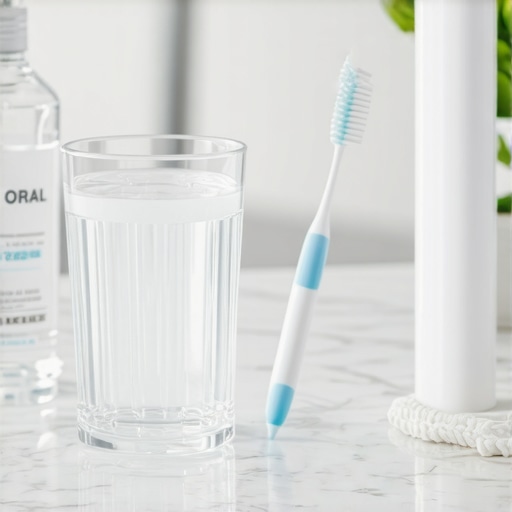
Rehydrate Your Mouth to Stop the Burning
If your medication is causing dry mouth, your saliva—which is essentially your mouth’s natural security guard—is off duty. Without it, acids from food sit on your teeth and irritate your gums. This often leads to a painful sensation, and you might wonder why your mouth feels like it is burning after using alcohol-based mouthwash. The answer is simple: alcohol is a desiccant. It dries you out even more. Switch to an alcohol-free, xylitol-based rinse that promotes moisture. I used to keep a small spray bottle of saliva substitute in my pocket during the first month of my new blood pressure meds, and it was a total game-changer for the irritation levels.
Incorporate a Water Flosser for High-Volume Debris Removal
Traditional floss can sometimes be too ‘saw-like’ for overgrown or puffy tissue. This is where the benefits of using a water flosser for patients with gum disease or medication-induced swelling really shine. The pulsating water flushes out bacteria from deep pockets that a string simply can’t reach, all without the friction that causes bleeding. When I first tried this, I was shocked at how much debris came loose even after I thought I’d brushed perfectly. It provides a deep clean that feels like a mini-spa treatment for your mouth rather than a chore.
Step Up Your Professional Defense Schedule
You cannot do this alone if the medication is staying in your system. While you might be used to seeing a dentist twice a year, you may need to increase that frequency temporarily. Understanding how regular teeth cleaning can prevent major dental issues is vital here because a professional can remove the hardened tartar that your soft brush simply can’t touch. In my case, my dentist suggested a cleaning every three months until my body adjusted to the new pills. This proactive approach kept my gingival hyperplasia under control and prevented me from needing more invasive cosmetic dentistry later on to fix the shape of my gum line. By staying ahead of the buildup, you ensure the medication doesn’t leave a permanent mark on your smile.It is a common misconception that if you are doing everything ‘right’ with your brush, your gums should stay perfect. In my experience, and as many dental professionals will tell you, mechanical cleaning is only half the battle when your internal chemistry is shifting. One of the biggest traps I see people fall into is trying to mask the dull, inflamed look of their smile with over-the-counter whitening products. This is a recipe for disaster. Using harsh peroxides when your tissue is already struggling with medication-induced sensitivity is like throwing gasoline on a campfire. You will likely find the reason your gums look receded after using whitening strips is that the chemicals have actually burned the already-vulnerable tissue. Instead of focusing on the ‘white,’ we need to focus on the ‘pink’—the health of the foundation itself.
Does your systemic health history dictate your success with cosmetic procedures?
Many patients assume that cosmetic dentistry is a ‘one-and-done’ solution regardless of their medical background. However, a study published in the Journal of Periodontology suggests that certain medications can significantly alter how our bodies heal after oral surgeries or even minor gum contouring. If you are on an immunosuppressant or a calcium channel blocker, your body’s inflammatory response is inherently different. This means that jumping into cosmetic dentistry trends without stabilizing your gum health first is a costly mistake. You’re building a house on shifting sand. 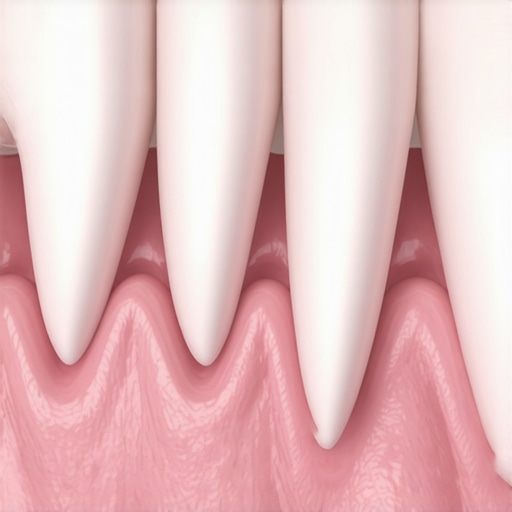 Another nuance that often gets lost in the conversation is that we shouldn’t just be looking at the patient in the chair, but the entire household’s habits. Family dentistry is about more than just checking for cavities; it’s about identifying shared environmental factors—like a high-acid diet or mouth-breathing habits—that exacerbate the side effects of your medication. I’ve seen families spend thousands on repairs because they ignored oral health myths debunked in favor of ‘quick fixes.’ Remember, how regular dental cleanings can save you money in the long run is a fundamental truth, especially when you are managing chronic health conditions. Have you ever fallen into the trap of trying to whiten away a health problem? Let me know in the comments.Instead of chasing the bright white, I started chasing ‘stable and healthy.’ My personal kit shifted from abrasive pastes to tools that prioritized the gum-to-tooth junction. I eventually landed on the Philips Sonicare series with a pressure sensor—it vibrates differently if I press too hard, which is the ultimate safeguard when your gums are fragile. For those of us navigating family dentistry tips that make oral care effortless and effective, this isn’t just about us; it’s about setting a standard for the kids too. I also discovered that learning how to keep your toothbrush clean when you travel is actually a massive factor in preventing secondary infections when your immune response is already taxed by medication.
The Gear That Saved My Sanity
If you are struggling with puffy gums, stop using manual brushes with ‘firm’ bristles immediately. I switched to the GUM Post-Operation toothbrush for the first two weeks of my flare-up, which has bristles as soft as a cloud. Once the bleeding subsided, I moved to a high-end electric model. The real MVP in my routine, however, was the Waterpik Aquarius. Using the benefits of using a water flosser for patients with gum disease as my guide, I found that warm water mixed with a tiny splash of salt helped soothe the inflammation better than any expensive chemical rinse. 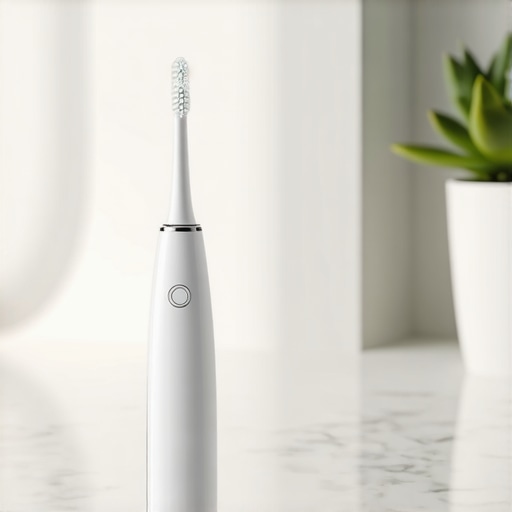
How do I maintain my gum health while staying on my meds?
The key is consistency over intensity. You cannot ‘catch up’ on oral health on Sunday if you ignored it all week. I follow the 2-2-2 rule: brush for 2 minutes, 2 times a day, and see the dentist 2 extra times a year if I am on a high-risk medication. According to a 2023 review in the Journal of Clinical Periodontology, interdental cleaning is the primary defense against the subgingival biofilm that medication-induced dry mouth tends to exacerbate. By focusing on maintaining oral health through daily interdental cleaning, you prevent the bacteria from ever reaching the ‘angry’ stage. This proactive habit is exactly how regular teeth cleaning can prevent major dental issues before they require surgery.
Smart Brushes and the Future of Personalized Care
Looking ahead, I predict we are going to see a massive shift toward bio-integrated dental tools. We are already seeing cosmetic dentistry innovations you can’t miss this year that focus on gum health as much as tooth color. Soon, your toothbrush will likely have sensors that can detect the specific enzymes in your saliva that indicate a medication side effect is beginning, allowing you to adjust your routine before the swelling even starts. This level of data will make preventive tips for long-lasting dental health for families even more personalized. For now, my biggest piece of advice is to be your own advocate. If you feel a change, don’t wait for your six-month checkup. Try switching to an alcohol-free, xylitol-rich mouthwash tonight; the relief from the burning sensation alone will convince you that small changes lead to the biggest wins.
The Three Oral Health Realities I Learned the Hard Way
Reflecting on my journey through medication-induced inflammation, I’ve realized that more isn’t always better. I used to think that scrubbing harder would solve the redness, but I quickly learned that gentle teeth cleaning best practices for sensitive gums are much more effective than force. Another lightbulb moment was realizing that my mouth wasn’t just ‘dry’—it was defenseless. I had to stop looking at oral health myths debunked and actually look at the chemistry of my saliva. Finally, I learned that dental work isn’t a failure of character; it’s a physiological response that requires a team effort with your provider.
The Toolkit I Trust for Medication-Induced Sensitivity
If you’re feeling overwhelmed, start with these three pillars that transformed my daily comfort. First, an electric toothbrush with a pressure sensor is non-negotiable; it protects you from yourself. Second, I cannot recommend a high-quality water flosser enough. It is one of the best preventive tips for long-lasting dental health for families because it removes debris without the friction of string. Lastly, I keep a bottle of alcohol-free, xylitol-based rinse nearby at all times to combat the lack of natural saliva. These tools are the frontline defense for maintaining oral health when your internal chemistry is out of balance. #IMAGE_PLACEHOLDER_E#
Your Path to a Stable and Pain-Free Smile
You don’t have to choose between your systemic health and your smile. It might feel like an uphill battle right now, but with the right adjustments, that inflammation will settle. Remember, how regular dental cleanings can save you money in the long run is especially true for those of us on long-term prescriptions. Be patient with your body and stay proactive with your dental team. You have got this, and your smile will thank you for the extra care. Have you noticed your mouth feeling different after a change in your health routine or a new prescription? I would love to hear how you are managing it in the comments below.