
I’ll never forget my first backyard BBQ after getting my new set. I sat there, staring at a perfectly grilled burger, and realized I couldn’t even take a bite without a sharp, stabbing pain shooting through my lower jaw. It wasn’t just uncomfortable; it felt like I had a piece of jagged glass tucked under my lip. If you’re currently hiding in the bathroom to pull your teeth out for five minutes of relief, I’ve been exactly where you are. We’re going to stop that cycle of pain today, and I’m going to share the secrets I wish someone had told me before I spent three weeks living on lukewarm soup.
[image_placeholder]
Stop Treating Your Gums Like They’re Invincible
My gums were red, raw, and angry. The biggest mistake I made early on—and it’s a doozy—was thinking I could just tough it out until my mouth calloused over. Spoiler alert: gums don’t work like that. In my desperation, I actually considered using a file from my garage on a high spot I thought I identified. Whatever you do, you should never use superglue to fix a broken denture or try to DIY a professional adjustment. You will likely ruin an expensive piece of medical equipment and end up with even worse ulcerations. The reality is that your mouth is a living, changing environment. If you’ve noticed that your dentures do not fit as well after you lose weight, it is because the contours of your ridges have shifted, leaving gaps where friction can run wild. According to the American Dental Association, even a microscopic misalignment can cause significant tissue inflammation because the human jaw exerts incredible pressure during mastication.
Are these things actually worth the struggle?
You might be sitting there wondering if you’re just destined to be uncomfortable for the rest of your life. I remember asking my dentist if I’d ever enjoy a steak again or if I was doomed to a life of mashed potatoes. The skepticism is real, especially when your new dentures are causing sores despite being brand new. But here is the truth: once we master the trick to eating with new dentures without them slipping, the irritation usually vanishes. Have you ever felt like your dental appliance was actively trying to pick a fight with your gums? Drop a comment or reach out because I’d love to hear your story. If the discomfort persists, exploring how dental implants can stop your face from looking older might be the long-term stability solution you actually need. Let’s break down exactly why those red spots keep popping up and how we can finally calm them down for good.
Rinse Away the Fire with a Simple Salt Solution
When your mouth feels like it has been through a blender, the most effective tool in your arsenal is probably sitting in your kitchen pantry. Saltwater is like a fire extinguisher for oral inflammation. It draws out the fluid that causes swelling, which is usually the primary source of that throbbing pain. I remember a Tuesday night before a big family wedding where I could barely speak because of a raw spot on my upper ridge. I spent twenty minutes doing warm saltwater rinses every hour, and by morning, the ‘fire’ had subsided enough for me to enjoy the day. To do this right, dissolve half a teaspoon of salt in a glass of warm water. Swish gently—don’t go at it like you’re trying to power-wash your mouth—and let it sit over the affected area. 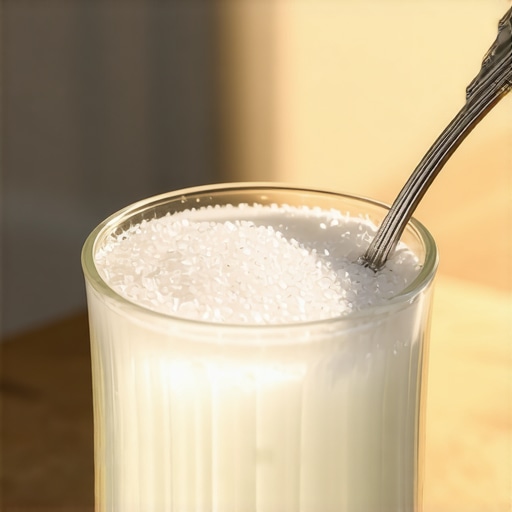
The 30-Second Habit That Saves Your Gums
Beyond the rinse, you have to give your mouth air. Imagine wearing a heavy winter coat 24/7, even while you sleep; your skin would eventually get irritated and break down. Your gums are the same. They need time to breathe and recover from the constant pressure of your appliance. Taking your dentures out for at least six to eight hours a day is non-negotiable. While they are out, you should practice gentle teeth cleaning best practices for sensitive gums by using a soft cloth or a very soft brush to massage your ridges. This stimulates blood flow, which is the literal fuel for the healing process. If you don’t stimulate the tissue, it becomes thin and more prone to the very sores you’re trying to avoid.
Clean Your Teeth Without Scouring Your Gums
One of the biggest mistakes people make is using abrasive toothpaste on their dentures. Think of your dentures like the finish on a high-end car; if you use a scrub brush and harsh soap, you’re going to leave microscopic scratches. These scratches are like tiny hotels for bacteria, which then transfer back to your gums and cause infections. I learned this the hard way when I tried to ‘deep clean’ my set with a standard whitening paste and ended up with a fungal infection that felt like my mouth was on fire. Instead, you should learn how to clean a nightguard without using harsh chemicals and apply those same principles to your dentures. Use a non-abrasive cleanser and a brush specifically designed for prosthetics.
The Secret to Long-Term Gum Resilience
If you find that the same spots keep getting sore, it’s often a sign that your cleaning routine isn’t removing the ‘grit’ that accumulates throughout the day. Following the ultimate guide to teeth cleaning techniques and benefits will help you understand that even ‘false’ teeth require a specific cadence of care. For families looking to stay ahead of these issues, implementing top 5 secrets to maintaining perfect oral health as a family can ensure that everyone, from kids to grandparents, understands the importance of tissue health. If home care isn’t providing the relief you need, it might be time to look into cosmetic dentistry innovations you can’t miss this year, as modern materials and better-fitting designs are significantly more ‘gum-friendly’ than the technology of even a decade ago.It’s easy to assume that if your teeth are blindingly white, you’ve won the dental lottery. But I’ve seen people with ‘perfect’ smiles whose gums were retreating like they were scared of their own teeth. A common trap is thinking that more pressure equals a better clean. Everyone says to scrub away the stains, but in my experience, a gentle touch is the only thing that preserves your enamel. When you over-brush, you’re actually wearing down the white outer layer, which leads to the reason your teeth look yellow even though you brush twice daily—you’re literally seeing the dentin underneath. This is one of those oral health myths debunked that most people don’t realize until the sensitivity becomes unbearable. Have you ever fallen into this trap of thinking harder is better? Let me know in the comments.
The Friction Trap and the Danger of Abrasive Pastes
Many patients think they can just ‘bleach’ their way out of a dull smile. However, if your enamel is already thin, traditional whitening can be a nightmare. You need to understand the science behind teeth whitening to realize that oxygenation is what works, not scouring the surface like a kitchen sink. When you use charcoal or whitening pastes that feel ‘gritty,’ you are essentially sanding down your teeth. Researchers at the American Academy of Cosmetic Dentistry (AACD) have noted that over-restoration or improper whitening can compromise the structural integrity of the tooth, leading to micro-cracks. Instead of reaching for the strongest chemicals, focusing on maintaining oral health expert advice for a lifetime of healthy teeth will serve you much better than a quick fix. 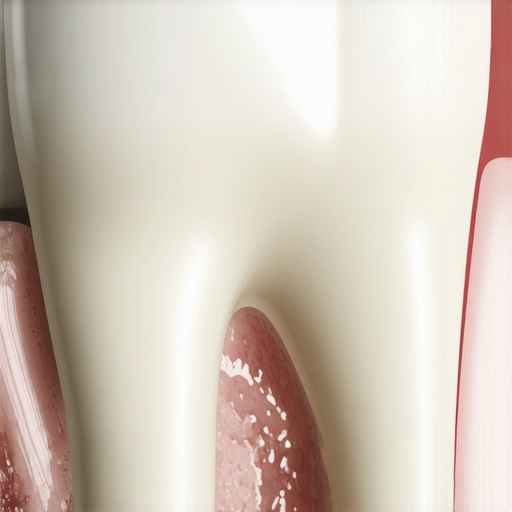
Why does my bite feel ‘off’ even when the X-rays look perfect?
This is the ultimate ‘oops’ factor in modern dentistry. You might have a new crown or filling that looks flawless on film, but your jaw is screaming otherwise. If you’ve ever wondered how to tell if your crown is too high for your bite, the answer often lies in the proprioception of your jaw—that ‘sixth sense’ your mouth has for where teeth meet. A restoration just a fraction of a millimeter too high can cause a domino effect of inflammation and even migraine-like symptoms. We are seeing cosmetic dentistry innovations you can’t miss this year that use digital mapping to prevent these issues, but the human element is still key.
Stop Ignoring the Warning Signs in Your Family Routine
It isn’t just about the adults, either. Many parents think baby teeth don’t matter because they eventually fall out, but that is a dangerous misunderstanding. According to pediatric dental experts, the health of primary teeth dictates the alignment of permanent ones. Staying ahead of these oral health myths busted what every family should know can save thousands in orthodontic costs later. If you’re feeling like you’ve been doing everything ‘right’ but still face discomfort, it’s time to stop the DIY solutions and look at the functional harmony of your smile. Have you ever had a dentist find something you completely missed? I’d love to hear about it below.I used to think that a standard toothbrush and a bit of floss were enough to keep a smile together, but I quickly learned that complexity requires better gear. When you have restorations or sensitive areas, you need tools that offer precision rather than just blunt force. For me, the game-changer was switching to a high-end water flosser with pulse-modulation technology. Unlike traditional string that can feel like you are sawing into your own bone, looking at the benefits of using a water flosser for patients with gum disease reveals how much more effective it is at flushing out the pockets where bacteria hide. I personally rely on a unit with at least ten pressure settings because my gums are finicky—some days they can handle a power wash, and others they need a gentle mist.
The High Tech Toolkit That Saved My Sanity
If you are serious about avoiding the chair, you have to invest in an ultrasonic cleaner for any removable appliances. I stopped using the fizzy tablets alone after reading a technical report from the CR Foundation (formerly Clinical Research Associates), which highlighted how ultrasonic vibrations at 42,000Hz can dislodge microscopic debris that chemicals simply cannot touch. It is the same principle behind professional how regular teeth cleaning can prevent major dental issues; you are removing the biofilm before it can calcify. For the rest of the family, especially the little ones, we have integrated family dentistry building a foundation of healthy smiles for all ages by using smart toothbrushes that sync to an app. It sounds like overkill, but seeing a heat map of where you missed brushing makes it a game rather than a chore. 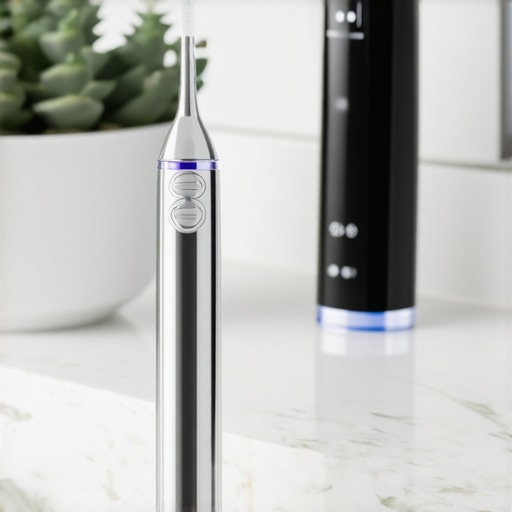
How do I maintain my dental work for the long haul?
Longevity is not about luck; it is about the consistency of your mechanical routine. You have to treat your mouth like a fine-tuned engine. This means understanding teeth cleaning secrets achieve a bright smile in under 30 minutes which often involve specialized interdental brushes that reach the nooks between crowns and bridges. I also recommend a tongue scraper—not the plastic ones, but a surgical-grade stainless steel version. It removes the sulfur-producing bacteria that cause bad breath and can contribute to gum inflammation. When you pair these tools with maintaining oral health expert advice for a lifetime of healthy teeth, you stop reacting to problems and start preventing them.
What the Next Decade of Dentistry Looks Like
I predict we are moving toward a world where your bathroom mirror will be a diagnostic tool. We are already seeing cosmetic dentistry trends that transform your smile this year involving AI-driven imaging that can spot early enamel demineralization through a simple smartphone photo. In the future, your toothbrush might even analyze your saliva’s pH in real-time to tell you if that morning coffee is doing permanent damage. This kind of data-driven care is going to make the ‘guesswork’ of dental hygiene a thing of the past. If you want to get ahead of the curve, my advanced tip for you today is to start using a remineralizing paste with hydroxyapatite instead of just standard fluoride. It’s the same material your teeth are actually made of, and it helps ‘fill in’ those microscopic scratches before they turn into cavities. Give it a try for thirty days and tell me your sensitivity doesn’t vanish.
What I Learned While Living on Lukewarm Soup
Reflecting on my journey from that painful backyard BBQ to a place of comfort, I’ve realized that the biggest hurdle wasn’t the hardware—it was my own expectations. First, I had to accept that gentle is effective. We often think that a healthy smile requires aggressive action, but the truth is that tissue recovery happens in the quiet moments when the appliance is out and the blood flow is restored. Second, I learned that the best defense against irritation is proactive mapping; noticing how the trick to eating with new dentures without them slipping actually saves you from days of soreness is a massive lightbulb moment. Finally, never underestimate the power of the ‘biological rest’—giving your ridges that 8-hour break is the single most important factor in long-term success.
Tools That Actually Earned Their Keep
I’ve spent a small fortune on gadgets, but only a few made it into my daily rotation. If you are serious about your health, I highly recommend investing in a surgical-grade stainless steel tongue scraper. It’s vastly superior to plastic ones for removing the biofilm that contributes to gum inflammation. I also swear by ultrasonic cleaners; using high-frequency vibrations ensures you aren’t creating the microscopic scratches that lead to oral health myths debunked about ‘permanent’ stains.
[image_placeholder]
Lastly, finding a remineralizing paste that focuses on building up the foundation of your smile rather than just bleaching the surface is essential for anyone dealing with sensitivity.
Reclaiming Your Favorite Meals and Your Confidence
The road to a pain-free life isn’t always linear, but it is incredibly rewarding. Whether you are navigating the early days of a new prosthetic or you are simply looking for maintaining oral health expert advice for a lifetime of healthy teeth, remember that you are the primary steward of your smile. By combining modern family dentistry building a foundation of healthy smiles for all ages with these personal care habits, you can stop fearing the next meal and start enjoying the connection that a healthy mouth provides. Don’t be afraid to take it one day at a time—the comfort you’re looking for is closer than you think. Have you ever struggled with a specific sore spot that just wouldn’t go away? Let me know below so we can troubleshoot together!