
I still remember the first dinner party I attended after getting my new dentures. I felt like a million bucks—right up until the first bite of a crusty baguette. One crunch and my bottom teeth performed a literal backflip in my mouth. It was embarrassing, uncomfortable, and I nearly retreated to a diet of lukewarm soup forever. If you’ve been wondering why your dentures don’t stay put even with adhesive, I’ve been exactly where you are. Today, I’m going to share the real-world tricks I used to stop the slip and start enjoying my favorite meals again. We’re moving past the ‘learning curve’ and getting straight to the solutions.
Is a slip-free meal actually possible or just wishful thinking?
It sounds like a tall order, doesn’t it? When you’re dealing with new prosthetics, the fear of a public mishap is paralyzing. You might worry that you’ll never enjoy a steak or a crisp salad again. But here is the truth: it’s not just about the quality of the dentures; it’s about your technique. Early on, I made the mistake of trying to chew exactly like I did with my natural teeth. I bit down hard with my front teeth and tried to chew on just one side. That’s a recipe for disaster. If you want to avoid why your new dentures are causing sores and how to fix it, you have to change your strategy.
Balance the Load to Keep Your Smile Level
The biggest secret I ever learned—and it’s a total game-changer—is the two-sided chew. Most of us naturally favor one side of our mouth, but with dentures, that uneven pressure causes the opposite side to tip up and break the seal. You have to place small bites of food on both sides of your back teeth and chew at the same time. It feels weird at first, like trying to pat your head and rub your stomach, but it keeps the denture stabilized. According to the American Dental Association, this balanced approach is vital because it prevents the ‘seesaw’ motion that dislodges the base. While you’re practicing this, check out the best foods to eat to build your confidence. Have you ever had your teeth try to escape during a holiday dinner? It’s a unique kind of stress, isn’t it? Let me know in the comments if you’ve struggled with the ‘seesaw’ effect too.
Stop Thinking More Glue Equals More Security
I remember my first Thanksgiving with dentures. I was so terrified of them falling into the gravy that I practically used half a tube of adhesive. It was a complete disaster. By the time I took my first sip of wine, the excess cream had started oozing out from the edges, making me look like I was foaming at the mouth. Not exactly the ‘million bucks’ look I was going for. More importantly, the thick layer of goo actually made the dentures sit higher in my mouth, preventing a natural seal. You need small, pea-sized dots—usually just three on the top and three on the bottom. Think of it like a gasket on an engine; it only needs a thin, precise seal to hold the pressure. If you find yourself needing more, you should check why your dentures don’t stay put even with adhesive because it might be a fit issue rather than a lack of glue. 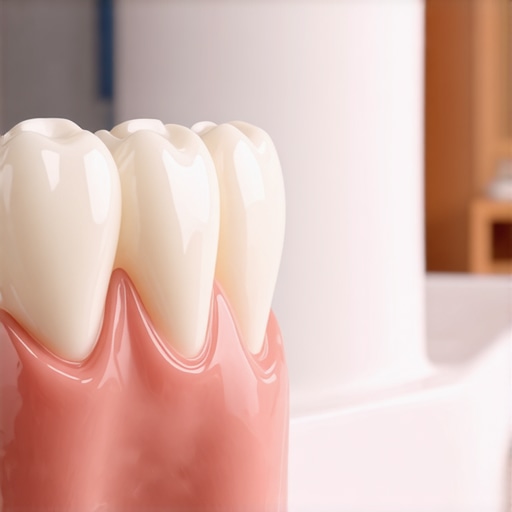
Train Your Tongue to Work for You
Your tongue is naturally curious, and it will want to ‘explore’ the new boundaries of your prosthetic. Early on, my tongue kept trying to push the lower plate up while I was talking or laughing. You have to retrain it to be a stabilizer. When you aren’t eating, practice resting your tongue gently against the back of your lower front teeth. This acts like a kickstand, keeping the denture pressed down securely. It is a subtle shift in muscle memory that takes a few weeks to master, but once it clicks, you’ll feel much more secure during mid-sentence laughs or deep conversations. This internal bracing is just as important as any external product you might buy.
Keep the Surface Clean to Maintain Suction
Suction is a game of physics. If there is a thin film of plaque or old adhesive on the underside of your denture, you’ll never get that tight vacuum seal. I learned this the hard way after a weekend camping trip where I got lazy with my routine. On Monday, my dentures were sliding around like they were on ice. I realized that maintaining oral health expert advice for a lifetime of healthy teeth applies just as much to prosthetics as it does to natural teeth. You need to brush your gums and the denture itself every single night. Using gentle teeth cleaning best practices for sensitive gums helps prevent the inflammation that can make your dentures feel tight or uncomfortable the next morning.
Why You Should Avoid the Hard Scrub
Don’t reach for the stiff-bristled brush you’d use on a grout line. Denture acrylic is softer than natural enamel. If you create microscopic scratches in the material, you’re essentially creating tiny ‘potholes’ where bacteria and stains can hide. This is how regular teeth cleaning can prevent major dental issues even when you don’t have a single ‘real’ tooth left. Keeping the surface smooth ensures the adhesive spreads evenly and the suction remains consistent over time. A smooth surface glides against your gums rather than irritating them, which is the key to all-day comfort.Many people assume that once they transition to dentures, the ‘dental health’ chapter of their life is closed. They think they can skip the checkups because there are no more cavities to worry about. However, the biggest mistake is forgetting that your gums and jawbone are living, breathing tissues that react to every change in your body. I’ve seen so many people focus solely on the plastic teeth while ignoring the biological foundation. If you want to keep that youthful structure, you have to understand how dental implants prevent the sunken face look after tooth loss by providing the stimulation your bone needs to stay dense.
Stop Treating Your Gums Like a Static Shelf
A common belief is that if the denture feels loose, the denture itself is warped. In reality, it is usually your jaw that has changed. According to research published in the Journal of Prosthetic Dentistry, the jawbone can lose up to 25% of its width within the first year after tooth loss. This ‘resorption’ is why that once-perfect fit starts to wobble. This is why maintaining oral health expert advice for a lifetime of healthy teeth is still relevant for you. You need to keep the blood flow in your gums active with gentle massages using a soft cloth, which keeps the tissue resilient against the constant pressure of the prosthetic. 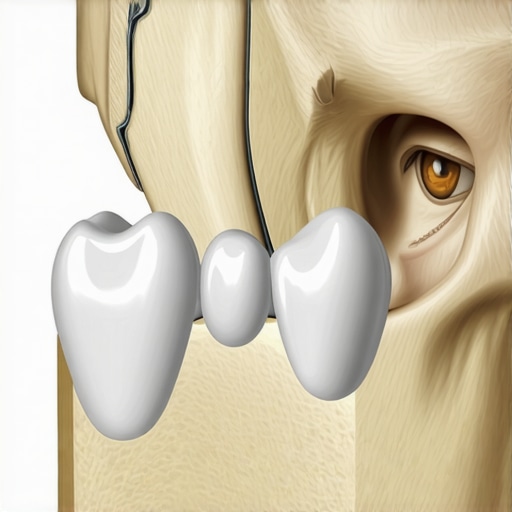
The DIY Repair Trap
Here is the ‘oops’ factor that breaks my heart every time: the home repair. When a denture cracks or a tooth pops off, the temptation to reach for a household adhesive is high. Please, why you should never use superglue to fix a broken denture isn’t just about the bad taste—it’s about the chemicals and the fact that if you set it even a fraction of a millimeter off, you will create permanent sore spots and bone damage. If you try to ‘sand down’ a rough spot yourself, you’re likely to ruin the suction balance entirely. This leads to a cycle of discomfort that how regular teeth cleaning can prevent major dental issues would have helped you avoid by catching small fit changes early.
Why Do My Dentures Feel Loose After a Diet?
It sounds strange, but weight loss is one of the most overlooked reasons for a shifting smile. Your gums have a thin layer of fatty tissue; when you lose significant weight, that padding thins out, creating gaps between your gums and the denture base. If you’ve been on a fitness journey lately, you should look into why your dentures do not fit as well after you lose weight to see if a simple reline can solve your stability issues. Have you ever fallen into this trap of trying to ‘tough out’ a bad fit or fixing it yourself? Let me know in the comments.I used to think that a stiff toothbrush and some drugstore paste were all I needed to keep my dentures in top shape. I was wrong. If you want your prosthetics to last and your gums to stay healthy, you have to upgrade your toolkit. I eventually invested in a professional-grade ultrasonic cleaner, and it changed everything. Unlike manual scrubbing, which can create microscopic abrasions, ultrasonic cleaners use high-frequency sound waves to create cavitation bubbles. These bubbles implode against the denture surface, stripping away biofilm and tartar from the tiniest crevices that a bristle could never reach. According to a study published in the Journal of Oral Rehabilitation, combining ultrasonic cleaning with a mild disinfectant is significantly more effective at reducing Candida albicans colonies than brushing alone. This is the same logic we use when learning how to clean a nightguard without using harsh chemicals; it is about preserving the integrity of the material while achieving a deep, clinical clean. 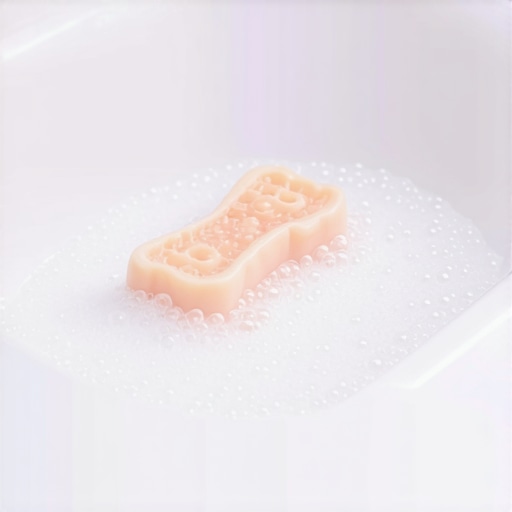
Professional Relines Are the Maintenance Your Mouth Deserves
Even with the best cleaning routine, the physical landscape of your mouth is constantly shifting. I’ve learned that a ‘hard reline’ every two years is non-negotiable. This isn’t just a comfort thing; it’s about structural support. When your denture doesn’t fit perfectly, it puts uneven pressure on the jawbone, accelerating the very bone loss we are trying to avoid. Think of it as the ‘oil change’ for your smile. If you are also managing natural teeth alongside a partial, you know that how regular dental cleanings can save you money in the long run applies here too. Catching a slight wobble now prevents a full fracture later. I also recommend using a water flosser for your remaining teeth and gums; the benefits of using a water flosser for patients with gum disease are huge when you’re trying to keep the foundation of your partials rock-solid.
How do I keep my dentures looking brand new for years?
The secret isn’t just cleaning; it’s hydration. Denture acrylic is designed to live in a moist environment. If you leave them on the nightstand to dry out, the material can warp, leading to that dreaded ‘tight’ feeling the next morning. I always soak mine in a pH-balanced solution overnight. This routine is very similar to how to maintain your porcelain veneers so they last twenty years—consistency and the right environment are key. By keeping the material hydrated, you maintain the flexibility and suction that kept them in place on day one.
The Future of Your Smile is 3D Printed
Looking ahead, the way we handle denture maintenance is about to get a lot more high-tech. We are already seeing a shift toward CAD/CAM (Computer-Aided Design and Manufacturing) where your ‘perfect fit’ is stored as a digital file. In the near future, if you lose or break your denture, you won’t need new impressions; your dentist will simply print a replacement from the existing file. This is part of the broader cosmetic dentistry innovations you cant miss this year. Digital workflows mean fewer appointments and a much higher level of precision. Whether you are looking for family dentistry tips that make oral care effortless and effective or you’re managing full prosthetics, the goal is always the same: less time in the chair and more time enjoying your life. I highly encourage you to try the ‘overnight soak plus ultrasonic’ combo this week—it’s the single best thing I ever did for my oral comfort.
Hard-Won Truths About Life with Dentures
Looking back, I realize that the mental shift was just as important as the physical one. First, I learned that your gums aren’t static; they need stimulation and care just like any other part of your body. Second, I discovered that ‘perfect suction’ is a partnership between the prosthetic and your own muscle memory—it isn’t just something that happens automatically. Finally, the biggest ‘lightbulb moment’ was realizing that family dentistry tips that make oral care effortless and effective still apply to me, even if my teeth are removable. Consistency is the only way to avoid the soreness that comes from a neglected routine.
#IMAGE_PLACEHOLDER_E#
My Toolkit for an Unshakable Smile
If you want to move past the ‘survival’ phase and into true comfort, you need the right gear. I swear by my ultrasonic cleaner—it removes the biofilm that manual brushing misses. I also recommend a high-quality, pH-balanced soaking solution to prevent the acrylic from warping. For daily comfort, I use a super-soft brush to keep my gums healthy, following gentle teeth cleaning best practices for sensitive gums. This combination ensures that the denture stays clean and the tissue underneath remains resilient. These tools aren’t luxuries; they are the foundation of maintaining oral health expert advice for a lifetime of healthy teeth.
Why Your Next Meal Should Be One of Celebration
Transitioning to dentures can feel like a loss, but it’s actually the start of a new, functional chapter. With the right technique and a bit of patience, you’ll find that the fear of the ‘baguette incident’ fades away. We are living in an era where cosmetic dentistry innovations you cant miss this year make it easier than ever to have a smile that feels as good as it looks. Don’t be afraid to take that first big bite—you’ve done the work, and your smile is ready. Which part of your daily routine do you find most challenging when it comes to keeping your dentures secure? Let me know below.