
I remember walking out of my dentist’s office last November, my teeth gleaming like a Hollywood star, only to be humbled by a lukewarm latte. One sip and—*zap*—a lightning bolt of pain shot through my jaw. I’d just paid for a professional session, so why did my mouth feel like it was staging a revolt? I spent the rest of the afternoon breathing through my nose because even the autumn air felt like ice against my gums. If you’ve ever felt that sharp, metallic twinge after a scaling, you aren’t alone, and you definitely haven’t ruined your smile. We are going to dive into why this happens and how you can actually enjoy your next meal without fear of the ‘zinger.’
Your Teeth Aren’t Breaking, They’re Just Adjusting
For years, I made the mistake of thinking my hygienist was being too aggressive with the scaler. I’d sit in the chair, knuckles white, convinced they were scraping away my actual enamel. In reality, that buildup of tartar—what we call calculus—acts like a heavy, insulating sweater for your teeth. When it’s finally removed during professional teeth cleaning, the roots and nerves that were hidden are suddenly exposed to the world. It’s a literal shock to the system. I once tried to ‘tough it out’ by drinking a slushie right after an appointment, which was a massive mistake that left me clutching my face in the parking lot. This sensitivity is often a sign that the regular teeth cleaning did exactly what it was supposed to do: it removed the debris that was irritating your gums and masking potential issues. Knowing how to soothe your gums after a cleaning can make those first 48 hours much more bearable.
Is this temporary discomfort actually worth the payoff?
You might be wondering if it’s better to just skip the office visit altogether to avoid the post-chair ache. I get it; nobody likes feeling like their mouth is a construction zone. However, the American Dental Association notes that post-scaling sensitivity is a natural part of the healing process as inflammation subsides. If you choose to leave that tartar in place, you’re basically inviting gum disease to move in permanently. In my early twenties, I skipped two years of visits because I hated the ‘clean’ feeling, only to end up needing much more intensive care later. Have you ever felt like your teeth were ‘naked’ or weirdly smooth after a visit, only to have them ache an hour later? I’d love to hear your ‘naked teeth’ stories in the comments—misery loves company, after all. Before we get into the survival steps, remember that gentle teeth cleaning practices exist specifically for those of us with finicky nerves. Stick with me, and I’ll show you exactly how to navigate the next few days.
Stop the Zapping in the First 24 Hours
The goal is to shield those newly exposed surfaces from the environment. Think of your teeth like a hand that just had a thick winter glove removed; it’s going to be sensitive to the slightest breeze. I used to think a quick rinse with cold water would ‘toughen up’ my gums, but that’s one of those oral health myths debunked the hard way. Instead, stick to lukewarm water for everything from drinking to rinsing.
Swap Your Toothpaste for a Specialized Barrier
If you are prone to that ‘thrumming’ feeling, you need a desensitizing toothpaste. These aren’t just marketing gimmicks; they contain compounds like potassium nitrate that actually block the pathways to your nerves. Last year, after a particularly deep scaling, I applied a pea-sized amount of sensitive paste directly to my canine teeth—the ones that usually scream at me—and let it sit for two minutes before brushing. It felt a bit like applying a topical numbing cream, and it made my dinner much more enjoyable. Knowing how to soothe your gums after a professional deep cleaning starts with these small, localized treatments.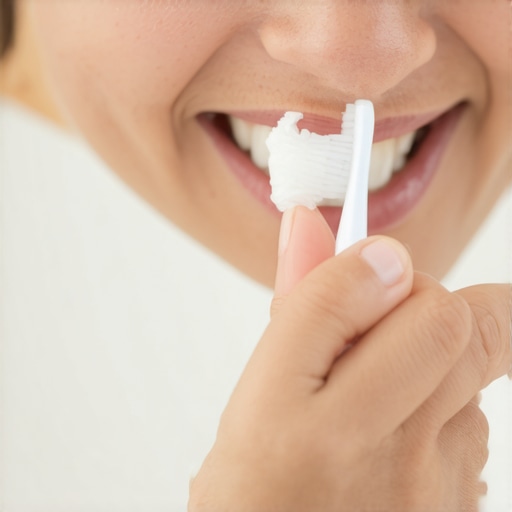
Why Your Morning Coffee Needs a Temperature Check
You don’t have to give up your caffeine, but you do need to adjust the delivery system. High heat expands the fluid inside your tooth’s tubules, while cold contracts it—both movements trigger the nerve. I found that letting my coffee sit for five minutes until it’s merely warm, rather than piping hot, prevented that sharp pain you feel when eating ice cream or drinking hot tea. If you’re a tea lover, checking out the secret to keeping your teeth white will help you maintain your results without the extra sensitivity.
Choose Your Snacks Wisely While Your Gums Heal
For the first 48 hours, treat your mouth like it’s in recovery. Avoid acidic foods like oranges or tomatoes, which can temporarily soften enamel and worsen sensitivity. I once made the mistake of eating a vinegar-heavy salad right after an appointment, and it felt like I was rubbing salt into a wound. Stick to ‘neutral’ foods like yogurt, mashed potatoes, or lukewarm soup. This is also the time to double-down on gentle teeth cleaning best practices by using a soft-bristled brush.
Brush Like You Are Painting a Masterpiece
Forget the ‘scrubbing’ motion. You want to use a circular, massaging motion at a 45-degree angle to your gums. This keeps the plaque away without irritating the already-angry tissue. If you are planning on future aesthetic work, learning how to whiten your teeth without making them incredibly sensitive can help you prep your mouth for the next step in cosmetic dentistry innovations. Consistency here ensures that your long-term oral health isn’t compromised by a few days of discomfort.Most people think of their ‘smile’ and their ‘health’ as two different categories on a checklist. We have been conditioned to believe that ‘preventive’ stuff—like your bi-annual scaling—is the boring chore, while ‘cosmetic’ stuff—like veneers or whitening—is just vanity. But here is the contrarian truth: in modern practice, the two are inseparable. If your bite is misaligned, no amount of scaling will prevent the eventual wear and tear that leads to chronic sensitivity. By looking at cosmetic dentistry innovations you cant miss this year, you will see that many of these ‘aesthetic’ fixes are actually designed to reinforce your tooth structure and prevent the very ‘zingers’ we just discussed. Have you ever fallen into the trap of thinking a procedure was ‘just for looks’ only to find out it actually fixed a functional problem? Let me know in the comments. Now, let us talk about the ‘Oops’ factor—a trap I see patients fall into constantly. They want a brighter smile, so they reach for high-concentration gels or questionable over-the-counter kits. But if you have an undiagnosed micro-crack or if you have not identified the specific pain that tells you your filling is leaking, you are effectively pouring acid into a wound. Professional science behind teeth whitening shows that sensitivity management is just as important as the bleaching agent itself. Relying on the truth about whitening toothpaste as your only strategy often leads to abrasive damage rather than actual color change, especially if you have existing gum recession. 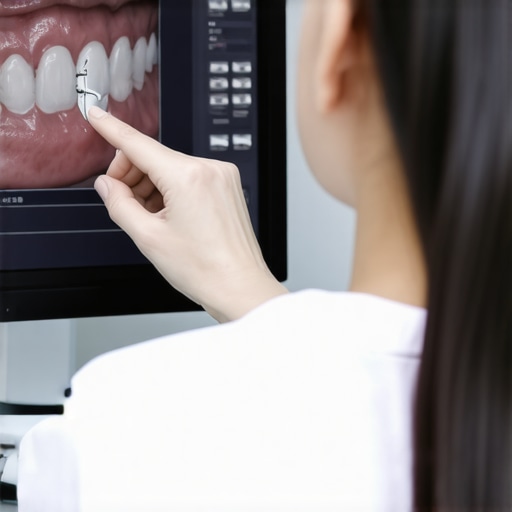
Can your family dentist predict your future health issues?
The answer is a resounding yes. Advanced family dentistry is not just about cleaning kids’ teeth; it is about diagnostic surveillance. For instance, research published in the Journal of the American Dental Association (JADA) highlights that dental professionals are often the first to see signs of systemic conditions like diabetes or heart disease through gum inflammation and saliva changes. This is why why your dentist asks about your medications at every visit is not just paperwork—it is a vital part of your risk assessment. If you are ready to move beyond basic maintenance, learning how to whiten your teeth without making them incredibly sensitive is a great place to start. Remember, a truly healthy smile is one that functions as well as it looks. Do not let oral health myths debunked in 2025 keep you from the care you actually need to maintain long-term oral health.I am a bit of a gadget geek when it comes to my bathroom vanity, but only if the science backs it up. After years of trial and error, I have realized that the tools you use between visits are the difference between a quick polish and a painful deep-scaling session. I personally transitioned to an electric toothbrush with a built-in pressure sensor not because it’s trendy, but because it’s the only way to ensure I am following gentle teeth cleaning best practices. Most of us scrub like we are trying to remove rust from a car, but your enamel is a delicate crystal structure. If you press too hard, you are essentially sandpapering your smile away. I noticed a massive decrease in my gum sensitivity once the brush started flashing red every time I got too aggressive.
The High-Tech Gear That Actually Saves Your Enamel
The real game-changer for me was the water flosser. If you find string floss tedious, you aren’t alone, but skipping it is not an option if you want long-term oral health. I use mine specifically because it reaches the ‘black triangles’ and tight gaps that my brush simply cannot touch. This is especially vital for those looking into the secret to making your dental implants last for decades, as bacteria love to hide around the base of restorations. According to a systematic review published in the International Journal of Dental Hygiene, oscillating-rotating electric brushes provide a statistically significant reduction in both plaque and gingivitis compared to manual brushing over both short and long terms. 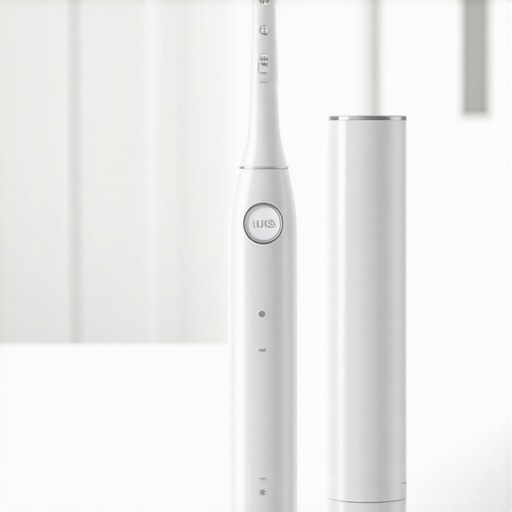
How can I keep my results from fading over the years?
The answer lies in consistency and the right chemistry. I have started using a nano-hydroxyapatite toothpaste, which essentially ‘re-fills’ the microscopic divots in your enamel. It’s a step up from basic fluoride and is one of those teeth cleaning secrets that pros use to keep their teeth looking dense and white. In the future, I predict we will see smart-mirrors that use UV light to highlight plaque buildup in real-time, making it impossible to miss a spot. We are moving toward a world where revolutionary teeth cleaning techniques for 2025 will be integrated into our homes, not just the clinic. For now, investing in high-quality tools is how regular dental cleanings can save you money in the long run by preventing the need for complex repairs. If you want to take your routine to the next level, try this: tonight, use a disclosing tablet after you brush. It will dye the remaining plaque purple, showing you exactly where your current technique is failing. It’s a humbling but necessary reality check.
The Brutal Lessons My Sensitive Gums Taught Me
After years of trial and error, I realized that the ‘zingers’ weren’t the problem—my lack of preparation was. One major lightbulb moment was learning how to stop your gums from bleeding when you start a new flossing routine; I used to stop flossing whenever I saw red, which only made the inflammation (and subsequent sensitivity) worse. Another hard truth: your diet plays a massive role in how your nerves react. I had to learn why your teeth hurt when you eat sugary cereal before I understood that sugar-induced acid was keeping my enamel in a constant state of vulnerability. Finally, don’t fall for the hype of ‘DIY’ fixes. I’ve seen many folks follow oral health myths busted by experts, realizing too late that charcoal or lemon juice only strips away the protection you need.
The Only Tools I Trust for My Daily Routine
#IMAGE_PLACEHOLDER_E#If you want to keep that post-cleaning glow without the ache, you need a curated toolkit. I personally rely on these three essentials: First, a nano-hydroxyapatite toothpaste which acts like liquid enamel. Second, a water flosser to reach the tricky spots that cause buildup; it is one of the top teeth cleaning secrets for maintaining a professional level of hygiene at home. Third, I always keep a soft-bristled brush handy to avoid physical trauma to the gums. I also recommend looking into family dental care hacks to keep your kids smiling daily so the whole household can build these habits together. These tools aren’t just about comfort—they are about how regular teeth cleaning can prevent major dental issues before they even start.
Take the First Step Toward a Fear-Free Smile
Sensitivity is a temporary hurdle, not a permanent roadblock. By choosing the right tools and staying consistent with your care, you are doing more than just stopping a ‘zinger’—you are maintaining oral health for decades to come. Whether you are curious about cosmetic dentistry innovations you cant miss this year or just want to survive your next scaling, remember that your dentist is your partner, not your adversary. Embracing family dentistry means building a foundation of health that removes the fear from the chair. Have you ever felt that ‘lightning bolt’ pain after a cleaning, and what is your go-to trick for calming it down? Let me know in the comments!