
I remember sitting in my kitchen two hours after my first scaling and root planing, staring at a bowl of steaming tomato soup like it was my mortal enemy. The local anesthetic was wearing off, and my mouth was starting to hum with that weird, post-procedure vibration. You know the one. It is that tender, do-not-even-look-at-my-mouth sensation. I felt like I had gone ten rounds with a power washer. I made the mistake of thinking I could just dive back into my ‘coffee and spice’ lifestyle immediately. Spoiler alert: I could not. It hurt. A lot. But I learned the hard way that there is a better path to comfort than just waiting it out. Today, I am going to show you how to turn that post-cleaning ache into a distant memory without living on ice cubes for a week.
That Post-Cleaning Throb is No Joke
If you have ever wondered why your jaw is sore after a long dental cleaning, you are not alone. It is not just the stretching; it is the deep work done to save your smile. After my procedure, I was so focused on the discomfort that I almost forgot why I was there in the first place. My gums were puffy, and I panicked when I saw a little discoloration in the sink. If you see this too, do not freak out. Understanding the reason your spit is pink after you brush your teeth post-cleaning can save you a lot of unnecessary anxiety. The goal here is simple: reduce inflammation and let your body do its thing.
Is a Deep Cleaning Actually Worth the Hype?
You might be sitting there with a sore mouth thinking, ‘Did I really need this?’ I asked myself the same thing until I realized that how regular dental cleanings can save you money in the long run is not just a marketing line—it is a financial and health reality. By clearing out the gunk below the gumline, you are stopping bone loss in its tracks. A fascinating study published in the Journal of Clinical Periodontology actually shows that successful non-surgical periodontal therapy can lower markers of systemic inflammation across your whole body, potentially benefiting your heart health. So, yes, the temporary zing is worth the lifetime of stability. Have you ever felt that immediate regret the second the numbing wears off?
The Mistake That Made My Mouth Feel Like Fire
My biggest blunder was the temperature. I thought a hot tea would be soothing, but it felt like battery acid on my freshly treated tissue. For those with naturally sensitive gums, the aftermath of a deep cleaning requires a delicate touch. I eventually found that lukewarm saltwater rinses were my best friend. They are cheap, they are easy, and they work. In the next section, I am going to walk you through the exact ‘Neighbor’s Protocol’ for the first 48 hours, including the salt-to-water ratio that actually works without stinging. [IMAGE_PLACEHOLDER]
Master the Neighbor’s Protocol with a Saltwater Soak
Think of your gums right now as a freshly paved road; the work is done, but the surface is still soft and susceptible to damage. To speed up the healing, you need a saltwater rinse that is effective but not aggressive. The magic ratio I used is half a teaspoon of high-quality sea salt dissolved into eight ounces of lukewarm—never hot—water. Swish it gently for 30 seconds. Do not spit with force, as that can disturb the blood clots forming in those deep pockets. This simple mix acts like a natural disinfectant, flushing out bacteria without the harsh chemicals found in some store-bought brands. I found that doing this four times a day, especially after meals, kept my inflammation down and prevented that nagging throb from turning into a full-blown ache. If you find your mouth reacting strangely to food later, you might want to check why your mouth feels like it is on fire after eating spicy food to understand the sensitivity triggers.
Ditch the Power Brush for a Few Days
Your high-end electric toothbrush is usually your best friend, but for the first 48 hours after a scaling and root planing, it is basically a jackhammer. Switch to an extra-soft manual brush and use the ‘feather touch’ technique. You are not trying to scrub away stains right now; you are just clearing away loose debris. When I went through this, I made the mistake of thinking I had to brush harder to keep the newly cleaned areas ‘sterile.’ All I did was make my gums bleed. If you experience this, it helps to know how to stop your gums from bleeding when you start a new flossing routine because the mechanics are very similar. Keep your movements circular and light, and avoid the gum line for the first twelve hours. #IMAGE_PLACE_HOLDER_B#
Eat Like a Toddler to Heal Like a Pro
The biggest threat to your recovery is your dinner plate. Hard, crunchy, or sharp foods like chips and crusty bread are off-limits. I learned this the hard way when I tried to eat a toasted sourdough sandwich too early. One sharp corner of the crust hit my treated molar area, and I was back to square one with pain. Stick to yogurt, mashed potatoes, and lukewarm soups. Not only does this protect the physical tissue, but it also ensures you are not introducing irritants into the healing pockets. This is a core part of family dentistry tips that make oral care effortless and effective, especially when managing recovery for different age groups.
Manage the Zing with Temperature Control
Sensitivity to cold and heat is incredibly common after a deep cleaning because the roots are now exposed to the air and liquids for the first time in years. If you find that even room-temperature water makes you wince, try using a desensitizing toothpaste as a topical ointment. Just dab a little on the sensitive spot with a Q-tip before bed. This bridges the gap while your body builds up its natural defenses. For those looking into transform your smile the impact of cosmetic dentistry in 2025, remember that a healthy, stable gum foundation is the first step toward any aesthetic upgrade. Following these gentle teeth cleaning best practices for sensitive gums will ensure that your ‘new’ smile isn’t just bright, but also comfortable. By the third day, you should notice the ‘tightness’ in your jaw loosening up, signaling that the deep-seated inflammation is finally receding.Now that you have survived the initial 48 hours, let us dig deeper into the nuances that most people—and even some general blogs—get wrong. A common trap I see is the ‘scrub-it-clean’ mentality. We have been conditioned to think that more pressure equals a cleaner surface, but that is one of the biggest oral health myths debunked by modern science. In fact, aggressive brushing after a deep cleaning can actually wear down the cementum—the thin layer covering your tooth roots—which is now more exposed.
Stop Scrubbing Like You are Cleaning a Tiled Floor
Everyone says you need to reach every corner, but in my experience, the ‘vibratory’ technique works far better than the ‘scrubbing’ stroke. When you use the ultimate guide to teeth cleaning techniques and benefits as a baseline, you realize that it is about disrupting the biofilm, not sandblasting your enamel. If you press too hard, you are just recession-bound. A study from the Journal of Periodontology highlights that it is not the force, but the frequency and precision of plaque removal that prevents the return of deep pockets. 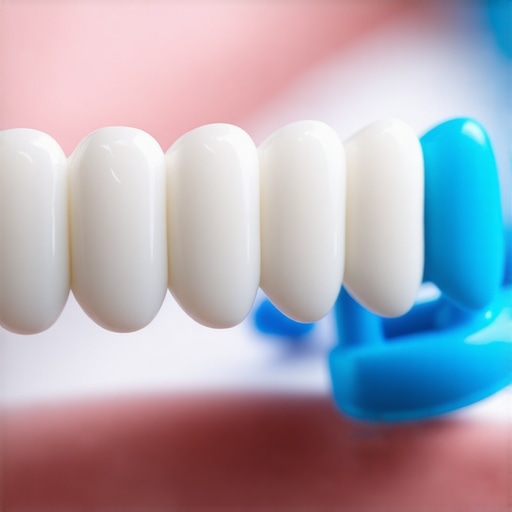
Can You Actually Regrow Gum Tissue Once It Is Gone?
This is the advanced question I get all the time. The hard truth? You cannot ‘regrow’ lost bone or detached gum tissue just by brushing better. You can, however, achieve ‘reattachment’ through meticulous care and professional intervention. This is why understanding why some people are more prone to cavities regardless of hygiene is so vital—it is often a genetic or bacterial imbalance that requires more than just a standard routine.
The Acid Trap That Ruins Your Progress
Here is the ‘oops’ factor I learned from a veteran dental hygienist: Never brush immediately after eating something acidic or sweet. When you eat, the pH in your mouth drops, softening your enamel. If you brush right away, you are essentially brushing the acid into your teeth. Wait at least 30 minutes for your saliva to neutralize the environment. This is especially critical if you are considering enhancing confidence with cosmetic dentistry; you want your natural teeth to be as strong as possible before adding veneers or crowns. If you are trying to brighten things up, make sure you know how to whiten your teeth without making them incredibly sensitive, because post-scaling teeth are already on high alert. Many patients jump straight into asking about transform your smile the impact of cosmetic dentistry in 2025 without realizing that no amount of porcelain can hide unhealthy gums. It is like building a mansion on a swamp. The advanced nuance here is the ‘biological width’—the specific amount of space your gums need to stay healthy around a restoration. If your scaling and root planing is not followed by a ‘maintenance’ mindset, your future cosmetic work is at risk. Have you ever fallen into this trap of brushing right after a meal? Let me know in the comments. By shifting from ‘cleaning’ to ‘managing the ecosystem,’ you move from being a patient to being a pro.The moment I realized that my standard flossing routine was barely scratching the surface of my post-scaling maintenance, I made the switch to a high-pressure water flosser. It felt like a luxury I did not need until I saw the debris it cleared out—even after I thought I was ‘done.’ Using a water flosser at a medium setting allows you to irrigate those deep pockets without the mechanical trauma of string floss. This is one of those family dentistry tips that make oral care effortless and effective because even the kids find it easier than the traditional ‘tug-of-war’ with string.
The one tool that actually reaches where my brush cannot
I specifically recommend tools with a specialized ‘orthodontic’ or ‘periodontal’ tip if you have had scaling and root planing. These tips are designed to deliver antimicrobial rinses directly into the sulcus. According to Dr. Paul H. Keyes, a pioneer in clinical periodontology, the ‘Keyes Technique’ highlights that monitoring the bacterial environment is just as vital as physical removal. By using an irrigator, you are essentially disrupting the bacterial colonies that try to recolonize your gums within hours of a cleaning. This level of precision is the cornerstone of the ultimate guide to teeth cleaning techniques and benefits. 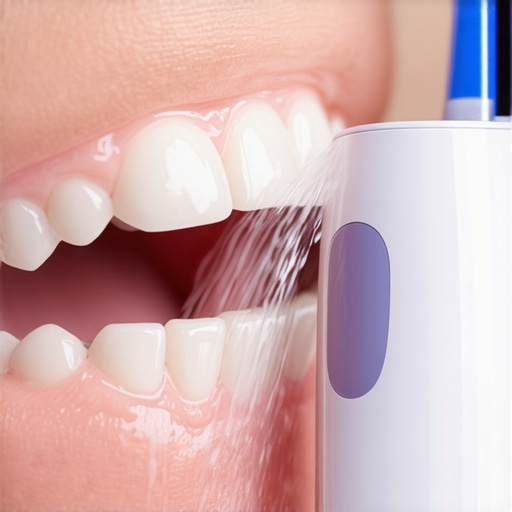
How can I keep these results for the next decade?
Long-term success is not about a one-time deep cleaning; it is about the ‘re-care’ interval. I now schedule my appointments every four months instead of six. Why? Because the ‘pathogenic’ bacteria in your mouth usually take about 90 to 120 days to mature back to dangerous levels. By intercepting them early, how regular dental cleanings can save you money in the long run becomes obvious—you avoid the massive cost of a repeat scaling by paying for a simple maintenance visit. This proactive approach is part of maintaining oral health expert advice for a lifetime of healthy teeth.
Watch out for the new wave of AI-driven dental tech
Looking forward, I predict we are going to see a massive shift toward ‘smart’ bio-sensors in our toothbrushes. We are already seeing brushes that map your mouth in 3D, but the next step is real-time saliva analysis. Imagine a brush that tells you your pH is too low before you even finish your coffee. Staying ahead of these trends is a key part of smile bright revolutionary teeth cleaning techniques for 2025. If you want a quick win today, start using a tongue scraper. Most people focus only on the teeth, but your tongue is a carpet for bacteria that can cause a ‘re-infection’ of your gums. My challenge for you: Get a stainless steel tongue scraper and use it every morning for a week. You will be shocked at the difference in how your mouth feels. This is one of those preventive tips for long-lasting dental health for families that takes less than 30 seconds but pays off for years.
What My Hygienist Finally Told Me After Three Cleanings
Going through scaling and root planing multiple times taught me things that aren’t in the brochures. First, I realized that the discomfort isn’t a sign that the procedure failed; it is your body’s inflammatory response finally having the space to reset. I also learned that “pink spit” is often just the final flush of stagnant bacteria leaving the tissue, and while it looks scary, it is part of the path to maintaining oral health expert advice for a lifetime of healthy teeth.
Another big lightbulb moment? Biofilm is incredibly resilient. If you skip even one night of cleaning post-procedure, those bacterial colonies start rebuilding their “fortresses” almost immediately. The “Neighbor’s Protocol” isn’t just for the first 48 hours; it’s a mindset shift from reactive cleaning to proactive management of your mouth’s ecosystem.
Tools That Kept Me Out of the Dental Chair for Good
I stopped relying on luck and started relying on a specific kit. My first must-have is a stainless steel tongue scraper. It is far more effective than a brush at removing the bacteria that cause “re-infection” of your gums. If you haven’t tried it, you should see why your dentist wants you to use a tongue scraper to understand the impact on your breath and gum health.
Next, I swear by a water flosser with a dedicated periodontal tip. It reaches into those deep pockets where string floss simply cannot go. Finally, never underestimate the power of hydration. I used to think my mouth was dry because of the cleaning, but I discovered that the reason your mouth feels dry even when you drink water often relates to how we breathe and the products we use. Switching to an alcohol-free, pH-balanced rinse changed everything for me.
[IMAGE_PLACEHOLDER_E]
Your Gums Deserve a Fresh Start Today
Investing the time into recovery right now means you won’t have to face the same “power washer” procedure again in six months. It’s about more than just a bright smile; it’s about your systemic health and the confidence that comes with a stable foundation. By following these preventive tips for long-lasting dental health for families, you are setting a standard for everyone in your household. Your oral health is the gateway to your overall well-being, so treat these next few days of healing with the respect they deserve.
Which of these recovery steps or tools are you most excited to try out? Let me know in the comments below!