
I still remember the night I sat on my bathroom floor, tears welling up because I had just tried a generic drugstore whitening kit and it felt like a thousand tiny lightning bolts were striking my front teeth. I wanted that bright, confident glow for a friend’s wedding, but instead, I ended up unable to even breathe in cold air without wincing. It was a classic rookie mistake. I thought more peroxide meant better results, but I was just stripping away my comfort. Maybe you have been there too, staring at your reflection and wondering why a prettier smile has to be so physically punishing. Today, I am going to share exactly how I moved past those ‘zingers’ to find a brighter look that doesn’t leave me clutching my jaw in agony. We are going to tackle the science of sensitivity and the gentle methods that actually work without the drama. Have you ever had to quit a whitening treatment halfway through because the pain was just too much?
Stop the Zingers Before They Start
My biggest blunder early on was ignoring the fact that my enamel wasn’t some indestructible shield. I used those high-concentration gels every single night, thinking I was being efficient. In reality, I was causing temporary inflammation in the pulp of my teeth. According to the American Dental Association, tooth sensitivity is a common side effect of peroxide-based whitening because the chemical can penetrate the enamel to reach the dentin. This is exactly why your teeth hurt when you take a bite of ice cream or even just a sip of room-temperature water after a harsh treatment. We often forget that the science behind teeth whitening involves opening up tiny pores in your teeth, which makes them vulnerable. If you have recently had a professional scale and polish, you might already be more prone to these sensations. The trick isn’t to stop whitening altogether, but to change the delivery system and the preparation.
Can you really get white teeth without the agony?
Most people think that if it doesn’t burn, it isn’t working. That is a total myth. I’ve learned that whitening toothpaste often only removes surface stains rather than changing the actual color of your teeth, which is why we often reach for the stronger stuff. But you can achieve a stunning transformation by pacing yourself and using desensitizing agents as a buffer. It is all about the long game, my friend. We’re looking for a sustainable glow, not a one-night-only brilliance followed by a week of pain.
Start Your Prep Two Weeks Early
You wouldn’t run a marathon without training your muscles, and you shouldn’t blast your teeth with whitening agents without prepping the enamel first. Think of your teeth like a house in winter: you need to seal the windows before you turn up the heat. For me, that meant switching to a high-potassium nitrate toothpaste fourteen days before I even touched a whitening strip. This mineral works by blocking the microscopic pathways that lead to your tooth nerves. It’s a game-changer if you’ve struggled with tooth sensitivity after a professional scale and polish or even just daily temperature changes.
Swap your daily toothpaste for a desensitizing shield
By using a desensitizing paste, you are essentially numbing those nerve endings in advance. I used to think I could just brush with it once and be fine, but the real benefit comes from cumulative use. It builds a barrier that keeps those “zingers” at bay. 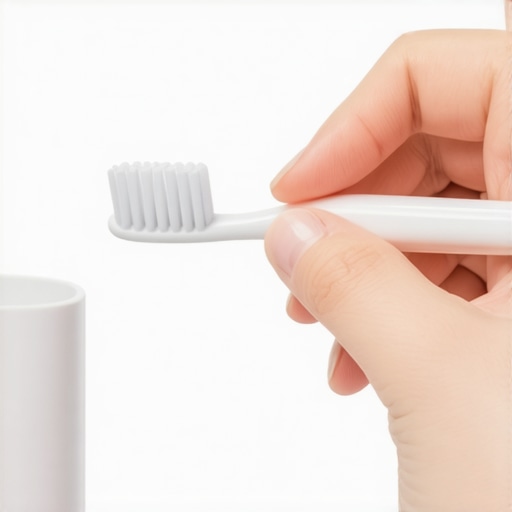
Pick Your Product with Precision
The biggest mistake I ever made was grabbing the highest percentage gel I could find—a 35% carbamide peroxide monster. I thought faster was better. I ended up with gums that looked like they’d been bleached and a toothache that lasted three days. It was messy, painful, and frankly, unnecessary. Now, I stick to a 10% concentration and just wear the trays for a slightly longer period. It’s much more manageable for sensitive mouths. Remember, the science behind teeth whitening shows that lower concentrations achieve the same results over time without the structural stress on your enamel.
Why lower concentrations are actually your best friend
Lower percentages allow for a gradual oxidation process. Instead of a chemical shock, it’s a gentle lift. If you find your teeth are still acting up, try the “alternate day” method. Whitening every other night gives your teeth a 24-hour recovery window to rehydrate. This is one of those family dentistry tips that works for everyone from teens to grandparents.
Fix the Leaks Before the Flood
Before you start any whitening journey, you have to make sure your teeth are actually healthy. Applying whitening gel to a tooth with a cavity is like pouring acid into an open wound. It’s a mistake you’ll only make once. I learned this the hard way when I ignored a slight twinge in my back molar. It turned out my filling was failing. You need to know how to tell if your filling is leaking and needs replacement before you introduce any harsh chemicals. A quick check-up ensures there are no hidden cracks where the peroxide can seep in and hit the pulp directly.
Clear away the debris first
Starting with a clean slate is non-negotiable. Plaque and tartar act as a physical shield, meaning your whitening gel will only reach the parts of the tooth not covered by gunk. This leads to splotchy, uneven results. This is exactly how regular teeth cleaning can prevent major dental issues while also making your cosmetic efforts more effective. Once you’ve achieved that glow, you’ll want to maintain it. If you’re a tea lover like me, check out the secret to keeping your teeth white if you drink tea every day to make those results last without having to repeat the whitening process too often.
Beyond just the ‘zingers’ I mentioned earlier, there is a nuance most people miss: the translucency trap. We are often taught that more whitening sessions automatically lead to a brighter smile. However, if you push your enamel too far, your teeth can actually start to look gray or even slightly blue. This happens because the enamel becomes so thin and porous that the dark shadows from the inside of your mouth begin to shine through. It is a permanent mistake that even the most advanced cosmetic dentistry trends that transform your smile this year struggle to reverse without resorting to physical restorations like contouring veneers.
The Gray Tooth Trap and Structural Integrity
In my experience, the biggest ‘oops’ factor isn’t necessarily using a cheap kit; it is ignoring your biological baseline. I have seen friends try to ‘bleach away’ what they thought were deep stains, only to realize later those marks were actually signs that their gums are receding on only one side or that their enamel was naturally thinning. If your foundation isn’t solid, all the peroxide in the world won’t give you that magazine-cover look. This is why following maintaining oral health expert advice for a lifetime of healthy teeth is more than just a suggestion—it is the absolute prerequisite for any cosmetic work. If you ignore the health of the tooth, you are just painting a crumbling house.
What happens if I over-whiten for years?
According to research highlighted by the American Dental Association, excessive bleaching can lead to the degradation of the protein matrix within your enamel. It is not just about the temporary pain; it is about the long-term structural integrity of your smile. When you reach the point of over-saturation, light no longer bounces off your teeth—it passes through them. If you have already reached this stage, you might need to explore how to transform your smile with the impact of cosmetic dentistry in 2025 by using more opaque solutions like bonding or high-quality porcelain.
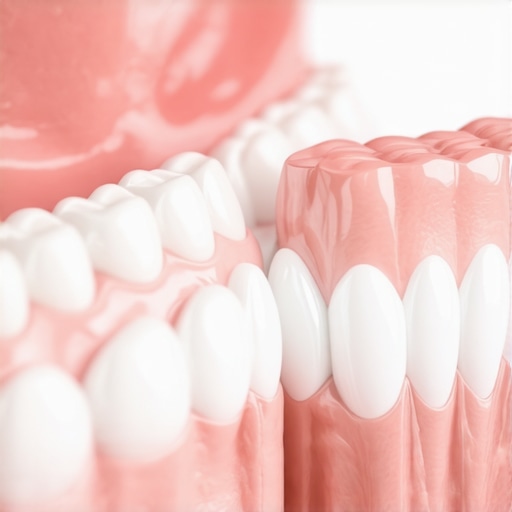
Another common myth I see everywhere is that ‘natural’ alternatives like charcoal or lemon juice are safer for sensitive souls. This is a dangerous trap. These methods are often highly abrasive or aggressively acidic, essentially sanding down your enamel to reveal a ‘whiter’ layer underneath. But once that protective layer is sanded away, it is gone forever. It is much safer to stick to gentle teeth cleaning best practices for sensitive gums and professional-grade, low-concentration gels that respect your anatomy. Many of these ‘natural’ hacks are actually listed in oral health myths debunked for 2025 because of the damage they do to the tooth’s surface. Have you ever fallen into this trap of thinking ‘more is better’ or ‘natural is safer’ with your dental care? Let me know in the comments—I would love to hear your experiences and help you navigate these tricky ‘gray’ areas!
Once I finally stopped the ‘zingers,’ I realized the real challenge was staying white without starting the whole painful process over again. I had to get serious about my gear. I threw away my manual brush and invested in a high-quality electric one with a built-in pressure sensor. This is crucial because if you press too hard, you’re literally sanding away that expensive whitening work. According to the Cochrane Library’s systematic reviews, oscillating-rotating toothbrushes show a statistically significant reduction in plaque and gingivitis compared to manual brushing over both short and long terms. I personally use the Sonicare system because the vibrating bristles feel less abrasive on my sensitive spots. Combining this with revolutionary teeth cleaning techniques for 2025 has kept my enamel thick and my smile bright. 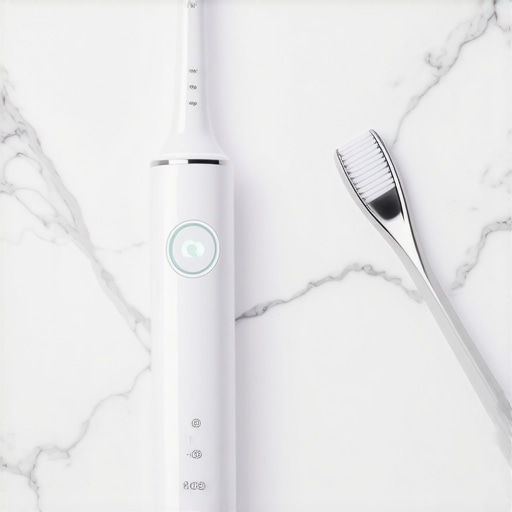
How do I keep my results from fading after the treatment ends?
Maintenance isn’t just about brushing; it’s about managing the environment in your mouth. I’m a huge advocate for why your dentist wants you to use a tongue scraper. Bacteria on your tongue can transfer to your teeth, contributing to film buildup that dulls your glow. If you’re worried about the sensation, I found the best way to clean your tongue without triggering a gag reflex is to use a flat metal scraper rather than a bulky brush head. It keeps my breath fresh and my teeth noticeably cleaner. For my daily habits, I never drink coffee or tea without a splash of water afterward. This follows the secret to keeping your teeth white if you drink tea every day—it’s all about the contact time. If the tannins don’t sit on your enamel, they can’t stain it.
Bio-hacking Your Enamel with Future Tech
Looking ahead, we are moving away from just ‘bleaching’ and toward ‘rebuilding.’ I’m tracking several cosmetic dentistry innovations you can’t miss this year that focus on hydroxyapatite-infused treatments. These actually fill in those microscopic pores I mentioned earlier, rather than just stripping them. In the next five years, I expect we’ll see at-home kits that don’t use peroxide at all, but instead use light-activated minerals to ‘grow’ a whiter surface layer. This is the ultimate win for those of us with sensitive teeth. For now, focus on maintaining oral health expert advice for a lifetime of healthy teeth by using a straw for dark liquids and swapping your standard rinse for a pH-neutralizing mouthwash. My challenge to you: buy a stainless steel tongue scraper today and use it for one week. You’ll be shocked at how much smoother your teeth feel by the end of the day.
What I Finally Realized About Chasing a Movie-Star Smile
After years of trial and error, I have learned that the best results come from working with your biology rather than fighting against it. Here are the lightbulb moments that changed everything for me:
- Stop chasing paper-white: Your teeth have a natural limit to how white they can go. Aiming for a shade that matches the whites of your eyes creates the most natural and stunning result.
- Hydration is your secret weapon: Dehydrated teeth look artificially bright but are significantly more prone to pain. Drinking plenty of water during your whitening week helps stabilize the enamel.
- Consistency beats intensity: A 10% gel used over two weeks is always better for your nerve health than a 35% gel used for two hours.
If you are feeling nervous about the process, learning more about enhancing confidence with cosmetic dentistry can help you visualize the end goal and prepare mentally for the journey.
The Daily Habits That Keep My Teeth Bright
Once you achieve that glow, you want it to last without repeating the chemical process every month. I have built a small toolkit of habits and products that I swear by. First, I always keep a pH-neutralizing mouthwash in my bag. This helps neutralize acids from food and drinks before they can etch the enamel. Second, I’ve moved away from standard whitening pastes that are too abrasive and now focus on preventive tips for long-lasting dental health for families to keep my foundation strong. I also recommend checking out oral health myths busted so you don’t accidentally damage your teeth with ‘natural’ trends like charcoal. For those with little ones at home, implementing family dental care hacks early on ensures they never have to deal with the same sensitivity issues we did.
Start Your Journey to a Pain-Free Glow
You don’t have to choose between a bright smile and a comfortable mouth. By prepping your enamel, choosing low-concentration gels, and maintaining your results with the right tools, you can finally enjoy the confidence that comes with a radiant look. Teeth whitening should be an act of self-care, not a test of endurance. Take it slow, listen to your body, and don’t be afraid to take a break if those zingers start to whisper. Have you ever had to quit a whitening treatment halfway through because the pain was just too much? Let me know your experience in the comments below!