
I was sitting in that crinkly leather chair, dodging the blinding overhead light, and staring at a clipboard for the third time in a year. I remember thinking, ‘Seriously? Do they really need to know about my occasional blood pressure pill and that antihistamine I take for my cat allergy?’ It felt like an interrogation just to get a basic teeth cleaning. I actually left a few things off the list once, thinking it was my own private business. That was a massive mistake. I ended up with a mouth as dry as the Sahara and a very confused dentist who couldn’t figure out why my gums were reacting so strangely. Today, I am going to show you why that ‘nosy’ questionnaire is actually the most important part of your visit. We are going to solve the mystery of how those tiny pills in your cabinet can make or break your dental health.
The time I almost hid my meds from my dentist
Early on in my journey of maintaining oral health, I assumed the neck up was a separate island from the rest of my body. It is a common trap. I didn’t want to explain my entire medical history just to get a cavity filled. But here is the thing: your mouth is the gateway to your body, not a separate entity. When I finally fessed up about my new prescription, my dentist explained that my specific medication was the reason why my mouth felt dry even when I drank water. Without saliva, my teeth were basically sitting ducks for decay. Have you ever skipped a line on that dental form because it felt too personal?
Is listing my vitamins really worth the hassle?
You might think a daily multivitamin or an herbal supplement is harmless, but in the dentist’s chair, they can be game-changers. For instance, common supplements like ginkgo biloba or high-dose fish oil can actually thin your blood. If you are there for a procedure and don’t mention them, you might find yourself bleeding way more than expected. According to the American Dental Association, more than 500 medications can cause dry mouth, which is the leading cause of sudden, aggressive cavities in adults.
How your medicine cabinet changes your dental care
It is not just about dry mouth. Some medications can cause ‘gingival hyperplasia,’ which is a fancy way of saying your gum tissue grows too much and starts covering your teeth. This is often why your gums turn red when you start a new medication for blood pressure or seizures. If I had known that my meds were the culprit, I wouldn’t have spent weeks panicking that I had suddenly developed a terrifying disease. Knowing your list allows us to adjust our techniques, perhaps using different numbing agents or recommending specific products to protect your enamel while you are on those prescriptions. Your safety depends on that boring little clipboard.
Stop Relying on Your Memory Alone
To get the most out of your visit, you need to treat your medical list like a blueprint. Do not just wait for the dentist to ask; come prepared with a written list that includes the dosage and how long you’ve been taking it. This includes vitamins, supplements, and even occasional over-the-counter meds. I remember a friend who was taking a high dose of Vitamin E for her skin. She didn’t think it was ‘medicine,’ so she didn’t mention it before a small gum procedure. She ended up bleeding significantly more than usual because she didn’t realize Vitamin E has blood-thinning properties. Providing this info is part of the family dentistry tips that make oral care effortless and effective.
Identify the Warning Signs in Your Gums
Keep a close eye on your gum tissue whenever you start something new. Some medications for high blood pressure can cause the gums to swell or grow over the teeth. I once saw a patient who thought his ‘gummy’ smile was just a sign of aging, but it was actually a reaction to his new heart medication. By catching it early, we coordinated with his doctor to adjust the prescription, which is much easier than undergoing surgery later. This proactive approach is a key part of top 5 secrets to maintaining perfect oral health as a family. 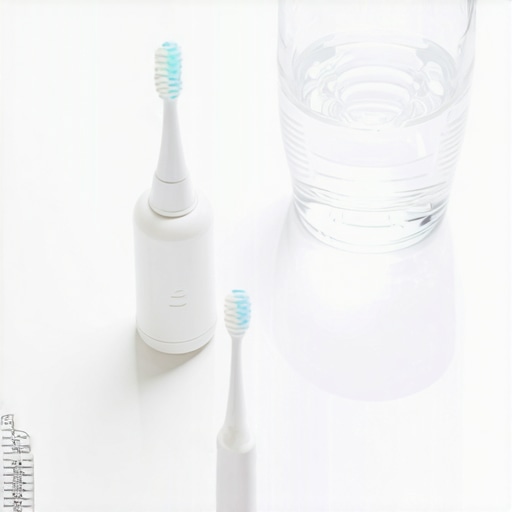
Counteract the Dryness Before It Causes Decay
If your medication leaves your mouth feeling like a desert, you have to change your hydration strategy. Water alone isn’t always enough because you are missing the protective enzymes in saliva. This is exactly why your mouth feels dry even when you drink water. You should incorporate alcohol-free, fluoride-rich mouthwashes and consider using xylitol mints to stimulate saliva production throughout the day. This keeps your enamel from becoming brittle and prevents the acids in your food from eating through your teeth. Think of saliva as a buffer; without it, every snack is a direct attack on your smile.
Update Your Routine to Match Your Meds
When you are on medications that impact your oral environment, the standard ‘brush twice a day’ rule might not be enough. You might need to increase the frequency of your professional visits to catch issues before they turn into emergencies. Staying ahead of potential issues with how regular dental cleanings can save you money in the long run is vital because it prevents the ‘sudden’ cavities that medications often trigger. Using the ultimate guide to teeth cleaning techniques and benefits can help you refine your at-home care to account for these changes.
Coordinate Your Care Team
Your dentist and your primary care doctor should not be operating in silos. I once had a client who was terrified of a complex procedure because of her blood thinners. Instead of just guessing, we contacted her cardiologist and created a ‘bridge’ plan that allowed her to safely pause her meds for 24 hours. The result was a perfectly smooth procedure with zero complications. This kind of collaboration is why we often discuss oral health myths debunked: what you need to know in 2025, as many people still believe dental work and medical health are unrelated. When you bridge that gap, you take control of your health.
It is a common misconception that cosmetic work is purely about aesthetics. Most people believe you get veneers or bonding just to look better, but the reality is much more functional. For instance, contouring veneers: the future of cosmetic dentistry revealed is as much about restoring the proper bite and protecting thinning enamel as it is about the ‘after’ photo. I once saw a patient who wanted to fix a ‘crooked’ tooth, but the misalignment was actually causing her jaw to lock. By focusing on the cosmetic fix without addressing the structural need, she would have ended up in even more pain. Everyone says whitening is the first step to a better smile, but in my experience, it can be a recipe for disaster if you have undiagnosed gum recession.
Why your white teeth might be hiding a disaster
Then there is the ‘whitening trap.’ We all want that bright glow, and the science behind teeth whitening: achieve stunning results fast makes it look easier than ever. But here is the nuance most people miss: if you have a leaking filling or a tiny crack you haven’t noticed, that whitening gel will seep directly into the nerve. I have had people come in with tears in their eyes because they used an at-home kit over a tooth that needed a simple repair. Your teeth are not solid porcelain; they are living, porous structures. This is why transform your smile: the impact of cosmetic dentistry in 2025 is shifting toward health-first diagnostics. #IMAGE_PLACE_HOLDER_C#
Does a deep cleaning really make a difference?
One of the biggest oral health myths debunked: what you need to know in 2025 is the idea that a ‘deep cleaning’ is just a way for dentists to charge more. It is not. According to a study published in the Journal of Clinical Periodontology, nearly half of adults over 30 have some form of periodontal disease that visual inspections alone can miss. A standard cleaning only addresses the crown of the tooth above the gumline. If you have pockets forming, you need scaling and root planing to prevent bone loss. Skipping this because it ‘seems unnecessary’ is the fastest way to lose a perfectly white tooth. The ‘oops’ factor here is ignoring the bacterial load sitting under your gums while focusing only on the shine above them.
The hidden cost of skipping the details
When you neglect to mention something as simple as your snoring habits or a slight jaw click, you are missing out on preventive care that could save you thousands. The how regular teeth cleaning can prevent major dental issues conversation should always include these lifestyle markers. If you do not disclose everything, we might miss the fact that your tooth wear is coming from sleep apnea rather than just stress. This is exactly how maintaining oral health becomes a team sport between you and your provider. Have you ever fallen into the trap of thinking a dental issue was ‘just cosmetic’ when it was actually something deeper? Let me know in the comments.
The power tools that actually saved my gums
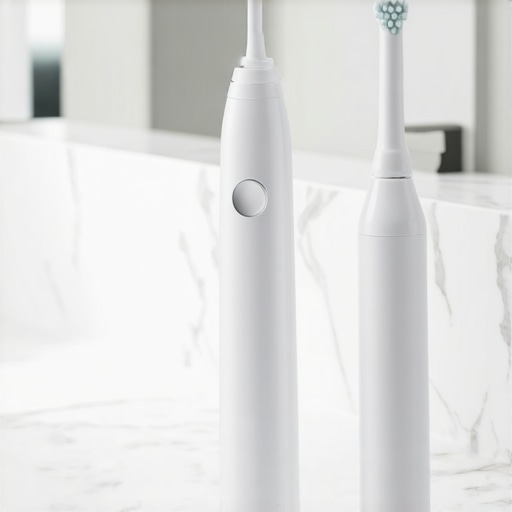
I used to think a manual toothbrush and a piece of string were enough to combat the side effects of my medications. I was wrong. When you are dealing with dry mouth or gum sensitivity, you need to upgrade your arsenal. I personally switched to a high-end sonic toothbrush because the vibration creates a ‘fluid dynamics’ effect that cleans beyond the bristles. But the real game-changer for me was the water flosser. I found that the benefits of using a water flosser for patients with gum disease are unmatched, especially for clearing out the debris that traditional floss misses when your gums are slightly swollen from a new prescription. I use mine with lukewarm water and a pinch of salt to soothe the tissue every single night.
How do I keep my smile healthy for the next twenty years?
Maintenance is not about a single deep clean; it is about the daily micro-habits that protect your investment. If you have had any work done, learning how to maintain your porcelain veneers so they last twenty years is a perfect example of this long-term mindset. It involves wearing a nightguard if you stress-grind and choosing non-abrasive toothpastes that won’t scratch your enamel. I also recommend looking into preventive tips for long-lasting dental health for families to ensure everyone in your household is on the same page. A specific trick I use is a stainless steel tongue scraper. Knowing why your dentist wants you to use a tongue scraper is key: it removes the sulfur-producing bacteria that thrive when your mouth is dry, keeping your breath fresh and your bacterial load low.
What dental care looks like in the age of AI
We are entering an era where your toothbrush might actually talk to your dentist. I predict that within the next five years, home diagnostic kits will allow us to scan our own mouths for early signs of decay before they even show up on a standard X-ray. We are already seeing cosmetic dentistry innovations you cant miss this year that use 3D printing and AI to design smiles that are perfectly balanced for your facial structure. Dr. Michael Glick, a renowned expert in oral medicine, has frequently emphasized that the integration of oral and systemic health is the future of the industry. This means your dentist will soon be as vital as your cardiologist in managing your overall wellness. By staying consistent with how regular dental cleanings can save you money in the long run, you are essentially buying an insurance policy for your future health. My challenge to you: Invest in a high-quality water flosser today—it’s the single most effective tool for cleaning under the gumline where your brush simply cannot reach.
A Few Lessons That Finally Clicked for Me
It took years of trial and error to realize that my medical history wasn’t just background noise to my dentist. First, I learned that supplements are just as potent as prescriptions; that bottle of St. John’s Wort or those high-dose fish oil capsules can completely change how I heal after a procedure. Second, I realized that gums act as early warning lights. When I finally understood why your gums turn red when you start a new medication, I stopped panicking because I knew it was a systemic reaction, not a failure of my hygiene. Finally, I discovered that the reason your dentist asks about your snoring habits is because airway health and dental wear are inseparable. Your body simply doesn’t work in compartments.
The Gear That Keeps My Routine Bulletproof
If you want to stay ahead of the curve, you must be intentional about your tools. I never travel without a high-quality sonic toothbrush because the plaque buildup from a medication-induced dry mouth happens faster than you might think. I also swear by the benefits of using a water flosser for patients with gum disease, as it flushes out the inflammatory markers that certain medications can trigger. For those who have invested in their look, following the guide on how to maintain your porcelain veneers so they last twenty years is non-negotiable—it is about protecting that investment with non-abrasive products. And for a total game-changer, I recommend a stainless steel tongue scraper to clear away the bacteria that thrive when saliva flow is low.
#IMAGE_PLACEHOLDER_E#
Don’t Wait for the Next Appointment to Take Charge
Your dental health is an evolving story, and you are the primary narrator. By being transparent about your health and staying consistent with maintaining oral health, you turn a reactive dental visit into a proactive health strategy. You deserve a smile that doesn’t just look good but feels resilient against whatever life—or your medicine cabinet—throws your way. Take that first step today by updating your medical list before your next visit. Have you ever noticed a strange change in your mouth after starting a new vitamin or medication? Let me know in the comments below.