
I remember the exact moment I realized something was wrong. I was flossing—actually doing it for once—when the thread slipped way too far up the back of my last molar. There was no resistance, just a strange, hollow sensation. When I grabbed a small mirror and angled it just right, I didn’t see the healthy pink ‘turtleneck’ around my tooth that I expected. Instead, it looked like my gums were literally running away from my teeth, exposing a yellowish, sensitive root that had no business seeing the light of day. It’s a gut-sinking feeling, isn’t it? You start wondering if your teeth are just going to start falling out like a bad dream. Today, I want to pull back the curtain on why this happens specifically in the back of the mouth and, more importantly, how we can get your smile back on solid ground.
The Day My Back Teeth Suddenly Looked Two Sizes Too Big
It is easy to ignore the back of your mouth. It’s the ‘out of sight, out of mind’ zone of dental hygiene. But when your gums start receding there, it’s usually a signal that something in your routine or your biology has hit a breaking point. I made the classic mistake of thinking that if I just brushed harder, I could ‘clean’ the problem away. In reality, I was just scrubbing my gums into oblivion. We are going to look at the mechanical, bacterial, and even structural reasons your molars are losing their protection. According to the Centers for Disease Control and Prevention (CDC), nearly 47.2% of adults aged 30 and older have some form of periodontal disease, which is often the silent culprit behind this retreating gum line.
Is my gum health really gone for good?
I know the fear. You think once the gum is gone, it’s gone. While we can’t always grow it back like a haircut, we can absolutely stop the progress and, in many cases, use modern cosmetic dentistry to restore what’s been lost. The real danger isn’t the gap itself; it’s the fact that missing those regular professional cleanings allows bacteria to set up camp in those new pockets. Have you ever noticed one side of your mouth looking ‘longer’ than the other? I found out the hard way that recession on just one side often points to how you sleep or chew. Let me ask you: Have you noticed your back molars feeling extra sensitive to your morning coffee lately? This is usually the first ‘flare’ sent up by your nerves. We’re about to dive into the specific triggers—from the way you clench your jaw at night to the subtle signs of infection you might be missing.
Ditch the Hard Bristles and Save Your Roots
First, you must trade your manual ‘medium’ or ‘hard’ toothbrush for an electric one equipped with a pressure sensor. I used to be a self-proclaimed ‘power brusher,’ attacking my molars like I was scrubbing grout in a shower. One morning, I looked in the mirror and realized my gums were so raw they felt like they had been hit with sandpaper. That aggression is a fast track to permanent tissue loss. Instead, focus on gentle teeth cleaning best practices that protect the delicate tissue. Think of your gums as a silk gasket; once you tear it, the seal is broken. Hold the brush at a 45-degree angle toward the gum line and let the bristles do the work without pressing down. This simple mechanical shift stops the ‘sawing’ effect that many of us accidentally perform on our back teeth every night.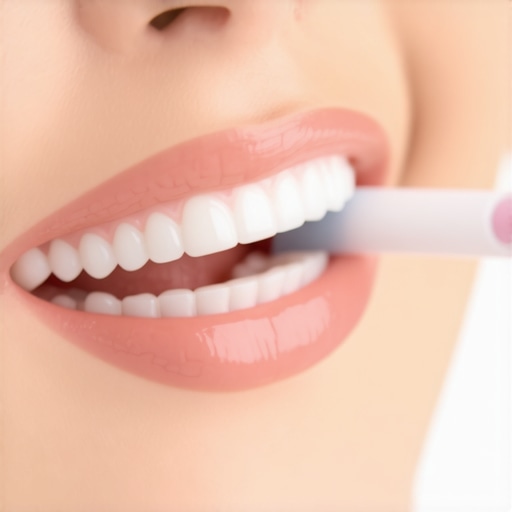
The Deep Cleaning Protocol for Stubborn Pockets
If your recession is caused by plaque buildup hiding under the gumline, a standard polish at your biannual checkup won’t be enough to stop the retreat. You likely need scaling and root planing, which is essentially a ‘deep dive’ where a professional clears the calcified debris from the roots of your molars. This is vital because regular teeth cleaning prevents major dental issues from escalating into bone loss. When I finally had this done, the sensitivity in my back teeth vanished within a week. Afterward, knowing the best way to soothe your gums after a deep cleaning—such as using warm salt water rinses and avoiding acidic foods—can significantly speed up the healing of those pockets.
Close the Gaps with Modern Dental Solutions
Sometimes the physical gap left by receding gums creates ‘black triangles’ that trap food and look unsightly. This is where modern cosmetic dentistry offers a lifeline. You do not have to live with the exposed, yellowish roots that are prone to decay. Learning how to fix the black triangles appearing between your teeth through composite bonding or specialized veneers can restore both the look and the structural integrity of your smile. These treatments act as a protective shield for the sensitive root, effectively replacing the barrier your gums used to provide. By combining these restorative steps with expert advice for a lifetime of healthy teeth, you can ensure that the recession stops exactly where it is today.We often assume that gum recession is a simple punishment for a missed flossing session, but that is a dangerous oversimplification. In reality, your gum line is a living bio-indicator of your overall health. One of the most common oral health myths debunked is the idea that ‘no pain means no problem.’ I have seen patients with zero discomfort whose molars were practically floating because the bone had quietly retreated behind the scenes. This is why your dentist asks about your medications at every visit; systemic factors like blood pressure meds or even antihistamines can alter your oral microbiome and accelerate recession without you feeling a thing.
The whitening trap you need to avoid at all costs
If you see yellowing near the gum line, your first instinct might be to reach for a whitening strip to ‘match’ it to the rest of your tooth. Stop right there. This is a classic ‘oops’ factor that leads to agonizing sensitivity. Roots are made of dentin, not enamel, and whitening toothpaste does not actually change the color of the root—it just irritates the nerve. Instead, you need to learn how to whiten your teeth without making them incredibly sensitive by focusing on professional-grade barriers that protect those exposed areas. 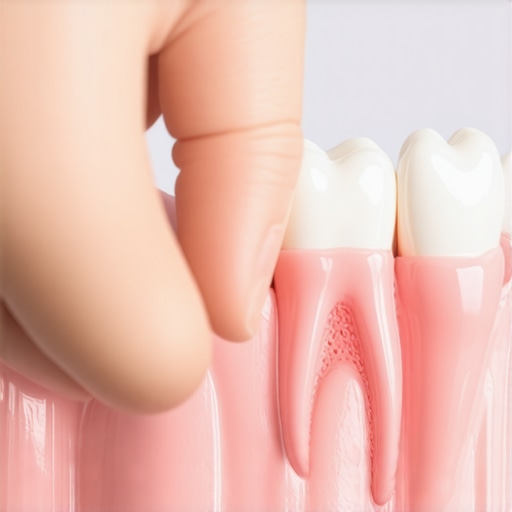
Can your iron levels actually predict your gum health?
This is a question I get from more sophisticated readers who track their lab work closely. There is a fascinating correlation between systemic health and gum appearance. For instance, pale gums can often signal iron levels that are dipping too low, which in turn weakens the tissue’s ability to fight off minor infections. According to a study published by the American Academy of Periodontology, patients with systemic inflammatory conditions are significantly more likely to experience aggressive gum recession regardless of their brushing habits. This means your family dentistry routine needs to be about more than just a toothbrush; it’s about holistic monitoring.
Stop treating your gums like they are indestructible
We often think of our teeth as static rocks, but they shift and react to every pressure. If you’ve noticed your back teeth feel ‘taller’ or odd, the culprit might be your bite alignment. Even a slight change in how you chew can cause ‘abfraction’—small micro-cracks at the gum line that cause the tissue to pull away. Investing in regular dental cleanings can save you money and years of regret by catching these mechanical failures before they require a full gum graft. By incorporating family dentistry tips that make oral care effortless, you can spot these subtle shifts in your children or yourself before they become permanent. Have you ever fallen into this trap? Let me know in the comments.Once you have addressed the immediate mechanical damage, the real work begins: the daily upkeep that prevents a relapse. I used to think a quick scrub was enough, but I have learned that the tools you choose are just as important as the technique. I personally swore off manual flossing for the back of my mouth because I could never reach the proper angles without mangling my gums. I switched to a high-end water flosser, specifically because it flushes out the ‘biofilm’ that traditional floss often just pushes deeper into the pocket. According to a study in the Journal of Clinical Periodontology, water flossing was found to be up to 29% more effective than traditional string flossing at reducing gingival bleeding, which is a key marker for the inflammation that drives recession. By incorporating these tools, you are following expert advice for a lifetime of healthy teeth rather than just chasing symptoms.
How do I maintain my gum health over the long haul?
Maintenance is not about intensity; it is about consistency and professional oversight. You cannot ‘see’ the bacterial colonies forming in those deep pockets behind your wisdom teeth, which is why regular teeth cleaning prevents major dental issues before they require surgery. I make it a point to visit my hygienist every four months instead of six, because my biology tends to produce swifter tartar buildup. This proactive approach is part of building a foundation of healthy smiles for all ages. If you have kids, teaching them to use a soft-bristled electric brush early on will save them from the ‘long tooth’ look we are trying to fix now. We are also seeing a massive shift toward contouring and specialized veneers as the standard for repairing existing damage, rather than the painful gum grafts of the past. 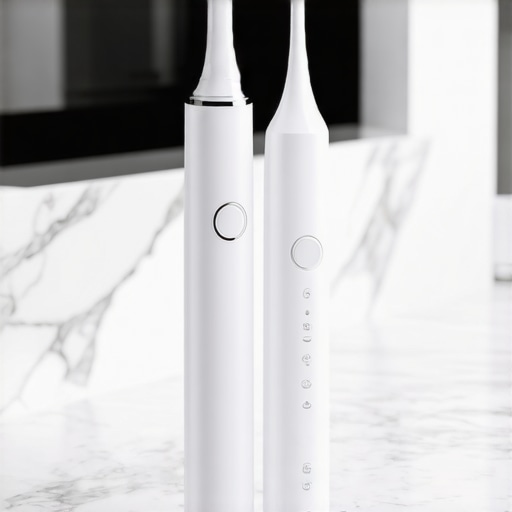 Looking ahead, I predict that ‘salivary diagnostics’ will become a staple in family dentistry. Soon, we will be able to test a quick swab of your spit to identify exactly which bacteria are attacking your gums before the recession even starts. It’s a move toward personalized, preventative care that makes the ‘scary’ dentist visits a thing of the past. For now, my best advice is to stop treating your oral health as an afterthought. Invest in a pressure-sensing electric toothbrush today—it is the single most effective way to ensure you aren’t accidentally scrubbing your smile away. If you’ve been ignoring that one sensitive spot in the back, I challenge you to book a professional cleaning this week; it is the most cost-effective insurance policy you can buy for your mouth.
What I Wish Someone Had Told Me Before My Gums Started Wandering
Looking back on my own journey, I realize I fell for several traps that almost cost me my molars. First, I thought my ‘thorough’ scrubbing was helping, when I was actually sandpapering my tissue away. Second, I ignored the silent signals of nighttime clenching, assuming a sore jaw was just stress. Finally, I didn’t realize that my choice of mouthwash was actually drying me out, making my gums more vulnerable. One of the biggest oral health myths debunked for me was that recession is just a part of getting older—it’s not; it’s often a result of mechanics and biology that we can actually control.
The Non-Negotiable Tools for a Bulletproof Smile
If you want to stop the retreat today, you need a strategy that moves beyond the manual brush. I swear by my water flosser because it reaches the deep crevices behind the third molars where traditional string floss just shreds and fails. I also recommend switching to a toothpaste that supports remineralization, especially if you already have exposed roots that feel sensitive. Integrating expert advice for a lifetime of healthy teeth means looking at your mouth as an ecosystem rather than a set of rocks. Don’t forget that regular teeth cleaning prevents major dental issues by physically removing the calcified plaque that no toothbrush at home can touch. These small investments in tools and time are what keep your dental foundation strong for decades.
Take the First Step Toward Stabilizing Your Smile
It is easy to feel defeated when you see your roots becoming visible, but remember that modern medicine is on your side. Whether you need a deep cleaning to reset the clock or you’re curious about how contouring and specialized veneers can fix aesthetic gaps, there is always a way forward. Your oral health is a marathon, not a sprint, and every gentle brush stroke counts toward a more confident tomorrow. You don’t have to wait for a ‘perfect’ time to start; starting today is what saves your smile from further damage. Modern cosmetic dentistry has made restoration easier, faster, and more comfortable than ever before. Have you noticed your back teeth feeling a bit more ‘exposed’ lately, or have you already found a specific tool that changed the game for your gums? Let me know in the comments below!