
I’ll never forget the morning I caught my reflection in the harsh fluorescent light of the office bathroom. I was mid-sip of my third Earl Grey, feeling productive and energized, until I smiled at myself in the mirror. My teeth didn’t just look a little yellow; they looked like they had been soaked in mahogany wood stain for a week. It was a visceral realization that my favorite daily ritual was winning the war against my confidence. I love the warmth of a morning brew, but I also value not looking like I’ve neglected my oral health for a decade. I’ve spent years trial-and-erroring my way through teeth cleaning secrets and experimenting with various treatments just to find a balance that actually works for a dedicated tea enthusiast like me. Today, I’m sharing the exact routine that keeps my smile bright without forcing me to give up my kettle.
Stop Choosing Between Caffeine and Your Smile
If you’re anything like me, the suggestion to “just drink less tea” feels like a personal attack. We need that warmth and that caffeine kick to survive the school run or that 9 AM Zoom call. The good news is that you don’t have to quit your habit to maintain a pearly-white grin. My biggest mistake early on was thinking I could just “brush away” the stains immediately after every cup. I literally scrubbed my enamel until it was thin and painfully sensitive, which actually made the staining worse over time. I had to learn the truth about whitening toothpaste and how it actually interacts with my enamel before I saw real progress. According to the Cleveland Clinic, tea contains tannins—organic compounds that make it much easier for pigments to stick to your tooth enamel than the pigments found in coffee. We aren’t just fighting color; we’re fighting a chemical bond that wants to stay put.
Wait, is professional whitening even worth the hype?
I get it. You are probably skeptical and worried that you’ll spend a fortune on stunning whitening results only to have your tea habit ruin it within forty-eight hours. Or maybe you’re scared your teeth are too far gone for simple fixes. I’ve been in that exact spot, fearing that my morning cup was an irreversible mistake. But once I started implementing gentle teeth cleaning best practices, I realized that maintenance is much easier than a total overhaul. Have you ever felt like you had to choose between your favorite drink and a confident smile? Drop a comment below if you’ve ever tried a home remedy that totally backfired—I’m looking at you, messy charcoal powders!
Rinse like your smile depends on it
The moment you finish that cup of English Breakfast, the clock starts ticking. Think of tea tannins like wet paint on a white fence; if you wash it off while it is still liquid, it’s a non-issue. But once it dries? You’re looking at a major renovation project. I make it a non-negotiable rule to swish plain water around my mouth for thirty seconds immediately after the last sip. This simple mechanical action dislodges the lingering pigments before they can find a permanent home in your enamel. If you want to dive deeper into why this works, check out the ultimate guide to teeth cleaning techniques and benefits. I remember sitting at a fancy brunch last autumn, trying to drink a piping hot Earl Grey through a tiny silicone straw. I looked like a thirsty hummingbird and my friends definitely laughed, but the results were undeniable. By bypassing my front teeth entirely, I bypassed the stain zone. If you aren’t ready to be the ‘straw person’ at the cafe, the water-rinse method is your best secondary defense. 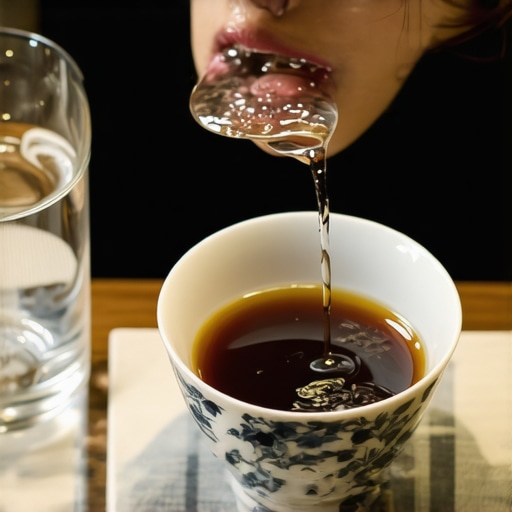
Why adding a splash of milk actually saves your enamel
There is a scientific reason why the British might have been onto something with their tea habits. Casein, a protein found in milk, actually binds to the tannins in tea. This prevents the tannins from sticking to your teeth and instead sends them straight to your stomach where they belong. If you’re a purist who drinks it black, you are giving those pigments a free pass to bond with your smile. Beyond just the color, maintaining the structural integrity of your teeth is vital. Following maintaining oral health expert advice for a lifetime of healthy teeth ensures that your enamel remains smooth. Rough, acid-etched enamel acts like a sponge for stains, whereas healthy, smooth enamel is much more stain-resistant.
The thirty minute rule you are probably breaking
My biggest mistake used to be sprinting to the bathroom to brush my teeth right after a cup of tea. I thought I was being proactive. In reality, the slight acidity in the tea softens your enamel temporarily. Brushing immediately is like using sandpaper on a soft wooden floor—you’re literally scrubbing the stained tea particles deeper into the microscopic pores of your teeth. You must wait at least thirty minutes for your saliva to re-mineralize the surface. This is a core part of how regular teeth cleaning can prevent major dental issues down the road. If you feel like your teeth are already a bit yellowed, don’t panic. You might be seeing the long-term impact of cosmetic dentistry in 2025 as a viable option to reset the clock.
When DIY isn’t enough for those deep-set stains
Sometimes, the stains have already moved into the deeper layers of the tooth. When that happens, no amount of water-swishing or milk-adding will fix the dullness. This is where professional intervention becomes necessary. A professional scale and polish can remove the ‘calculus’ or tartar that has soaked up tea stains over months. I’ve had this done many times, and while it’s effective, you should know how to manage tooth sensitivity after a professional scale and polish so you aren’t caught off guard. It feels like a fresh start, removing that ‘mahogany’ layer I mentioned earlier and giving you a clean slate to maintain.
It’s a common misconception that more friction leads to a brighter smile. In my early days of trying to scrub away the tea, I was actually participating in a slow-motion destruction of my own smile. Most people believe that whitening is a one-size-fits-all chemical process, but it’s actually a delicate balance of biology and chemistry. When you use highly abrasive DIY hacks, you are often stripping away the translucent enamel to reveal the dentin underneath. The catch? Dentin is naturally yellowish. So, by trying to scrub your teeth white, you are literally making them appear more yellow. I learned this the hard way, and it’s one of the biggest oral health myths debunked for 2025. Have you ever tried a natural whitening hack that left your teeth feeling more sensitive than before? Let me know in the comments—I’ve probably made the same mistake!
The dangerous trap of abrasive DIY whitening
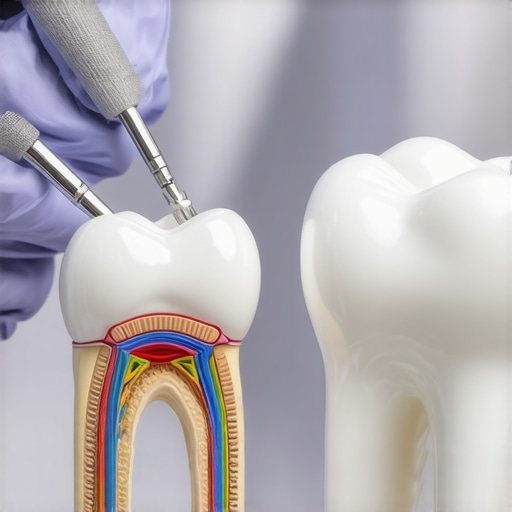
The internet is full of influencers suggesting you mix lemon juice with baking soda or scrub your teeth with activated charcoal. Please, for the sake of your future self, stop. Acidic lemon juice dissolves your enamel, while the gritty charcoal acts like sandpaper. Once that enamel is gone, it doesn’t grow back. You aren’t just cleaning; you’re eroding. This is a classic example of where oral health myths busted can save you from a lifetime of sensitivity. According to a study published in the Journal of the American Dental Association (JADA), many popular ‘natural’ whitening agents have a Relative Dentin Abrasivity (RDA) score that exceeds the safe limit for daily use. If you’ve already caused some damage, focusing on gentle teeth cleaning best practices for sensitive gums is the first step toward recovery.
Why do my teeth look darker even after I stop drinking tea?
If you’ve cut out the tannins and the yellowing persists, you might be dealing with intrinsic staining or thinning enamel. As we age, or as we over-brush, the white enamel wears down, making the darker core of the tooth more visible. No amount of whitening toothpaste can fix this because the color isn’t on the surface anymore—it is the tooth itself. This is where cosmetic dentistry in 2025 offers a real solution. Options like contouring and veneers can provide a new, bright surface that tea can’t easily penetrate. Understanding what to expect with cosmetic dentistry helps you transition from trying to fix a biological issue with a toothbrush to getting a professional result that actually lasts. Remember, regular teeth cleaning can prevent major dental issues, but it can’t always reverse years of structural wear. You have to know when to put down the brush and call the pros.
Upgrade your bathroom counter with the right tech
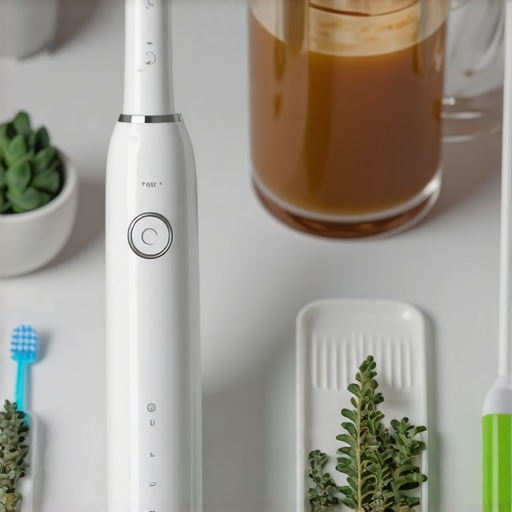
I used to think a manual toothbrush and some elbow grease were enough to fight my Earl Grey addiction. I was wrong. My bathroom counter now looks like a miniature dental lab, and my smile is better for it. The single most important tool in my arsenal is a high-end sonic toothbrush with a built-in pressure sensor. Why? Because as tea lovers, we are often tempted to scrub harder to remove stains, but as I mentioned before, that just destroys enamel. According to the American Academy of Cosmetic Dentistry (AACD), professional whitening results can last significantly longer if patients switch to an electric toothbrush that uses sonic vibration rather than mechanical oscillation. I personally use the Sonicare ProtectiveClean 6100 because it vibrates at 62,000 brush strokes per minute, which creates microbubbles that get into the spaces between my teeth where tea tannins love to hide. This is one of those revolutionary teeth cleaning techniques for 2025 that truly changes the game.
The water flosser is a tea drinker’s best friend
If you aren’t using a water flosser yet, you’re missing out on the easiest way to prevent those dark lines from forming between your teeth. I find that traditional floss sometimes just moves the pigments around, but a water flosser actually flushes them out. I’ve noticed that since I started using one, my gum health has improved drastically, and I no longer see that ‘shadow’ between my front teeth after a week of heavy tea drinking. Research has shown the benefits of using a water flosser for patients with gum disease are undeniable, but it’s just as effective for stain prevention. It’s also a great way to introduce family dentistry tips that make oral care effortless into your household routine, especially if you have kids who hate the ‘string’ method.
How do I keep my teeth white while still drinking tea every day?
The secret isn’t a one-time miracle cure; it’s a high-frequency, low-intensity maintenance schedule. I’ve transitioned from viewing my dental visits as ‘repairs’ to viewing them as ‘detailing’ sessions. I schedule a professional cleaning every six months without fail. Beyond the cosmetic benefit, how regular dental cleanings can save you money in the long run is a real factor—preventing a single crown or root canal pays for a decade of cleanings. At home, I use a custom-fitted tray with a very mild 10% carbamide peroxide gel once a month for just thirty minutes. This isn’t about a radical change; it’s about a gentle reset that keeps the tea at bay without causing the sensitivity that usually comes with stunning whitening results. Using preventive tips for long-lasting dental health is the only way to sustain a bright smile for decades rather than weeks.
The future of at-home enamel monitoring
Looking ahead, I predict that by the end of 2025, we will see smart toothbrushes with built-in spectrophotometers. This tech will actually measure the shade of your teeth and the thickness of your enamel in real-time, alerting you via a smartphone app if you are starting to see demineralization or excessive staining. We are already seeing cosmetic dentistry innovations you can’t miss this year that use AI to predict how your smile will age. Incorporating this into your daily life will take the guesswork out of oral health. If you’re ready to take your routine to the next level, I challenge you to try this: tomorrow morning, use a straw for your first cup of tea and notice how much cleaner your front teeth feel by lunch. It’s a small step that leads to a much larger transformation.
Hard Truths I Learned While Fighting the Earl Grey Stains
Reflecting on my journey from “mahogany teeth” to a confident grin, I’ve realized that the biggest obstacle wasn’t the tea—it was my own assumptions. First, I had to accept that aggression is the enemy of aesthetics. Scrubbing your teeth like you’re scouring a cast-iron skillet only invites more staining by damaging the enamel. Second, I learned that oral health myths debunked for this year prove that “natural” isn’t always “safe.” Lastly, the most profound realization was that consistency beats intensity every single time. A thirty-second water rinse is more effective than a frantic, once-a-week whitening session that leaves your nerves screaming.
The Essentials I Keep in My Medicine Cabinet
To maintain this balance, I rely on a few specific tools that have earned my trust through trial and error. I swear by my water flosser for clearing the gaps where tannins settle, and I’ve found that using family dental care hacks to keep your kids smiling daily actually helps me stay on track too—making it a group activity ensures I never skip my routine. I also keep a stash of remineralizing toothpaste to help repair any minor wear from my tea’s acidity. If you’re looking for the latest gear, keep an eye on cosmetic dentistry trends that transform your smile this year to see which high-tech brushes are actually worth the investment.
You Don’t Have to Trade Your Tea for a Better Smile
It took me years to find this rhythm, but I want you to know that a radiant smile is within reach, even if you drink four cups of English Breakfast a day. Don’t let the fear of staining stop you from enjoying your morning ritual. By implementing these revolutionary teeth cleaning techniques for 2025, you can protect your enamel and your confidence simultaneously. You have the tools, the science, and the routine—now you just need to start. Have you ever tried to quit tea just for your teeth, only to give up after two days? Let me know in the comments below!