
I still remember the Tuesday morning I stood in front of my bathroom mirror, squinting so hard I almost gave myself a headache. I was holding a tube of ‘Triple-Action Optic White’ something-or-other, comparing my canine teeth to the bright white plastic of the sink. I’d been scrubbing for weeks. My gums were a little sore, my bank account was twenty dollars lighter, and my teeth? They were exactly the same shade of ‘off-white parchment’ they’d always been. I felt like I’d been sold a dream that my toothbrush just couldn’t deliver.
Stop Expecting Your Toothpaste to Act Like a Bleaching Kit
I made the classic mistake of thinking that ‘whitening’ meant ‘changing the color.’ It doesn’t. Most of us fall for the marketing because we want that instant transformation. But here’s the reality I had to learn the hard way: most whitening toothpastes are just really gritty soaps. They are fantastic at removing the surface stains from that second cup of coffee, but they can’t touch the yellowing that’s lived inside my enamel for years. If you’re looking for a deep change, you’re usually looking for cosmetic dentistry innovations that actually penetrate the tooth. I spent way too long trying to ‘brush away’ my genetics. While these pastes can be a part of maintaining oral health, they aren’t magic wands.
Is whitening toothpaste actually worth the hype?
Honestly? It depends on your goals. If you just want to keep your teeth shiny after a professional scale and polish, then yes, they help. But here is a surprising fact: the American Dental Association (ADA) notes that whitening toothpastes mostly use abrasives to polish the teeth rather than bleaches to change the internal color. In fact, using them too aggressively can actually lead to thinning your enamel, which makes your teeth look more yellow as the dentin shows through. [IMAGE_PLACEHOLDER] I wish I’d known that before I started scrubbing like I was cleaning a grout line. Have you ever felt like you were brushing your heart out only to see zero results in the mirror? It’s a frustrating cycle, but understanding the difference between surface stains and internal discoloration is the first step to actually getting the smile you want. We’re going to dive into how these pastes actually work—and when you should just put the tube down and try something else.
Ditch the Scouring Pad Mindset
Think of your tooth enamel like the clear coat on a luxury car. If you have a smudge on the hood, you don’t grab a handful of sand and start rubbing; you’d ruin the paint forever. Yet, that is exactly what many of us do with high-abrasive whitening pastes. These products work through mechanical friction. They use ingredients like silica or calcium carbonate to physically scrub away the ‘pellicle’—that thin film where coffee and tea stains live. While this is a core part of teeth cleaning techniques, overdoing it is a recipe for disaster. I learned this the hard way when I switched to a charcoal-based ‘natural’ whitener. After two weeks, my teeth didn’t look like Hollywood pearls; they looked translucent at the edges, and the reason my spit was pink after brushing was because I had decimated my gum line with what was essentially liquid sandpaper.
Check the RDA score before you buy
Every toothpaste has a Relative Dentin Abrasivity (RDA) score, though companies rarely put it on the box. You want a score under 70 for ‘low abrasive’ and definitely under 100 for daily use. If you are using a paste marketed for ‘extreme’ whitening, it might be sitting at 150 or higher. This is fine for a once-a-week polish, but using it twice a day is how you end up needing cosmetic dentistry innovations to fix the wear.
How to actually use whitening products without pain
If you are determined to use these pastes, you have to change your technique. First, stop the ‘sawing’ motion. Use soft, circular movements. The chemicals and abrasives are doing the work, so your muscle power shouldn’t be the primary force. This is a staple of family dentistry tips because kids often mimic our aggressive brushing habits. Second, treat whitening toothpaste as a supplement, not a primary cleaner. I now alternate: a remineralizing paste in the morning to strengthen the ‘paint,’ and a mild whitening paste at night to address the day’s coffee intake. This balance ensures maintaining oral health doesn’t come at the cost of your comfort.
Why timing your brushing session matters
One of the biggest mistakes I made was brushing immediately after my morning grapefruit or a glass of orange juice. Acid softens your enamel temporarily. If you go in with an abrasive whitening paste right then, you are literally brushing your teeth away. This is why we recommend waiting thirty minutes to brush after eating fruit or anything acidic. Give your saliva time to neutralize the acid and re-harden the surface. If you can’t wait, just rinse with plain water first. If you struggle with the stinging sensation, you might find that the science behind teeth whitening shows that professional gels are actually gentler on the surface than the constant mechanical grinding of cheap drugstore tubes. Knowing the difference between chemical lifting and physical scrubbing is the key to a smile that is both bright and healthy.
The dangerous lure of ‘natural’ whiteners
Many of my readers ask if they should skip the chemicals and go for ‘natural’ alternatives like charcoal or lemon juice. Here is the contrarian truth: ‘natural’ can be significantly more destructive to your oral health than a lab-tested peroxide gel. Lemon juice is an acid that dissolves your enamel, while charcoal is often too abrasive, essentially acting like a sandblaster on your teeth. I’ve seen people dive into the truth about oil pulling only to realize it doesn’t actually whiten; it just moves bacteria around. If you’re trying to navigate oral health myths debunked in 2025, remember that the safest path to a brighter smile usually involves chemistry, not kitchen supplies.
Why does your whitening treatment only work on some teeth but not others?
This is the ‘hidden nuance’ most people miss: professional whitening agents only affect organic tooth structure. If you have a filling, a crown, or a porcelain veneer, those materials are ‘color-stable.’ They will stay exactly the same shade while your surrounding teeth get brighter. This is often why your veneers don’t match the rest of your teeth after a bleaching session. It creates a mismatched, patchy look that can only be fixed by replacing the expensive dental work. According to a study published in the Journal of Evidence-Based Dental Practice, improper use of over-the-counter whitening products can lead to pulpal inflammation if the peroxide concentration is too high for your specific enamel density. This is why how to whiten your teeth if you have naturally thin enamel is a conversation you must have with a professional first.
The trap of whitening over hidden damage
Here is a major ‘oops’ factor: applying a strong whitening gel over a tooth with an undiagnosed cavity. The bleach can seep through the decayed area and head straight for the nerve, causing excruciating pain that a normal cleaning could have prevented. This is a primary reason how regular teeth cleaning can prevent major dental issues; your dentist needs to clear you for ‘flight’ before you start bleaching. If you have a leaky restoration, you might even notice a metallic taste. Knowing how to tell if your filling is leaking is vital because whitening over a compromised filling is a recipe for a root canal.
Stop chasing a shade that doesn’t exist
We’ve been conditioned to think ‘paper white’ is the goal, but biologically, teeth have a natural hue of yellow or gray because of the dentin underneath the enamel. If you over-bleach, you can end up with ‘bleached-out’ teeth that look chalky and lose their youthful translucency. This actually makes you look older! Instead of chasing an impossible white, focus on maintaining oral health and brightness that complements your skin tone. Have you ever fallen into the trap of over-whitening until your teeth felt like they were made of ice? Let me know in the comments. Let’s start prioritizing the health of the enamel over the intensity of the glow.
Stop Guessing Your Brushing Pressure
For years, I was a ‘scrubber.’ I thought that if I didn’t feel a little tingle in my gums, I wasn’t getting my teeth clean. That mindset is exactly what leads to receding gum lines and permanent enamel wear. When I finally upgraded to an electric toothbrush with a built-in pressure sensor, it was a literal wake-up call. Every time I pressed too hard, a red light flashed at me like a tiny, judgmental lighthouse. This is one of the most effective teeth cleaning techniques you can adopt because it takes the guesswork out of the equation. According to a meta-analysis published in the Cochrane Database of Systematic Reviews, powered toothbrushes provide a statistically significant reduction in plaque and gingivitis compared to manual brushing in both the short and long term. By letting the bristles do the work, you protect the work done during cosmetic dentistry innovations and ensure your natural enamel stays thick and reflective. 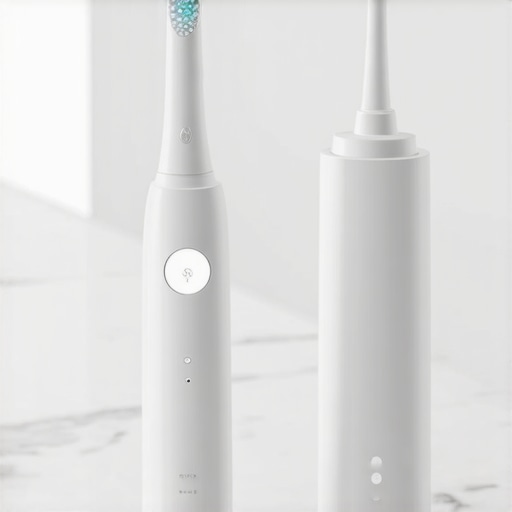
The One Tool That Changed My Gum Health Forever
If you’re still wrestling with string floss and wondering why your gums still bleed, it’s time to talk about the water flosser. I used to be a skeptic, thinking it was just a fancy gadget for people with braces. But for those of us focused on maintaining oral health, it is a game-changer for reaching the ‘nooks and crannies’ that manual flossing misses. I specifically recommend a model with adjustable pressure settings; starting low is vital if you have sensitive tissues. It’s also a staple for patients with gum disease because it flushes out bacteria from deep periodontal pockets that a string simply can’t reach. To take it a step further, I’ve started adding a tiny splash of alcohol-free mouthwash into the reservoir. It leaves the mouth feeling incredibly fresh without the drying effect of traditional rinses.
How do I keep my smile bright without over-whitening?
The secret isn’t more bleach; it’s better biofilm management. I’ve added a stainless steel tongue scraper to my morning routine, and it has done more for my overall ‘mouth feel’ than any whitening strip ever did. This is one of those secrets to maintaining perfect oral health that often gets overlooked. By removing the coating on your tongue, you reduce the bacteria that contribute to staining and bad breath. Looking toward the future, I predict we will see more ‘smart’ dental tools that sync with our phones to provide real-time mapping of our mouth, showing us exactly which tooth we missed during our morning rush. This shift toward data-driven family dentistry will make preventive care much more precise. For now, the best thing you can do is stay consistent with your professional appointments, as regular dental cleanings can save you money in the long run by preventing the need for complex repairs. Try this advanced tip: For the next two weeks, focus entirely on your ‘brushing angle.’ Aim the bristles at a 45-degree angle toward the gum line rather than flat against the tooth. This small mechanical shift, combined with a pressure-sensitive electric brush, will do more for your smile’s longevity than any tube of ‘extreme white’ paste ever could.
What My Dentist Finally Taught Me About the ‘Hollywood White’ Illusion
I used to think that a brighter smile was just one tube of paste away, but my journey taught me some hard truths that marketing teams rarely mention. First, your enamel is essentially your smile’s body armor; once you grind it down with high-abrasive ‘whitening’ agents, you can’t just grow it back. Second, I realized that my obsession with shade was actually hiding underlying issues. I learned that how to whiten your teeth if you have naturally thin enamel is a delicate balance, not a DIY scrubbing project. Lastly, the biggest ‘lightbulb moment’ was discovering that teeth have a natural warmth; if you bleach them until they look like paper, they lose that youthful translucency that makes a smile look real.
The Gear That Actually Rescued My Smile
If you’re looking to upgrade your routine, forget the gimmicky charcoal powders and focus on these three staples. [IMAGE_PLACEHOLDER_FINAL] I swear by a pressure-sensitive electric toothbrush because it stops me from being my own worst enemy. To complement this, I’ve found that using a water flosser is the only way to truly manage the bacteria that live between teeth without causing the gums to bleed. Finally, I recommend a stainless steel tongue scraper. It’s a simple addition to your teeth cleaning techniques that drastically reduces staining biofilm. These tools aren’t just about vanity; they are about maintaining oral health so your natural smile lasts decades, not just until the next coffee break.
Reframe Your Morning Routine for a Lifetime of Confidence
Your smile is a living part of you, not a project to be ‘fixed’ with sandpaper. While cosmetic dentistry innovations offer incredible ways to enhance your look, the foundation will always be how you treat your teeth on a quiet Tuesday morning. By shifting your focus from ‘bleaching’ to ‘strengthening,’ you ensure that your smile remains healthy, functional, and authentically you. Remember, regular dental cleanings can save you money in the long run by catching small problems before they require major interventions. Take a breath, put down the aggressive scrubbers, and start treating your enamel with the respect it deserves. Have you ever switched toothpastes and noticed a sudden spike in sensitivity or a change in how your gums felt? Let me know your story in the comments below!