
I sat in my car for twenty minutes, staring at the clinic door with a knot in my stomach that wouldn’t quit. My palms were so sweaty the steering wheel felt like a slip-and-slide. I knew I needed that tooth fixed, but the mere thought of the drill sent me into a spiral. I’d heard about using IV sedation for dental phobia, but my biggest fear wasn’t the needle—it was the bill. I’d heard horror stories of people getting slapped with a $500 “comfort charge” that their insurance wouldn’t touch. Because I didn’t know how to read my policy, I chose to go “cold turkey.” It was a huge mistake. That hour of vibrating drills and high-pitched noises stayed with me for years, and I promise you, there is a better way to handle it than I did. Today, I’m going to help you decipher the fine print so you can get the care you need without the financial headache.
The Secret Language of Your Insurance Policy
Most people assume that if a doctor says you need a certain level of care, the insurance company will just nod and pay for it. If only life were that simple! My biggest early mistake was thinking “medical necessity” was a universal term. To an insurance adjuster, “necessity” often means “you’ll die without it,” whereas to you and me, it means “I shouldn’t have to have a panic attack in the chair.” When I first started looking into this for my family, I realized that many policies view sedation as an extra luxury rather than a standard part of care. According to the Dental Trade Alliance, nearly 15% of Americans avoid the dentist due to fear, which often leads to much more expensive emergencies later. This is why understanding the “codes” on your benefit sheet is so vital.
Is sedation really worth the extra hassle?
You might be wondering if you should just tough it out and save the money. For some, practicing mindfulness in the chair is enough to get through a cleaning. But for others, sedation is the absolute difference between getting regular care and letting your teeth rot because you’re too scared to go. If you’re trying to figure out your coverage, you need to look for specific codes—usually D9223 or D9243. Insurance companies love their jargon. Most plans categorize sedation as “elective” unless it’s tied to a surgical procedure like a wisdom tooth extraction or a complex root canal. However, there is a middle ground. You can often find coverage for laughing gas or oral sedation if you know which questions to ask your HR representative. Have you ever been blindsided by a dental bill you thought was covered? It’s a total gut-punch. To get the real answers, you have to go beyond the glossy brochure. You need the full “Summary of Benefits,” but even that can be vague. I once spent three hours on hold just to find out that my plan covered nitrous oxide only for children under 12. Talk about a letdown! If you’re feeling overwhelmed by the paperwork, don’t hesitate to reach out for a professional breakdown of your specific plan.
Stop Guessing and Start Digging Into Your Benefits Summary
Thinking your insurance will just ‘cover it’ is like assuming a weather forecast for ‘partly cloudy’ means you won’t need an umbrella. You have to look at the exact percentages. Step one is to request your full Summary of Benefits (SDB), not the one-page flyer your boss handed out during open enrollment. I learned this the hard way when I tried to get a specific night guard covered. The claim was initially denied as ‘cosmetic’ because I didn’t provide enough evidence of my grinding. I had to work with my dentist to explain how to tell if your jaw pain is from stress or a cavity, and once we documented the physical damage, the insurance company finally budged. That tiny bit of paperwork saved me $400.
Find the Exact Codes Your Plan Supports
Insurance companies live and die by numbers. If you want sedation covered, you need to know if your plan recognizes D9223 (deep sedation) or D9243 (intravenous moderate sedation). Before you sit in the chair, call your provider and ask specifically about these codes. Ask them, ‘Under what conditions is code D9223 covered?’ Often, they will tell you it requires a ‘narrative’ from the dentist. This is just a fancy way of saying your dentist needs to write a note explaining that you have a documented phobia or a complex physical case. If you’re weighing your options, it helps to know the difference between laughing gas and oral sedation for anxiety, as the lower-tier options are much more likely to be covered without a fight.
The Pre-Determination Letter Is Your Best Friend
Never walk into a major procedure without a pre-determination of benefits. This is a document where your dentist sends the proposed plan to your insurance, and the insurance sends back a ‘guarantee’ (well, a close estimate) of what they will pay. It takes about two weeks, but it prevents the mid-procedure panic of wondering if you’re over-extending your budget. When I started implementing family dentistry tips that make oral care effortless and effective, I realized that getting these letters for my kids’ procedures saved us thousands in unexpected costs over the years.
Turning Preventive Care Into Your Financial Shield
Think of your teeth like a car’s engine. A $75 oil change is annoying, but a $5,000 engine replacement is a catastrophe. In the dental world, how regular dental cleanings can save you money in the long run isn’t just a marketing slogan; it’s a mathematical fact. Most insurance plans cover two cleanings a year at 100%. If you use those, you are significantly less likely to need the ‘surgical’ procedures that require the expensive IV sedation you’re worried about. I used to skip my six-month checks because I was ‘too busy,’ but after one emergency root canal that cost me my entire vacation fund, I realized that thirty minutes in the chair twice a year is the best insurance policy you can actually own. If you stay on top of the small stuff, you keep the power in your hands and the money in your bank account.Most people think that the whiter the tooth, the healthier the patient. That’s one of the biggest myths I see in modern cosmetic dentistry. In reality, the reason your teeth look yellow even though you brush twice daily could simply be that you have thick, healthy dentin underneath your enamel. If you chase a bleached-white look without professional guidance, you might end up with ‘see-through’ teeth. This happens when the enamel is worn so thin that the dark interior of your mouth shows through the edges. If you’ve noticed why your front teeth feel thin or see through at the edges, you’re likely dealing with acid erosion or over-bleaching rather than a lack of hygiene. Here is the ‘oops’ factor that catches even the most diligent patients off guard: brushing immediately after your morning coffee or a fruit smoothie. It feels intuitive to clean up right away, but acids in these drinks temporarily soften your enamel. When you brush immediately, you are essentially sandpapering your teeth. A study published in the Journal of the American Dental Association confirms that brushing too soon after an acidic challenge can lead to significantly higher levels of tooth wear. This is exactly why we recommend waiting thirty minutes to brush after eating fruit or acidic foods—it gives your saliva time to remineralize the surface. 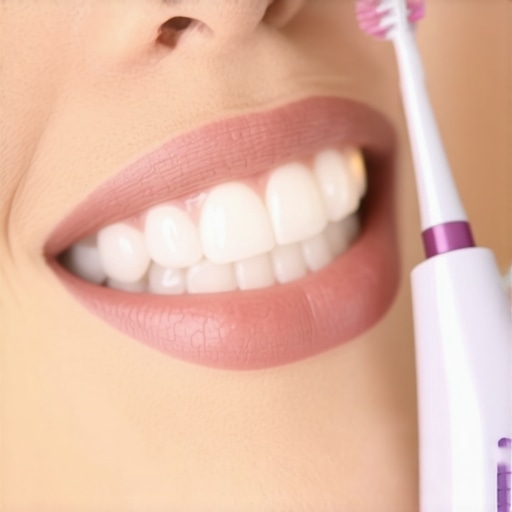
Can you actually over-clean your way into a dental emergency?
The short answer is yes. I often see ‘scrubbers’—people who use hard-bristled brushes and heavy pressure thinking they are being thorough. This aggressive approach is a fast track to gum recession and root exposure. Once the root is exposed, it does not have the protective enamel shield, making it incredibly sensitive and prone to decay. Understanding why your gums recede faster if you use a hard-bristled brush is the first step toward saving your smile from self-inflicted damage. True oral health isn’t about how hard you scrub; it’s about the nuance of timing and technique. If you’re struggling with stubborn discoloration that won’t budge no matter how much you brush, it’s often an internal issue. For instance, why professional whitening is the only way to fix tetracycline stains is because those stains are baked into the tooth structure itself, far beyond the reach of any over-the-counter paste. Have you ever fallen into this trap of over-brushing or rushing to the sink right after a meal? Let me know in the comments. If you’re worried about the state of your enamel, you can always contact us for a professional evaluation.
The High-Tech Toolbox for a Lifetime of Low-Stress Dental Visits
I’ve spent years trying every gadget on the market, from charcoal-infused bristles to high-frequency vibrating spatulas, but I’ve found that consistency beats novelty every time. My absolute secret weapon for maintaining oral health with expert advice for a lifetime of healthy teeth is the professional-grade water flosser. I personally switched to a high-pressure model because traditional floss was consistently shredding between my tighter molars, leaving me with irritated gums and missed spots. According to the American Academy of Periodontology, water flossing can be up to 29% more effective than traditional string floss for removing biofilm, especially for those of us prone to gingivitis. If you’re dealing with inflammation, you’ll see the benefits of using a water flosser for patients with gum disease within just two weeks of nightly use. I also recommend a dedicated cleaning routine for your protective gear; if you wear a retainer or guard, learning how to clean a nightguard without using harsh chemicals prevents that “cloudy” buildup and keeps the medical-grade plastic from degrading prematurely.
How do I maintain my smile’s brightness over time?
Longevity in dental health isn’t about one-off treatments; it’s about a system. For my friends who have invested in aesthetics, knowing how to maintain your porcelain veneers so they last twenty years is the difference between a true lifetime investment and an expensive five-year mistake. I use a non-abrasive gel rather than a standard whitening paste to avoid micro-scratching the porcelain surface. This is part of the preventive tips for long-lasting dental health for families that I live by every day. Even if you’ve had extensive work done, you still need to know how to clean coffee stains off your teeth without professional help safely so you don’t ruin the protective glaze on your crowns or bonding.
What the Next Decade of Dentistry Looks Like
We are entering the era of “Biometric Dentistry.” In the next few years, I expect to see toothbrushes equipped with saliva-testing sensors that can detect early signs of systemic diseases like diabetes or heart issues before you even feel a physical symptom. We are already seeing cosmetic dentistry innovations you cant miss this year that use 3D printing and AI to create perfect-fit restorations in under an hour. If you want to jump ahead of the curve, I challenge you to try this: replace your manual brush with a smart electric one that tracks your “coverage” via a smartphone app for just one month. You will be shocked at the blind spots you’ve been missing for years! If you’re ready to upgrade your routine or need a professional check-up to see how your current tools are performing, reach out to us today for a consultation.
The Hardest Lesson I Learned About Dental Phobia and Finances
If I could go back to that day in my car, staring at the clinic door, I’d tell myself that silence is the most expensive thing you can buy at the dentist. For years, I believed that my dental insurance was a black box I wasn’t allowed to open, but the real breakthrough happened when I stopped treating my dentist like a mechanic and started treating them like a healthcare partner. We often fall for oral health myths debunked early on, such as the idea that if a tooth doesn’t hurt, it doesn’t need attention. My biggest ‘lightbulb moment’ was realizing that dental insurance isn’t designed to keep you healthy; it’s designed to manage risk. When you take control of the conversation and provide the ‘medical necessity’ narrative yourself, you shift the power dynamic back in your favor.
- The Cost of Delay: Waiting until you are in pain to address a phobia usually costs three times more than being proactive with sedation early on.
- Communication is Currency: Insurance adjusters are more likely to approve a claim when your dentist includes specific keywords about ‘patient management’ and ‘documented anxiety.’
- Preventive Leverage: Using your two annual cleanings is the only way to effectively ‘game’ the insurance system to your advantage.
My Personal Toolkit for a Stress-Free Dental Life
I no longer leave my oral health to chance or guess at what my policy covers. I trust a very specific set of tools to keep my smile—and my bank account—intact. First, I always keep a digital copy of my ‘Summary of Benefits’ on my phone for quick reference during appointments. Second, I rely on expert advice for a lifetime of healthy teeth to vet any new gadget before I buy it. I’ve found that a high-quality water flosser and a smart electric brush with a pressure sensor are the only two tech investments that actually move the needle on my checkups. Lastly, I never agree to a procedure over $200 without a pre-determination letter. It’s the only way to ensure there are no ‘comfort charges’ hiding in the shadows.
#IMAGE_PLACEHOLDER_E#
Stop Waiting for a Dental Emergency to Take Action
Your path to a healthier, more confident smile doesn’t have to be paved with anxiety or unexpected bills. By demanding clarity on your insurance codes and prioritizing how regular teeth cleaning can prevent major dental issues, you take the steering wheel back. You deserve a dental experience that feels like a partnership, not a financial trap. Don’t let the fear of a drill or a bill keep you from the health you deserve. Have you ever been blindsided by a hidden cost at the dentist, or have you found a secret way to make your insurance play fair? Let me know your story in the comments below!