
I remember sitting in the waiting room, my palms sweating so much I nearly dropped my phone. The sound of the drill from the back room felt like it was vibrating inside my own skull. I had spent years avoiding the dentist, a mistake that turned a tiny cavity into a major ordeal because I was too terrified to even sit in the chair. I finally had to choose: do I take the ‘giggle gas’ or a pill that might knock me into next week? Today, I want to help you figure out which path is right for you, so you never have to white-knuckle a cleaning again.
I used to think all sedation was basically the same—you get sleepy, and the dentist does their thing. Boy, was I wrong. Early on, I made the mistake of assuming that heavy sedation was the only way to survive a long appointment. I ended up groggy and useless for an entire day when I probably could have just used something lighter. Learning how to manage dental anxiety without using heavy drugs opened my eyes to the fact that we have choices tailored to our specific level of ‘the jitters.’
Picking the Right Way to Calm Your Nerves
Choosing between laughing gas and a pill isn’t just about how scared you are; it is about how you want to feel afterward. Laughing gas, or nitrous oxide, is that sweet, slightly fruity-smelling air that makes you feel like you just had a very relaxing glass of wine. It wears off in minutes. On the flip side, oral sedation is a prescribed pill—usually something in the Valium family—that you take before you even arrive. It is a game changer for those of us who start shaking the moment we see the office sign. For instance, I’ve seen how oral sedation makes deep cleanings feel effortless for people who haven’t seen a dentist in a decade.
Is ‘Giggle Gas’ actually enough for real fear?
According to the American Dental Association, nitrous oxide is one of the safest sedatives in dentistry because it is easily regulated and reversed. But here is the truth: if your heart is racing and you feel like you need to bolt for the exit, it might not be enough. It is great for a mild case of the nerves or for the benefit of sedation for patients with a strong gag reflex, but it won’t make you forget the procedure. Oral sedation, however, often has an amnesic effect. You’re awake, but you just don’t care, and you likely won’t remember the boring details later. Have you ever had to cancel an appointment because the sheer thought of the chair made you feel physically ill? You aren’t alone, and you don’t have to suffer through it. Let’s break down the mechanics of these two so you can walk into your next visit with total confidence.
What to Expect When the Mask Goes On
The beauty of nitrous oxide is that it acts like an ‘off’ switch for your nervous system’s alarm bells. Once the small mask is placed over your nose, you just breathe normally through your nose. Within about three minutes, you’ll feel a tingling in your fingers and toes, followed by a heavy, warm sensation in your limbs. It’s like being wrapped in a weighted blanket while sitting in the chair. This is the gold standard for how we use nitrous oxide to help children stay calm, but it works just as well for adults who just need to take the edge off.
Control Your Intake Without the Hangover
Unlike other methods, your dentist can adjust the flow of the gas instantly. If you feel too floaty, they turn it down; if the sound of the scaler starts to bother you, they can bump it up. This control is vital when you’re focusing on maintaining oral health through routine procedures. The moment the gas is turned off and replaced with pure oxygen, the effects vanish. I once had a filling done during my lunch break with nitrous, and I was back at my desk answering emails twenty minutes later without a single ‘brain fog’ moment.
Plan Your Ride Home Before the Pill Kicks In
Oral sedation is a completely different beast. This isn’t something you can ‘shake off’ in the parking lot. I learned this the hard way during my first major appointment. I thought I could just call a car service once I was done, but I was so loop-de-loop from the medication that I couldn’t even remember my phone’s passcode to open the app. Most offices will require you to have a responsible adult physically walk you into the building and drive you home afterward because you are legally impaired.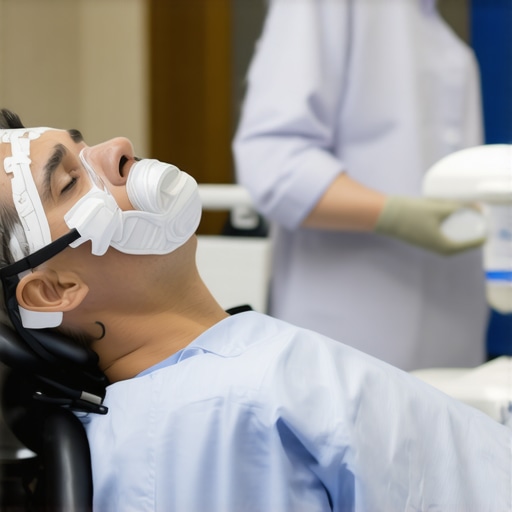
Why the Amnesia Effect is Your Best Friend
The pill, usually taken about an hour before your appointment, doesn’t just relax your muscles; it softens your memory. This is particularly helpful if you have a history of dental trauma. When you combine this with family dentistry tips that make oral care effortless and effective, you realize that the hardest part of the dentist is usually the anticipation, not the work itself. For many, oral sedation is the only way how regular teeth cleaning can prevent major dental issues because it removes the psychological barrier to even showing up for the appointment.
Stop the Gagging and Get the Work Done
One of the least talked about benefits of sedation is how it physically quiets your body’s reflexes. If you’ve ever felt like you were choking during a simple x-ray or a cleaning, you know the benefit of sedation for patients with a strong gag reflex. It’s not just in your head—it’s a physical response that sedation effectively numbs. This allows the dentist to work faster and more accurately, which means less time in the chair for you. When your body isn’t fighting the dentist, they can focus on precision, whether it’s a routine check-up or more complex family dentistry building a foundation of healthy smiles for all ages. Keeping your mouth open for long periods becomes effortless rather than a workout for your jaw muscles.
Beyond just surviving the chair with sedation, there is a massive misconception about what happens once you are actually awake and the tools start moving. Most people think a ‘deep cleaning’ is just a fancy way for dentists to charge more for a standard service. In my experience, treating a deep cleaning like a regular one is a recipe for losing teeth by age fifty. A standard cleaning deals with the surface, but when we talk about how regular teeth cleaning can prevent major dental issues, we’re often talking about reaching pockets that a toothbrush simply can’t touch. If your dentist suggests scaling and root planing, they aren’t trying to upsell you; they are trying to save your jawbone.
The silent trap of receding gums
One of the biggest traps I see involves people waiting until they see blood to worry about their gums. However, by the time your gums are visibly receding or bleeding, you’ve likely already lost some of the supporting structure. I used to think my receding gum line was just a side effect of aggressive brushing or ‘getting older.’ But the reason your gums recede even if you have good habits often comes down to internal inflammation that doesn’t always hurt. Ignoring these silent shifts is the fastest way to turn a routine visit into a surgical one. It’s an ‘oops’ moment that can cost thousands later.
Does changing your smile’s look actually protect your bite?
We often categorize ‘cosmetic’ work as vanity, but the nuance most people miss is that aesthetics and function are two sides of the same coin. According to the American Academy of Periodontology, chronic inflammation from gum issues can increase the risk of systemic diseases like diabetes and heart disease. When you look into contouring veneers, you aren’t just getting a ‘pretty’ smile; you’re often correcting a bite pattern that would otherwise wear down your enamel prematurely. This is why revolutionary teeth cleaning techniques for 2025 focus so much on the microscopic level rather than just the sparkle. I’ve seen patients spend years on whitening only to realize the real issue was the alignment of their teeth causing uneven wear.
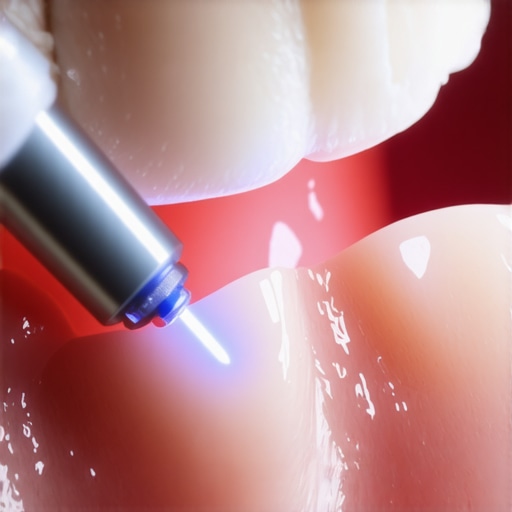
Another common mistake is assuming that family dentistry is just about getting the kids to sit still. In reality, family dentistry tips that make oral care effortless and effective are about monitoring genetic predispositions across generations. If I know your parents lost teeth early due to bone density issues, I can be more proactive with your care today. Many patients are surprised to learn that teeth cleaning techniques and benefits have evolved to include air-polishing and laser-assisted bacteria removal. These aren’t just gadgets; they are the difference between managing a disease and actually curing the environment that causes it. Don’t let oral health myths dictate how you treat your mouth. The ‘perfect’ smile isn’t just about white teeth; it’s about a foundation that doesn’t crumble the moment you stop paying attention. Have you ever fallen into the trap of thinking a procedure was ‘just cosmetic’ only to find out it was actually necessary for your health? Let me know in the comments.
I used to think my job was done the second I walked out of the clinic door. But the truth is, even the most expensive dental work in the world will fail if you treat your home care like an afterthought. After investing in my own health, I’ve realized that maintaining oral health is more about the tools you use every day than the big appointments every six months. I swapped my manual brush for a pressure-sensing electric model years ago, and it changed everything. I used to think I was doing a great job until my dentist pointed out the wear on my enamel from sheer brute force.
The Gear That Actually Saves Your Gums
Most people buy a toothbrush based on the color or the price tag, which is a massive mistake. I swear by brushes with a built-in pressure sensor because I’m a chronic ‘scrubber’—I used to press so hard I was literally filing my gums away. According to a meta-analysis in the Cochrane Database of Systematic Reviews, electric toothbrushes provide a statistically significant reduction in plaque and gingivitis compared to manual brushing over both short and long terms. But you have to use the right one for your specific mouth. For me, finding the best toothbrush texture for people with receding gums was the turning point. Soft bristles are non-negotiable if you want to keep your natural teeth into your eighties.
How can I keep my smile healthy between visits?
It is all about consistency, not intensity. You cannot ‘binge clean’ your teeth the night before an appointment and expect to hide six months of neglect. One of my favorite preventive tips for long-lasting dental health for families is to upgrade to an interdental cleaner—not just the stringy floss that most of us find tedious. I personally use a water flosser with a drop of antimicrobial mouthwash in the tank. It reaches the deep pockets that regular floss misses, especially around any contouring veneers or bridges where bacteria love to congregate and cause trouble. #IMAGE_PLACE_HOLDER_D#
AI is Coming for Your Toothbrush
Looking ahead to the next few years, I predict we are going to see a massive shift toward bio-adaptive materials and AI-driven home diagnostics. We are already seeing revolutionary teeth cleaning techniques for 2025 that involve smart brushes that track exactly where you missed a spot and send a real-time report to your phone. This isn’t just ‘tech for the sake of tech’; it is about scaling your personal care so that you never have to guess if you are doing it right. Imagine a world where your toothbrush alerts your dentist to a potential cavity before you even feel the first twinge of pain. We are closer to that than you think. Stop guessing if your brushing is effective. This week, I want you to try switching to a soft-bristled head and spend exactly 30 seconds on each quadrant of your mouth—no rushing, no heavy pressure. You will be amazed at how much different your teeth feel after just three days of actually hitting every surface properly.
The Hard Realities I Ignored Until My Gums Started Giving Up
Looking back at my years of dental avoidance, I realized that my fear wasn’t actually of the dentist, but of the loss of control. I spent so much time falling for oral health myths that I convinced myself my teeth were just ‘naturally bad’ and there was nothing to be done. Here are the lightbulb moments that finally changed my perspective:
- Fear is more expensive than maintenance: I spent thousands on major repairs that could have been avoided with simple, twice-yearly teeth cleaning visits.
- Sedation is a bridge, not a crutch: Using laughing gas or oral sedation isn’t ‘cheating.’ It is a legitimate medical tool that allows you to get the care you need without re-traumatizing yourself.
- Prevention is a family affair: Once I started applying family dentistry tips that make oral care effortless and effective, my children developed a completely different, positive relationship with the chair than I ever had.
The Daily Gear That Keeps Me Out of the Specialist’s Chair
I’ve learned that what happens in the bathroom mirror every morning is just as important as what happens in the clinic. My ‘survival kit’ for maintaining oral health has been narrowed down to a few essentials. First, I stopped using medium or hard bristles; finding the best toothbrush texture for people with receding gums was a game-changer for my sensitivity. Second, I recommend the Cochrane Library for anyone who wants to read the actual science behind why electric brushes outperform manual ones. Finally, I always keep a high-quality fluoride rinse on hand to fortify enamel between professional visits.
#IMAGE_PLACEHOLDER_E#
Take the First Step Toward a Fear-Free Smile
Whether you are looking into the impact of cosmetic dentistry in 2025 or you just need a basic check-up, remember that you are the one in charge of the pace. Modern dentistry has evolved to be incredibly gentle, and with the right sedation choice, the ‘scary’ parts simply fade into the background. Don’t let another year pass by while a small issue grows into a large one. Your future self—and your smile—will thank you for making the call today. Which part of the dental visit usually makes you the most anxious? Let me know in the comments below.