
I spent a solid week convinced that my back molar was rotting right out of my head. Every time I bit down on a piece of sourdough, a sharp, angry jolt shot through my jaw, and I’d spend the next ten minutes poking my gums with a finger, trying to find the hidden ‘hole.’ I had made a massive mistake earlier that year by ignoring my biannual checkups to save a few pennies, and I was sure my luck had finally run out. I was already calculating how many extra shifts I’d need to pick up just to cover a surprise root canal. But when I finally sat in that leather chair and saw my dentist, he didn’t reach for a drill. Instead, he pointed at the wear facets on my molars—tiny, flat ‘skating rinks’ where I’d been grinding my teeth into dust during my sleep. I didn’t have a cavity; I had a deadline-induced jaw crisis. Today, I’m going to help you figure out if that throb in your mouth is a sign of a dental decay emergency or if you’re just carrying the weight of the world between your teeth. [IMAGE]
Why Your Jaw is Screaming at You This Morning
Jaw pain is one of those sneaky symptoms that can mean a dozen different things, but we usually jump to the scariest and most expensive conclusion first. If you’ve been feeling a persistent tightness that radiates up toward your ears, it’s often your body’s way of processing external pressure. We often talk about the connection between stress and your worn-down molars, yet we rarely listen to our bodies until we can’t even open our mouths to eat a morning bagel. The goal today is to give you a clear roadmap so you can stop the endless, anxious scrolling through dental horror stories. Have you ever noticed that your ‘toothache’ suddenly disappears the moment you’re on vacation or finally hit ‘send’ on a massive project? If so, you are likely dealing with muscle tension rather than a bacterial infection. However, ignoring that tension is just as dangerous as ignoring a hole in your tooth.
Is a professional exam actually worth the hassle for a little ache?
You might be thinking that as long as you aren’t screaming in agony, you can just wait it out until your next scheduled cleaning. I thought the same thing, and let me tell you, it’s a gamble that rarely pays off in your favor. I once ignored a dull ache that wakes you up at night for an entire month, only to find out that the constant clenching was actually the root cause of my daily tension headaches. In fact, understanding the connection between grinding your teeth and frequent migraines was the lightbulb moment I needed to finally take my oral health seriously. According to the Mayo Clinic, chronic teeth grinding (bruxism) can eventually lead to jaw disorders, tooth fractures, and even damage to the bone surrounding your teeth. So, while a visit might feel like a logistical chore, catching the difference between a cavity and clenching early can actually save you significant money in the long run by avoiding major structural repairs. Have you ever woken up with a sore face and just assumed it was your pillow’s fault?
Spot the Difference Before You Panic
When you have a cavity, it’s usually a ‘localized diva’—it wants all the attention in one specific, tiny spot. If you drink a glass of ice-cold water and feel a sharp, lightning-bolt sting in one specific tooth, that’s a classic cavity signal. Stress pain, on the other hand, is more like a heavy, dark cloud that hangs over your whole face. It’s that deep, muscular fatigue in your temples. My mistake was assuming that pain was just ‘part of being an adult,’ but your teeth shouldn’t feel like they’re being held in a vice. If the pain is worse after a long day at the office, your brain might be taking its frustration out on your enamel.
Run the Cold Water Test First
If you are unsure if a tooth is actually dying or if your jaw is just angry, reach for an ice cube. Take a sip of cold water and direct it toward the suspected area. If you feel a sharp, immediate sting that lingers for several seconds, you are likely dealing with a nerve issue or a cavity. On the flip side, if the cold feels almost good or you have no reaction at all, but your jaw feels like it has been through a boxing match, you are looking at a muscular problem. I remember sitting in my kitchen at 2 AM, pressing a frozen bag of peas to my cheek, trying to figure out how to stop cold water from triggering sharp nerve pain in one tooth. That moment of clarity—realizing it was not the temperature but the pressure causing the throb—changed my entire treatment plan and saved me from an unnecessary emergency room bill. 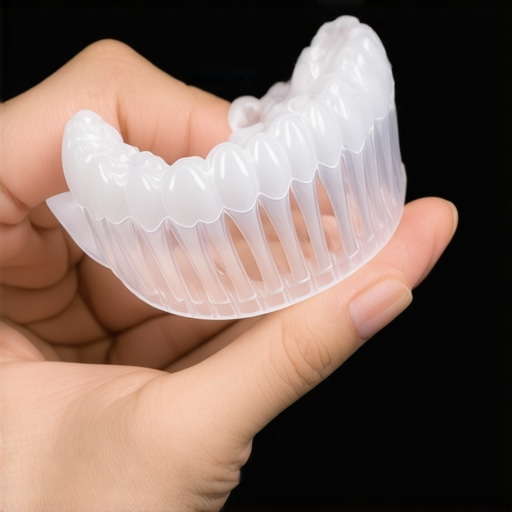
Soften Your Bite with a Nighttime Reset
Most of us treat our jaws like a clenched fist all day long. To break the cycle, you need to practice a technique called ‘lips together, teeth apart.’ It sounds simple, but try doing it while you are stuck in traffic or focusing on a spreadsheet. If your teeth are touching when you are not actively chewing, you are wearing down your enamel and putting immense pressure on your roots. This constant friction is why so many people struggle with a dull ache that wakes you up at night. When I first started focusing on my jaw posture, I realized I was biting the inside of my lip during stressful emails—literally eating my own stress. By consciously relaxing the tongue and keeping it on the roof of the mouth (the ‘N’ position), you take the load off those hinges and allow the muscles to recover.
Stop Ignoring the Wear Facets
Those tiny flat spots my dentist found are called wear facets, and they are the forensic evidence of your sleep habits. If you see these shiny, flattened areas on your molars, you need to address the root cause, which often includes the impact of nighttime mouth breathing on your teeth. Mouth breathing dries out your saliva, which is your mouth’s natural defense against decay, making those ground-down surfaces even more vulnerable to cavities. A professional cleaning is not just about polishing away coffee stains; it is a full audit of your structural integrity. Understanding how regular teeth cleaning can prevent major dental issues means realizing that a hygienist can see the microscopic cracks you cannot feel yet.
The Pencil Trick for Immediate Relief
When the tension is so high you feel a migraine coming on, grab a pencil. Place it horizontally between your teeth and hold it gently without biting down. This forces the jaw muscles to stay in a neutral, relaxed position because you cannot clench and hold a pencil loosely at the same time. I tried this during a particularly brutal tax season when my jaw felt like it was made of concrete. I sat at my desk for ten minutes with a pencil in my mouth like a confused golden retriever, but the relief was almost instantaneous. It is a low-tech way to reset the nervous system and give those overworked muscles a break before they cause permanent damage to your bite.Most people think they can reset a month of bad habits with one aggressive scrubbing session before their appointment. I used to be the person who would brush until my gums bled the morning of a cleaning, thinking I was helping my hygienist. In reality, I was just creating inflammation that made the actual scaling process more painful. The contrarian truth is that the harder you clean at home, the more likely you are to cause permanent damage that no amount of cosmetic work can easily undo. If you have ever reached for the pantry to save money, you should know the truth about using baking soda as a toothpaste: it is essentially like using sandpaper on fine china. It is one of the biggest oral health myths debunked lately—your enamel does not grow back once it is scrubbed away.
Stop treating your teeth like a kitchen floor
We have this obsession with the feeling of ‘squeaky clean’ teeth, but that friction often comes at the cost of your gum line. According to research published by the American Dental Association, using highly abrasive pastes can lead to cervical wear, which explains the reason your gums recede even if you have good habits. This is the ultimate ‘oops’ factor: you think you are being a dental superstar, but you are actually creating sensitive notches at the base of your teeth that eventually require expensive bonding or veneers to fix. 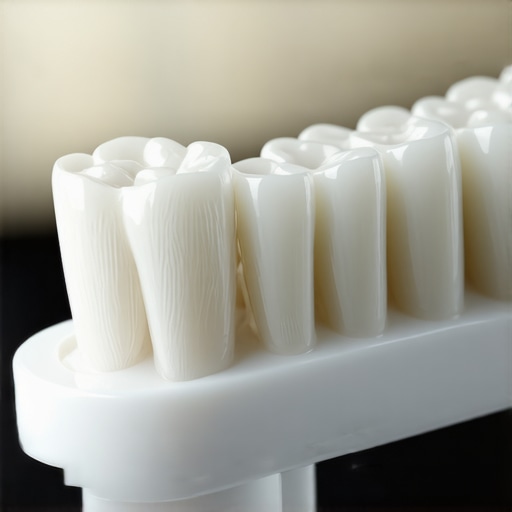
Is your perfectly white smile hiding a structural disaster?
This is a question I get from readers who are obsessed with the most common mistakes people make with whitening strips. Whiter does not always mean healthier. If you are whitening teeth that have thinned enamel from over-brushing, you are essentially bleaching the porous ‘dentin’ underneath, which can lead to permanent sensitivity. A sophisticated oral health routine focuses on the ultimate guide to teeth cleaning techniques and benefits that prioritize biofilm removal over surface abrasion. For example, did you know that the acidity in your mouth after a meal softens your enamel? If you brush immediately after eating an orange, you are literally brushing your enamel away. Learning how long you should really wait to eat after a cleaning or a meal is a nuanced detail that separates the amateurs from the experts. Have you ever fallen into this trap of over-cleaning? Let me know in the comments.My bathroom counter looks less like a vanity and more like a high-tech laboratory these days, and honestly, I wouldn’t have it any other way. I’ve realized that the tools we choose are the first line of defense in maintaining oral health and getting expert advice for a lifetime of healthy teeth. For me, the game-changer wasn’t the most expensive whitening kit, but switching to a pressure-sensing electric toothbrush. If you’re a ‘power brusher’ like I was, you’re likely destroying your gum line without even realizing it. Finding the best toothbrush texture for people with receding gums is a non-negotiable step if you want to avoid sensitivity. I personally use an oscillating-rotating brush because the clinical evidence is hard to ignore. According to a systematic review by the Cochrane Library, powered toothbrushes reduce plaque by 21% and gingivitis by 11% more than manual brushes after just three months of use. This isn’t just a marginal gain; it is the difference between a clean checkup and a deep-cleaning appointment.
How can I keep my teeth healthy as I get older?
Maintenance is not a sprint; it’s a marathon that involves preventive tips for long-lasting dental health for families that you actually stick to every single night. I’ve added a water flosser to my routine because, frankly, I’m lazy with traditional string floss, and the water flosser makes it feel like a mini-spa treatment for my gums. It’s about building a foundation of family dentistry that works for all ages. 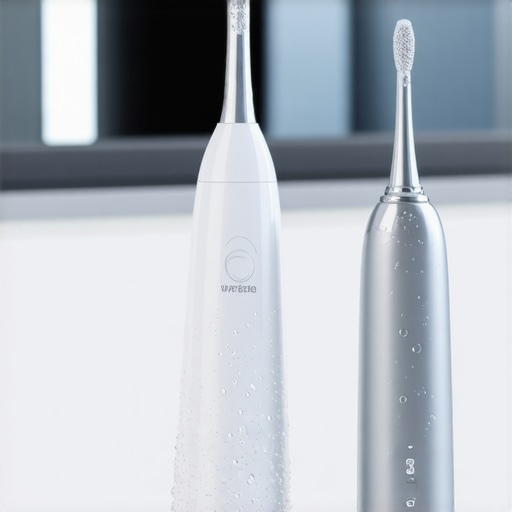 Looking ahead, I predict we are going to see a massive shift toward AI-integrated brushes that track your coverage in real-time on your phone, and perhaps even bio-active glass toothpastes that help remineralize enamel while you sleep. We are moving away from reactive ‘drilling and filling’ and toward a future where our tools predict problems before they happen. If you want to see a change today, I challenge you to set a timer for exactly two minutes tonight. Most people think they brush for ages but barely hit the forty-second mark. Give your mouth the full 120 seconds it deserves and feel the difference in texture tomorrow morning. It’s the easiest way to ensure that regular dental cleanings save you money in the long run by keeping the heavy lifting at the clinic to a minimum.
The Expensive Lessons My Stubborn Jaw Taught Me
Reflecting on my journey from jaw pain panic to peace of mind, I’ve realized that pain is often a signal for change rather than a sentence for surgery. One of the biggest lightbulb moments was discovering that many oral health myths debunked recently—like the idea that aggressive scrubbing equals cleaner teeth—were actually the source of my sensitivity. I also learned that how regular dental cleanings can save you money in the long run isn’t just a marketing slogan; it is a financial strategy. By catching my grinding early, I avoided thousands in restorative work. Finally, I’ve come to accept that a ‘perfect’ smile is less about the shade of white and more about the structural integrity of the enamel.
Tools That Actually Earned a Permanent Spot on My Counter
I don’t believe in cluttering the bathroom with every gadget on the market, but three things changed my daily life. First, a pressure-sensing electric toothbrush is non-negotiable for anyone who brushes too hard. Second, a water flosser has made maintenance feel like a spa treatment rather than a chore, which is vital for maintaining oral health and getting expert advice. Lastly, I always keep a tab open for the American Dental Association (ADA) science blog; it is the only way to avoid the most common mistakes people make with whitening strips and other at-home trends. These tools provide the precision that manual effort simply cannot match.
#IMAGE_PLACEHOLDER_E#
Take Control of Your Smile’s Future Today
Your journey toward a pain-free mouth doesn’t have to be a series of emergencies. It starts tonight with a simple two-minute timer and the conscious decision to keep your teeth apart while you work. When you master the ultimate guide to teeth cleaning techniques and benefits, you aren’t just cleaning teeth; you are preserving your quality of life. High-quality oral health is a marathon, not a sprint, and every small adjustment you make today protects your smile for decades to come. Have you ever realized your ‘toothache’ was actually just a stressful week at work? Let me know in the comments below!