
I still remember the cold sweat that broke out when my dentist handed me a quote for a full set of implants. It was more than I’d spent on my last three cars combined. I walked out of that office feeling like my smile was a luxury I simply couldn’t afford. It felt visceral—a mix of embarrassment and genuine fear for my future oral health. But after months of research and a few dead ends, I discovered that the sticker price isn’t always the final word. Today, I am sharing exactly how I navigated the system to get my confidence back without emptying my savings. I want to show you that there is a middle ground between ‘bankrupting yourself’ and ‘settling for less.’
Why the First Quote Isn’t the Final Word
It’s easy to feel defeated when you see a five-figure estimate. I made the mistake of thinking my only options were the local high-end clinic or a flight to a country I couldn’t find on a map. I nearly signed up for a bargain-basement deal until I realized that diagnostic standards matter more than the titanium post itself. For instance, learning why our Culpeper practice won’t place a dental implant without a CBCT scan opened my eyes to the risks of ‘budget’ clinics that skip vital imaging. Cutting corners on diagnostics is how you end up paying twice. You have to look at the big picture: how dental implants can stop your face from looking older by preserving your jawbone, which saves you a fortune in future reconstructive work. Investing in the right foundation now prevents the sunken-face look that often follows tooth loss. [image placeholder]
Will a lower price mean a lower quality of care?
This is the biggest fear I hear from people, and honestly, I had it too. The truth is, you can find savings by looking for dental schools, seeking out specialists who perform these procedures daily, or even just timing your treatment to maximize insurance benefits across two calendar years. I once thought that how regular dental cleanings can save you money in the long run was the only way to be frugal at the dentist, but even at the implant stage, there are ‘insider’ moves that don’t involve compromising your safety. According to the American Academy of Implant Dentistry, while the initial cost of implants is higher than alternatives like dentures, they are often more cost-effective over a lifetime because they do not require the frequent relining or replacement that traditional prosthetics do. Have you ever felt like you had to choose between your dental health and your financial stability? It’s a tough spot to be in, but it is not a dead end. We are going to look at the specific steps to bring those numbers down while keeping your smile spectacular.To start, you have to treat your dental benefits like a chess match rather than a simple bank account.
Leverage Your Insurance by Timing the Procedure Right
Many people think their dental insurance is a lost cause for major work because of the low annual maximums, but the secret is in the bridge. Most policies reset on January 1st. If you schedule your initial extraction or necessary bone grafting in November or December and the actual implant placement in January, you can often apply two full years of maximum benefits toward a single tooth restoration. This move alone saved me nearly $2,000 on my own treatment. It turns the process from an insurmountable wall into two manageable financial steps. However, you must understand the difference in recovery time between bone grafts and simple implants so you can time those appointments without rushing your body’s natural healing process.
Demand Modern Tools to Avoid Expensive Mistakes
One of the biggest eye-openers for me was realizing that modern technology isn’t just a luxury for the dentist; it is a safeguard against expensive failures for you. I once visited a clinic that offered a rock bottom price, but they were still using those goopy, gag-inducing molds to map out my mouth. I quickly learned that precision is everything when you are drilling into bone. Now, I always ask how we use digital scanners to avoid messy dental molds and ensure the fit is perfect from day one. A digital workflow means fewer adjustments later and a much lower risk of the implant failing due to poor positioning. Investing in a clinic that uses these tools might cost a few dollars more upfront, but it prevents the multi-thousand dollar disaster of a rejected implant. 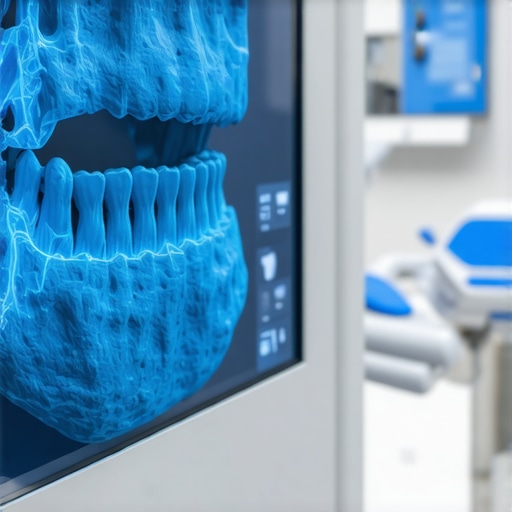
Fix Your Foundations Before You Build
Think of your mouth like a construction site where you wouldn’t put a luxury skyscraper on a swamp. I prioritized getting my gum health in check before even talking about surgery. If you have active inflammation, your body is too busy fighting infections to fuse with a new titanium post. This is where how regular teeth cleaning can prevent major dental issues becomes your best financial strategy. Every dollar spent on a professional cleaning is a hundred dollars saved on a potential implant rejection. I learned the hard way that skipping a routine cleaning can lead to bacteria that migrates toward your new investment during the healing phase. Knowing how to prepare for your first dental implant surgery consultation involves ensuring your oral environment is healthy enough to support metal.
Master the First Few Days of Recovery
The meat of the success happens in the silence of your own home during the first 48 hours after surgery. I remember being so nervous about the pain that I almost forgot to focus on the actual structural care. I stayed upright, used cold compresses religiously, and avoided straws to prevent pressure changes in my mouth. If you don’t know how to manage the first 48 hours after getting a dental implant, you risk a dry socket or a localized infection that could send you back to square one. My recovery was successful because I followed the protocol to the letter, treating that new implant like a fragile seedling that needed a perfect, undisturbed environment to grow into my jawbone.
After moving past the initial recovery of major work, I realized that many of us are unknowingly sabotaging our oral health with ‘common sense’ habits that are actually quite destructive. For years, I believed that brushing immediately after a meal was the gold standard for hygiene. However, this is a dangerous misconception that ignores the basic chemistry of your mouth. When you consume acidic foods or drinks—think coffee, citrus, or even healthy fruit smoothies—your enamel temporarily softens. If you go in with a toothbrush right away, you are essentially scrubbing that softened enamel off your teeth. This is why we recommend waiting thirty minutes to brush after eating fruit or any acidic meal, as it allows your saliva to naturally re-mineralize the tooth surface. A study published in the Journal of the American Dental Association (JADA) confirms that mechanical wear is significantly higher when brushing occurs immediately after an acidic challenge. Have you ever fallen into this trap of ‘over-cleaning’ out of fear for your teeth? Let me know in the comments.
Stop Scrubbing Your Enamel Away
The ‘Oops’ factor in many dental routines is often the tool itself. Many of us gravitate toward ‘firm’ or ‘hard’ bristles, thinking they provide a deeper, more satisfying clean. In reality, they act like a harsh abrasive on your delicate gum tissue and thin enamel layers. This explains why your gums recede faster if you use a hard-bristled brush. Unlike skin, gum tissue does not simply grow back once it has been pushed away or eroded. This recession leads to root exposure and intense nerve sensitivity that can eventually compromise even the most expensive dental restorations. Using a soft-bristled brush with a gentle, circular motion is far more effective at removing biofilm without causing structural trauma.
What happens when your cosmetic goals clash with your dental health?
Many patients seek out professional whitening to fix discoloration, but if you have naturally thin enamel, standard bleaching can actually backfire. Over-whitening can lead to a gray, dull, or see-through appearance because the enamel becomes more translucent, allowing the darker internal structures of the tooth (the dentin) to show through more clearly. This is a common reason why your front teeth feel thin or see-through at the edges. Understanding the safest way to whiten teeth if you have thin enamel is crucial for maintaining a look that is healthy and youthful, not just artificially bright. Sometimes, the ‘nuance’ is knowing when to stop bleaching and start focusing on mineral density.
The Brushing Paradox Most People Ignore
For those managing a household, the nuances are even more complex. I’ve found that family dental care hacks to keep your kids smiling daily often involve focusing on ‘when’ and ‘how’ rather than just the duration of the brush. Falling for oral health myths debunked, such as the idea that baby teeth don’t matter because they fall out anyway, can lead to spacing issues and chronic infections that haunt the permanent teeth for decades.  Focusing on the top 5 secrets to maintaining perfect oral health as a family means looking at the microscopic level—preventing the sticky biofilm from ever hardening into tartar. This is exactly where how regular teeth cleaning can prevent major dental issues becomes your most powerful financial tool. Every professional cleaning is a preventative strike against the systemic inflammation that causes bone loss and tooth decay. If you are ready to ensure your smile lasts a lifetime, follow maintaining oral health expert advice for a lifetime of healthy teeth and treat your bi-annual checkups as the non-negotiable foundations of your overall wellness strategy.
Maintaining a high-end dental restoration or even just a natural, healthy set of teeth requires moving beyond the basic drugstore aisle. I’ve personally found that the ‘set it and forget it’ mentality is the quickest way to end up back in the chair for a costly repair.
Water Flossers Win Every Time
If you are still struggling with string floss, you are likely leaving behind a significant amount of plaque in the deep pockets between your teeth. I made the switch to a high-pressure water flosser years ago, and my hygienist noticed the difference within three months. The reason it works so well isn’t just the water—it’s the pulsation. According to a study published in the Journal of Clinical Periodontology, water flossing is significantly more effective at reducing gingival bleeding and inflammation than traditional string floss because it reaches areas that physical floss simply cannot touch. This is exactly the benefits of using a water flosser for patients with gum disease that I wish I had known about earlier. It turns a chore into a highly effective thirty-second routine that protects the seal around your gumline. 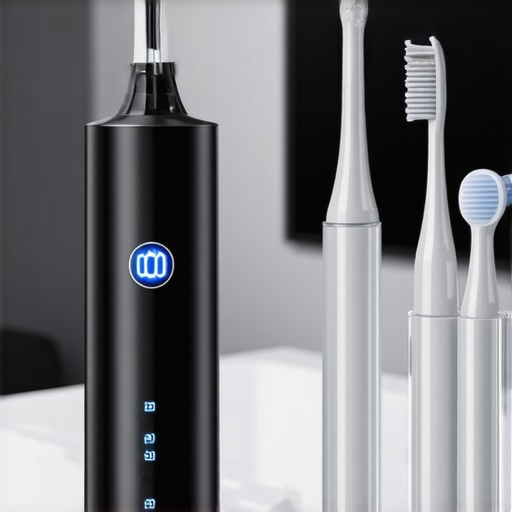
How can I keep my dental work strong for decades?
The secret lies in treating your crowns, veneers, or implants with the same respect you give to a luxury watch. For those of us who have invested in aesthetics, knowing how to maintain your porcelain veneers so they last twenty years is about more than just brushing; it’s about mechanical protection. I never go to sleep without my custom nightguard. If you grind your teeth, you are exerting hundreds of pounds of pressure that can chip even the strongest zirconia or composite. Learning how to clean a nightguard without using harsh chemicals ensures you aren’t introducing unwanted bacteria or degrading the material over time. These small, daily habits are the real preventive tips for long-lasting dental health for families that move the needle. Consistency with these tools is what separates a ten-year restoration from a thirty-year one.
Smart Tech is Changing How We Brush
Looking ahead, I predict that ‘passive monitoring’ will become the standard of care for every household. We are already seeing cosmetic dentistry innovations you can’t miss this year that include AI-integrated toothbrushes that map your mouth in real-time on your smartphone. This tech doesn’t just tell you that you brushed for two minutes; it tells you exactly which molar you missed and if you’re applying too much pressure to the enamel. This level of data is the future of maintaining oral health expert advice for a lifetime of healthy teeth. Eventually, we will likely use handheld intraoral cameras to send high-resolution photos to our dentists for virtual check-ins, catching issues before they require a drill. If you haven’t yet, I strongly encourage you to upgrade to a professional-grade water flosser this week—it is the single most effective tool for protecting your financial and physical investment in your smile.
Hard-Won Lessons from My Own Smile Transformation
Reflecting on my journey, I’ve realized that the most expensive mistakes aren’t the ones we pay for at the clinic—they are the ones we pay for in years of neglect. One ‘lightbulb moment’ for me was realizing that a toothache is a late-stage signal; by the time it hurts, you’ve already missed the chance for a simple fix. I also learned that the quality of your dentist’s lab matters just as much as the dentist themselves. If they use a cut-rate lab to manufacture your crowns, you’ll be back in that chair in five years instead of twenty. Finally, I discovered that skepticism is your best friend. Always ask for the ‘why’ behind a recommendation. A provider who takes the time to explain the science is one who values your long-term health over a quick profit.
My Personal Toolkit for a Lifetime of Low-Maintenance Health
I don’t just rely on luck; I rely on a specific set of tools and knowledge bases that keep my costs down. First, I highly recommend investing in a professional-grade water flosser—it is the only way I’ve found to effectively manage plaque without the frustration of traditional string. Second, I frequently revisit oral health myths busted: what every family should know to ensure I’m not falling for marketing gimmicks that can actually damage my enamel. Third, I keep the ultimate guide to teeth cleaning techniques and benefits bookmarked as a refresher on the mechanics of a perfect scrub. [image placeholder] Using these resources has transformed my bi-annual checkups from stressful events into simple ‘all-clear’ confirmations.
The Future of Your Confidence is Within Reach
Taking control of your dental health is about more than just avoiding pain; it is about the freedom to laugh, eat, and speak without a second thought. Whether you are currently researching top 5 secrets to maintaining perfect oral health as a family or preparing for a major procedure, remember that you are your own best advocate. Modern technology has made achieving a beautiful smile more accessible than ever, and by staying informed, you can ensure that every dollar you spend is an investment in your future self. Your journey toward better oral health doesn’t have to be a solo trek. If you have questions about where to begin your reconstruction or maintenance plan, feel free to contact us for guidance tailored to your specific needs. What is the one biggest fear or question currently keeping you from scheduling your next dental visit? Let me know in the comments below!