
I’ll never forget the morning I finally threw my expensive bottle of ‘Cool Mint’ mouthwash into the trash. There I was, leaning over the sink, tears pricking my eyes, trying to count to thirty while my gums felt like they were being power-washed with liquid fire. For years, I’d been a bit of a dental health perfectionist, thinking that if it didn’t hurt, it wasn’t killing the bacteria. I figured it was just part of the price you paid for a professional level of clean. I even worried why my tongue felt scalded even when I hadn’t eaten anything hot, thinking I was just inherently sensitive. It turns out, I was just nuking my mouth’s natural ecosystem with way too much alcohol. Today, I’m going to share exactly why that burn happens and how you can achieve a fresh smile without the torture. [image placeholder]
The Lie That the Burn Means Success
Most of us grew up with the idea that the intense, eye-watering sting of a mouthwash is a badge of honor. It’s a classic marketing trick: if you can feel it, it’s ‘working.’ But I learned the hard way that this sensation is often just the alcohol—usually ethanol—drying out your delicate oral tissues. High alcohol content can actually irritate your mucous membranes, leading to a sensation not unlike a sunburn inside your mouth. I used to make the most common mistakes people make with whitening strips and mouthwash, thinking aggressive was always better. But if you’re already dealing with sensitive gums, that alcohol is your worst enemy. According to research published in the Journal of Clinical Periodontology, high-alcohol mouthwashes can significantly alter the moisture levels in your mouth, which might even contribute to bad breath problems later in the day because a dry mouth is a bacteria’s favorite playground.
Is that stinging sensation actually worth the hype?
The short answer? Absolutely not. While alcohol is great for sanitizing a countertop, your mouth is a living, breathing environment. When I finally switched to an alcohol-free routine, I noticed my morning breath actually improved because I wasn’t drying out my saliva—the very thing that naturally fights bacteria. If you’ve been wondering why your tongue gets sore after using a new mouthwash, you aren’t alone, and you aren’t ‘weak’ for hating the sting. We’re going to look at how to get that deep-clean feeling without the chemical-fire side effects. Have you ever had to spit out your mouthwash early because the pain was just too much? It’s time we talk about what’s actually happening to your enamel and gums when you feel that heat.
To move past the pain, you first need to audit your bathroom cabinet and eliminate the culprits causing that fire-alarm sensation. I transitioned to formulas containing xylitol and essential oils like peppermint or tea tree. These provide the ‘cool’ sensation without the corrosive effect of ethanol. If you are following gentle teeth cleaning best practices for sensitive gums, you’ll find that these alternatives actually support your mouth’s natural healing process rather than stripping it bare. Look for ‘neutral pH’ on the bottle; acidic rinses can actually soften your enamel temporarily, making it more prone to wear during your routine. 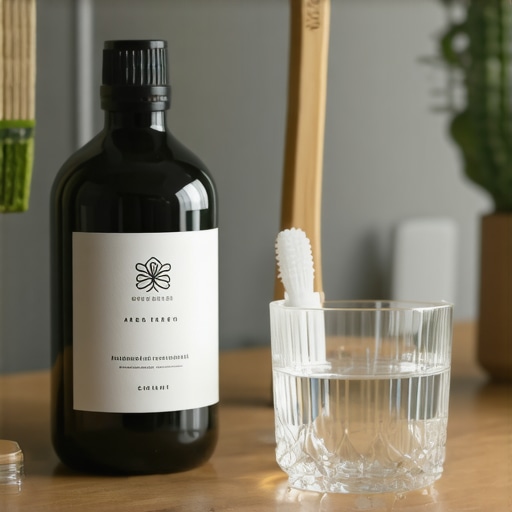
Wait Before You Rinse
One of the biggest mistakes I made for years was rinsing immediately after brushing. It feels natural, right? But doing this actually washes away the concentrated fluoride from your toothpaste before it has a chance to penetrate the surface of your teeth and provide protection. I learned that for maintaining oral health, you should wait at least 30 minutes after brushing before using any mouthwash. This gap allows the toothpaste to do its job, and the mouthwash to act as a secondary defense layer later in the day. Think of it like letting a stain remover sit on a shirt before putting it in the wash—it needs time to react with the surface for the best results.
Gentle Swishing Actually Works Better
You don’t need to shake your head like a paint mixer to get a clean mouth. I used to be so aggressive that I’d end up with sore cheeks and micro-tears in my tissue. Now, I use a slow, methodical ‘rolling’ motion with the liquid, pushing it between each tooth individually with my tongue and cheek muscles. This ensures the fluid reaches the tight spaces where plaque hides without causing the kind of pressure that makes your gums throb after brushing too vigorously. Last summer, I tried a new ‘clinical’ brand just before a week-long business trip. By day three, my gums were so raw I couldn’t even enjoy the hotel breakfast. I had to pivot to a simple salt-water rinse until I could get home to my regular alcohol-free routine. It was a wake-up call that consistency is about comfort, not intensity.
How to Avoid Triggering Your Gag Reflex
Many people who experience sensitivity also struggle with a strong reaction to liquids at the back of their throat. I used to be one of them, which made rinsing feel like a chore I wanted to skip. To overcome this, focus on keeping the liquid in the front two-thirds of your mouth and avoid looking up at the ceiling while you swish. If you’ve ever needed to know how to stop a toothbrush gag reflex instantly, the same principle applies to mouthwash: keep your airway clear and don’t tilt your head back excessively. Applying these family dentistry tips turned my morning routine into something I actually look forward to. For a deeper dive into the mechanics of why this works, the ultimate guide to teeth cleaning techniques and benefits explains how different fluids interact with your oral microbiome.
While finding a mouthwash that doesn’t burn is a great first step, let’s dig deeper into a nuance that even the most dedicated brushers often miss: the ‘look-good, feel-bad’ paradox. Many people assume that if their teeth are white and their breath is minty, they’ve mastered maintaining oral health. This is a common misconception. In my experience, focusing only on the visible surface is a major trap. According to a study published by the American Academy of Periodontology, nearly half of adults over 30 have some form of periodontal disease, many of whom have perfectly white teeth. This is because the real battle for your health happens below the gum line where your brush cannot reach. If you are only chasing the aesthetic, you might be ignoring the reason your gums look darker than usual or why you have itchy gums after a deep cleaning. 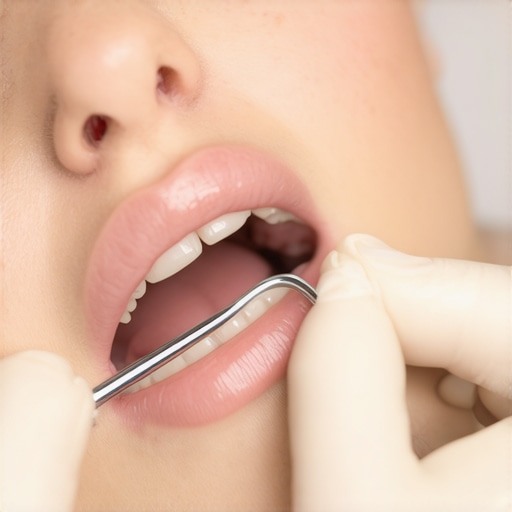
Can you actually whiten your way to a healthier smile?
The short answer is no, and trying to do so is the ‘Oops’ factor that catches so many off guard. When you apply whitening strips to teeth that haven’t been professionally cleaned, you are essentially trying to bleach the plaque and tartar sitting on top of the enamel. This not only leads to patchy, disappointing results but can actually irritate the tissue, leading to the reason your gums look receded after using whitening strips. It’s a classic mistake: prioritizing cosmetic dentistry innovations before finishing the basics of preventive tips for long-lasting dental health. This obsession with quick results often leads people to dangerous ‘natural’ hacks. I see patients who have swapped their burning mouthwash for abrasive DIY pastes. The truth about using baking soda as a toothpaste is that while it might remove surface stains, it can also act like sandpaper on your enamel. If you are already prone to sensitivity, you might be making things worse. Instead, focusing on the safest way to whiten teeth if you have thin enamel is a much better path. Have you ever fallen into this trap? Let me know in the comments. We also need to address oral health myths debunked in 2025. People often think cosmetic dentistry is just about vanity, but things like porcelain inlays are frequently used to restore function. When you shift your mindset to making it structurally sound, the beauty follows. Using gentle teeth cleaning best practices and building a foundation of healthy smiles for all ages is the real secret to a lifetime of dental success. While home care is vital, even the most meticulous routine can’t match the precision of professional tools. This is how regular teeth cleaning can prevent major dental issues like bone loss. Many don’t realize that the bacteria in an untreated mouth can enter the bloodstream. So, the next time you think about skipping your appointment because your teeth look fine, remember that you are investing in your systemic health, not just your smile.
The transition from a manual toothbrush to a high-end sonic model felt like switching from a bicycle to a jet engine. I specifically look for devices that offer at least 31,000 vibrations per minute because at that frequency, the brush creates micro-bubbles that reach into the spaces between your teeth—places where physical bristles simply can’t navigate. If you’ve been searching for the best toothbrush texture for people with receding gums, you’ll find that the gentle, high-frequency movement is far less abrasive than the manual ‘scrubbing’ motion we were all taught as kids. I noticed early on that why your gums only bleed when you use an electric toothbrush is almost always due to applying too much pressure. The tool should do the work, not your arm. A study in the Journal of Clinical Dentistry confirms this, noting that sonic technology provides superior plaque removal in interproximal areas compared to traditional manual brushing by leveraging acoustic energy to disrupt biofilm beyond the reach of the bristles.
Upgrade Your Toolkit for a Deeper Clean
Next, I integrated a water flosser into my nightly ritual. Traditional floss is effective, but it’s incredibly easy to ‘snap’ it against the gum line, causing micro-trauma. The water flosser uses a targeted stream to flush out the debris that even a great brush misses. This is one of those teeth cleaning secrets to achieve a bright smile in under 30 minutes that actually works without the hassle of sore, bleeding gums. I personally use it before I brush to loosen everything up, making the fluoride in my toothpaste even more effective at reaching the tooth surface. 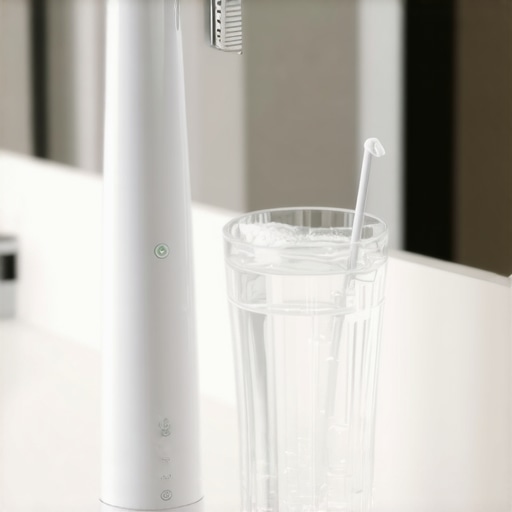
How do I maintain these professional results over time?
The secret isn’t just owning the tools; it’s the rhythm of consistency. I’ve found that maintaining oral health requires a ‘check-and-adjust’ mindset where you audit your technique every few months. It’s also about setting the standard for the rest of your home. Implementing family dental care hacks to keep your kids smiling daily ensures that everyone is on the same tech-forward path, making dental visits much more pleasant for everyone involved. I always tell my friends that the best tool is the one you actually enjoy using every single night without fail.
The Future of Your Bathroom Sink
Looking ahead, I predict we will soon see smart brushes with built-in AI sensors that map your mouth in real-time on your smartphone, highlighting exactly where you’ve missed a spot with heat-map precision. We are already seeing cosmetic dentistry trends that transform your smile this year moving away from ‘fix-it’ solutions toward these ‘prevent-it’ technologies. If you’re ready to take your routine to the next level, I challenge you to switch to a sonic brush for thirty days and pay close attention to how smooth your teeth feel afterward. If you’re unsure which model is right for your specific enamel needs, feel free to contact us for a personalized recommendation. This shift in my home care didn’t just change my smile; it changed how I feel every time I look in the mirror.
The Most Expensive Lesson My Minty Routine Taught Me
For a long time, I operated under the assumption that a healthy mouth was an uncomfortable one. I spent years ignoring the warning signs, like minor bleeding or that stinging tongue, thinking they were just growing pains of a rigorous routine. The hardest lesson I learned is that pain is a signal, not a goal. When you ignore that ‘scalded’ feeling, you aren’t being tough; you’re likely destroying the protective mucosal lining that keeps infection at bay. I also discovered that obsessing over the color of my teeth while ignoring the health of my gums was a recipe for disaster. Realizing that oral health myths debunked in 2025 emphasize biological harmony over chemical intensity was my biggest lightbulb moment. Now, I focus on supporting my mouth’s natural defenses rather than trying to overpower them.
The High-Tech Toolkit That Rescued My Gums
If I had to start my dental journey from scratch, these are the three items I would never skip. I trust these tools because they move the needle from reactive ‘fixing’ to proactive preservation. First, an alcohol-free rinse with xylitol is essential; it starves bad bacteria without the collateral damage of ethanol. Second, a sonic toothbrush is a non-negotiable for me now; it’s the only way to ensure I’m not scrubbing my enamel away while still achieving that ‘slick’ professional feel. Finally, I’ve learned that how regular dental cleanings can save you money in the long run isn’t just a marketing slogan—it’s a financial strategy. Skipping a professional cleaning today often leads to a costly crown or implant tomorrow. These top 5 secrets to maintaining perfect oral health as a family have fundamentally shifted how my household views the morning rush.
Your Path to a Truly Confident Smile Starts Today
You don’t need to overhaul your entire life in a single morning to see a difference. Start by swapping one harsh product for a gentler alternative and notice how your mouth feels after 48 hours. When you stop the cycle of inflammation, you’ll find that your breath stays fresher longer and your gums regain their healthy, firm texture. Transitioning to a thoughtful, pain-free routine is an act of self-care that pays dividends in your systemic health and personal confidence. If you ever feel overwhelmed by the options or need a professional eye to evaluate your current setup, don’t hesitate to contact us for guidance. Your future self will thank you for the day you decided that maintaining oral health should actually feel good. Have you ever found yourself enduring a mouthwash that burns just because you thought it was ‘working’? Let me know your experience in the comments below!