
I will never forget the ‘Great Habanero Incident’ of 2019. It was supposed to be a fun taco night with friends, but three bites in, my mouth wasn’t just hot—it felt like I had swallowed a live coal. I spent twenty minutes frantically gulping ice water, which only seemed to spread the fire to every corner of my throat. In a moment of pure panic, I even tried to scrub the heat off my tongue with a toothbrush, which was a huge mistake that left my gums sore for days. That was my ‘lightbulb moment’ where I realized I didn’t actually understand how our mouths react to spice, or why that lingering burn feels so much like the sting of an alcohol-based mouthwash. Today, I am going to pull back the curtain on why capsaicin turns your mouth into a furnace and, more importantly, how you can enjoy your favorite salsa without feeling like you need a fire extinguisher for your tongue.
The Science of the Sear and Why Water Isn’t Your Friend
When you bite into a pepper, a molecule called capsaicin binds to your pain receptors—specifically the ones that detect heat. It is a literal biological trick. Your brain thinks your mouth is actually on fire, even though the physical temperature has not changed a bit. Early on in my spicy-food journey, I made the classic rookie error of thinking I could just ‘wash’ it away. I didn’t realize that capsaicin is oil-based. Using water to stop the burn is like trying to put out a grease fire with a garden hose; it just spreads the heat around. According to the American Chemical Society, you need non-polar substances like the casein found in dairy to actually dissolve those stubborn molecules and find relief. This matters because if you are constantly ‘treating’ the burn the wrong way, you might be ignoring deeper issues or falling for oral health myths that suggest your mouth is tougher than it actually is. Have you ever reached for the ice water only to find the pain doubling a second later?
Is This Intense Burning Hurting My Teeth Long-Term?
One of the biggest fears I hear from my fellow heat-seekers is whether all that spice is eroding their enamel or causing permanent nerve damage. I used to worry about this every time I felt that lingering tingle after a spicy curry. While the capsaicin itself isn’t ‘melting’ your teeth, the way we react to it—like guzzling acidic sodas to cool down or over-brushing in a panic—can absolutely take a toll on maintaining your oral health. It is all about finding that balance between flavor and protection. In the next section, we are going to dive into the exact foods that neutralize the heat instantly, so you can keep your smile bright and your taste buds happy.
Casein is the Secret Weapon Against Capsaicin
If you have ever wondered why milk is the gold standard for cooling the heat, it comes down to a protein called casein. Think of casein as a biological detergent. It actually breaks the bond between the capsaicin oil and your pain receptors, effectively washing it away. During my ill-fated visit to a Nashville hot chicken shack last year, I made the mistake of ordering the ‘Extra-Hot’ special. Within seconds, my face was a shade of red I did not know existed. I did not grab water; I grabbed a side of ranch dressing. While it felt messy and a little ridiculous to be dabbing ranch on my tongue in public, the high fat and casein content worked instantly. This is a much better approach than the frantic scrubbing I mentioned earlier, which is one of the common mistakes discussed in oral health myths debunked. Casein essentially surrounds the oil molecules, making them easy to swallow and clear from the sensitive tissues of your mouth. 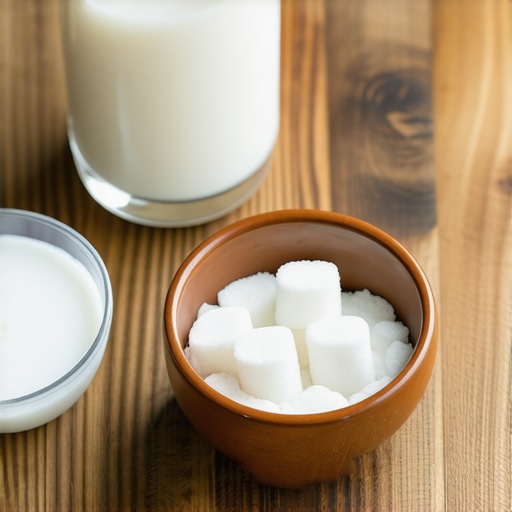
Stop the Spread with Bread and Sugar
If you are lactose intolerant or just prefer to avoid dairy, you are not out of luck. Granulated sugar or a spoonful of honey can absorb the spicy oils effectively. The physical texture of sugar crystals actually helps physically pull the molecules off your tongue. Similarly, starches like bread, crackers, or rice act like a sponge. They do not neutralize the chemistry like dairy does, but they provide a physical barrier between the spice and your nerves. This is especially important for anyone following family dentistry tips that make oral care effortless and effective, as children often react much more strongly to unexpected spice and need a quick, safe solution. I once watched my nephew accidentally bite into a jalapeño; a slice of plain white bread was the only thing that stopped the tears because it soaked up the oil before he could swallow it.
Wait Before You Reach for Your Toothbrush
This is the most critical step for your long-term smile. When you eat something extremely spicy, you often pair it with acidic drinks or find your mouth produces more enzymes to cope. This temporary environment can slightly soften your enamel. If you rush to the bathroom and start scrubbing with a hard brush in a panic, you are doing more harm than good. I have heard people complain that why your tongue gets sore after using a new mouthwash is similar to the post-spice burn, and it often comes down to tissue irritation. Instead, you should refer to the ultimate guide to teeth cleaning techniques and benefits to see how to clean effectively without causing damage. We specifically advise why we recommend waiting thirty minutes to brush after eating fruit or spicy, acidic meals to let your enamel re-harden. In the meantime, you can follow gentle teeth cleaning best practices for sensitive gums by using a simple lukewarm water rinse. This clears the debris without the abrasive action of a brush. If you must brush later, ensure you know how to choose the right toothbrush bristle strength for your gums to avoid making the irritation worse.
Let’s dig deeper into a nuance that most people miss in their daily routine. There is a common misconception in family dentistry circles that ‘clean’ has a physical sensation—specifically, that squeaky-clean, slightly sore feeling after a vigorous scrub. I used to be a ‘hard-bristle’ devotee myself, convinced that if I wasn’t practically scouring my teeth, I wasn’t really maintaining oral health properly. But here is the contrarian truth: your teeth are not a kitchen floor, and your gums are not grout. In my years of obsessing over dental care, I have seen that the most aggressive brushers often end up with the most damage. According to a landmark study published in the Journal of Clinical Periodontology, excessive brushing force combined with abrasive toothpaste is a primary driver of non-carious cervical lesions. Essentially, you are wearing notches into your teeth. This is exactly why your gums recede faster if you use a hard-bristled brush. You think you’re being thorough, but you’re actually performing a slow-motion sanding of your smile.
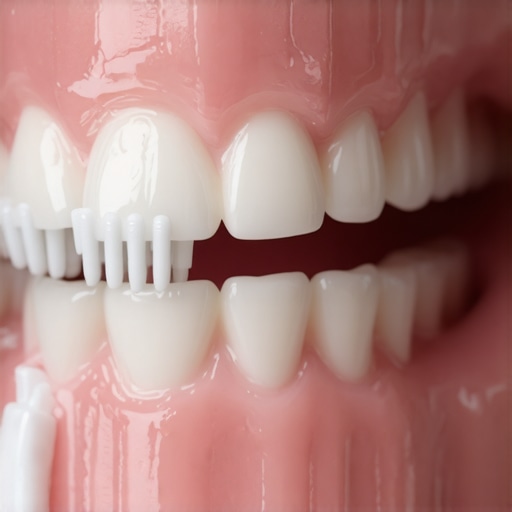
Why do your teeth look yellow even though you brush twice daily?
This is one of those ‘aha’ moments for many heat-seekers and coffee lovers alike. If you are brushing aggressively to get rid of yellowing, you might be making the problem worse. The outermost layer of your tooth, the enamel, is white. Beneath it lies the dentin, which is naturally yellowish. When you over-brush or fall for oral health myths debunked by using ‘extra-whitening’ charcoal pastes, you thin out that white enamel. The result? The yellow dentin shows through more clearly. It is a cruel irony: the harder you try to whiten through scrubbing, the more yellow your smile appears. This is why understanding the reason your teeth look yellow even though you brush twice daily is crucial before you invest in any cosmetic dentistry treatments.
The ‘Oops’ factor often comes into play when people try to fix this at home. They see the yellowing and reach for high-strength whitening strips. While the science behind teeth whitening is solid when used correctly, overusing these products without professional guidance can lead to extreme sensitivity and further enamel erosion. If you have ever felt that sharp ‘zing’ when drinking cold water, you have likely hit the ‘over-whitening’ wall. Instead of reaching for more chemicals, look into how to whiten your teeth if you have naturally thin enamel or consider professional options that prioritize protection. Have you ever fallen into this trap of thinking harder means cleaner? Let me know in the comments.
If you’ve spent years thinking that a manual toothbrush and some minty floss are enough to keep the dentist away, I have some news that might sting more than that habanero salsa. While those are the basics, maintaining oral health at a high level requires a bit more intentionality, especially if you’re a fan of acidic or spicy foods. I personally switched to an electric toothbrush with a built-in pressure sensor three years ago, and it was a game-changer. Why? Because it physically stops me from being that ‘aggressive brusher’ I used to be. If you’ve ever wondered why your gums throb after brushing too vigorously, it’s usually because you’re applying enough pressure to sand down a piece of driftwood. The pressure sensor flickers red the moment I press too hard, forcing me to use a light, circular motion that cleans without the carnage.
How do I maintain my oral health over time?
The secret isn’t just in the brush; it’s in the irrigation. I added a water flosser to my nightly routine, and I’ll never go back. I don’t just use it to clear out the popcorn; I use it to massage the gingival margin where traditional floss often misses. Research by the Cochrane Database of Systematic Reviews has shown that powered toothbrushes and supplemental irrigation provide a statistically significant reduction in plaque compared to manual methods alone. This is particularly vital for anyone looking into the benefits of using a water flosser for patients with gum disease. It’s about creating an environment where bacteria can’t colonize, rather than just reacting to problems once they hurt.
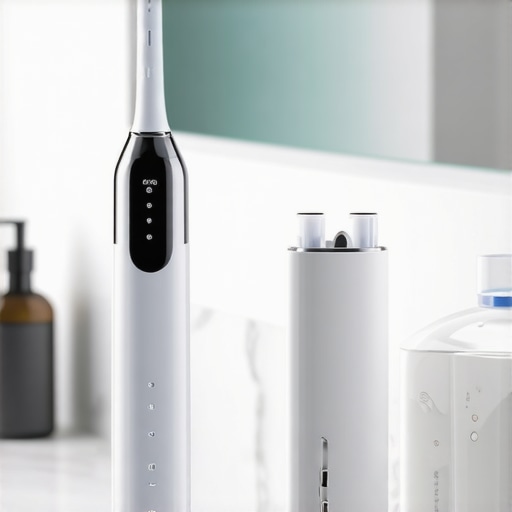
Looking ahead, the world of dental care is becoming increasingly high-tech. I’m already seeing cosmetic dentistry innovations you can’t miss this year, including AI-integrated brushes that map your mouth in real-time to show you the spots you’re skipping. We are also moving toward more comfortable diagnostics. For example, we now see how we use digital scanners to avoid messy dental molds, making the process of getting crowns or aligners a breeze. This technology isn’t just for ‘fanciness’; it allows for a precision that ensures how to maintain your porcelain veneers so they last twenty years becomes a reality rather than a hope. The more accurate the fit, the less room there is for decay to sneak in underneath.
Ultimately, the most expensive dental work is the work you didn’t get done early. Understanding how regular teeth cleaning can prevent major dental issues is the ultimate financial hack. Think of it like an oil change for your car—ignore it, and the engine eventually seizes. If you want to take your routine to the next level today, I challenge you to try the ‘two-finger grip.’ Hold your toothbrush with only your thumb and index finger. It’s a simple trick that naturally limits the force you can apply, protecting your enamel from that ‘sanding’ effect we talked about earlier. This small shift, combined with knowing how regular dental cleanings can save you money in the long-run, will keep your smile resilient no matter how much spice you throw at it.
The Hardest Lesson I Learned After Nearly Sanding My Teeth Away
Reflecting on my “Great Habanero Incident,” I’ve realized that the physical panic we feel during a spice burn often leads to the worst dental habits. Here are a few lightbulb moments from my journey:
- The Burn is a Mirage: Capsaicin doesn’t actually burn your tissue, but your reaction—like scrubbing or drinking soda—certainly can. I had to learn that oral health myths busted by professionals are there to save your enamel, not just to nag you.
- Patience is a Virtue: Waiting 30 minutes after a spicy meal to brush was the single hardest habit to form, but it’s the most impactful. It allows your saliva to naturally remineralize your teeth.
- Gentleness Wins: You cannot “clean” away a chemical reaction with force. Implementing preventive tips for long-lasting dental health for families means treating your gums like silk, not sandpaper.
The Three Tools That Saved My Smile From My Love of Hot Wings
I don’t just rely on luck anymore; I have a specific rotation of tools that keep my mouth resilient. First, a high-quality water flosser is non-negotiable. It flushes out those spicy oils from between the teeth where a brush simply can’t reach, which is one of the top teeth cleaning secrets I share with everyone. Second, I swear by pH-neutralizing rinses. If you’ve been using smile bright revolutionary teeth cleaning techniques for 2025, you know that balancing the acidity in your mouth is half the battle. Finally, I always keep a soft-bristled backup brush in my travel kit to ensure I never revert to those enamel-destroying “hard” bristles during a vacation spice emergency.
Why You Don’t Have to Choose Between Ghost Peppers and Healthy Gums
At the end of the day, your love for flavor shouldn’t come at the cost of your confidence. Whether you are looking into enhancing confidence with cosmetic dentistry or just trying to get through a family dinner, the goal is longevity. You can enjoy the heat as long as you have the right recovery plan in place. By incorporating these family dental care hacks, you’re ensuring that maintaining oral health is a sustainable, enjoyable part of your lifestyle rather than a chore. Keep exploring, keep tasting, and keep that smile protected. What’s your go-to move when a pepper gets the best of you—milk, bread, or just suffering in silence?