
I sat at the breakfast table, staring at a bowl of fresh pineapple, and I actually felt a wave of dread. Why? Because the night before, I’d started a new ‘pro-health’ mouthwash, and my tongue was currently throbbing. I’m a bit of an oral health nut, always looking for gentle teeth cleaning best practices for sensitive gums, but this time I’d gone too far. I thought the intense ‘burn’ meant the bacteria were surrendering. In reality, I was practically pickling my own taste buds. If you’ve ever felt like your tongue feels scalded even when you haven’t eaten hot food, you know exactly the kind of panicked Google searching I was doing at 7:00 AM. The truth is, a new mouthwash shouldn’t make you want to cry. We’re going to dive into why this happens—spoiler: it’s usually not the ‘germs dying’—and how you can fix it. We’ll look at ingredients like alcohol, flavoring agents, and even SLS that turn a refreshing habit into a painful ordeal. [image placeholder]
Is my mouthwash actually dangerous or just too strong?
One of the biggest oral health myths busted is the idea that if it doesn’t hurt, it isn’t working. I fell for this hard. Early on in my journey to a perfect smile, I assumed my mouth was just ‘sensitive’ and that I needed to ‘toughen up.’ I ended up with actual sloughing of the skin inside my cheeks. According to the American Dental Association, mouthwashes with high alcohol content can significantly dry out the oral mucosa, which leaves your delicate tongue tissue unprotected and prone to irritation or chemical burns. It’s not about being ‘tough’; it’s about biology.
The Sneaky Ingredients That Torture Your Tongue
Most of us just grab the bottle with the brightest blue liquid and the word ‘Total’ on it. But for many, the high concentration of essential oils like menthol or eucalyptol is simply too aggressive. It’s like using a power washer on a silk curtain. When I finally switched to a brand with a more neutral pH and no alcohol, the relief was almost instant. Have you ever had to toss a brand-new bottle of rinse because it was just too painful to use? Let me know, because I felt so guilty about the wasted money until I realized my comfort was worth more than a bottle of minty fire. I’ve learned that family dentistry tips aren’t just for kids; even adults need to be careful about the chemicals we introduce to our mouths daily. If your tongue is currently stinging, the culprit is likely hidden in that fine print on the back of the bottle.
Stop the Burn Before You Swish
I used to think that a mouthwash had to hurt to be effective. I learned the hard way that this mindset is exactly how you end up with a ‘scorched’ tongue. To avoid this, you need a strategy that prioritizes your oral mucosa rather than just killing every living cell in your mouth. First, flip that bottle over. If the first three ingredients include ethanol or alcohol and you have a sensitive mouth, you’re basically inviting a chemical burn. I once used a high-potency rinse right before a big anniversary dinner, and by the time the appetizers arrived, my tongue was so numb and irritated I couldn’t tell the difference between the sea bass and the sourdough. It was embarrassing and entirely preventable if I had followed gentle teeth cleaning best practices for sensitive gums.
Why Dilution is Your Secret Weapon
If you have a bottle of mouthwash you love but it’s just too intense, you don’t have to throw it away. Try the 1:1 dilution method. Fill your cup halfway with the rinse and the other half with filtered water. This lowers the concentration of volatile essential oils and alcohol, making it much kinder to your taste buds. This is one of those teeth cleaning secrets to achieve a bright smile without the collateral damage of a stinging tongue. I started doing this with a particularly aggressive peppermint brand, and the relief was immediate—I still got the fresh breath, but without the three-hour throb.
Spotting the Drying Agents Early
Sodium Lauryl Sulfate (SLS) is another culprit. It’s a foaming agent found in many toothpastes and rinses, but it can be incredibly abrasive for some people. If you find yourself prone to irritation, switching to an SLS-free formula is essential for maintaining oral health and expert advice for a lifetime of healthy teeth. 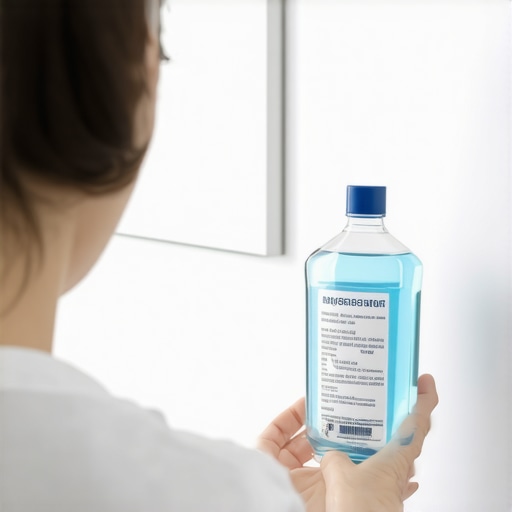
How to Rescue Your Tongue Right Now
If you’ve already overdone it and your tongue feels like it spent the afternoon on a hot griddle, stop all rinses immediately. Your mouth needs a reset. The fastest way to soothe the area is a lukewarm saltwater rinse—one teaspoon of salt in eight ounces of water. This helps balance the pH and draws out the heat. If the pain is sharp and localized, learning how to stop a canker sore from hurting immediately offers very similar relief for these types of chemical irritations.
The Baking Soda Balance
Another trick I’ve used is a baking soda slurry. While the truth about using baking soda as a toothpaste is that it can be abrasive for daily use, using it as a brief, gentle gargle can neutralize the acids left behind by aggressive mouthwashes. This is particularly important if you’ve invested in how to get a natural smile using porcelain inlays, as you want to keep the surrounding tissue healthy and calm to support your dental work. Finally, stick to a 30-second rule. Anything longer than thirty seconds with a commercial rinse is often overkill and increases the risk of tissue sloughing. Keep it short, keep it mild, and listen to your body—not the marketing on the bottle.It’s easy to think that if you’re flossing and brushing twice a day, you’ve mastered the game. But here’s the contrarian truth: most people are actually over-cleaning their way into a dental chair. I used to be the person who thought ‘more is better.’ If my gums weren’t a little red, I assumed I wasn’t doing it right. But that’s a dangerous path. One of the most common oral health myths debunked is that vigorous brushing equals cleaner teeth. In reality, you’re likely causing permanent recession. I’ve seen so many people ask why your gums bleed when you use a new electric toothbrush, and the answer is almost always too much pressure rather than a lack of hygiene.
Then there’s the ‘After-Acid Trap.’ We’ve been told to brush after every meal, right? Wrong. If you’ve just had a cup of coffee or a glass of wine, your enamel is temporarily softened by the acid. Brushing immediately acts like sandpaper on a wet surface, physically scrubbing away your protection. According to the Journal of the American Dental Association, you should wait at least 60 minutes after consuming acidic foods before brushing to allow your saliva to remineralize the enamel. This is a crucial part of preventive tips for long-lasting dental health for families. Instead of reaching for the brush, try the simple trick to getting coffee stains off your teeth by rinsing with plain water first. 
How do cosmetic enhancements affect my long-term oral health?
Many advanced patients worry that aesthetic changes might weaken their natural teeth. However, cosmetic dentistry innovations you can’t miss this year show that many procedures, like porcelain inlays or contouring veneers, actually reinforce the tooth structure. It’s not just about looks; it’s about biomechanical integrity. If you’re looking at transforming your smile, you need to understand that the best results come from a foundation of health. This is why family dentistry building a foundation of healthy smiles is the prerequisite for any high-end cosmetic work. Have you ever fallen into the trap of over-brushing or rushing to the sink after a meal? Let me know in the comments. We should be aiming for maintaining oral health and expert advice that respects our biology, not just a marketing checklist. Professional intervention is key because your breath stays fresh longer after professional cleaning due to the removal of biofilms that home tools simply cannot touch. For more details on scheduling a reset for your mouth, check our contact us page.
Once you’ve stopped the literal and metaphorical fire of an aggressive mouthwash, it’s time to move into the maintenance phase. I used to think of oral care as a daily battle, but now I view it as a tech-supported routine. For years, I struggled with traditional floss because I have tight contacts between my teeth, and I’d often snap the string into my gums, causing unnecessary bleeding. If you’ve ever wondered why your gums bleed when you use a new electric toothbrush or new floss, it’s often because of this mechanical trauma. Switching to a high-quality water flosser changed everything for me. It’s one of those top 5 secrets to maintaining perfect oral health as a family because it reaches those deep pockets without the ‘sawing’ motion that ruins sensitive gum tissue.
Ditch the string if it hurts your gums
I personally recommend a countertop water flosser with at least ten pressure settings. I start on a four to ‘wake up’ the tissue and move to a seven for the actual cleaning. This controlled approach is a staple of the ultimate guide to teeth cleaning techniques and benefits. By using a pulsating stream of water, you’re flushing out the biofilm that your brush simply can’t reach, especially if you’ve had work done like contouring veneers where the margins need to stay pristine. 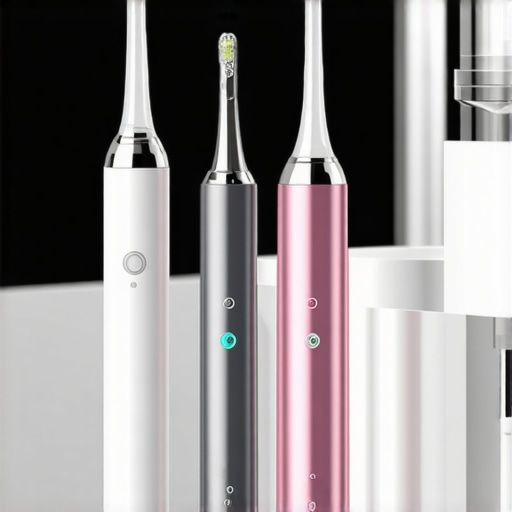
Trust the red light on your brush
If you’re still using a manual brush and your tongue is sensitive, you’re likely overcompensating with pressure. I switched to a smart electric brush with a visible pressure sensor—the kind that flashes red when you’re pushing too hard. According to a comprehensive review by the Cochrane Library, electric toothbrushes provide a 21% greater reduction in plaque after three months compared to manual ones, but only if used correctly. I’ve found that using the best toothbrush texture for people with receding gums (extra soft) in combination with that sensor is the only way I can guarantee I’m not causing more damage. This is a core part of revolutionary teeth cleaning techniques for 2025 that prioritize tissue longevity over brute force.
How do I keep my results consistent for the long haul?
Maintenance isn’t about one big session; it’s about the cumulative impact of gentle habits. I predict that in the next few years, we will see a massive shift toward ‘biological dentistry’ tools, such as AI-integrated brushes that map your mouth in real-time and even personalized probiotic rinses that replenish the ‘good’ bacteria instead of killing everything. For now, the best way to scale your results is to focus on preventive tips for long-lasting dental health for families. This means scheduling your professional cleanings every six months without fail. I’ve noticed that regular teeth cleaning can prevent major dental issues that would otherwise cost thousands in the future. Don’t wait for a toothache to act. My advanced tip for you today? Swap your standard manual brush for one with a pressure sensor this week and see how much less ‘pink’ you see in the sink after a few days. For more personalized advice on long-term care, feel free to contact us and we can help you build a toolkit that actually works for your specific sensitivity levels.”,”image”:{“imagePrompt”:”A sleek, modern bathroom counter displaying a high-end electric toothbrush with a glowing red pressure sensor and a water flosser with a water reservoir.”,”imageTitle”:”Advanced Oral Health Tools for Long-Term Maintenance”,”imageAlt”:”A high-tech electric toothbrush and water flosser on a bathroom counter representing modern dental maintenance.”},”categoryId”:1,”postTime”:”2023-10-27T10:00:00Z”}
The Hardest Lesson I Learned About Chasing a ‘Perfect’ Clean
Looking back at my years of scorched tongues and bleeding gums, the biggest realization I had was that my mouth isn’t a bathroom tile that needs to be bleached—it’s a living, breathing ecosystem. I spent so much time following oral health myths debunked that I forgot to listen to my own body. Here are a few ‘lightbulb moments’ that changed everything for me: first, your mouth should never feel like it’s on fire. If it does, you’re destroying your protective barrier, not the bacteria. Second, consistency always beats intensity. A gentle, daily habit is far more effective than an aggressive weekly ‘deep clean’ that leaves you raw. Finally, I learned that professional help isn’t just for emergencies; it’s the only way to truly reset your baseline since regular teeth cleaning can prevent major dental issues before they even start to throb.
My Essential Toolkit for a Stress-Free Mouth
If you’re ready to ditch the ‘no pain, no gain’ mentality, I recommend starting with a few specific tools that prioritize comfort. First, I cannot stress enough the importance of using the best toothbrush texture for people with receding gums—stick to extra-soft bristles that massage rather than scrub. Second, consider a water flosser. It’s one of the top 5 secrets to maintaining perfect oral health as a family because it removes debris without the mechanical trauma of traditional string. Lastly, keep a bottle of alcohol-free, pH-balanced rinse in your cabinet for those days when you need a refresh without the sting. These simple swaps make gentle teeth cleaning best practices for sensitive gums feel like a spa treatment rather than a chore.
A New Chapter for Your Oral Health
You don’t have to choose between a clean mouth and a comfortable one. By moving away from aggressive chemicals and brute-force brushing, you’re actually doing more to preserve your enamel and gum health for the decades to come. Embracing a gentler approach is the real secret to maintaining oral health and expert advice for a lifetime of confident smiles. It’s about working with your biology, not against it. Have you ever had to throw away a dental product because it was just too painful to use? Let me know about your experience in the comments below!