
I remember a Tuesday morning where I looked in the mirror, spat out pink-tinged foam, and felt a rhythmic thud-thud-thud in my lower jaw. I thought I was being a pro by scrubbing hard. I was wrong. My mouth didn’t just feel clean; it felt like it had been through a car wash without the wax cycle. That annoying, pulsing sensation was my body’s way of telling me to back off. We often fall for the trap of thinking more effort equals better results, especially when it comes to our health. But when your gums are throbbing, it’s a sign of micro-trauma that can lead to long-term damage if you don’t change your ways immediately. Today, I’m going to show you how to break the cycle of over-brushing and keep your smile healthy without the pain.
Stop Treating Your Gums Like a Dirty Kitchen Floor
The reality is that your gums are far more like delicate silk than durable linoleum. When you apply too much pressure, you aren’t just removing plaque; you’re actually pushing the gum tissue away from the tooth. I made the mistake of thinking my electric toothbrush needed my muscle behind it to work. It didn’t. That throbbing sensation is usually acute inflammation caused by friction. Your gums are essentially bruised. If you’ve ever wondered why gums recede even with good habits, this aggressive cleaning is often the prime suspect.
Does a harder scrub really mean a cleaner mouth?
It’s a common fear that being gentle won’t get the job done, but the science says otherwise. According to the American Dental Association, a soft-bristled brush used with light, circular motions is far more effective at removing biofilm than a hard-bristled scrub-fest that destroys enamel. I used to think soft brushes were only for people with sensitive teeth, but switching was the best thing I ever did for my teeth cleaning routine. Have you ever noticed your toothbrush bristles splaying out like an old broom after just a few weeks? If so, you’re definitely pushing too hard. When I started applying family dentistry principles to my own household, I realized I was teaching my kids my own bad habits. I was showing them how to scrub instead of how to massage. We need to shift the focus back to gentle teeth cleaning. It isn’t just about avoiding a temporary ache; it’s about preventing a future where you need cosmetic dentistry just to fix the recession you caused yourself. Have you ever felt that post-brushing pulse and just ignored it? It’s time to listen to what your mouth is trying to tell you.
Mastering the Art of the Gentle Sweep
To stop that rhythmic throb in your jaw, you have to fundamentally change how you interact with your toothbrush. I used to think of my teeth like a stained driveway that needed a power wash, but they’re actually more like a delicate piece of jewelry that needs a soft buffing. The goal of brushing isn’t to grind away the surface; it’s to disrupt the biofilm—that sticky layer of bacteria—without disturbing the gum line. One of the most effective teeth cleaning secrets I ever learned was that plaque is actually soft. You don’t need force to remove it; you just need contact.
Hold Your Brush Like a Pen
The biggest mistake is the ‘fist grip.’ When you wrap your whole hand around the brush handle, you naturally apply four to five times more pressure than necessary. I remember a phase where I was so stressed at work that I took it out on my molars. I’d clench my fist and scrub until my hand actually cramped. The result? My gums didn’t just throb; they started to pull back. Switch to a pencil grip—hold the brush with just your fingertips. This simple mechanical change makes it physically impossible to apply enough force to cause micro-trauma. 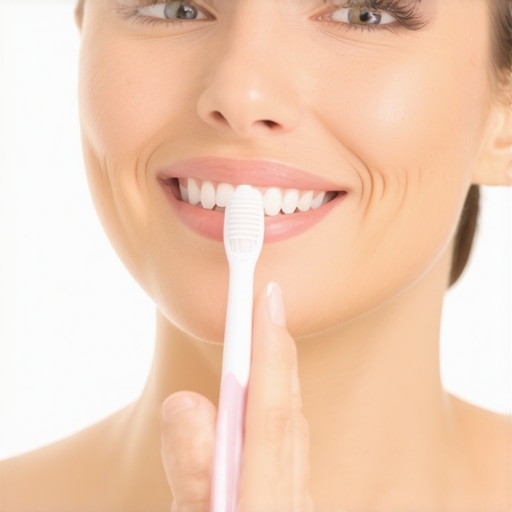
The 45-Degree Rule for Maximum Plaque Removal
Once you’ve lightened your grip, you need to fix the angle. Most people brush at a flat 90-degree angle against the teeth, which does nothing for the bacteria hiding under the gum margin. Angle the bristles at 45 degrees toward the gum line. This allows the soft tips to reach into the sulcus—the tiny gap between your tooth and gum—where the real trouble starts. If you are using the best toothbrush texture for people with receding gums, which is always extra-soft, those bristles will flex and sweep away debris without cutting into the tissue. This is a core part of maintaining oral health for a lifetime.
Stop the Obsession with Scrubbing Hard
I once bought a ‘medium’ bristle brush because I thought it would help with getting coffee stains off my teeth faster. Within three days, my mouth felt like I’d eaten a bowl of glass shards. The ‘clean’ feeling I thought I was getting was actually just raw, irritated nerves. The truth is, aggressive scrubbing can lead to permanent damage that only cosmetic dentistry can fix, such as veneers or bonding to cover exposed roots. Instead of long, horizontal sawing motions, use tiny, vibrating circles. This shakes the plaque loose without sawing away your enamel. When you integrate these preventive tips for long-lasting dental health into your routine, you’ll notice the throbbing stops almost immediately. If you’ve already caused a small chip while being too rough, you might need to look into how to fix a chipped front tooth without using braces to restore the edge, but the priority is always stopping the friction at the source. Focusing on how regular teeth cleaning can prevent major dental issues is much cheaper than fixing a self-inflicted gum recession later.
Stop Brushing Right After You Eat
One of the most common mistakes I see—the ultimate ‘oops’ factor—is the frantic urge to brush immediately after finishing a meal. We have been conditioned to believe that cleaning our teeth the second we put the fork down is the gold standard of hygiene. However, this is actually one of the most damaging oral health myths debunked by modern science. When you consume acidic foods or drinks like coffee, wine, or citrus, your tooth enamel temporarily softens. If you brush right away, you are literally scrubbing that softened enamel off your teeth. A study published in the British Dental Journal confirms that waiting at least 30 to 60 minutes for your saliva to neutralize the acid and remineralize the surface is crucial. In my experience, patients who wait actually have much stronger enamel than those who are ‘hyper-diligent’ after breakfast. Have you ever fallen into this trap of rushing to the sink? Let me know in the comments. 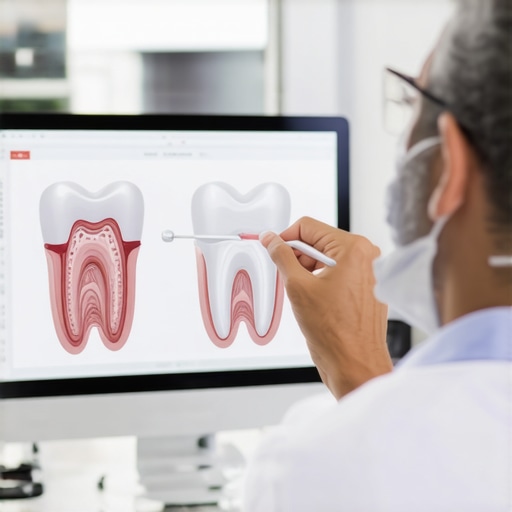
Why Do My Teeth Feel Sensitive When I Am Finally Brushing Right?
It is incredibly frustrating when you switch to gentle teeth cleaning and your mouth suddenly feels more sensitive than before. You might think you are doing something wrong, but it is often the ‘unmasking’ effect. For years, you may have been using a heavy hand, which built up a layer of inflammation or even a thin smear of debris that hid the underlying sensitivity. Once you start using the best toothbrush texture for people with receding gums, the tissue begins to heal and breathe, making you more aware of the actual state of your nerves. If you have thin enamel, you should look into the safest way to whiten teeth to avoid further irritation while still improving your look. Understanding these family dentistry tips can help you explain to your kids why ‘gentle’ might feel ‘different’ at first.
The Real Reason Your Professional Cleaning Saves You Thousands
Many people view the dental chair as an expense, but it is actually the ultimate high-yield investment. I have seen countless cases where a patient tried to save money by skipping their bi-annual visit, only to end up needing cosmetic dentistry to repair structural damage that could have been caught early. Professional tools can reach the 30% of your tooth surfaces that a brush simply cannot touch, no matter how good your technique is. By focusing on how regular dental cleanings can save you money, you shift from a reactive mindset to a proactive one. This is the foundation of maintaining oral health. It is not just about the scrub; it is about the professional eye spotting a micro-crack before it becomes a root canal. If you have noticed the reason your gums look receded might be from over-zealous whitening or brushing, it is time to let a professional reset your routine.
Choose the Right Tools for Your Dental Toolkit
I used to be a gear snob when it came to electronics, but I was surprisingly lazy about my dental tools. I thought a basic brush and any old floss would suffice. I was wrong. If you want to scale your oral health to a level where you rarely need more than a quick polish, you have to invest in technology that does the heavy lifting for you. For me, the game-changer was a high-end electric brush with a pressure sensor that actually stops the motor when I press too hard. This is the ultimate way to master gentle teeth cleaning without having to overthink it. It removes the guesswork that leads to that throbbing jaw I mentioned earlier. Beyond the brush, I recommend looking into cosmetic dentistry innovations you can’t miss this year, specifically those focusing on minimally invasive maintenance.
How do I maintain a flawless smile over time?
Consistency is the boring answer, but the specific method is the secret. I’ve transitioned to using interdental brushes instead of just standard string floss for my back molars. Why? Because research in the Journal of Clinical Periodontology suggests that interdental brushes are significantly more effective at removing plaque in wider gaps than floss alone. If you have any hardware, learning the move to clean under your dental bridge safely is vital to prevent the bridge from failing. It’s these tiny, specific adjustments to your daily routine that constitute the best preventive tips for long-lasting dental health for families. We also use a water flosser on the lowest setting for our kids, which turned a nightly battle into a fun activity they actually look forward to. 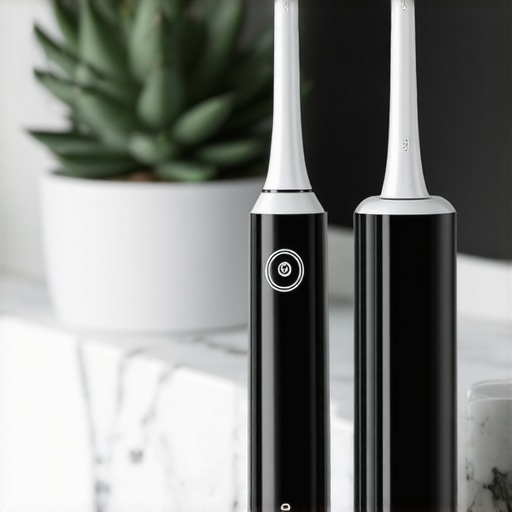
The Shift Toward Biological Oral Health
Looking ahead, I predict a massive shift toward ‘biological oral care’ in 2026. We are moving away from just killing all bacteria with harsh alcohol-based rinses and moving toward balancing the oral microbiome. Think of it like taking a probiotic for your mouth. Future teeth cleaning secrets will likely involve home-testing kits that analyze your saliva to tell you exactly which minerals your enamel is lacking. We are already seeing this with the rise of hydroxyapatite toothpastes, which aim to rebuild enamel rather than just scrub it. If you’ve already seen signs of wear, how regular teeth cleaning can prevent major dental issues remains the core of any plan, but these new materials will make our home care more effective than ever. These advancements are also changing family dentistry tips, making it easier to protect young teeth before they ever need a filling. For those already dealing with deeper issues, seeing how we use laser technology to treat gum disease painlessly shows just how far we’ve come from the ‘scrape and bleed’ methods of the past. My challenge for you this week is to swap your manual flossing for a high-quality water flosser for 14 days straight—your gums will feel the difference in texture and tone almost immediately.
The Hard Lessons My Gums Had to Teach Me
Looking back at my years of aggressive scrubbing, I realized I was fighting a battle against my own body. Here are the lightbulb moments that finally changed my perspective on oral health:
- Pain is not a metric of cleanliness. If your mouth feels raw, you haven’t cleaned it—you’ve injured it. This was one of the biggest oral health myths debunked for me personally.
- Plaque is soft, not stubborn. You don’t need force to remove biofilm; you only need contact. Aggression just pushes the gums back.
- Early intervention is a financial win. I spent years avoiding the chair, not realizing how regular dental cleanings can save you money by preventing the need for complex grafts or crowns.
- Micro-habits matter more than deep sessions. Brushing gently twice a day is infinitely better than one aggressive session once a day.
A Simple Kit for a Pain-Free Smile
You don’t need a dozen gadgets to keep your mouth healthy, but the right ones make gentle teeth cleaning effortless. Here is what I keep in my own bathroom cabinet to ensure I never over-brush again:
- An Electric Brush with a Pressure Sensor: This is my number one recommendation for anyone who tends to use too much muscle. The light indicator forces you to stay gentle.
- Water Flossers: These are perfect for reaching deep into the gum line without the friction of traditional floss, making preventive tips for long-lasting dental health for families actually easy to follow.
- Alcohol-Free Mouthwash: It provides the fresh feeling we crave without the stinging burn that can mask underlying irritation.
Your Path to a Healthier Smile Starts Tonight
The journey to a healthy smile doesn’t require a radical overhaul or a massive budget. It starts with the conscious decision to treat your gums with the respect they deserve. By slowing down, lightening your grip, and focusing on consistency over intensity, you can eliminate that painful throb and protect your teeth for decades to come. When you embrace these top 5 secrets to maintaining perfect oral health as a family, you aren’t just cleaning your teeth; you’re building a foundation for lifelong wellness. #IMAGE_PLACEHOLDER_E# Have you ever noticed your gums throbbing after a particularly stressful day or a long brushing session? Let me know in the comments below!