
I remember one Saturday morning clearly. My golden retriever, usually my shadow, actually recoiled when I tried to give him a morning pat. It wasn’t the coffee; it was that thick, swampy “morning breath” we all dread. For years, I thought I was just failing at basic hygiene. I’d scrub my teeth until my gums bled, thinking I was a dental disaster. I even fell for a few oral health myths that didn’t help one bit. Today, I’m going to pull back the curtain on why this happens and how you can finally wake up feeling fresh. [image_placeholder_1]
Why Your Mouth Becomes a Bacterial Party While You Sleep
The truth is, your mouth is a biological factory that never stops working, even when you’re dreaming. While you sleep, your saliva production drops significantly. Saliva is your mouth’s natural cleaning agent—it washes away food particles and neutralizes acids. When that flow dries up, bacteria throw a party. I used to think a quick scrub before bed was a magical shield, but I ignored the impact of nighttime mouth breathing, which turns your oral cavity into an arid wasteland where sulfur-producing bacteria thrive. According to the National Institutes of Health, dry mouth (xerostomia) is the number one environment for these smelly microbes to multiply. Have you ever felt like no matter how much you brush, that morning funk just won’t go away?
Will a better toothbrush actually make a difference?
You might be skeptical. I was too. I figured if a high-end electric toothbrush couldn’t fix it, nothing would. But the reality is that the back of your tongue is like a shag carpet for bacteria. I made the mistake early on of focusing only on my enamel, but there is a fast fix for bad breath that involves reaching those hidden spots. Sometimes, you need to understand why your breath stays fresh longer after professional cleaning to realize what your daily routine is missing. We aren’t just talking about masking the smell; we are talking about changing the environment of your mouth completely.
Your Tongue is a Bacteria Magnet
Think of your tongue as a shag carpet in a high-traffic hallway. It traps everything. If you only brush your teeth, you are essentially vacuuming the hardwood floor but leaving the mud-caked rug untouched. I remember the first time I used a stainless steel tongue scraper. I’d spent twenty dollars on it, feeling like a bit of a sucker for buying what looked like a thin piece of bent metal. The first swipe revealed a thick, yellowish film I didn’t even know was there. It was a total wake-up call. That film is exactly where the sulfur gases come from. Within three days of adding that 30-second habit, my dog didn’t back away from me in the morning anymore. This is one of those teeth cleaning secrets that doesn’t take much time but changes the entire chemistry of your mouth. Unlike a toothbrush, which just moves the gunk around, a scraper physically removes the source of the odor. 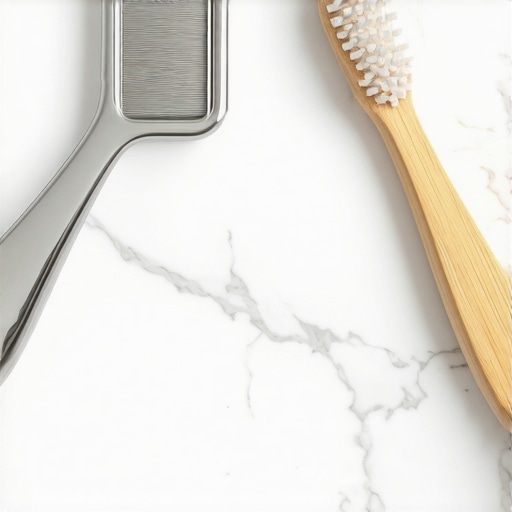
Hydration is Your Best Nighttime Defense
Remember how I mentioned that saliva is your mouth’s natural cleaning agent? If you go to bed dehydrated, you’re basically sending your oral defense force on vacation. When your mouth dries out, the pH level drops, making it more acidic and welcoming for the bad guys. I started keeping a glass of water on my nightstand, but the real trick was drinking a full 16 ounces before even picking up my toothbrush. It’s about more than just thirst; it’s about ensuring your salivary glands have the fuel to keep working while you’re out cold. For those who struggle with chronic dryness, seeking family dentistry tips can provide specialized solutions like xylitol melts that stimulate saliva production overnight.
Why Flossing Matters More Than Your Toothbrush at Night
If you skip flossing before bed, you are leaving 35% of your tooth surfaces dirty. Imagine washing only the front and back of your car but never the sides. Food particles trapped between teeth are like compost; they rot and emit odors that no amount of peppermint toothpaste can mask. When I finally committed to a nightly floss, the “metallic” taste I used to wake up with vanished. This simple consistency is the foundation of maintaining oral health for the long haul.
The Role of Professional Cleanings in Long-Term Freshness
Sometimes, no matter how much you scrape or floss, the breath stays funky because of tartar—hardened plaque that you cannot remove at home. Tartar is porous, meaning it acts like a sponge for bacteria and smells. This is how regular teeth cleaning can prevent major dental issues while also keeping your breath neutral. Think of a professional cleaning as a deep-cleaning service for your house; once the foundation is spotless, your daily maintenance actually works. I noticed that after my last deep scaling, my morning breath didn’t return to its “swampy” state for months because we had reset the bacterial clock. If you have older dental work, you might even notice why your veneers are discoloring at the gum line, which is often a sign that bacteria are hiding in places your brush can’t reach. Keeping these areas clean is essential for both your health and your confidence.Most people assume that if their gums aren’t bleeding and their teeth look white, they are winning the oral health game. But here is the contrarian truth: some of the most ‘dedicated’ brushers are actually doing the most damage. I used to be one of them. I thought that by using firm bristles and scrubbing hard, I was being thorough. In reality, I was just fast-tracking my way to recession. You see, the goal of cleaning isn’t to sand down your teeth; it is to disrupt a microscopic biofilm. When you overdo it, you discover the reason your gums recede even if you have good habits is often your own physical force. If you want a lasting result, you have to prioritize gentle teeth cleaning best practices for sensitive gums rather than treating your mouth like a kitchen sink that needs scouring.
Does your morning coffee schedule determine your enamel strength?
This is a nuance most people overlook. We often think brushing immediately after eating or drinking is the ‘gold standard’ of hygiene. However, if you just finished a cup of coffee or a glass of orange juice, your enamel is temporarily softened by the acid. Brushing right away actually brushes the acid *into* the tooth structure, wearing it down faster. According to the American Dental Association (ADA), you should wait at least 30 to 60 minutes after consuming acidic foods or drinks before brushing to allow your enamel to re-mineralize. This is a classic example of how oral health myths busted can save your smile from unnecessary wear. 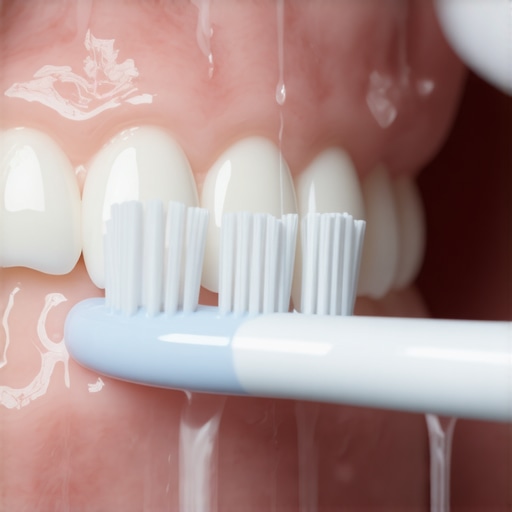
The Trap of Abrasive DIY Whitening
We have all seen the social media trends suggesting you can whiten your teeth with household pantry items. I’ll admit, I tried the baking soda trick once. It felt ‘squeaky clean,’ but I didn’t realize I was essentially using sandpaper on my smile. There is a significant danger of using baking soda to whiten your enamel every day because it lacks fluoride and is highly abrasive. Once that enamel is gone, it doesn’t come back, and your teeth will actually look yellower because the dentin underneath is exposed. This mistake is even more pronounced for those who enjoy the impact of acidic sparkling water on your smiles longevity, as the combination of acid and abrasion creates a perfect storm for tooth thinning.
Stop Ignoring the Micro-Warning Signs
Another common ‘oops’ factor is ignoring a dull ache because it isn’t ‘real pain’ yet. We tend to wait for a crisis before we act. But in family dentistry, the nuance lies in the shift. If your teeth feel slightly ‘fuzzy’ only a few hours after brushing, or if your breath has a specific metallic tang, those are early indicators that your oral microbiome is out of balance. Transitioning to better habits isn’t just about the tools; it’s about the timing and the technique. Have you ever fallen into the trap of brushing too hard or using a ‘natural’ remedy that ended up hurting more than helping? Let me know in the comments below, I’d love to hear your experiences.
The Two Gadgets That Live On My Sink
I’m a bit of a tech nerd, so it’s no surprise I eventually traded my plastic manual brush for something with a motor. But it wasn’t just for the ‘cool factor.’ Switching to an oscillating-rotating electric toothbrush changed the literal texture of my teeth. I finally understood what people meant by that ‘glass-like’ feeling you get after a professional cleaning. According to a landmark meta-analysis published in the Cochrane Database of Systematic Reviews, power toothbrushes reduce plaque by 11% more than manual brushes after just one to three months of use, and 21% more after three months. It’s not just about the vibration; it’s about the consistent pressure that we humans often get wrong when we’re tired or rushed at 11 PM. I also added a water flosser to the mix. If you have any kind of dental work, like bridges or tight contacts, it is an absolute game-changer for maintaining oral health. I use mine with lukewarm water because my gums can be sensitive, and it flushes out debris that traditional floss simply slides over. It’s the difference between guessing you got the food out and physically seeing the results in the sink every night. 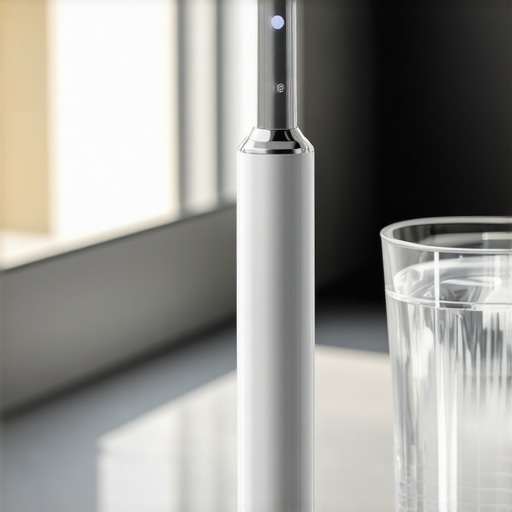
How do I keep my smile healthy for the long haul?
It really comes down to the ‘Six-Month Reset.’ I treat my dental appointments like a car’s oil change. You wouldn’t drive 20,000 miles without fresh oil, so why go years without a professional checkup? This is how regular dental cleanings can save you money in the long run because your hygienist can catch the small stuff—like a tiny craze line or a weakening filling—before it turns into a $2,000 emergency. For my family, we rely on preventive tips for long-lasting dental health for families to ensure the kids aren’t just going through the motions, but actually protecting their developing enamel. We’ve even looked into smile bright revolutionary teeth cleaning techniques for 2025 to stay ahead of the curve. The reality is that professional scaling removes the calcified tartar that no tool on your bathroom counter can touch. Replacement cycles are also vital; I set a recurring calendar alert every 90 days to swap my brush head. A worn-out brush head is not only less effective at removing plaque, but it can actually harbor bacteria that you’re just introducing back into your mouth. When you combine fresh tools with teeth cleaning secrets like the 2-minute timer rule, the results are compounded.
The Future of Your Bathroom Mirror
I predict that in the next few years, we are going to see AI-integrated cameras in our toothbrushes that sync to our mirrors. They’ll tell us exactly which molar we’re neglecting in real-time, highlighting missed spots in neon red on the glass. We’re moving away from ‘guessing’ if we’re clean to having hard data on our oral microbiome. It’s an exciting time for family dentistry because the tools are becoming more intuitive and less like a chore. If you’re ready to level up your confidence and keep that morning breath at bay forever, I challenge you to try a water flosser every single night for the next week. You’ll be shocked at what your ‘perfect’ brushing routine was leaving behind.
The Hardest Lesson I Learned About Scrubbing My Teeth
For years, I treated my gums like a dirty grout line that needed a heavy-duty scouring. I thought if I didn’t feel a slight sting, I wasn’t doing it right. My lightbulb moment came when I realized that dental plaque isn’t a stain—it’s a living biofilm that is soft and easily disrupted. By trying too hard, I discovered the reason your gums recede even if you have good habits is often our own misplaced enthusiasm. I also learned that gentle teeth cleaning best practices for sensitive gums actually lead to less inflammation and a much whiter appearance over time because you aren’t wearing down the bright enamel. My three biggest takeaways are: consistency is better than force, your tongue is a major odor source, and professional intervention is a reset button, not a backup plan.
My Must-Have Toolkit for a Fresh Breath Reset
I don’t believe in cluttering the bathroom counter, but these items are non-negotiable for my routine now. First, a stainless steel tongue scraper; it’s more hygienic than plastic and more effective than a brush. Second, a water flosser for those hard-to-reach gaps, which is one of the top 5 secrets to maintaining perfect oral health as a family. Finally, I rely on a simple 2-minute sand timer. Even though my electric brush has a haptic pulse, seeing the physical sand drop keeps me focused on every quadrant. If you are ever in doubt about your current progress, remember how regular dental cleanings can save you money in the long run by catching small issues before they require expensive restorations.
Your New Path to Lasting Oral Health
Taking control of your morning breath isn’t just about avoiding an awkward social moment; it’s about the deep-seated confidence that comes with a healthy body. Whether you are looking into family dentistry building a foundation of healthy smiles for all ages or you want to transform your smile the impact of cosmetic dentistry in 2025, it all starts with the small, daily choices you make at your sink tonight. Don’t be overwhelmed by the “perfect” routine—just pick one thing, like tongue scraping or flossing, and master it this week. Your future self (and your dog) will thank you. Have you ever tried a tongue scraper and been absolutely shocked by the result? Let me know in the comments below!