
I stood there staring at the bathroom mirror, clutching my brand-new, vibrating gadget like it was a magic wand. I’d spent sixty bucks to upgrade my morning routine, convinced that this was the secret to a Hollywood smile. But two minutes later, I wasn’t admiring my pearly whites; I was staring at a sink that looked like a minor crime scene. It was frustrating. Why on earth did my manual brush leave me clean and comfortable, while this high-tech wonder made me look like I’d just gone three rounds in a boxing ring? If you’ve ever felt that sharp sting and seen the dreaded “pink spit” only when you flip the switch on your brush, you aren’t alone—and you probably don’t have a mysterious gum disease that only activates on battery power.
That sink full of pink isn’t as scary as it looks
We’re going to get to the bottom of this together. I’m going to show you why your gums are reacting this way and how to calibrate your technique so you can actually enjoy the benefits of faster teeth cleaning without the blood. When I first started, I made the classic rookie error of applying way too much pressure. I treated that vibrating head like a manual brush and scrubbed with everything I had. It turns out, that’s the fastest way to irritate your delicate tissue. According to the American Academy of Periodontology, nearly 50% of adults over 30 have some form of periodontal disease, but bleeding triggered only by a specific device usually points to mechanical irritation rather than a deep infection.
Is an electric toothbrush actually too powerful for your mouth?
It’s a fair question. You might feel like that humming motor is just a bit too aggressive for your anatomy. But here’s the truth: the brush is doing the work for you, and your gums just need a moment to adjust to the new vibration frequency. If you’ve noticed why your gums bleed when you use a new electric toothbrush, it’s often a sign that you’re either holding it at the wrong angle or you’re choosing the wrong bristle type. Have you ever felt like your gums were just “too sensitive” for anything more than a soft manual brush? I’d love to hear if you’ve almost thrown your device in the trash—it’s a common frustration! We can fix this by looking at best practices for sensitive gums that don’t involve going back to the dark ages of manual scrubbing.
Stop scrubbing and start guiding
The biggest mistake most of us make when switching from a manual brush is keeping the ‘scrubbing’ mentality. You have to treat your electric toothbrush more like a professional polisher and less like a floor scrubber. Instead of moving your hand back and forth in rapid, sawing motions, your job is to simply guide the brush along the contours of your teeth. Think of it like a self-propelled lawnmower; you just need to point it in the right direction. When you master this, you’re following the ultimate guide to teeth cleaning techniques and benefits by letting the technology do the work it was designed for. The bristles should glide, not grind, across your enamel.
Angle the bristles toward the gum line
Place the brush head at a 45-degree angle toward your gums. This isn’t just a random suggestion; it’s the exact angle needed to allow the bristles to slip slightly under the gumline to sweep away hidden plaque. If you hold the brush flat against the face of the tooth, you’re missing the area where most bacteria hide. 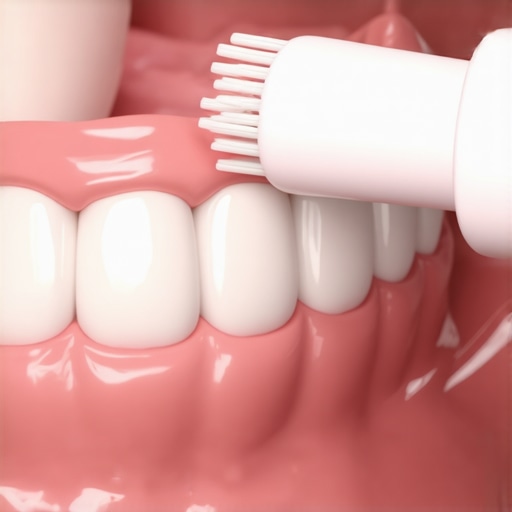 I remember one Tuesday morning when I was running late for a big presentation. I thought I could compensate for a short brush by pressing the head into my molars like I was trying to buff out a scratch on a car. The motor actually sputtered and stopped, and I ended up with a sore, swollen spot for two days. That was the moment I realized that with these devices, finesse beats force every single time. Many modern brushes have a pressure sensor that flashes red if you push too hard. If yours doesn’t, listen to the motor; if the pitch drops or it sounds like it is struggling, you are being too aggressive.
Divide your mouth into four quadrants
Most high-quality brushes have a built-in timer, and for good reason. To get the most out of your routine, mentally divide your mouth into four sections: upper left, upper right, lower left, and lower right. Spend exactly 30 seconds on each. This ensures you don’t over-brush one sensitive area while completely ignoring your back molars. This structured approach is a core part of gentle teeth cleaning best practices for sensitive gums, ensuring you get a thorough clean without over-irritating specific spots. If you’ve wondered why your gums bleed when you use a new electric toothbrush, it might simply be because you’re spending too much time ‘polishing’ one spot until the tissue protests. Let the timer be your guide to even distribution.
Pick a texture that respects your tissue
Not all brush heads are created equal. If you have sensitive areas, you must use a ‘soft’ or ‘extra-soft’ head. Stiff bristles combined with high-frequency vibration can act like sandpaper on your gums. Selecting the best toothbrush texture for people with receding gums is the easiest way to stop the bleeding immediately. While it might feel like the softer bristles aren’t cleaning as well, the sheer speed of an electric brush makes them incredibly effective at breaking up biofilm. Investing in the right tools and technique now is a smart move for your wallet too, as learning how regular dental cleanings can save you money in the long run starts with the daily maintenance you perform at your own sink to prevent major interventions later.
Let’s dig deeper into the psychology of the ‘squeaky clean’ sensation. Most people assume that if their teeth do not feel like polished glass, they have not done a thorough job. However, there is a dangerous nuance here: you are not just cleaning a hard surface; you are managing a delicate biological ecosystem. Everyone says that more brushing equals fewer cavities, but in my experience, obsessive over-brushing often leads to more emergency visits for sensitivity than it actually prevents. I have seen countless patients who are so diligent that they have worn away their protective layer of enamel, a phenomenon often discussed in oral health myths debunked: what you need to know in 2025. When you lose that enamel, you are not just losing a white shade; you are exposing the porous dentin underneath, which is exactly why your teeth might suddenly start aching when you hit them with a blast of cold air.
Why does my smile still look dull despite perfect hygiene?
This is the question that keeps many of my readers up at night. They spend money on the best electric brushes and never miss a floss, yet the Hollywood brightness remains elusive. The hidden trap is often related to the difference between extrinsic stains, like coffee or tea, and intrinsic discoloration. If your teeth have a grayish or deep yellow hue from within, no amount of vibrating bristles will change that. In fact, the one mistake people make when trying to whiten gray teeth is thinking they can scrub the color away. This usually leads to the Oops factor: reaching for natural but highly abrasive alternatives. The truth about using baking soda as a toothpaste is that while it might remove a surface stain, it acts like sandpaper on your teeth over time.  I have seen people destroy decades of enamel health in just a few months of DIY whitening hacks they found on social media.
Protect the foundation of your family’s smiles
True expertise in maintaining oral health: expert advice for a lifetime of healthy teeth means knowing when to step back. A study published in the Journal of Clinical Periodontology suggests that tooth wear is significantly higher in individuals who use high-abrasivity pastes combined with aggressive mechanical force. This is a vital lesson for parents, too. When we look at how regular teeth cleaning can prevent major dental issues, we have to teach our children that gentle is a clinical requirement, not just a suggestion. Have you ever fallen into this trap of thinking harder equals cleaner? Let me know in the comments if you’ve noticed a difference since easing up! Mastering this balance is what separates a beginner from someone who truly understands the longevity and health of their smile.
Once you’ve mastered the art of the electric brush without making your gums bleed, the next challenge is consistency. I used to think that as long as I owned the gear, the results would just happen, but oral health is more like a marathon than a sprint. My personal breakthrough happened when I stopped treating my routine like a chore and started treating it like a specialized maintenance project. To keep your results sharp, I recommend adding a high-quality water flosser to the mix. Personally, I use the Waterpik Aquarius because it allows for variable pressure control. I start on a lower setting to massage the gums—which is a secret weapon for blood flow—and then ramp it up to blast out debris from the tight spaces my brush simply cannot reach. This transition is a key part of expert advice for a lifetime of healthy teeth, ensuring that you aren’t just cleaning the surfaces you can see, but protecting the hidden foundations.
The gear that actually survives the daily grind
When you are looking to scale your routine for the whole family, you need tools that are durable and effective. I’ve found that using specialized fluoride rinses after your evening brush can act like a ‘top coat’ for your enamel. But don’t just grab the brightest bottle on the shelf; look for those with a neutral pH to avoid acidity. If you have kids, implementing family dentistry tips that make oral care effortless and effective is about making the tools accessible. I keep a dedicated ‘dental station’ where everything is organized, which removes the friction of getting started. This isn’t just about aesthetics; it’s about family dental care hacks to keep your kids smiling daily without the morning drama. 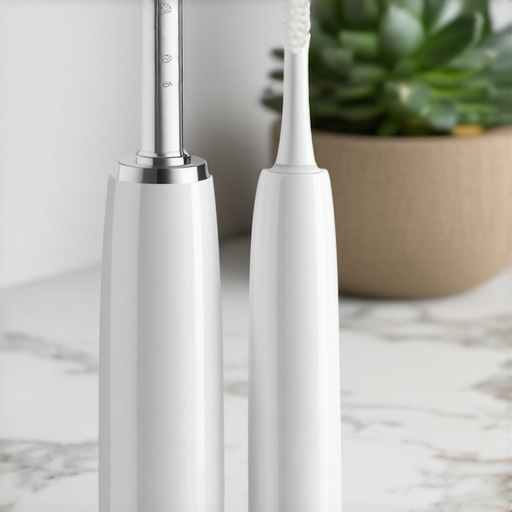 For those who have invested in professional work, keeping that investment pristine requires specific knowledge. Many people don’t realize that cosmetic dentistry innovations you can’t miss this year often require specialized, non-abrasive polishes rather than standard whitening pastes. According to Dr. Gordon Christensen of the Clinicians Report, a leading niche authority on dental materials, using a toothpaste with a high Relative Dentin Abrasivity (RDA) score can micro-scratch your veneers or bonding over time, dulling the very shine you paid to achieve. This is why I always check the RDA score of any new product before it touches my teeth.
How do I maintain my smile results over decades?
The secret to long-term success is a combination of professional oversight and data-driven home care. I predict that within the next five years, we will see a massive shift toward ‘smart’ salivary diagnostics. Imagine a world where your toothbrush analyzes the pH levels of your mouth in real-time and sends a report to your phone, warning you of a cavity before it even forms. Until then, you have to be your own advocate. Understanding the science behind teeth whitening and maintenance means knowing that your diet is just as important as your brush. If you’ve recently had a professional treatment, pay attention to how long you should really wait to eat after a cleaning to let the enamel re-mineralize. My advanced tip for you today: look up the RDA score of your current toothpaste tonight. If it’s over 100, consider swapping it for a gentler alternative to protect your long-term enamel health.
What My Gums Taught Me About High-Tech Brushing
After years of trial and error, I’ve realized that the bleeding wasn’t a failure of the tool, but a failure of my patience. Here are the lightbulb moments that changed everything for me:
- The ‘Pressure Sensor’ is your best friend: If your brush doesn’t have one, treat every session like you’re brushing a ripe peach. If the skin breaks, you’re pushing too hard.
- Vibration is not friction: The sonic pulses do the work; you don’t need to add manual scrubbing to the mix. It’s about ‘hovering’ rather than ‘pressing.’
- Biofilm is soft: You aren’t removing rust from a car; you’re removing a soft layer of bacteria. Gentle, consistent movements are always more effective than aggressive bursts.
- The ‘Pink Spit’ is a signal: Instead of panicking, use it as a map to find where you’re being too rough or where oral health myths busted: what every family should know might help clarify your routine.
The Gear I Actually Use Every Single Night
You don’t need a dozen gadgets, just a few that work in harmony. My personal toolkit for a healthy mouth includes:
- The Waterpik Aquarius: This is a game-changer for cleaning between teeth where bristles can’t reach, and it’s a vital part of family dentistry: building a foundation of healthy smiles for all ages.
- An RDA Chart: I keep a digital copy of Relative Dentin Abrasivity scores to ensure my toothpaste isn’t secretly sanding down my enamel.
- Neutral pH Fluoride Rinse: This acts as a protective shield, especially important if you are following revolutionary teeth cleaning techniques for 2025.
- Soft-Bristle Replacement Heads: I swap mine every 90 days without fail—old, frayed bristles are a leading cause of unexpected gum irritation.
Taking Control of Your Long-Term Smile
Transitioning to a high-tech routine shouldn’t feel like a battle with your own body. By slowing down and respecting the delicate biology of your mouth, you can avoid the pain and enjoy the professional-level polish. Whether you’re looking into cosmetic dentistry trends that transform your smile this year or just trying to get through a morning without bleeding, the secret is always in the technique. Your smile is an investment that pays off every single day, so treat it with the care it deserves. Have you ever struggled with that first week of gum sensitivity when switching brushes? Let me know below!