
I still remember the first time I heard it. I had just tucked my three-year-old in for her afternoon nap, expecting twenty minutes of peace and quiet. Instead, as I walked past her door, I heard a sound so jarring it made my own jaw ache. It was a rhythmic, gravelly crunching—like someone was trying to pulverize stones inside her mouth. My heart sank. Was she in pain? Was she breaking her teeth? I sat on it for a month, thinking it was just a weird quirk she would grow out of by Tuesday. That was my first big mistake. Ignoring that sound didn’t make it go away; it just made me more anxious every time she closed her eyes. Today, I am going to share exactly what is happening in those little mouths and give you the peace of mind I wish I had back then. We are going to look at the triggers, the health implications, and the simple steps you can take to protect those pearly whites while building a foundation of healthy smiles for all ages.
The Real Reason Your Toddler Sounds Like a Rock Crusher
It is incredibly common, yet absolutely terrifying for a parent. This habit, known medically as bruxism, affects a staggering number of children. In fact, according to the Sleep Foundation, nearly 30% of children will grind their teeth before they reach age five. While it sounds like they are doing permanent damage, most kids are actually reacting to internal transitions. When I finally stopped panicking and talked to a professional, I realized that my daughter’s grinding was likely linked to her new molars coming in. Children often grind to soothe the discomfort of erupting teeth or as a way to find a comfortable position for their developing jaw. But it isn’t always about the teeth themselves. Stress, even the small kind like a missed snack or a change in routine, can manifest as a tight jaw during sleep. If you are noticing this, you might want to check out some family dental care hacks to keep your kids smiling daily to help manage the overall health of their mouth during these stressful spurts.
Is this grinding actually going to ruin their permanent teeth?
It is the number one fear I hear from other parents. We worry that by the time their adult teeth arrive, there will be nothing left but nubs. The good news is that most childhood bruxism happens on baby teeth, which are destined to fall out anyway. However, the habit itself can sometimes signal that your child’s jaw alignment matters more than you think. If the teeth don’t fit together quite right, the brain tries to “grind” them into a better fit. Have you ever caught yourself staring at your sleeping child, wondering if you should gently pry their mouth open? You are definitely not alone in that struggle. Let’s dive into the specific physical and emotional triggers so we can finally quiet those naps for good.
Proven Strategies to Quiet the Nighttime Crunch
To stop the noise, you have to address the underlying tension. Think of your child’s jaw like a rubber band that’s been stretched all day. By the time they sleep, that band snaps back. You need to focus on physical release. I started by checking my daughter’s teeth every morning for flat spots or chipped edges. If you see shiny, flat surfaces on the molars, that is a sign the grinding is significant. One of the easiest things you can do immediately is learn the best way to soothe a sore jaw from teeth grinding, which involves applying a warm washcloth to their cheeks for five minutes before bed. It sounds simple, but the heat relaxes the masseter muscles, making it harder for them to clench unconsciously.
Establish a Buffer Zone Between Play and Sleep
The transition to sleep is where most parents lose the battle. I used to let my daughter jump on the bed until she was exhausted, thinking it would help her sleep deeper. In reality, it spiked her cortisol and kept her nervous system on high alert. Now, we implement a ‘no-noise’ hour before lights out. We focus on low-stimulation activities like puzzles or drawing. During this time, we also practice how to get your kids to brush for the full two minutes using a soft-bristled brush. This isn’t just about hygiene; it’s about establishing a slow, predictable rhythm that signals to the brain that the day’s stress is over. 
Physical Interventions You Can Do at Home
When the grinding got particularly bad for us, I started a nightly facial massage. I would use just the pads of my fingers to trace small circles from her temples down to her chin while she listened to an audiobook. It was a game-changer for her sleep quality. Beyond the physical touch, ensure they are staying hydrated throughout the evening. A dry mouth can actually trigger the swallowing reflex more often, which often goes hand-in-hand with increased jaw movement. If your child’s mouth feels parched despite drinking plenty of liquids, it might be worth investigating if the reason your mouth feels dry even when you drink enough water applies to their specific health profile.
Schedule a Professional Evaluation for Peace of Mind
If the sound persists for more than a few weeks or if they complain of a headache in the morning, it is time to call in the experts. I finally booked an appointment when I noticed her jaw clicking during breakfast. When you go, remember that the best time of day to schedule your child’s dentist visit is usually early morning when they are well-rested and less likely to be irritable. A dentist will check for ‘high spots’ on their teeth—tiny areas where a tooth might be hitting too early, causing the jaw to slide and grind. They can also evaluate if your child’s jaw alignment matters in the context of their breathing. Sometimes, grinding is a subconscious physical reaction to a slightly obstructed airway, and the body moves the jaw forward to open it up. Identifying this early can save you years of orthodontic work and ensure they are getting the restorative sleep they need to grow.
While identifying the triggers is a massive first step, there is a nuance to dental health that most parents—and even some general practitioners—miss. We are often told that the goal of oral care is simply to keep things ‘clean,’ but the truth is far more complex. In my journey to help my daughter, I realized that many of the standard ‘fixes’ we see in drugstores can actually do more harm than good.
Why Your Store-Bought Nightguard Might Be Making Things Worse
The most common reaction when a parent hears that grinding sound is to run to the pharmacy for a ‘boil-and-bite’ mouthguard. It seems like a logical, cost-effective solution, right? However, this is where many of us fall into a dangerous trap. Most over-the-counter guards are made of a soft, rubbery material. For a child (or adult) with bruxism, this soft texture can act like a ‘chew toy’ for the brain. Instead of protecting the teeth, the squishy material can actually stimulate the jaw muscles to clench even harder throughout the night. This is one of those oral health myths debunked that I wish I knew sooner.

Could Your Child’s Grinding Be a Sign of Sleep Apnea?
This is the question that changed everything for us. I used to think grinding was just a dental issue, but advanced research in dental sleep medicine suggests otherwise. According to the American Academy of Sleep Medicine, sleep-disordered breathing and bruxism are often intrinsically linked. When a child’s airway is even slightly obstructed during sleep, the body naturally pushes the jaw forward to open that airway back up. That movement manifests as grinding. If you are just treating the teeth and not looking at the airway, you are effectively putting a band-aid on a broken leg. This is why your child’s jaw alignment matters far beyond just having a straight smile; it’s about how they breathe while they dream.
The Enamel Trap Most Families Fall Into
Another nuance I see people get wrong involves the way we perceive ‘whiteness.’ Many parents see their child’s teeth looking slightly off-white and assume it is a hygiene issue. They start scrubbing harder, often using abrasive ‘whitening’ pastes or hard bristles. But wait—did you know that the reason your teeth look yellow even though you brush twice daily is often because the enamel is thinning, revealing the yellowish dentin underneath? In kids who grind, that enamel is already under siege. If you add aggressive scrubbing to the mix, you’re accelerating the wear and tear. This can lead to gums receding faster and increased sensitivity that makes them want to avoid brushing altogether.
The hidden nuance of family dentistry is realizing that the mouth is a window into the rest of the body’s nervous system. From the way they breathe to the way they handle daily stressors, every ‘crunch’ at night is a signal. Have you ever fallen into the trap of using a DIY dental fix only to find it made the problem worse? Let me know in the comments! If you’re feeling overwhelmed, remember that maintaining oral health is a marathon, not a sprint. We are here to help you navigate these advanced hurdles with confidence.
Once I moved past the initial panic of my daughter’s teeth grinding, I realized that maintenance is where the real battle is won or lost. It is one thing to fix a problem, but it is another thing entirely to build a routine that lasts a decade. For my family, this meant moving away from the basic drugstore aisles and getting intentional about our gear. I stopped looking at oral care as a chore and started seeing it as an investment in our future health.
Why I Switched to a Water Flosser After Years of Guilt
For the longest time, I felt like a failure every time a dentist asked if I was flossing daily. I tried the string, the picks, and the little brushes, but nothing stuck until I bought a high-quality water flosser. Personally, I use the Waterpik Aquarius because of the ten pressure settings; I found that starting on a level three was perfect when I was learning how to manage tooth sensitivity after a professional scale and polish. It turns out that the benefits of using a water flosser for patients with gum disease are backed by heavy-duty science. A study published in the Journal of Clinical Periodontology found that water flossing is up to 50% more effective than traditional string floss for reducing gingival bleeding. My kids actually find it ‘fun’ rather than a punishment, which is half the victory in a busy household. 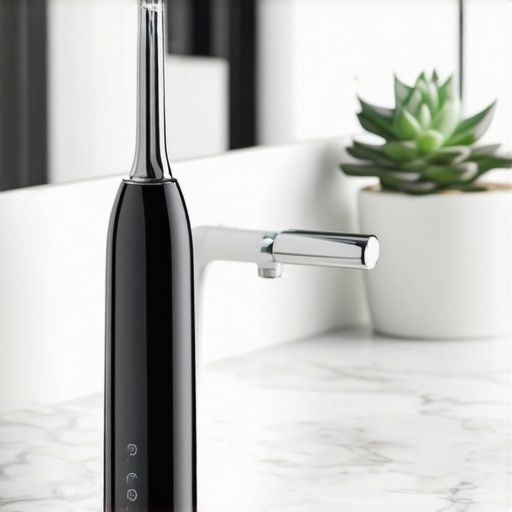
How do I keep my family’s oral health on track long-term?
Consistency is the only ‘magic’ pill in dentistry. We treat our six-month checkups as non-negotiable appointments, much like a car’s oil change. I’ve learned that how regular teeth cleaning can prevent major dental issues is essentially the secret to avoiding those massive, multi-thousand-dollar dental bills down the road. In our house, we use a shared digital calendar to track everyone’s ‘dental anniversary.’ This proactive approach is one of the best preventive tips for long-lasting dental health for families because it removes the guesswork and the ‘we’ll go next month’ excuses. Beyond the office visits, we also focus on gentle teeth cleaning best practices for sensitive gums, ensuring that we aren’t scrubbing away the very enamel we are trying to protect.
Look Out for AI Dental Tracking in Your Next Toothbrush
If you think dental tech has peaked, think again. I’m already seeing a massive shift toward AI-integrated toothbrushes that sync with your phone to map exactly where you are missing spots in real-time. I predict that within the next three years, these sensors will be able to detect early-stage enamel erosion from grinding before you even hear that first ‘crunch’ at night. This is the ultimate way to ensure maintaining oral health becomes a data-driven science rather than a guessing game. It’s about catching the reason your front teeth feel thin or see-through at the edges before the damage becomes permanent. If you want to take your family’s care to the next level, I strongly encourage you to try the ‘nightly facial massage’ technique I mentioned earlier—it costs nothing but five minutes and can save you a lifetime of jaw pain. Don’t wait for a toothache to start taking your equipment seriously.
What I Discovered After the Grinding Finally Stopped
One of the biggest realizations I had was that bruxism isn’t just a dental quirk; it’s often a biological SOS. I learned that ignoring the ‘crunch’ was essentially ignoring a potential stress signal from my daughter’s nervous system. It’s vital to look at the whole child, not just the teeth. I also found that oral health myths busted by professionals are much more reliable than late-night forum advice. For instance, I used to think aggressive scrubbing meant cleaner teeth, but I was actually risking enamel loss that could have made her grinding sensitivity even worse. Realizing that the jaw is connected to their overall airway health was a major lightbulb moment for our family.
The Gear That Changed Our Morning Routine Forever
If you want to move beyond the survival phase and into proactive care, you need tools that your kids actually enjoy using. My personal essential toolkit starts with a high-quality water flosser, which is one of the top teeth cleaning secrets to achieve a bright smile in under 30 minutes without the struggle of traditional string. I also swear by switching to ultra-soft bristles; it’s absolutely crucial to choose the right toothbrush bristle strength for your gums to avoid irritating the tissue while they sleep. Finally, I recommend keeping a dedicated ‘dental diary’ on your phone to track patterns—like if the grinding happens more on days with heavy sugar or less sleep—which helps immensely during your next checkup.
#IMAGE_PLACEHOLDER_E#
Build a Smile That Lasts a Lifetime
At the end of the day, protecting those tiny teeth is about more than just avoiding fillings—it’s about giving your child the gift of a restful, pain-free life. By implementing family dentistry tips that make oral care effortless and effective, you’re turning a potential source of nighttime anxiety into a predictable, calming bonding experience. Your commitment to family dentistry today is the foundation for their health and confidence tomorrow. We don’t just want them to have straight teeth; we want them to wake up feeling refreshed and ready to take on the world. Has your child’s nighttime grinding ever kept you awake with worry, and what was the one thing that finally helped them relax? Let me know in the comments below!