
I woke up last Tuesday, and I couldn’t open my mouth wide enough to take a bite of my toast. It wasn’t the first time, but it was certainly the most painful. For years, I ignored that dull, thrumming ache in my temples, assuming it was just another morning headache or a bad pillow. But that sharp pop when I reached for my coffee was the final straw. If you’ve ever felt like your face was clenched in a vice all night, you know exactly what I’m talking about. Dealing with bruxism isn’t just about protecting your enamel; it’s about regaining the ability to eat, talk, and smile without that nagging tightness. Today, I’m walking you through the best way to soothe a sore jaw from teeth grinding, drawing from my own trial-and-error—and a few expensive mistakes.
Why Your Jaw Feels Like It Ran a Marathon While You Slept
It’s wild to think about, but your jaw muscles are some of the strongest in your body. When you grind your teeth, you can exert up to 250 pounds of force on your molars. That is more than enough to cause the connection between grinding your teeth and frequent migraines that many of us suffer from. I used to think I was just stressed, but stress was just the trigger for a physical marathon happening in my mouth every night. You have to tell if your jaw pain is from stress or a cavity before you can truly treat the root cause. For me, the realization hit when I noticed the reason your jaw makes a popping sound when you yawn wasn’t just a sign of getting older—it was active inflammation from constant friction. According to the Mayo Clinic, bruxism can even be linked to sleep disorders like apnea, which was a huge lightbulb moment for my own recovery. Have you ever woken up with a stiff neck and just assumed it was your mattress?
Does Any of This Stuff Actually Work or Am I Stuck With the Pain?
I’ll be honest with you: I spent a small fortune on miracle relaxants and those cheap, squishy guards from the drugstore. That was my first big mistake. Those generic guards actually made me chew more during the night because they felt like a gummy toy in my mouth. If you are using one, you’ve probably wondered how to clean a nightguard without using harsh chemicals or if you should just toss the whole thing. The truth is, soothing the pain requires a mix of immediate physical relief and long-term habit changes. We’re going to look at heat therapy, specific stretches, and why your family dentistry provider is actually your best ally in this fight. It took me months to figure out that my nighttime habits were affecting my daytime happiness, and I don’t want you to wait that long.
Stop the Spasms with Moist Heat and Gentle Massage
When your jaw is locked tight, the last thing you want to do is force it open. Think of your masseter muscles—the big ones on the side of your face—like a pair of overworked hamstrings. If an athlete cramps up, they do not just keep running; they apply heat and stretch. For me, the game-changer was using moist heat rather than a dry heating pad. Last month, I was at a wedding in Vermont and forgot my nightguard. By 3 AM, I was in the hotel bathroom with a washcloth soaked in hot water, pressing it against my jaw like it was a life preserver. It stopped the spasms enough so I could actually sleep. I found that moist heat penetrates the tissue better than a dry electric pad ever could. Once the muscle is warm, use your knuckles to apply firm, downward pressure from just below your cheekbone to the bottom of your jawline. This releases the trigger points that often lead to how to manage a dull ache that wakes you up at night.

The Five-Second Rule for Your Tongue
Your teeth should rarely touch during the day. The only time they should meet is when you are chewing or swallowing. I used to spend my entire workday with my molars clamped together while I answered emails. Now, I use a mental reset every time I check my phone. The trick is to rest the tip of your tongue on the roof of your mouth, just behind your front teeth. This naturally forces your jaw to drop and creates space between your upper and lower arches. It sounds simple, but this one habit prevents the daytime fatigue that makes nighttime grinding so much worse. If your teeth feel uneven during this process, it might be worth investigating how to tell if your crown is too high for your bite, as even a millimeter of misalignment can trigger your brain to keep searching for a comfortable spot through grinding.
Get a Professional Bite Calibration
Sometimes, all the home remedies in the world will not fix a mechanical issue. If you have been consistent with stretches and your jaw still pops, you need to look at your alignment. I remember visiting my dentist for a routine checkup and mentioning the pain. He realized that a filling I had gotten years ago was slightly high, causing me to grind that specific spot down in my sleep. Beyond just checking for decay, how regular dental cleanings can save you money in the long run because they allow your provider to catch these wear patterns early. While you are there, asking about the ultimate guide to teeth cleaning techniques and benefits can help ensure you are not brushing too hard in response to the sensitivity grinding causes. Professional intervention is not just about getting a guard; it is about making sure your oral environment is balanced. If your gums are feeling the brunt of the inflammation, look into gentle teeth cleaning best practices for sensitive gums to keep your mouth healthy while you work on the jaw tension.
Most people think that once they pop in a nightguard, the problem is solved. It is a classic misconception in family dentistry: the idea that a piece of plastic is a cure-all for bruxism. In reality, a guard is often just a shock absorber. If you are using a soft, ‘boil-and-bite’ guard from a drugstore, you might actually be training your brain to chew more throughout the night. This is one of those oral health myths debunked through painful experience. Research published in the *Journal of Oral Rehabilitation* suggests that while guards protect the enamel from wear, they do not necessarily stop the underlying muscle activity of bruxism. For some, the tactile feedback of a soft guard actually increases the frequency of clenching episodes.
Can You Just ‘Beautify’ Away the Grinding Damage?
I see this all the time in the world of cosmetic dentistry innovations—patients want to jump straight to contouring or veneers because their front teeth look jagged or translucent from years of grinding. Here is the ‘oops’ factor: if you do not fix the underlying bite alignment first, those expensive porcelain shells will pop off or crack within months. You are essentially putting a new roof on a house with a crumbling foundation. Before you invest in a smile makeover, you have to ensure your regular teeth cleaning includes a thorough check of your occlusal health. A professional needs to see if your teeth are meeting properly before you start adding layers of porcelain.
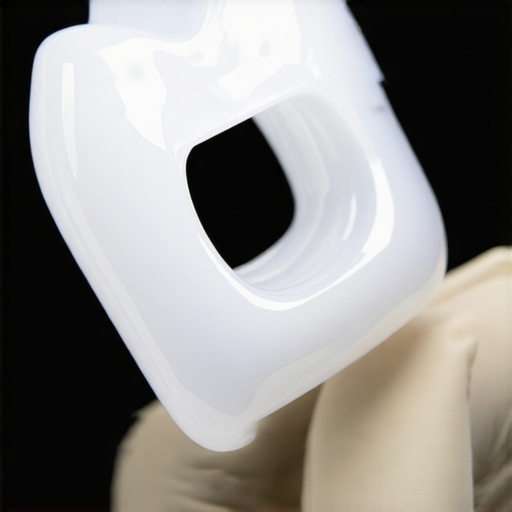
Another dangerous trap is the rush to whiten teeth that have been thinned by grinding. When you grind, you wear down the enamel, exposing the yellower, more sensitive dentin underneath. If you use high-strength whitening strips on worn-down teeth, you are not just risking sensitivity; you are practically inviting a lightning bolt of nerve pain into your jaw. It is a nuance that many people miss: yellowing is not always a stain problem; sometimes it is a ‘missing enamel’ problem. Have you ever fallen into the trap of buying a drugstore guard only to find your jaw hurting more the next morning? Let me know in the comments. We need to talk more about how regular dental cleanings can save you money by preventing these massive restorative bills later. It is not just about the teeth; it is about the whole system working together in harmony.
Invest in a Splint That Doesn’t Fight Your Jaw
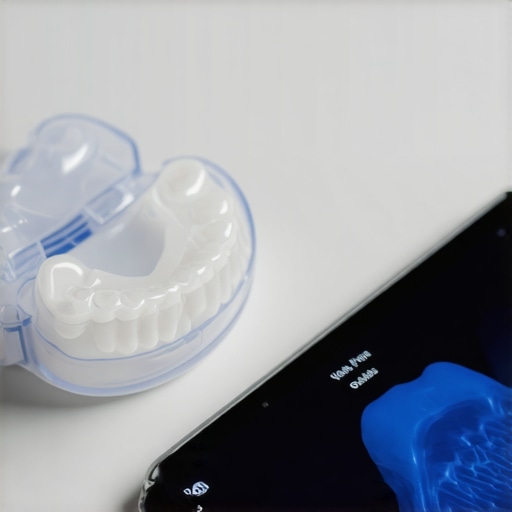
After years of wrestling with those ‘boil-and-bite’ disasters, I finally committed to a professional occlusal splint. The difference isn’t just in the fit; it’s in the material density. A lab-created guard is designed to keep your jaw in a ‘centric relation’—essentially a neutral position where your muscles can finally chill out. My dentist used a high-tech approach, and honestly, how we use digital scanners to avoid messy dental molds made the process actually pleasant. No more gagging on goop. This specific tool changed my mornings from painful to peaceful because it was calibrated to my unique bite pressure rather than just being a generic slab of rubber.
I also started incorporating magnesium bisglycinate into my nightly routine after reading a study in the *Journal of Oral Rehabilitation* regarding the management of myofascial pain. While I am not a doctor, the research highlights how supporting muscle relaxation through magnesium can reduce the intensity of nocturnal clenching. When you combine internal muscle support with a rigid physical barrier, you’re attacking the problem from both sides. This is a core part of preventive tips for long-lasting dental health for families because it stops the wear before it starts, rather than just treating the jagged edges left behind.
How do I maintain my jaw health over the long term?
Maintenance is where most people drop the ball. You cannot just buy a guard and forget it. You need to know how to clean a nightguard without using harsh chemicals to prevent bacteria buildup that can lead to gum issues. I keep a dedicated ultrasonic cleaner on my vanity. It’s a small device that uses sound waves to shake off plaque and tartar from the guard in under two minutes. Beyond the hardware, you have to stay on top of your top 5 secrets to maintaining perfect oral health as a family, which includes checking the guard for ‘pitting’ or cracks at every six-month checkup. If you have already suffered some wear, look into how to maintain your porcelain veneers so they last twenty years if you have had restorative work done to fix grinding damage.
Wearable Tech is Changing the Sleep Game
I predict that within the next few years, we will not just be wearing passive pieces of plastic. We are already seeing the rise of biofeedback-enabled guards that gently vibrate when they detect clenching, training your brain to stop the habit in real-time. This is the next frontier in cosmetic dentistry innovations you can’t miss this year and beyond. It’s moving from ‘damage control’ to ‘habit reversal.’ If you’re currently dealing with thinned enamel from years of neglect, make sure you research the safest way to whiten teeth if you have thin enamel so you don’t aggravate your nerves while trying to brighten your smile.
If you’re ready to stop the cycle of morning headaches and jaw clicks, my best advice is to stop guessing. Book a consultation to see if your bite is actually the culprit. How regular dental cleanings can save you money in the long run isn’t just a slogan; it’s a financial reality when you consider the cost of a full mouth reconstruction versus a single custom guard. Take the first step tonight: try the ‘tongue-to-roof’ resting position I mentioned earlier for five minutes before bed and see how much tension melts away.
The Brutal Truths I Learned While Fixing My Bite
After years of dealing with this, I’ve realized that bruxism is rarely a standalone issue. It is a signal from your body that something—whether it is your bite, your stress levels, or your sleep quality—is out of sync. One major lightbulb moment was discovering that my ‘habitual’ clenching was actually my body trying to find a stable resting place for my teeth. This is why understanding oral health myths debunked is so critical; you can’t just ‘will’ yourself to stop grinding if your anatomy is fighting you. I also learned that top 5 secrets to maintaining perfect oral health as a family must include monitoring jaw tension in kids early on, as why your child’s jaw alignment matters more than just a straight smile is a lesson best learned before permanent wear sets in.
#IMAGE_PLACEHOLDER_E#
Resources That Actually Save Your Enamel
To truly manage a sore jaw, you need a toolkit that addresses both the physical symptoms and the hardware you use every night. My essential list includes magnesium bisglycinate for muscle relaxation, a high-quality moist heat wrap, and a strict cleaning routine for my splint. I cannot stress enough how much learning how to clean a nightguard without using harsh chemicals improved my experience; it prevented that ‘old plastic’ smell and kept my gums healthy. For those who have already seen some wear and are considering aesthetic fixes, I highly recommend looking into contouring and veneers only after your bite has been stabilized. Investing in how regular dental cleanings can save you money is the smartest move because it allows your dentist to catch guard-pitting before it ruins your restorative work.
Take the First Step Toward Pain-Free Mornings
You don’t have to accept a tight, clicking jaw as your ‘normal.’ By combining the physical therapy techniques like the tongue-to-roof rest with professional intervention, you can break the cycle of chronic pain. Whether you are exploring cosmetic dentistry innovations to repair chips or just need a new guard that doesn’t feel like a chew toy, the path to relief starts with a simple conversation. Your smile is a system, and when you treat the foundation, the rest falls into place. Have you ever noticed that your jaw pain gets worse during a busy work week? Let me know in the comments below!