
I used to think that squeezing a dental appointment in between school and soccer was the pinnacle of parental efficiency. I was wrong. Dead wrong. My youngest decided that the dentist’s chair was the perfect place to stage a protest that would put a labor union to shame. I’ll never forget the ‘Great Meltdown of 2019’—a 4:30 PM cleaning that ended with me apologizing to the entire staff while my son refused to open his mouth for anything less than a chocolate shake. It was a visceral realization: I had failed to account for his biological clock. When it comes to family dentistry, your child’s temperament is the lead actor, and the clock is the director. Today, I’m going to share exactly why the timing of your visit can make or break your child’s relationship with the dentist for years to come. [image_placeholder_1]
Morning Appointments Are My Secret Weapon
Let’s be real: kids are morning people, even when they’re teenagers who pretend they aren’t. Early in my parenting journey, I made the mistake of booking appointments when it was convenient for my work schedule rather than my kids’ energy levels. The result? Exhausted, cranky children who viewed the dentist as an enemy. I’ve learned that the first slot of the day is often the best because the office is fresh, and your child hasn’t had the whole day to build up anxiety. If you are still wondering how to tell if your child is ready for their first dental cleaning, the answer often lies in how they handle their morning routine. A well-rested child is a cooperative patient. According to the American Academy of Pediatric Dentistry, scheduling young children in the morning when they are alert and fresh is a proven strategy for a successful visit. This isn’t just about avoiding a scene; it’s about ensuring they have the mental capacity to follow instructions and feel in control of the experience.
Does the Time of Day Really Change the Treatment?
You might be skeptical. Can an 8:00 AM cleaning really be that much better than a 3:00 PM one? In my experience, absolutely. When I switched to morning slots, the ‘scary’ tools suddenly looked like ‘cool gadgets’ because my kids actually had the patience to listen to the hygienist’s explanations. We started using family dental care hacks to keep your kids smiling daily, but even the best hacks at home can’t save a visit if the child is hitting their afternoon slump. Have you ever walked into a dental office with a child who was already on the verge of a nap-deprived tantrum? It’s a recipe for disaster.
Set Your Family Up for Success
Setting the stage for a positive experience involves more than just a calendar entry. It’s about building a foundation of trust. I once tried to ‘surprise’ my kids with a visit, thinking it would prevent them from worrying. Instead, it backfired. Now, I use family dentistry tips that make oral care effortless and effective, which includes talking about the visit a few days in advance. We even practice how to get your kids to brush for the full two minutes as a ‘pre-game’ for the big day. By aligning the appointment with their natural peak energy times, you’re giving them the best chance to succeed. If things are more serious, knowing how to explain a root canal to a child without scaring them becomes much easier when they aren’t already halfway to a nap. I want to know—have you ever had a scheduling disaster that taught you a hard lesson about ‘toddler timing’?To avoid those scheduling disasters, you need a tactical approach that goes beyond just picking a time on a screen. Think of your child’s cooperation like a smartphone battery. In the morning, they are at a full 100% charge. As the day grinds on—through school lessons, playground squabbles, and snack-time crashes—that battery drains. By 3:00 PM, you’re operating on a 10% low-power mode. Expecting a toddler or even a pre-teen to sit still for smile bright revolutionary teeth cleaning techniques for 2025 when they are essentially running on empty is a recipe for a meltdown. This is why the ‘energy window’ is the most critical factor in your planning.
Prepare the Ground Before You Ever Leave the House
Preparing your child for a dental visit is like an athlete warming up before a championship game. You don’t just drop them on the field and expect a win. I’ve found that the best results come from a ‘walk-through’ strategy. Sit them down a few days prior and use the ‘tell-show-do’ method. I tell them about the ‘magic chair’ that goes up and down, show them a small handheld mirror at home, and then ‘do’ a quick pretend exam of their teeth using a toothbrush handle. By the time we get to the office, the environment feels familiar rather than foreign. When you integrate family dentistry tips that make oral care effortless and effective into your daily life, the transition to the professional chair feels like a natural extension of home. I remember one particular Tuesday when my son was terrified of the ‘sucking straw’ (the high-volume evacuator). Instead of letting the hygienist start immediately, we spent five minutes at home the night before with a regular straw and a cup of water, making ‘slurping’ noises. We turned a scary piece of medical equipment into a game, which made the actual teeth cleaning a breeze.
Find the Sweet Spot in Their Energy Cycle
You have to be a student of your child’s temperament. If your toddler still naps from 1:00 PM to 3:00 PM, a 3:30 PM appointment is a gamble you will likely lose. They will be in that ‘post-nap fog’ where everything feels irritating. I once ignored this rule, thinking I could bribe my way through a late-afternoon slot with the promise of a new toy. It was a disaster. My daughter was so overstimulated from a long day at preschool that even the gentle hum of the office lights set her off. Now, I strictly adhere to the ‘Golden Two Hours’—the window immediately following their first meal when they are most resilient. This isn’t just about avoiding tantrums; it’s about preventive tips for long-lasting dental health for families. When a child is calm, the dentist can perform a much more thorough exam, checking for things like why your child’s jaw alignment matters more than just a straight smile or identifying if they need a spacer after losing a baby tooth early. 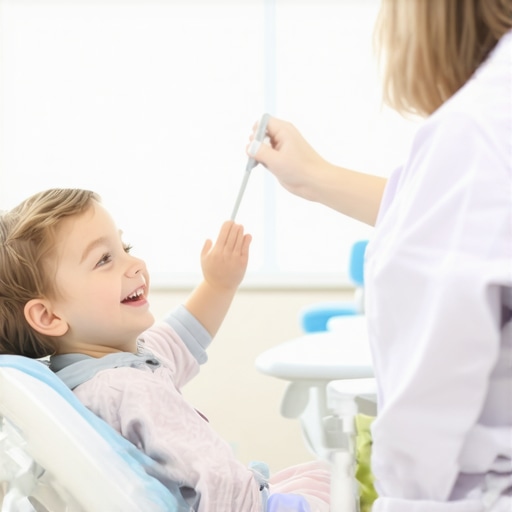
Create a Buffer Zone for Acclimation
Never arrive at the very last second. Rushing through the door with your heart racing and your voice strained from yelling ‘hurry up’ in the car sends an immediate signal to your child that something is wrong. They pick up on your cortisol levels. Instead, aim to arrive fifteen minutes early. This is the ‘buffer zone.’ It allows them to sit in the waiting room, play with the provided toys, and observe other children leaving the exam area with stickers and smiles. This passive observation is a powerful tool for how to manage dental anxiety without using heavy sedation. It normalizes the experience.
Pivot Fast When Things Go Sideways
Even with perfect timing, kids are unpredictable. If a meltdown starts, don’t force the issue. A traumatic experience today can lead to decades of dental phobia. If I see my kids hitting a wall, I ask the dentist to pivot. Maybe we don’t do the full cleaning today; maybe we just do a ‘happy visit’ where they sit in the chair and get a prize. Understanding oral health myths busted what every family should know includes realizing that one ‘failed’ appointment isn’t a failure at all if it preserves the child’s trust. We once had to stop halfway through a check-up because my son was just ‘done.’ We came back two days later at 8:00 AM, and he was a different kid. He even asked the hygienist how to get your kids to brush for the full two minutes because he wanted to show off his skills. Consistency and patience always win over force.
Stop Treating Cleanings Like a Chore
Common wisdom suggests that as long as you show up twice a year, you’re doing your job. In my experience, that’s a dangerous oversimplification. People often view teeth cleaning as a mechanical task, like getting an oil change. But here’s the contrarian truth: the cleaning is the least important part of the visit. The most important part is the *observation* of growth and behavior. If you only focus on the scraping and polishing, you miss the subtle signs that your child might need a spacer after losing a baby tooth early or that their jaw isn’t expanding as it should. When parents prioritize ‘getting it over with’ over ‘getting it right,’ they fall into the trap of reactive care.
The Expensive Trap of ‘If It Doesn’t Hurt, It’s Fine’
The biggest ‘oops’ factor I see with families is waiting for a symptom before booking. By the time a child complains of pain, you are likely looking at a much more invasive procedure than a simple filling. This is one of the many oral health myths busted what every family should know. Proactive visits are actually your best financial tool. Research from the American Dental Association (ADA) indicates that every dollar spent on preventive care can save up to $50 on restorative and emergency procedures later on. If you want to know how regular dental cleanings can save you money in the long-run, it’s not about the cleaning itself—it’s about interceptive care that catches issues while they are still tiny and cheap to fix.
Can Timing Really Improve the Accuracy of a Diagnosis?
Yes, and this is the nuance most people miss. A calm child allows for a much more thorough examination. When my daughter is relaxed during her smile bright revolutionary teeth cleaning techniques for 2025, the dentist can take a clearer look at why your child’s jaw alignment matters more than just a straight smile. If she’s thrashing or crying, the exam is inevitably rushed. You’re paying for expertise, but you’re limiting the expert’s ability to work. Using top 5 secrets to maintaining perfect oral health as a family means recognizing that the environment you create in the chair directly impacts the quality of the medical data the dentist receives. Have you ever fallen into this trap where a ‘quick’ visit ended up missing a bigger issue? Let me know in the comments.
Ultimately, family dentistry is a partnership between your home routine and the clinical setting. Don’t just show up—show up prepared, at the right time, and with the right mindset. If you are ready to stop the cycle of stressful visits, contact us today to find a slot that actually fits your child’s biological clock, not just your lunch break.
I’ve spent thousands of dollars over the years on everything from achieving stunning results fast with whitening to complex fillings, and I finally realized that my bathroom counter needed an upgrade. It’s not about buying every gadget; it’s about the *right* tools. For me, that meant finally embracing the benefits of using a water flosser for patients with gum disease. I used to find traditional string floss so tedious that I’d ‘forget’ for days. Once I switched to a high-pressure water system, the pink in the sink disappeared within a week. I personally recommend any model with at least six pressure settings—start low and move up as your gum tissue becomes more resilient. If you’ve invested in aesthetics, knowing how to maintain your porcelain veneers so they last twenty years is less about the dentist and more about these daily micro-habits.
How do I maintain these results for the next decade?
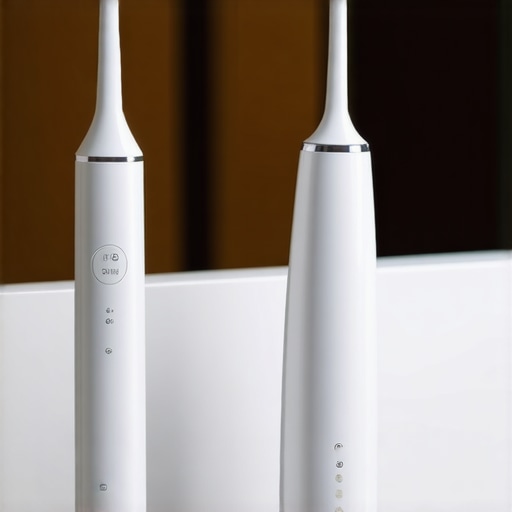
The answer is consistency powered by technology. Beyond the flosser, I’ve moved to an electric toothbrush with a built-in pressure sensor. We often think we need to scrub our teeth into submission, but maintaining oral health expert advice for a lifetime of healthy teeth emphasizes that vibration beats force every time. A pressure sensor is a game-changer because it literally stops the motor if you push too hard, protecting your enamel from recession. I’ve seen this personally with my kids too; they treat the vibrating brush like a toy, which makes family dental care hacks to keep your kids smiling daily actually work.
AI and Smart Sensors are the Future of Your Bathroom
Looking ahead, the trend is moving toward ‘connected dentistry.’ We are already seeing brushes that sync with your phone to map your mouth in real-time. According to Dr. Maria Ryan, a leading expert in dental clinical research, the integration of bio-sensors in home tools will soon allow us to detect changes in saliva pH and bacterial load before a cavity even forms. This predictive approach is where top 5 secrets to maintaining perfect oral health as a family will live in 2025 and beyond. No more guessing if you missed a spot behind your molars; your mirror might just tell you. Even how we use digital scanners to avoid messy dental molds in the office is a precursor to this—we are moving toward a world where your dental health is monitored daily, not just twice a year. To scale your oral health today, I challenge you to swap your manual brush for a pressure-sensing electric one for just thirty days. It’s the single most effective ‘maintenance’ upgrade you can make. If you’re ready to see how these professional tools can change your trajectory, reach out to us for a personalized home-care consultation.
What Nobody Tells You About the 4 PM Meltdown Trap
After years of navigating the ups and downs of parenthood, I realized that the “perfect” appointment time doesn’t exist on a calendar—it exists in your child’s temperament. One of my biggest lightbulb moments was realizing that pushing for a cleaning when my son was hungry or tired was essentially setting him up for failure. When you prioritize their biological needs, family dentistry stops being a battle and starts being a routine. I also learned that silence doesn’t mean health; waiting for a tooth to hurt before booking a visit is the fastest way to turn a simple check-up into a complex procedure.
The most valuable lesson? Flexibility is your superpower. If your child is having an off day, it is perfectly okay to pause. A “happy visit” where they just sit in the chair and get a sticker does more for their long-term confidence than a forced cleaning ever could. This approach ensures you are maintaining oral health expert advice for a lifetime of healthy teeth without the trauma.
The Gear That Actually Saved My Kids’ Enamel
If you want to move beyond the struggle, you need the right tools in your arsenal. I personally swear by three things: a high-quality electric toothbrush with a pressure sensor to prevent over-brushing, a fun timer app that turns two minutes into a game, and finally, the benefits of using a water flosser for patients with gum disease or even just for kids who hate traditional string. These aren’t just gadgets; they are investments in your child’s autonomy. I trust these tools because I’ve seen the results in our own x-rays. Plus, knowing how regular dental cleanings can save you money in the long-run makes the cost of a good electric brush seem like a bargain compared to future fillings.
[image_placeholder_final]
Give Your Child the Gift of Fearless Health
The goal isn’t just to have white teeth; it’s to raise an adult who isn’t afraid of the dentist. By taking the time to plan your visits around their peak energy levels and using positive reinforcement, you are building a foundation of trust that will last decades. Your efforts in family dentistry today are the reason they will smile with confidence tomorrow. Don’t be afraid to start small and stay consistent. If you need a team that understands the “toddler factor,” contact us today to schedule a stress-free consultation.
Have you ever had a dental appointment that went surprisingly well because of a specific trick you used? Let me know your best parenting dental hacks below!