
I’ll never forget the cold sweat that broke out on my forehead when I first had to check the ‘Heart Condition’ box on my dental intake form. I was there for a routine cleaning, but suddenly, the air felt thick with a danger I hadn’t anticipated. My mind raced with questions: Could the numbing agent affect my rhythm? Would a little gum bleeding lead to a major infection? I spent years worrying about this until I finally sat down and had the ‘heart-to-heart’ with my provider that I should have had on day one. The biggest mistake I ever made was assuming my dentist only cared about my teeth. I kept my murmur to myself during my first visit, thinking it was irrelevant—a move that could have been incredibly dangerous. Today, I’m going to share the exact protocol you need to follow to keep your heart safe while keeping your smile bright.
Your Heart Condition Changes Everything About Your Next Appointment
The reality is that your mouth is a gateway to your bloodstream. When you have specific cardiac issues, like a history of endocarditis or certain valve replacements, a simple cleaning can stir up bacteria that might head straight for your heart. That’s exactly why your dentist asks about your medications at every visit. They aren’t being nosy; they are building a safety net. For me, it meant learning about premedication—taking a specific dose of antibiotics before the chair even leans back. If you’re feeling anxious about the stress on your body, you might even look into how guided meditation actually lowers your heart rate during a root canal or other procedures, which helps manage the physiological strain. Maintaining oral health isn’t just about a pretty smile anymore; for us, it’s a vital part of cardiac maintenance.
Does this really matter for just a quick check-up?
You might be thinking, ‘It’s just a cleaning, do I really need to go through the whole song and dance?’ I used to think the same thing. However, the American Heart Association specifically notes that for patients with the highest risk of adverse outcomes from infective endocarditis, antibiotic prophylaxis is recommended before dental procedures that involve manipulation of gingival tissue. It’s a small step that prevents a massive complication. Have you ever walked into the office feeling like you’re hiding a secret about your health? Drop a comment below, because I’d love to know how you handled that first conversation with your dentist. Getting the protocol right is the first step to a stress-free visit, and it’s easier than you think once you have the facts.
Start the Conversation Before You Sit in the Chair
Preparation begins long before the hygienist grabs the scaler. You need to treat your dental office like a secondary wing of your cardiology clinic. When you call to book, explicitly state that you have a cardiac history. This gives the staff time to consult your records or request a clearance letter from your specialist if needed. Think of it like filing a flight plan; you want everyone on the ground to know exactly what’s happening in the air.
Don’t Guess When It Comes to Blood Thinners
Many heart patients are on anticoagulants or daily aspirin. I learned the hard way that even a ‘baby aspirin’ matters. During one routine visit, I neglected to mention I’d started a new regimen for my blood pressure. When the hygienist began a standard cleaning, my gums bled much more than usual. The look of concern on her face made me realize that my ‘minor’ pill was a major factor in her work. This is exactly why your dentist asks about your medications at every visit. They need to know if your blood’s clotting ability is altered to prevent unnecessary complications during even the most basic procedures. If you notice changes in your mouth after starting a new prescription, it’s worth noting that why your gums turn red when you start a new medication often relates to how these drugs interact with oral tissues. 
Keep Your Bloodstream Clean by Mastering Your Morning Routine
Your heart is essentially a high-performance engine, and bacteria from your mouth are like grains of sand in the oil. If your gums are inflamed, that sand enters the system every time you chew or brush. This makes maintaining oral health your first line of defense. You should be using the most effective tools available to keep bacterial loads low. Reviewing the ultimate guide to teeth cleaning techniques and benefits can help you refine your technique to ensure you aren’t leaving ‘pockets’ of infection that could threaten your valves.
Watch for Red Flags After Your Procedure
After you leave the office, the job isn’t done. You have to monitor how your body reacts. It’s normal to see a little discoloration, but knowing the reason your spit is pink after you brush your teeth helps you distinguish between normal healing and a potential issue. If you’ve just started a new flossing habit to protect your heart, you might need tips on how to stop your gums from bleeding when you start a new flossing routine so you don’t accidentally create new entry points for bacteria. Consistency is your best friend here. By staying on top of how regular teeth cleaning can prevent major dental issues, you are actively lowering the inflammatory burden on your entire cardiovascular system.We often think that a ‘good’ cleaning has to feel a bit like a construction site in our mouths to be effective. Everyone says ‘no pain, no gain,’ but in my experience, especially when dealing with heart health, aggressive scrubbing is a recipe for disaster. The most common myth I see is the belief that more pressure equals fewer bacteria. In reality, over-enthusiastic brushing creates micro-ulcerations in the gingival tissue. For someone with a heart murmur or a valve replacement, these tiny tears are essentially open highways for bacteria to enter the bloodstream and travel straight to your heart. This is why I always advocate for gentle teeth cleaning best practices for sensitive gums. It is not about being ‘soft’; it is about being strategic with your health. 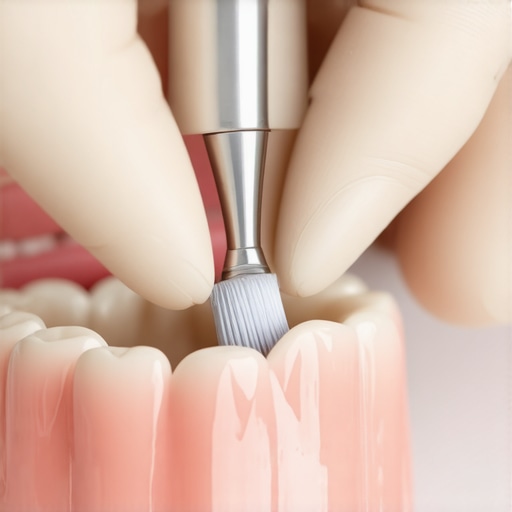
The Hidden Trap of Prioritizing Aesthetics Over Heart Safety
The ‘oops’ factor I see most often involves patients rushing into aesthetic upgrades without clearing their inflammatory decks first. It is incredibly tempting to jump into cosmetic dentistry innovations you can’t miss this year because everyone wants a Hollywood smile. However, if you have underlying periodontal disease, you are essentially building a mansion on a swamp. A study published in the Journal of the American Heart Association (JAHA) highlighted that individuals with untreated gum disease have a significantly higher risk of major adverse cardiovascular events. If you are masking bleeding gums with veneers or aggressive whitening, you are ignoring a systemic alarm bell. This is one of the most critical oral health myths debunked: what you need to know in 2025: beauty must follow health, never the other way around.
Should You Postpone Cosmetic Work While Managing Your Heart Health?
The answer is not always a flat no, but it is usually ‘not quite yet.’ You need to stabilize your cardiac status and oral flora before any major elective procedures. I have seen people spend thousands on the truth about whitening toothpaste or professional bleaching, only to realize their sensitivity was actually caused by receding gums—a sign of inflammation that their cardiologist needs to be informed about. Before you consider transforming your smile, ensure your biological foundation is solid. Investing in your oral health is not just a medical necessity; it is a smart financial move. Understanding how regular dental cleanings can save you money in the long run helps you realize that a small preventative cost today could prevent a massive medical complication tomorrow. Have you ever fallen into the trap of prioritizing a white smile over healthy gums? Let me know in the comments—I have been there, and I know how easy it is to focus on the mirror rather than the heart monitor.If you want to keep your cardiac safety and your smile in sync, you have to upgrade the tools you use every morning. I used to think a standard toothbrush was enough, but once I understood the connection between gum trauma and endocarditis, I realized my ‘old school’ methods were actually high-risk behaviors. Now, I focus on a maintenance routine that prioritizes precision over power. This is where preventive tips for long-lasting dental health for families become essential, as establishing these habits early can prevent the very cardiac-oral complications I now have to manage so carefully.
Ditch the Manual Brush for This One Safety Feature
The single most important tool in my bathroom is an electric toothbrush with a built-in pressure sensor. For a heart patient, this isn’t a luxury; it is a safety device. When you press too hard, a red light flashes to warn you that you are about to cause the micro-abrasions that let bacteria enter your blood. The American Dental Association (ADA) Council on Scientific Affairs notes that electric toothbrushes are significantly more effective at removing plaque while being easier on the gingival tissue when used with a sensor. By following gentle teeth cleaning best practices for sensitive gums, you ensure that you aren’t accidentally creating a pathway for infection every time you brush. 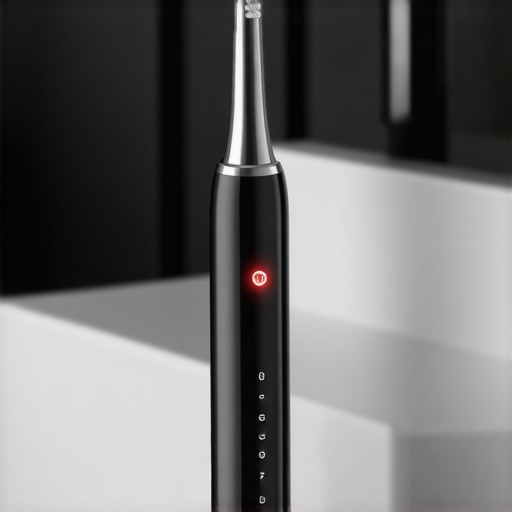
How do I keep my mouth healthy for the long haul?
Maintaining your results over years requires more than just brushing; it requires flushing out the hidden pockets where bacteria hide. I personally made the switch to a water flosser, and it changed everything. I found that the benefits of using a water flosser for patients with gum disease are unparalleled because it uses pulsations to massage the gums and clear debris without the mechanical trauma of traditional string. This keeps the bacterial load low without the risk of ‘sawing’ into your gums. When you combine this with family dentistry tips that make oral care effortless and effective, you create a sustainable system that protects both your teeth and your heart for decades.
The Next Big Thing in Cardiac-Focused Dental Tech
Looking ahead, I predict we are entering an era of ‘Bio-Informative Dentistry.’ We are already seeing cosmetic dentistry innovations you can’t miss this year that focus on biocompatible materials, but the future is in saliva diagnostics. Soon, your dentist will likely use a quick swab to check for specific inflammatory markers that correlate with heart disease risk. This shift from ‘drilling and filling’ to ‘monitoring and managing’ will be a game-changer for those of us with cardiac concerns. By staying consistent with how regular teeth cleaning can prevent major dental issues, you are positioning yourself to take advantage of these new technologies as they arrive. If you haven’t yet, I highly recommend switching to an electric brush with a pressure sensor this week—it is the easiest way to immediately lower your risk of gum-induced bacteremia.
The Hardest Lesson I Learned About Protecting My Valves
Looking back, the biggest ‘aha’ moment for me was realizing that I shouldn’t be afraid to sound like a broken record. Every time I sit in that chair, I confirm that my dentist has noted my valve condition and any anticoagulants I am currently taking. I learned that being an active participant in your care is the best way to prevent complications. It is also vital to realize that gum health is not just about avoiding cavities; it is about keeping the bacterial load in your entire body at a safe level. This is why I have become so diligent about maintaining oral health through both professional checkups and home care.
The Three Tools That Changed My Daily Routine
If you want to protect your heart while you brush, you need a specialized toolkit. First, I never skip a day with my water flosser. I have found that the benefits of using a water flosser for patients with gum disease are huge because it reduces inflammation without the risk of physical trauma. Second, I only use a soft-bristled electric brush with a pressure sensor to ensure I am following gentle teeth cleaning best practices for sensitive gums. Finally, I keep a physical ‘Cardiac Dental Card’ in my wallet that lists my cardiologist’s phone number and my current antibiotic prophylaxis protocol, just in case of an emergency.
Your Future Health Starts with This One Step
Taking control of your cardiac-dental connection might feel overwhelming at first, but it gets easier with every visit. By staying on top of how regular teeth cleaning can prevent major dental issues, you are giving your heart the best possible environment to stay strong. Don’t let fear keep you away from the office; instead, use your knowledge as a shield. Many oral health myths debunked: what you need to know in 2025 suggest that dental work is too risky for heart patients, but with the right protocol, it is actually one of the smartest things you can do for your longevity. Have you ever felt nervous about sharing your medical history with your dentist? Let me know in the comments below!