
I remember the exact moment I realized I was doing it all wrong. I was leaning over my bathroom sink, minty foam everywhere, and when I finally spat, the sink looked like a watercolor painting of a pale rose. My heart sank. I wasn’t in pain, but that subtle pink tint felt like a flashing red light. I spent the next twenty minutes frantically googling if my teeth were about to fall out. Looking back, I wish I hadn’t panicked, but I also wish I hadn’t ignored the signs for so long. We’ve all been there—staring at the porcelain, wondering if we just brushed too hard or if something deeper is going on with our oral health. Have you ever felt that sudden jolt of worry when your routine takes a bloody turn? Today, I’m going to share exactly why this happens and how I finally stopped the cycle of ‘pink sink’ syndrome for good.
Stop Panic Brushing When You See Pink
It is so easy to assume the worst, but that pink foam is usually your gums’ way of trying to start a conversation. For years, I made the classic mistake of thinking that if my gums were bleeding, I should just leave them alone. I’d skip those spots with the brush, thinking I was letting them ‘heal.’ In reality, I was just letting the problem fester. I didn’t realize that the ultimate guide to teeth cleaning techniques and benefits emphasizes consistency over intensity. When you see pink, it is often a sign of early-stage gingivitis, which is essentially just your body’s inflammatory response to plaque that has overstayed its welcome. According to the CDC, nearly 47.2% of adults over age 30 have some form of periodontal disease, so you are definitely not alone in this struggle. The good news? Unlike many other health issues, this is something we can usually reverse with the right tweaks at home.
Is This Just a Small Cut or Something Worse?
One of my biggest fears was that I had permanently damaged my smile. I used to scrub my teeth like I was trying to get a stain out of a rug. I’d walk away and wonder why your gums throb after brushing too vigorously, never connecting the dots that I was the one causing the trauma. If you only see pink occasionally, you might just be using a brush that’s too stiff or a technique that’s too aggressive. It’s a delicate balance. You want to remove the film without punishing the tissue. I had to learn how to choose the right toothbrush bristle strength for your gums to finally get the cleaning I needed without the carnage. If you’ve ever wondered why your gums bleed when you floss for the first time in weeks, it’s the same principle: those tissues are out of shape and inflamed. In the next section, we’re going to dive into the specific steps I took to strengthen my gums and turn that pink spit back to white.
Take Control of Your Gum Health Today
You need to stop treating your teeth like you are trying to scrub a stain out of a concrete driveway. Your gums are living tissue, more like fine silk or expensive leather, and they require a delicate touch to remain healthy. When I finally switched to a soft-bristled brush, the difference was immediate and undeniable. For years, I operated under the delusion that ‘Firm’ bristles were the only way to achieve a deep clean, but I quickly learned why your gums recede faster if you use a hard-bristled brush. It is a slow, silent erosion that you often do not notice until the roots of your teeth start looking longer than they should. Finding the sweet spot starts with knowing how to choose the right toothbrush bristle strength for your gums so you can remove plaque without causing microscopic tears in the tissue.
Stop Treating Your Teeth Like a Kitchen Floor
I remember one specific morning on a road trip when I forgot my travel kit and bought a ‘Hard’ brush at a gas station. I figured three days of aggressive scrubbing wouldn’t hurt. By day three, my gums did not just bleed; they throbbed with every heartbeat. It was a painful reminder that force is the enemy of oral health. Instead of sawing back and forth—which is essentially just pushing debris further into the gum line—you want to use small, gentle circular motions. Think of it like detailing a high-end sports car. You would not take a wire brush to a Ferrari, and your smile deserves that same level of care. Following gentle teeth cleaning best practices for sensitive gums involves angling your brush at a 45-degree angle toward the gum line. This specific tilt allows the bristles to reach just slightly under the edge where bacteria love to hide and colonize.#IMAGE_PLACE_HOLDER_B#
Why a Water Flosser Changes Everything
Then there is the issue of flossing. For a long time, I was a ‘seasonal flosser,’ meaning I only did it in the week leading up to my dental appointment. I would overcompensate by flossing so aggressively I’d actually cut my gums, leading to more inflammation. If standard string floss feels like a chore or causes you discomfort, the benefits of using a water flosser for patients with gum disease are a total game changer. It is essentially a power wash for your mouth that is actually enjoyable to use. In my household, we transitioned into using family dentistry tips that make oral care effortless and effective, such as making flossing a non-negotiable part of the evening wind-down. It’s much easier to stay consistent when you aren’t fighting with a piece of string that’s stuck between your molars.
The Hidden Power of Professional Cleanings
Finally, you have to accept that you cannot do it all alone at your bathroom sink. Even with the most disciplined home routine, plaque eventually hardens into tartar, which is basically ‘dental concrete.’ Once it reaches that state, no amount of brushing or flossing will move it. This is why understanding how regular teeth cleaning can prevent major dental issues is so vital. Those professional tools are designed to reach the areas you simply cannot see. It is the difference between a simple 45-minute checkup and an expensive, multi-visit procedure down the road. Consistency in the clinic is the ultimate backup for your efforts at home.
Stop Obsessing Over Paper-White Teeth
Everyone tells you that a blindingly white smile is the ultimate goal, but here is a nuance most people overlook: healthy teeth are rarely naturally paper-white. In fact, if your teeth look slightly off-white, it might be a sign of thick, healthy enamel. The layer underneath your enamel, called dentin, is naturally yellowish. As enamel thins from over-aggressive cleaning, that yellow hue actually becomes more prominent. This is often the reason your teeth look yellow even though you brush twice daily. While we are inundated with ads for charcoal pastes and DIY kits, many of these are too abrasive for daily use and can lead to permanent sensitivity. I have seen too many people fall for the ‘natural’ trap, such as believing the truth about oil pulling for whiter teeth and healthy gums is a replacement for mechanical cleaning. It is not. Expertise in oral care means recognizing that a functional, plaque-free bite is far more important than a shade-guide-perfect smile. 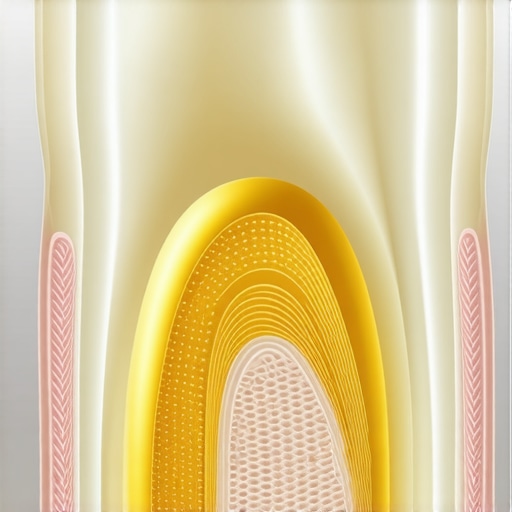
Why Your Post-Lunch Routine Might Be Melting Your Enamel
There is a massive ‘oops’ factor that almost every health-conscious person falls for: brushing immediately after eating. If you just finished a bowl of fruit or a cup of coffee, your enamel is currently in a ‘softened’ state due to the acid. When you jump straight to the sink, you are essentially scrubbing that softened enamel right off your teeth. This is why we recommend waiting thirty minutes to brush after eating fruit or anything acidic. According to a study published in the Journal of the American Dental Association (JADA), brushing within 20 minutes of an acidic challenge can significantly increase the depth of enamel loss compared to waiting an hour. By giving your saliva time to remineralize the surface, you protect your long-term ‘smile equity.’ These are the kind of oral health myths busted what every family should know to prevent unnecessary wear and tear.
Can Your Enamel Actually Survive Frequent Professional Whitening?
This is the question that separates the beginners from the advanced patients. The short answer is yes, but only if the chemistry is handled correctly. There is a delicate balance between lifting stains and dehydrating the tooth. When you understand the science behind teeth whitening achieve stunning results fast, you realize that professional-grade products include buffers to protect your nerve endings. Cheap, over-the-counter strips often lack these protections, which is why many users experience that sharp, ‘zinging’ pain. Ultimately, the best way to maintain a bright look without the risk is through prevention. Investing in how regular dental cleanings can save you money in the long run ensures you are removing the external stains before they ever soak into the deeper layers of your teeth. Have you ever fallen into the trap of thinking more force equals more clean? Let me know in the comments.
Stop Guessing Where the Plaque Is Hiding
For years, I thought my brushing was flawless because my teeth looked white in the mirror. Then, a hygienist gave me a disclosing tablet—those little purple pills that dye plaque a bright, neon pink—and I realized I was missing nearly 30% of my tooth surfaces, especially along the back molars. I now use these tablets once a week at home. It sounds obsessive, but it is the only way to gamify your oral hygiene and ensure you are actually hitting the mark. This level of self-audit is one of the top 5 secrets to maintaining perfect oral health as a family. If you can see the enemy, you can kill it. By identifying my ‘blind spots,’ I’ve managed to keep my checkups shorter and my gums tighter than ever before. In my experience, shifting from a manual mindset to a data-driven one is what makes a beautiful smile last a lifetime.
How do I maintain these results over the long haul?
Consistency is the boring answer, but the tools make that consistency easier to swallow. I personally swear by a sonic electric toothbrush with a built-in pressure sensor. Dr. Gordon J. Christensen, a renowned clinical researcher and founder of the Clinicians Report, has highlighted in multiple technical evaluations that high-frequency sonic vibrations are significantly more effective at disrupting biofilm than manual oscillation, provided the user doesn’t press too hard. In my kit, I also keep a travel-sized UV sanitizer to ensure I am not just reapplying bacteria to my gums every morning; learning how to keep your toothbrush clean when you travel is just as important as the brushing itself. If you’ve invested in cosmetic work, knowing how to maintain your porcelain veneers so they last twenty years requires avoiding abrasive ‘whitening’ pastes that act like sandpaper on your investment. Instead, look for low-RDA (Relative Dentin Abrasivity) pastes that protect the glaze of your work while still removing surface debris.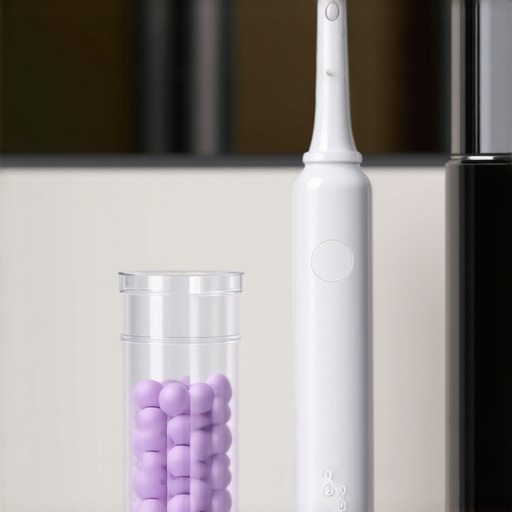
The High-Tech Future of Your Morning Routine
I predict that within the next three years, we won’t just be ‘brushing’—we will be scanning. We are already seeing cosmetic dentistry innovations you cant miss this year that involve AI-powered toothbrushes that map your mouth in real-time on your smartphone. Soon, these devices will likely detect early-stage demineralization before it even becomes a cavity, sending the data directly to your dental office. This proactive approach is the ultimate evolution of maintaining oral health expert advice for a lifetime of healthy teeth. We are moving away from ‘reactive’ dentistry—where we fix what is broken—and toward ‘predictive’ care. If you are someone who struggles with persistent discoloration, knowing how to clean coffee stains off your teeth without professional help using enzymatic cleaners rather than acids is a great way to bridge the gap between office visits. I strongly encourage you to try the ‘disclosing tablet test’ this weekend; it’s a cheap, eye-opening way to see exactly where your current routine is failing you.
The Lessons I Learned the Hard Way About My Gums
After years of trial and error, I realized that oral health isn’t about scrubbing harder—it’s about working smarter. One of the biggest shifts for me was realizing that how regular teeth cleaning can prevent major dental issues isn’t just marketing; it’s the foundation of keeping your natural teeth into your 80s. I also learned that bleeding is often the first sign of a ‘silent’ problem, and ignoring it only leads to more invasive procedures later. My second lightbulb moment? Brushing is only half the battle; if you aren’t cleaning between the teeth, you’re leaving a massive amount of bacteria to rot your enamel from the side. Finally, I stopped chasing ‘celebrity white’ and started focusing on ‘healthy pink,’ which made my daily routine much less stressful and significantly more effective.
My Non-Negotiable Kit for a Healthy Mouth
To keep things on track, I rely on a few specific tools that I trust for their clinical effectiveness. I highly recommend a high-quality water flosser because the benefits of using a water flosser for patients with gum disease are backed by clinical results and make the process so much easier than fighting with traditional string. I also keep a stash of disclosing tablets for the kids; they are part of the family dentistry tips that make oral care effortless and effective by showing them exactly where they missed. Lastly, I always revisit maintaining oral health expert advice for a lifetime of healthy teeth whenever I feel my habits slipping. These tools turn a guessing game into a predictable science.
Why Your Next Brush Matters More Than the Last Ten
Your smile is one of the only things you wear every single day, and it deserves more than a rushed two-minute scrub. By adopting preventive tips for long-lasting dental health for families, you’re not just saving money on fillings; you’re investing in your overall confidence and systemic health. Don’t wait for a toothache to start caring for the tissue that holds your smile together. Your future self will thank you for every gentle circle and every flossed gap you managed today. Have you ever tried using a disclosing tablet to see where you were actually missing plaque? Let me know your results in the comments below!