
I’ll never forget the sickening crunch. It wasn’t a chip or a cracker; it was my front tooth meeting the pavement during a Saturday morning bike ride. Suddenly, I wasn’t just a helpful neighbor; I was the neighbor with a gaping hole in his grin. In a panic to fix my face, I opted for a removable partial denture—essentially a flipper—because it was fast, easy, and cheap. I thought I’d outsmarted the system. Fast forward six months, and that little piece of plastic was driving me absolutely crazy. It slipped when I talked, made eating an adventure I didn’t want to go on, and honestly, it felt like I was wearing a mouthguard twenty-four hours a day. I made the classic mistake of choosing the ‘right now’ fix instead of the ‘forever’ solution. [image placeholder]
Stop guessing and start smiling again
Choosing between a permanent implant and a removable partial is a crossroads many of us hit, whether it’s from an injury like mine or just the natural wear and tear of life. My big blunder was looking only at the immediate price tag. I didn’t realize that new dentures often cause sores and require constant adjustments that a permanent solution simply avoids. Today, I’m going to break down the neighborly truth about which one actually fits your lifestyle. We are going to talk about bone health, the clink factor during dinner, and how to balance your budget without losing your mind. Have you ever felt like you were stuck between a rock and a hard place trying to decide on dental work?
Is an implant really worth all that extra cash?
I get the skepticism. When you see the quote for a single implant, your eyes might water. You start wondering if you could just live with the gap or stick with a partial forever. But here is the kicker: according to the American Academy of Implant Dentistry, dental implants are the only restoration option that actually preserves natural bone by stimulating it, whereas partials can sometimes accelerate bone loss in the surrounding area because they don’t provide that same root-like stimulation. When I finally made the switch, I realized how dental implants can stop your face from looking older by maintaining that jaw structure. It is not just about the tooth; it is about your whole face shape. If you are worried about the initial investment, there are definitely ways to reduce the cost of dental implants without cutting corners on quality. Let’s dig into the practical steps to help you decide which path is right for your unique situation.
Check the foundation before you build the house
Think of your jawbone like the concrete slab under your home. If that slab is cracked or too thin, it doesn’t matter how beautiful the siding looks. This is the first technical hurdle for implants. Unlike a partial denture that just sits on top of your gums, an implant needs a solid grip on the bone. One of the most common oral health myths debunked recently is that everyone is an immediate candidate for an implant. You need to verify your bone density first. This isn’t something a dentist can do just by looking at you. It requires precise imaging, which is why our Culpeper practice wont place a dental implant without a cbct scan. This 3D view shows us exactly where the bone is thick enough to hold the screw. If you have been missing a tooth for years, that bone might have already started to shrink away.
Why your jawbone might be thinning out
When a tooth root is gone, the bone basically thinks its job is done and starts to dissolve. This is why partial dentures can be a bit of a double-edged sword; they fill the gap but don’t stop that underlying bone loss. Over time, a partial that fit perfectly in January might start rocking by July because the bone beneath it has shifted.
Decide how much time you want to spend cleaning
Let’s talk about the lifestyle tax. A removable partial requires you to take it out every single night. You have to scrub it, soak it, and make sure those little metal clips aren’t trapping food against your healthy teeth. If you skip this, you are just begging for decay on the teeth that are still holding the partial in place. In contrast, an implant behaves like a natural tooth. You brush it and floss it just like the others. Learning the ultimate guide to teeth cleaning techniques and benefits becomes much simpler when you don’t have to navigate around a piece of removable hardware. 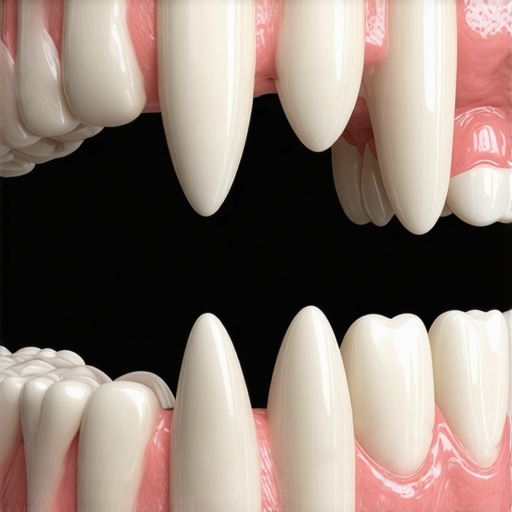
Don’t let the metal clips wear you down
I remember a specific Tuesday at a neighborhood potluck. I was midway through a story when a piece of spinach got wedged right under the plastic plate of my partial. It didn’t just feel gross; it actually pushed the partial up, making me whistle when I talked. I had to excuse myself to the bathroom just to re-seat my smile. It was embarrassing and completely avoidable. If you are currently struggling with this, there is a specific trick to eating with new dentures without them slipping, but it is still just a workaround for a hardware issue.
Prepare your mouth for the long haul
Before you jump into surgery, you need to get the rest of your mouth in top shape. You wouldn’t put a high-performance engine in a car with four flat tires. Ensuring you are maintaining oral health across all your teeth ensures the implant has a healthy, bacteria-free environment to heal. Part of this process involves a deep dive into your history and expectations, so knowing how to prepare for your first dental implant surgery consultation is your next logical move. You will want to ask about the healing timeline and how to stop your teeth from shifting while you wait for the final crown to be placed. Clear communication here prevents the sticker shock and ensures you aren’t surprised by the recovery steps.
Don’t treat your new implant like it is bulletproof
One of the most dangerous traps you can fall into—and I see it all the time—is the belief that artificial teeth are invincible. Because a porcelain crown or a titanium post cannot develop a cavity, people often relax their hygiene standards. In my experience, this is exactly where things go sideways. While the tooth itself won’t rot, the tissue and bone supporting it are still very much alive and vulnerable. If you neglect your routine, you risk peri-implantitis, an inflammatory condition that can lead to bone loss and, eventually, the failure of the entire implant. A study published in the Journal of Periodontology indicates that nearly one-third of patients may experience some form of peri-implant disease if professional maintenance is ignored. This is why how regular teeth cleaning can prevent major dental issues is a concept that applies just as much to high-tech restorations as it does to your natural molars. 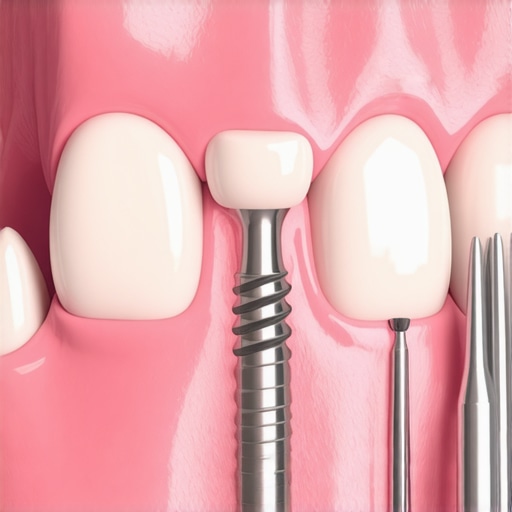
The truth about bleeding gums and deep cleanings
Common wisdom tells you that if your gums bleed, you should just brush harder or maybe wait for it to go away. However, if you are noticing pink in the sink, your body is signaling a localized infection. Many patients think they can just ‘bleach away’ the problem with over-the-counter kits, but the science behind teeth whitening achieve stunning results fast only when the foundation is healthy. Trying to whiten over inflamed gums is like painting a house while the siding is rotting. You have to understand why your gums bleed when you floss for the first time in weeks before you worry about the shade of your smile. If you have worn-down teeth, you might even need to learn how to whiten your teeth if you have naturally thin enamel rather than reaching for the strongest chemicals available.
Can underlying systemic health cause a perfectly placed implant to fail?
This is a sophisticated question that most beginners don’t think to ask. The answer is a resounding yes. Your mouth isn’t an island; conditions like uncontrolled diabetes or certain autoimmune disorders can severely impair how your bone heals around the titanium. If you notice unusual swelling or a persistent bad taste, you should check for the signs your body might be rejecting a dental implant. It is rarely a ‘faulty’ screw and almost always a biological mismatch or an overlooked health variable. Have you ever fallen into this trap of thinking a permanent fix meant no more maintenance? Let me know in the comments.I used to think that once the crown was screwed in, the job was done. I couldn’t have been more wrong. To keep that titanium post anchored for decades, you need a specific toolkit. My absolute ‘holy grail’ tool is a high-quality water flosser. While traditional floss is great for natural teeth, it can sometimes shred or get caught on the rougher edges of an implant crown. The pressurized stream of a water flosser gets into the ‘crevice’ or the sulcus around the implant without irritating the sensitive tissue. The benefits of using a water flosser for patients with gum disease are well-documented, but for implant owners, it is a non-negotiable for disrupting the biofilm that likes to colonize the metal-to-tissue interface. 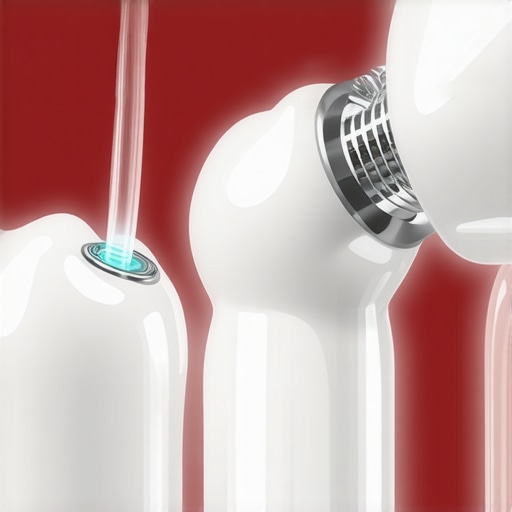
How can I make my dental implant last a lifetime?
Maintenance is not just about what you do at home; it is about specialized professional care. When I go in for my checkups, I make sure the hygienist uses plastic or titanium-tipped instruments. Traditional stainless steel scalers can actually scratch the surface of an implant, creating microscopic grooves where bacteria can hide. This is where how regular teeth cleaning can prevent major dental issues comes into play—you need a professional who knows how to handle a hybrid mouth. Beyond the chair, I have found that maintaining oral health requires me to be vigilant about my night habits. If you are a grinder like I am, you must protect your investment with a custom guard. Learning how to clean a nightguard without using harsh chemicals ensures you are not introducing new irritants to your gums while you sleep. Dr. Gordon Christensen, a world-renowned expert in restorative dentistry, often emphasizes that the ‘occlusal load’—the pressure from biting—is the number one reason for mechanical failure in implants. If you are clenching, you are essentially hammer-drilling your own jawbone.
The next era of dental technology is closer than you think
I am keeping a close eye on the cosmetic dentistry innovations you cant miss this year, specifically the rise of ‘smart’ implants that can actually monitor for pH changes in your mouth. Imagine your tooth sending an alert to your phone the moment it detects a spike in inflammatory bacteria. We are not quite there yet, but current cosmetic dentistry trends that transform your smile this year already include 3D-printed guides that make the placement process almost foolproof. This technology is making family dentistry more precise than ever, ensuring even our kids will benefit from better-planned care.
Take the water flosser challenge
If you have a bridge, a partial, or an implant, stop struggling with the string floss for just one week. Switch to a water flosser and use it on a medium setting right before bed. You will be shocked—and maybe a little grossed out—by what the stream dislodges even after you have already brushed. It is the single best way to ensure your preventive tips for long lasting dental health for families are not just empty words. If you are curious about how this all fits into a broader aesthetic plan, checking out transform your smile the impact of cosmetic dentistry in 2025 will give you a better roadmap for what is possible.
The Hard Truth About My Dental Regrets
I’ve spent a lot of time reflecting on that day my tooth hit the pavement. Looking back, the most important lesson I learned was that a temporary fix is often just a debt you pay later with high interest. I thought I was saving money, but the constant anxiety of a sliding flipper and the slow erosion of my jawbone were hidden costs I didn’t see on the initial bill. Confidence comes from security, not just the appearance of a tooth. When you don’t have to worry about your smile shifting during a presentation or a first date, you move through the world differently. I also realized that bone loss is invisible until it actually starts to change the contour of your face, making you look older than you are.
The Only Tools You Actually Need
If you decide to go the permanent route, you need to know which resources actually matter for your success. First, verify the technology; for instance, understanding why our Culpeper practice won’t place a dental implant without a cbct scan is vital because that 3D map is your safety net. Second, look at the material of your restoration. I found that why we prefer zirconia for back tooth crowns instead of porcelain often comes down to the superior durability and natural look it provides. To keep costs down in the long run, remember how regular dental cleanings can save you money in the long run by preventing the need for complex revisions. Lastly, I always recommend looking into the top 5 secrets to maintaining perfect oral health as a family so you can build a legacy of strong smiles for everyone in your house.
Your Smile Is an Investment in Your Future Self
Deciding between a partial and a permanent dental implant is ultimately a choice about how you want to live your daily life. Do you want to manage hardware, or do you want to forget you ever lost a tooth in the first place? It is never too late to trade in a temporary solution for one that truly lasts. Your mouth is the gateway to your overall health, and giving it the best possible foundation is an act of self-care that pays dividends for decades. Don’t be afraid to take that first step toward a more secure version of yourself. [image placeholder]
Have you ever chosen the quick fix for a dental issue only to regret it later? Let me know in the comments below.