
I remember walking to the mailbox last February, the air crisp and freezing, and taking one deep breath that felt like a bolt of lightning struck my molar. It wasn’t a dull ache; it was a sharp, localized frostbite sensation that made me want to clamp my jaw shut and never speak again. For weeks, I convinced myself I was just getting older or that my enamel was thinning. I even tried a bunch of DIY hacks that did absolutely nothing but waste my time. In reality, I was dealing with a very specific phenomenon that happens when our dental work doesn’t quite play nice with the elements. If you have ever felt that sudden, icy jolt while simply trying to have a conversation outside, you are not alone. Today, we are going to dive into why this happens and, more importantly, how you can stop living in fear of the next cold breeze.
Stop Wincing Every Time the Temperature Drops
Early in my journey of obsessive dental care, I made a massive mistake: I assumed that if a tooth hurt, it meant I needed a root canal. I spent nights worrying about the cost of a full mouth of procedures when, in many cases, it was just a matter of conductivity. You see, metal fillings are essentially little radiators sitting in your teeth. According to the American Dental Association, dental amalgam is a high-conductivity material, meaning it transfers temperature changes to the sensitive nerve inside your tooth much faster than your natural tooth structure does. If your filling is particularly deep or if there is a tiny gap forming, that cold air hits the metal, and the metal sends a ‘shiver’ straight to the pulp. This is often why you might notice the reason your teeth feel sensitive in very specific scenarios but not others.
Does this mean my dental work is failing me?
It is the question everyone asks when they feel that zap: Is it time to start over? Not necessarily. Sometimes it is just about how your body is reacting to the thermal expansion and contraction of the materials in your mouth. However, you do need to know how to tell if your filling is leaking, because if the seal has broken, that cold air is getting direct access to parts of your tooth that were never meant to see the light of day. I once ignored a tiny ‘cold spot’ for six months only to find out the filling had a microscopic crack. If I had just used a gentle teeth cleaning approach or seen my neighborly dentist sooner, I could have saved myself a lot of grief. Have you ever felt that sharp ‘electric’ sensation when you inhale through your mouth on a cold day?
Getting to the Root of the Chill
One of the biggest oral health myths is that pain always equals a cavity. Sometimes, your gums might just be slightly receded, exposing the root surface which isn’t protected by enamel. When you combine that with a conductive filling, you get a recipe for sensitivity. I used to think I could just brush the pain away, but I was actually using a brush that was way too hard. Learning how to choose the right toothbrush made a world of difference for my sensitive spots. If you’re struggling with this, we’re going to look at some practical steps to seal those gaps and insulate your smile.
Swap Your Toothpaste Before the First Frost
To fix the cold-zap problem, you have to think like a contractor winterizing a home. Your enamel is the siding, but those metal fillings are windows that might be leaking heat. The first thing you need to do is build up your ‘insulation’ by switching to a toothpaste specifically formulated for sensitivity. These pastes work by using potassium nitrate to block the microscopic pathways (tubules) that lead directly to the nerve. I remember one December I was so desperate to stop the pain during my morning runs that I actually tried applying a bit of orthodontic wax over my molars. It was a disaster—sticky, gross, and it fell off in minutes. What actually worked was a consistent routine of gentle teeth cleaning using sensitivity paste and leaving a little bit of the foam on the sensitive spot overnight. Within two weeks, the icy jolts were 80% gone.
Seal Off Exposed Roots Like You are Weatherstripping a Door
Often, the metal filling isn’t the only culprit. If your gums have receded even a millimeter, the cementum—a softer material than enamel—is exposed. Think of this like having a gap under your front door; no matter how high you turn up the heat, the draft gets in. You need to protect these areas by learning how to choose the right toothbrush. A brush that is too hard will only scrub away more gum tissue, making the sensitivity worse. If the root exposure is significant, a dentist can apply a professional fluoride varnish or a clear resin sealant. This acts as a literal shield, blocking the cold air from reaching the nerve. 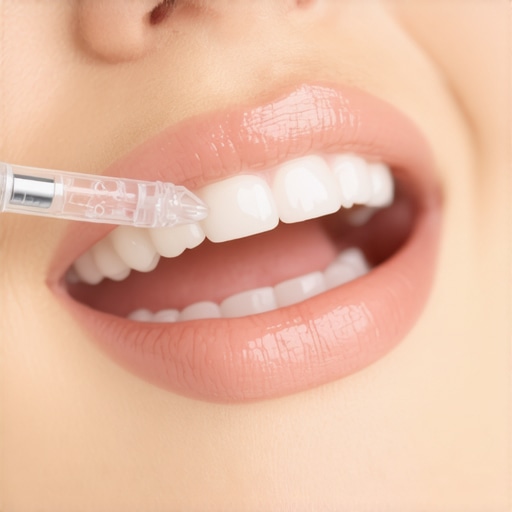
Upgrade to Materials That Do Not Conduct the Chill
If you have tried the pastes and the sealants and you are still seeing stars every time you breathe in, it might be time to look at the material itself. Amalgam (silver) fillings are notorious for thermal expansion. They grow and shrink with temperature changes, which can eventually lead to gaps. In my own mouth, I eventually swapped out an old, large silver filling for a composite resin version. Unlike metal, composite and porcelain are poor conductors of heat and cold. This is one of the many cosmetic dentistry trends that actually serves a major functional purpose. By choosing materials that mimic the natural thermal properties of your teeth, you eliminate the ‘radiator effect’ entirely.
When a Simple Filling Just Is Not Enough Insulation
Sometimes the nerve is just too close to the surface for a standard filling to provide enough protection. In these cases, we look toward crowning the tooth. A crown acts like a thermal sleeve, surrounding the entire tooth and providing a thick layer of protection against the elements. If you are worried about the process, knowing what to expect with cosmetic dentistry can ease that anxiety. It is not just about looks; it is about being able to enjoy a bowl of ice cream or a walk in the snow without flinching. If you have noticed why your jaw hurts more during the winter months, it is often a combination of muscle tension from the cold and these sharp dental jolts. Addressing the insulation of your teeth fixes the root of the problem, rather than just masking the symptoms.Most people think that if they brush three times a day and use enough elbow grease, they are invincible. But here is the contrarian truth: you might be literally scrubbing your smile away. I see patients all the time who are ‘perfect’ brushers, yet their teeth are riddled with notched-out areas near the gumline. This is called abfraction. It happens because we have been conditioned to believe that ‘clean’ means ‘scrubbed.’ In reality, plaque is soft; you do not need a scouring pad to remove it. If you are using a medium or hard brush, you are making a classic ‘oops’ mistake that can lead to permanent enamel loss and even more sensitivity.
Is a professional deep cleaning actually necessary or just an upsell?
It is the most common skepticism I hear. Many patients assume that if their teeth look white, a ‘scaling and root planing’ is just a way to pad the bill. However, oral health is less about the surface you see and more about the three millimeters you cannot see. According to research published in the Journal of Clinical Periodontology, subgingival biofilm—the bacteria living under your gum line—is the primary driver of systemic inflammation and jawbone loss, not just visible tooth decay. If you have ever noticed why your gums feel itchy after a deep dental cleaning, it is often the body’s inflammatory response finally beginning to subside as those bacterial colonies are disrupted. 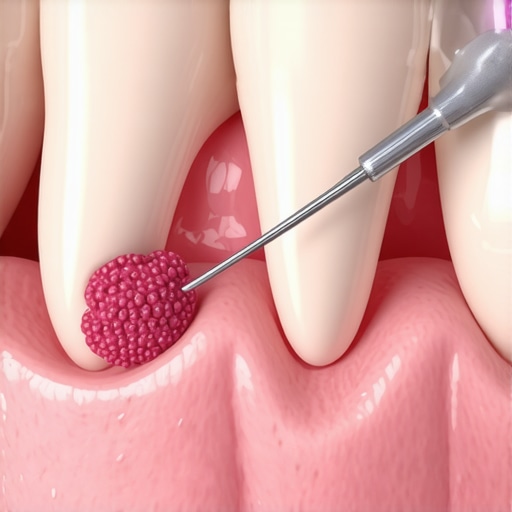 Another trap to avoid is the DIY whitening craze when you already have sensitivity. People think they can ‘power through’ the zingers with more gel, but if your sensitivity is caused by thin enamel or recession, you are effectively driving peroxide into the nerve. Instead, focusing on gentle teeth cleaning and remineralization should always come first. Many oral health myths suggest that cosmetic changes are purely aesthetic, but the best cosmetic dentistry trends today prioritize the structural integrity of the tooth over mere brightness. Ignoring these nuances is how regular dental cleanings can save you money in the long run; you are paying for the expertise to spot these microscopic issues before they become five-thousand-dollar problems. Have you ever fallen into the ‘harder brushing is better’ trap? Let me know in the comments.If you really want to stop the damage and keep your dental work intact, you have to switch to a tool that actually talks back to you. I personally made the switch to an oscillating-rotating electric toothbrush with a built-in pressure sensor years ago, and it was a humbling experience. I thought I was being ‘gentle,’ but the little red light on my brush flashed constantly for the first three days. This technology is essential because it removes the guesswork and prevents the accidental destruction of your enamel. When you follow the ultimate guide to teeth cleaning techniques and benefits, you quickly realize that the vibration should do the work, not your shoulder muscles. Modern brushes are designed to mimic the professional ‘buffing’ sensation, and pushing harder only stalls the motor and irritates your gingival tissue.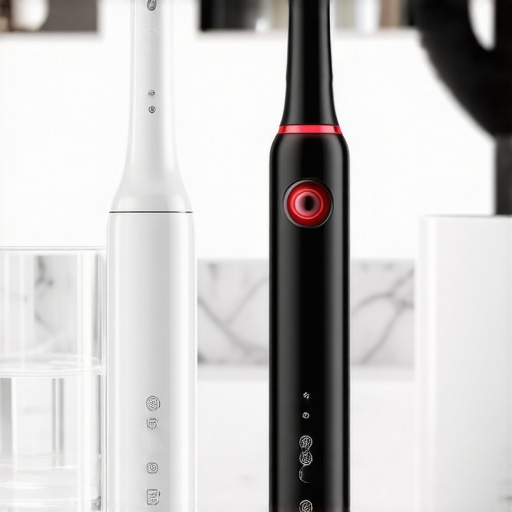
How do I keep these results for the next ten years?
Longevity in oral health isn’t about one-off heroic procedures; it is about the boring, daily maintenance of your ‘dental ecosystem.’ If you have invested in your smile, whether through whitening or structural changes, you need to know how to maintain your porcelain veneers so they last twenty years or more. This requires a level of specificity in your kit that goes beyond the grocery store bargain bin. I recommend using a water flosser every single night without fail. I used to be a string-floss purist until I saw the data on how much more effective pressurized water can be at reaching into the deep sulcus where bacteria hide. For anyone currently battling inflammation or ‘itchy’ gums, the benefits of using a water flosser for patients with gum disease are backed by clinical trials showing a significant reduction in bleeding sites compared to traditional floss. The mechanical force of the water jet disrupts the biofilm without the trauma of ‘sawing’ into your gums. Dr. Maria Geisinger, a renowned periodontist and professor at the University of Alabama at Birmingham, emphasizes that the key to managing this subgingival biofilm is regular, non-traumatic disruption rather than aggressive scrubbing. Looking ahead, I predict that by 2030, we will see revolutionary teeth cleaning techniques for 2025 and beyond that include real-time salivary diagnostics built directly into our toothbrushes. We are moving toward a world where your brush tells you if your oral microbiome is out of balance before a cavity ever forms. For now, the most advanced thing you can do is stop the ‘power-washing’ approach and trust the science of soft bristles. Remember that how regular dental cleanings can save you money in the long run is by providing a professional audit of your at-home habits. My specific tip for you this week: try brushing with your non-dominant hand for three days. It feels clunky, but it naturally forces you to lighten your grip and pay closer attention to the angle of the bristles against your gumline.
Lessons from My Quest for a Freeze-Proof Smile
Over the years, I’ve realized that the ‘zaps’ weren’t just bad luck; they were a signal that I needed to rethink my approach to oral health. Here are the lightbulb moments that changed everything for me.
- Conductivity is the silent enemy: I learned that metal fillings act as thermal conductors. If you’re feeling the cold, it’s often because your filling is doing its job too well, or the seal is aging. Learning how to tell if your filling is leaking is the first step to stopping the shivers.
- Gentle is a technique, not just a label: I used to scrub my teeth like I was cleaning grout. I eventually learned that how to choose the right toothbrush isn’t just about comfort; it’s about preserving the enamel that acts as your natural insulation.
- Cleanings are a financial hedge: I stopped seeing my hygienist as an expense and started seeing them as an auditor. Understanding how regular teeth cleaning can prevent major dental issues saved me from several high-cost repairs.
The Gear That Saved My Enamel Last Winter
I don’t believe in ‘miracle’ products, but I do believe in the right tools for the job. To keep my mouth healthy during the freezing months, I rely on a few specific items. First, a pressure-sensing electric toothbrush is non-negotiable; it prevents the recession that leads to sensitivity. Second, I’ve found that the benefits of using a water flosser for patients with gum disease are huge for keeping the gum line tight and insulated. Finally, for those with a household to manage, these family dentistry tips help ensure everyone’s smile stays resilient against the weather.
#IMAGE_PLACEHOLDER_E#
Walk Into the Frost Without Fear
You don’t have to dread the winter air or give up your favorite chilled drinks. By insulating your teeth with the right materials and mastering top 5 secrets to maintaining perfect oral health as a family, you can build a smile that is as strong as it is beautiful. Don’t wait for the next cold snap to take action. Have you ever felt that sharp, electric sensation when you inhale through your mouth on a freezing day? Let me know in the comments how you handled it!