
It was a Friday night, the movie was queued up, and the delivery box had just landed on my coffee table. The steam escaping from the cardboard was a warning, but my hunger-induced impatience won. I took a massive bite of a bubbling, cheese-loaded slice of pepperoni. Instantly, I felt that dreaded sliding sensation of molten cheese sticking to the delicate skin of my palate. I gasped, frantically swished lukewarm soda, and immediately realized the damage was done. The next morning, the roof of my mouth felt like sandpaper draped over raw nerve endings. It was a classic, self-inflicted pizza burn, and my usual enjoyment of food was completely derailed for days.
The Instant Regret of the Molten Cheese Trapped Against Your Palate
We have all been there. That painful, peeling blister on your hard palate ruins your morning coffee, makes crunchy toast feel like eating glass, and turns simple talking into a chore. The tissue on the roof of your mouth is incredibly thin and sensitive, making it highly susceptible to thermal trauma. My biggest mistake during that first major burn was trying to scrape the peeling skin away with my tongue, which only exposed the raw, vulnerable layers underneath and delayed my recovery by an entire week. If you want to avoid that painful cycle, you need to treat the delicate tissue with the same respect you would show to sensitive gums during a dental flare-up.
Today, I am going to share the exact, step-by-step recovery blueprint that I developed after far too many Friday night burn disasters. We will cover the quick fixes you need to apply within the first ten minutes, the soothing rinses that actually work, and how to keep your overall oral health in top shape while your body repairs itself. You do not have to live on lukewarm mush for a week.
Are home remedies for mouth burns actually worth the hype?
You might be skeptical. After all, isn’t the mouth one of the fastest-healing parts of the human body? While it is true that oral tissues regenerate quickly due to high vascularity, a severe thermal burn can easily become infected if neglected. According to a clinical review by the American Dental Association, the constant presence of bacteria in the oral cavity means even minor mucosal wounds require clean, non-irritating environments to heal without complications. Applying ice directly can actually cause further tissue damage, which is another common mistake I made. Instead, we want to focus on gentle, supportive care that works in harmony with your body’s natural defenses. If you are currently dealing with a sore mouth, have you ever accidentally made your pizza burn worse by eating spicy food too soon? Tell me your most painful food stories in the comments below! If you ever feel like the pain has spread to your dentition, it helps to understand the reason your tooth feels fine until you drink hot coffee so you can tell the difference between mucosal burns and deeper dental issues.
First-Aid Actions for Immediate Pain Relief
When molten cheese strikes, the natural temptation is to panic and drink ice-cold water or apply an ice cube directly to the roof of your mouth. Do not do this. Extreme cold can cause localized frostbite on top of the thermal burn, compounding the tissue damage. Think of your burnt palate like a freshly scorched lawn; you want to hydrate it gently, not freeze it. Instead, immediately rinse your mouth with cool, lukewarm water for at least three minutes. This draws the residual heat out of the tissue layers without causing thermal shock.
The Magic of a Buffered Saltwater Rinse
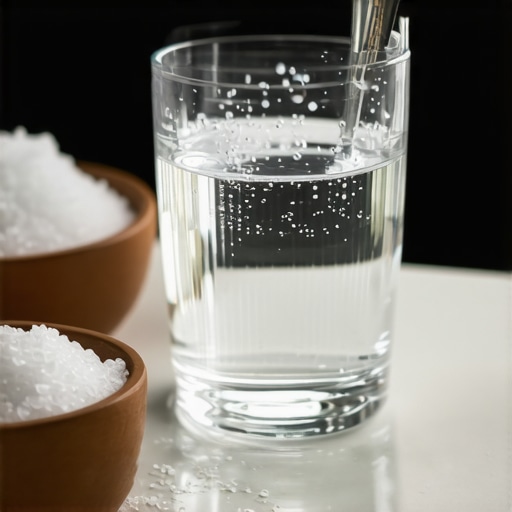
Once you have stabilized the initial temperature, your primary goal is to prevent bacterial infection and reduce swelling. Mix half a teaspoon of table salt into a glass of warm water. Salt acts as a natural mild antiseptic, drawing out excess fluid from the inflamed tissue to relieve pressure. I remember a particularly bad burn from a slice of deep-dish pizza where I skipped this step, and by Sunday, a painful, throbbing bump had formed. When I finally used the warm saltwater, the throbbing eased within an hour. Swish the mixture gently around your mouth for thirty seconds, then spit. Repeat this three times a day, especially after meals, to keep the area clear of food particles.
Coat the Palate with a Protective Barrier
To heal quickly, you need to protect the raw mucosal layer from the acidic environment of your mouth. A spoonful of refrigerated plain Greek yogurt or sour cream works wonders. The cool temperature provides instant numbing, while the thick texture coats the burn, acting like a biological bandage. Keep the yogurt in contact with the roof of your mouth for ten seconds before swallowing. Avoid any yogurts with berry seeds or high sugar content, as tiny seeds can get trapped in the peeling skin, and sugar can promote bacterial growth.
Adapting Your Daily Routine for Faster Healing
While your palate is recovering, you must adjust your daily oral hygiene routine to avoid re-injuring the delicate tissue. Hard-bristled toothbrushes and minty, alcohol-heavy mouthwashes will feel like liquid fire. Switch to a soft-bristled brush and brush with extreme care. If your gums are also feeling tender from the hot food, implementing gentle teeth cleaning best practices for sensitive gums can keep your mouth fresh without irritating the healing burn.
Watch What You Eat and Drink
Your diet for the next seventy-two hours should consist of soft, non-irritating foods. Steer clear of chips, crusty bread, tomatoes, citrus fruits, and spicy dishes. I once foolishly ate hot wings two days after a pizza burn, and the vinegar-based hot sauce turned a minor recovery into a painful, weeping sore that took two weeks to heal. Stick to cool smoothies, oatmeal, scrambled eggs, and mashed potatoes. If you struggle with chronic irritation or have dentures that rub against the roof of your mouth, knowing how to stop your dentures from causing sores on the roof of your mouth will help you distinguish between a temporary food burn and chronic prosthetic friction.
When to Seek Professional Dental Care
Most minor thermal burns heal on their own within seven to ten days. However, if you notice the burn turning white or dark, if you experience extreme throbbing that prevents sleep, or if the pain starts radiating into your teeth, you may need a professional evaluation. Sometimes, a severe burn can mimic or aggravate underlying dental issues, and it is crucial to recognize when to visit a professional. If you are ever unsure whether the discomfort is a tissue burn or a deeper problem, understanding the reason your tooth feels fine until you drink hot coffee can help you make the right call for your oral health.
While you are patiently waiting for your burnt palate to mend, it is easy to fall back on basic advice and assume that the standard rules of oral hygiene still apply. However, after years of analyzing how people manage oral injuries, I have realized that the mainstream consensus is often fundamentally flawed. When your mouth is recovering from thermal trauma, conventional dental wisdom can actually work against you, transforming a minor inconvenience into a prolonged medical issue.
The Aggressive Brushing Trap and Why Softness Matters
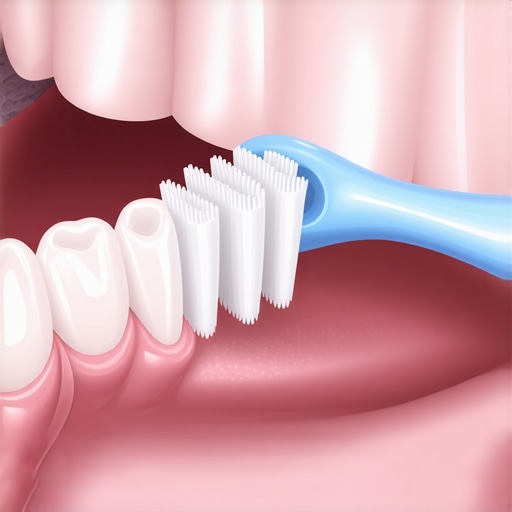
The most common mistake people make after scorching the roof of their mouth is ramping up their physical cleaning efforts. Out of fear that the raw, peeling tissue will collect bacteria, they scrub harder, thinking they are sterilizing the wound. This is a massive mistake. Aggressive brushing with standard bristles on compromised mucosa acts like sandpaper on a fresh sunburn. It strips away the delicate new epithelial cells your body is trying to lay down to heal the barrier.
Instead, this is the exact time to dial back physical friction and lean on targeted chemical support. But even here, you have to be careful. Many off-the-shelf mouthwashes contain high percentages of alcohol, which acts as a desiccant, drying out the mucosal lining and delaying cellular regeneration. If you want to keep your mouth clean without causing further damage, you need to understand gentle teeth cleaning best practices for sensitive gums. This approach focuses on soft physical sweeps and non-alcohol, neutral rinses that preserve the oral microbiome while keeping plaque at bay.
Why does whitening your teeth after an oral burn cause intense pain?
I frequently get asked by patients if they can proceed with their cosmetic routines, like using whitening trays or abrasive pastes, while recovering from a minor burn. The short answer is absolutely not. According to a study published in the Journal of Esthetic and Restorative Dentistry, active bleaching agents like hydrogen peroxide penetrate compromised oral tissues much deeper than intact mucosa, leading to severe chemical irritation and temporary pulpitis. If you attempt cosmetic alterations when your tissue is raw, you will experience excruciating sensitivity. If you are looking to brighten your smile safely, you must wait until the tissue is fully healed and then learn how to whiten your teeth without making them incredibly sensitive.
The Secret Connection Between Saliva and Tissue Recovery
Another overlooked nuance is the critical role of saliva quality. Saliva contains epidermal growth factor (EGF), a protein that naturally accelerates wound healing in the oral cavity. If your mouth is dry, whether due to dehydration, stress, or specific medications, your burn will take twice as long to heal. Simply chugging water isn’t always enough if your salivary glands are sluggish. Many people do not realize that chronic dry mouth is a systemic issue that leaves the entire oral environment vulnerable to infections and decay. Discovering why your mouth feels dry even when you drink plenty of water can be the missing piece of the puzzle, helping you optimize your body’s natural healing fluids so your palate can recover rapidly.
Have you ever fallen into this trap of over-cleaning a sore mouth and accidentally making the pain worse? Let me know in the comments below! If you are ever concerned that a burn has compromised your teeth or if you need a professional check-up to ensure your recovery is on track, do not hesitate to contact us for expert guidance.
My Personal Toolkit for Accelerated Oral Healing
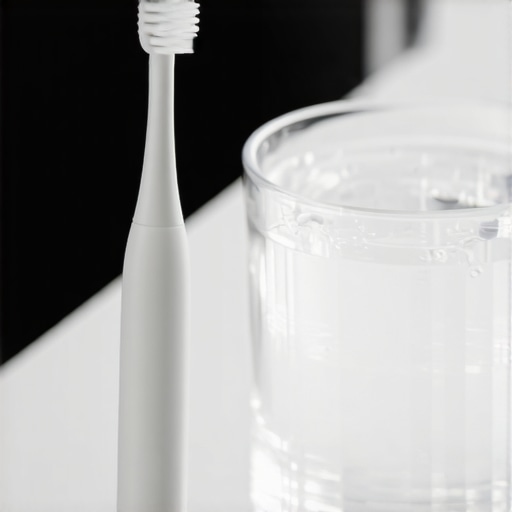
When you are recovering from a painful palate burn, relying on standard drugstore items can actually prolong your misery. Over years of dealing with sensitive patients, I have curated a specific toolkit that treats mucosal injuries with precision. First, I completely retire my standard electric toothbrush for a few days and switch to an ultra-soft surgical toothbrush, specifically one with a bristle diameter of 0.08mm. This ultra-fine texture cleans plaque off your enamel without micro-scratching the healing burn. Second, I bypass alcohol-based mouthwashes and use a pure, unflavored hyaluronic acid oral rinse. Hyaluronic acid is widely utilized in professional wound care to promote rapid cellular migration and tissue cohesion.
How do I maintain excellent oral health while healing from a burn?
The secret to keeping your oral biome balanced during recovery lies in a structured, low-impact routine. You must separate your physical cleaning from your chemical protection. While the tissues are raw, continue flossing daily with a PTFE-coated tape, which slides smoothly between the teeth without snapping up into the tender gums. If you want to keep your breath fresh without using irritating mint flavorings, a gentle tongue scraper is your best friend. Make sure you know the best way to clean your tongue without triggering a gag reflex to avoid pressing the scraper against the roof of your mouth. Additionally, incorporating a daily oral probiotic can help crowd out bad bacteria while your natural mucosal barrier is temporarily compromised, preserving the foundation of your oral health.
The Future of Oral Mucosal Regeneration
Looking ahead, the dental industry is moving far beyond simple topical gels. We are currently seeing the emergence of bioactive, peptide-infused oral patches. According to research published by the International Journal of Molecular Sciences, synthetic salivary peptides that mimic the natural healing proteins in human saliva are being integrated into dissolvable mucoadhesive patches. In the near future, instead of waiting a week for a painful pizza burn to heal, you will simply apply a clear, tasteless patch that accelerates tissue regeneration in under twenty-four hours. For families managing multiple schedules, these innovations will make family dentistry tips that make oral care effortless and effective even more seamless and stress-free.
Try This Advanced Recovery Hack Tonight
If you are currently nursing a sore mouth, do not wait for it to get better on its own. I highly recommend trying my favorite advanced recovery hack: mix a single drop of therapeutic-grade cold-pressed organic coconut oil with your warm saltwater rinse. The lauric acid in the coconut oil provides a natural, mild antimicrobial shield while lubricating the dry, peeling edges of the burn, making it much easier to speak and swallow throughout the day.
When your mouth is recovering from thermal trauma, conventional dental wisdom can actually work against you, transforming a minor inconvenience into a prolonged medical issue.
The Hardest Lesson I Learned About Oral Burn Recovery
For years, I believed the common myth that oral tissues should be treated just like any other skin wound. This perspective cost me days of unnecessary discomfort. Here is the insider wisdom I wish I had known years ago:
- The salivary barrier is your absolute best defense. Stripping away natural saliva with alcohol-based products halts the delivery of vital epidermal growth factors directly to the wound.
- Never force the peeling process. When the damaged mucosal layer begins to peel, your instinct is to use your tongue to gently detach it. Do not touch it; removing this layer prematurely exposes raw, unshielded nerves to acidic oral bacteria.
- The temperature sweet spot is lukewarm, not freezing. Shocking damaged palate tissue with freezing temperatures constricts blood flow, starving the damaged cells of the oxygen they desperately need to regenerate.
My Essential Recovery Kit for Delicate Tissue
You do not need an entire medicine cabinet to heal a damaged palate. Instead, I rely on a highly curated selection of tools that prioritize cellular safety:
- An ultra-soft surgical toothbrush (0.08mm bristles): Standard bristles act like abrasive sandpaper on raw mucosa. A surgical-grade brush keeps plaque at bay while gliding harmlessly over tender tissue. This is a foundational step in practicing gentle teeth cleaning best practices for sensitive gums.
- Pure, unflavored hyaluronic acid rinse: Highly favored in advanced wound care, this compound acts as a natural scaffolding for migrating cells, holding moisture exactly where the tissue is split.
- PTFE-coated dental tape: Unlike nylon floss, which can snap violently upward and slice into healing tissues near your rear molars, PTFE tape slides with zero friction, protecting your hard-won progress.
Take Control of Your Oral Healing Today
An accidental burn from a hot slice of pizza or a scalding cup of coffee does not have to derail your week. By stepping away from harsh scrubs and alcohol rinses, you allow your body’s natural regenerative processes to work in harmony. Prioritizing your recovery also ensures you maintain excellent oral health so that your teeth and gums stay resilient for life. Have you ever tried to rush the healing of a mouth burn and accidentally made the pain worse? Let me know in the comments below, or if you need personalized care, feel free to contact us today!