
I was sitting on my back porch last Tuesday morning, clutching my favorite oversized ceramic mug. The sun was just hitting the trees, and the smell of my French press was absolute heaven. I took that first, bold sip of hot coffee, expecting bliss. Instead, I got a jolt of white-hot agony that felt like a lightning strike directly to my jaw. I froze. I didn’t even want to swallow. The crazy thing? I’d been eating breakfast just minutes before—cool yogurt and fruit—and felt absolutely nothing. If you’ve ever wondered why your tooth stays silent all day only to scream the moment you enjoy a latte, you aren’t losing your mind. I’ve been there, and honestly, I made the mistake of ignoring it for way too long. Early in my journey of obsessing over maintaining oral health, I convinced myself these zings were just a fluke. I was wrong. I spent months tiptoeing around my favorite beverages, not realizing that my tooth was waving a giant red flag. Today, we are going to dive into why heat is such a persistent snitch when it comes to hidden dental problems and what you can do to reclaim your morning brew.
Why Heat is the Ultimate Snitch for Hidden Problems
When a tooth is healthy, the enamel acts like a high-end thermos, keeping the sensitive nerves inside insulated from the temperature swings of the outside world. But when that barrier is breached, everything changes. Heat is a unique trigger because it causes the fluids inside your tooth’s microscopic tubules to expand. According to the American Dental Association, this fluid movement—known as the hydrodynamic theory—triggers the nerve endings, resulting in that sharp, localized pain you feel. Often, why your coffee tastes different or suddenly causes a throb is due to deep-seated inflammation or even a silent infection. I remember thinking I just needed a specific toothpaste, but it turns out I was actually dealing with the specific pain that tells you your filling is leaking. Ignoring that heat sensitivity was like ignoring a smoke detector because I didn’t see a flame yet. If you are experiencing this, you need to know that heat sensitivity is rarely a ‘wait and see’ situation; it’s usually your tooth’s last-ditch effort to get your attention before a simple fix turns into a root canal.
Is this just a normal part of getting older?
I hear this all the time from neighbors and friends. We assume our bodies just start breaking down and that ‘sensitive teeth’ are just another badge of middle age. While it’s true that gums can recede over time, a sharp reaction specifically to heat—not cold—is almost always a sign of a physical defect like a crack or a failing restoration rather than just ‘aging.’ Have you ever had to switch to iced coffee just to avoid that midday throb? Or maybe you’ve started chewing only on the left side of your mouth? Drop a comment below; I really want to know if I’m the only one who tried to tough it out for way too long. If you’ve been searching for how to manage sensitivity, you might be surprised to find that the solution starts with identifying the source of the heat leak. Before we get into the step-by-step fixes, it’s important to understand that sometimes why your teeth feel more sensitive is actually a blessing in disguise because it leads you to a solution before the real damage starts.
Identify if your tooth is actually screaming for help
To fix the problem, you first have to determine if the pain is generalized or specific. If every tooth zings when you drink coffee, you likely have thinning enamel or gum recession. However, if it is just one rogue molar causing the drama, you are looking at a structural failure. Think of your tooth like a piston in an engine; when it heats up, the internal fluid expands and creates pressure. If the engine block, your enamel, has a hairline crack, that pressure shoots straight into the nerve. Contrast this with why your teeth hurt when you take a bite of ice cream—cold usually causes contraction and short-lived stings, while heat is an expansion game that signals deep inflammation. Try the room-temperature test: drink lukewarm water first. If that feels fine but the coffee hurts, the nerve is likely already inflamed.
Stop the zings with a specialized toolkit
Before you call for backup, you can try to settle the nerve endings yourself at home. Look for toothpastes containing potassium nitrate or stannous fluoride. These are not just fancy ingredients; they act like microscopic plugs for the tiny tubules that lead to your nerves. I remember trying to DIY my way out of a zingy molar last year. I bought every tube of sensitivity paste on the shelf, thinking if I just coated the tooth in enough minerals, it would magically heal. It was like trying to fix a leaky roof by painting the ceiling. Three weeks and one massive throbbing headache later, I finally realized that how regular teeth cleaning can prevent major dental issues is more than just a slogan—it is the difference between a twenty-minute fix and a weekend emergency. If you have been wondering how to whiten your teeth without making them incredibly sensitive, the secret is always calming the nerves before applying any bleaching agents. 
Check for the visual leak in your smile
Take a flashlight and look at the tooth in a mirror. Do you see a dark line that looks like a hair? Is there a tiny chip on the biting surface? Often, the specific pain that tells you your filling is leaking presents as a sharp jolt specifically when hot liquids seep under old silver or composite material. If your dental work is more than five years old, the seal might be failing. Using family dentistry tips that make oral care effortless and effective can help you spot these issues during your nightly routine, but once a filling leaks, the bacteria are already throwing a party inside.
Why professional eyes save you thousands later
It is tempting to just wait it out, but heat sensitivity is the check engine light of your mouth. If you catch a crack while it is still small, a simple resin bonding or a crown can save the tooth. If you wait until the heat causes a full-blown abscess, you are looking at a much more invasive and expensive procedure. Understanding how regular dental cleanings can save you money in the long run is about more than just removing plaque; it is about a professional identifying that expansion-based pain before the nerve dies completely. By being proactive, you turn what could be a dental disaster into a simple, routine maintenance stop.
Let’s dig deeper into a common mistake: the belief that if you just brush harder, you can ‘clean’ your way out of a problem. I see so many people fall into the trap of using abrasive charcoals or ‘extra-strength’ whitening pastes thinking they are doing their mouth a favor. In reality, they are often thinning their enamel—the very insulation we talked about earlier. According to a study published in the Journal of Clinical Periodontology, excessive mechanical force during brushing is a primary driver of gingival recession, which exposes those sensitive root surfaces. If you’ve been aggressively scrubbing to get a brighter look, you might actually be creating the ‘heat leak’ that leads to that morning coffee agony.
The dangerous myth of the squeaky clean tooth
Instead of DIY-ing your way to a white smile, it’s vital to understand the truth about whitening toothpaste and how it actually impacts your enamel. Many of these products act like microscopic sandpaper. For those of us focused on family dentistry building a foundation of healthy smiles, the goal should be preserving the natural architecture of the tooth, not wearing it down. Have you ever fallen into the ‘brushing harder is better’ trap? Let me know in the comments; I know I used to think I wasn’t finished until my gums felt ‘invigorated,’ which was just code for irritated.
The ‘Oops’ factor often happens when we mistake bleeding for progress. If you’ve ever wondered how to stop your gums from bleeding when you start a new flossing routine, the answer isn’t to quit; it’s to adjust your technique. Aggressive flossing can actually detach the gum tissue from the tooth, creating a pocket where heat-sensitive nerves become vulnerable. Real teeth cleaning benefits come from gentle, consistent removal of biofilm, not a high-pressure power wash of your delicate tissues.
Can cosmetic dentistry actually serve as a preventative shield?
This is where the nuance of modern care really shines. People often view cosmetic work as purely aesthetic, a luxury for the vain. However, techniques like contouring and veneers can actually reinforce a tooth that has developed minor structural weaknesses or thin enamel. When you transform your smile, you aren’t just changing the color; you are often sealing up the very hairline cracks that cause that sharp expansion pain. By integrating family dentistry tips with restorative care, you stop treating symptoms and start protecting the nerve. If you’re ready to stop guessing why your teeth are acting up, the best next step is to contact us for a comprehensive evaluation that looks beyond the surface.
Once you’ve identified those ‘heat leaks’ and addressed the structural issues, the game shifts from damage control to high-level maintenance. I’ve found that the difference between someone who needs a new crown every three years and someone who keeps their natural teeth for eighty years often comes down to the hardware they keep on their bathroom counter. I used to be a manual brush traditionalist until I saw the data on oscillating-rotating technology. According to a comprehensive systematic review by the Cochrane Library, powered toothbrushes provide a significant 21% reduction in plaque over a three-month period compared to manual brushing. This isn’t just about ‘cleaner’ teeth; it’s about reducing the chronic inflammation that makes your nerves so reactive to temperature in the first place.
The hardware I personally trust for sensitive nerves
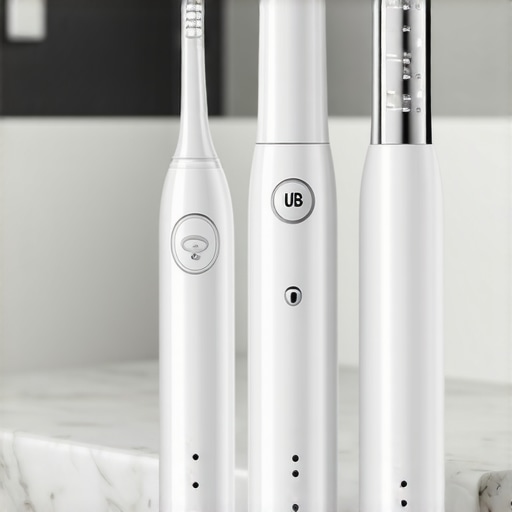
I switched to a sonic-powered brush with a built-in pressure sensor, and it was a total game-changer for my receding gum line. If you’ve struggled with gentle teeth cleaning best practices for sensitive gums, you know that the biggest enemy is your own heavy hand. The sensor flashes red the second I press too hard, effectively protecting my roots from the abrasive force we discussed earlier. I also swear by my water flosser for cleaning under my bridge. It flushes out the biofilm in those deep pockets where a string simply cannot reach. If you are looking to smile bright with revolutionary teeth cleaning techniques for 2025, investing in a high-quality water flosser is the single best move you can make for your long-term gum health.
How do I keep my smile stable for the next decade?
Maintenance isn’t a one-time event; it’s a series of small, automated habits. I recommend setting a recurring calendar alert for your professional cleanings every six months, no matter how good your teeth feel. These visits are when we use high-definition intraoral cameras to spot hairline fractures before they become heat-sensitive emergencies. Following preventive tips for long-lasting dental health for families ensures that everyone in the house is on the same page, from the kids’ sealants to your own restorative care. We are also seeing a massive trend toward ‘smart’ dental care, where AI-integrated brushes track your coverage in real-time. In the next few years, I predict we will see these tools syncing directly with your dentist’s office to catch issues weeks before you ever feel a ‘zing’ in your coffee.
To really lock in your results, you have to look at the chemistry of your mouth. I use a pH-balancing mouthwash every night to neutralize the acids from my favorite snacks. This keeps the enamel hard and the ‘thermos’ seal intact. If you have been following my top 5 secrets to maintaining perfect oral health as a family, you know that consistency beats intensity every time. My advanced tip for you this week: swap your manual brush for a pressure-sensing electric model and notice how much calmer your gums feel after just seven days. If you’re still feeling that localized throb when you sip something hot, it’s time to stop the DIY fixes and contact us to get a professional look at what is happening under the surface.
What I Finally Realized About Ignoring Mouth Pain
After years of thinking I could outsmart a toothache, a few hard-learned lessons changed how I view my bathroom cabinet. First, pain is a lagging indicator of health; by the time heat causes a throb, the ‘leak’ has often been there for months. Second, your enamel is a finite resource, and once you scrub it away with the wrong habits, you can’t just grow it back. Finally, I realized that the ‘wait and see’ method is actually the most expensive dental plan you can have. Early intervention is a quick fix, while waiting usually leads to complex restorations. Digging into oral health myths debunked helped me realize that most of my ‘home remedies’ were actually making my sensitivity worse.
Gear That Keeps My Teeth Calm and Resilient
I’ve narrowed my daily routine down to a few essentials that actually make a difference for temperature-sensitive nerves. I swear by a pressure-sensing electric brush because it removes the temptation to scrub too hard. I also rely on a high-quality water flosser to reach the areas where traditional floss tends to irritate my gums. If you are curious about the technical side of why these work, the ultimate guide to teeth cleaning techniques and benefits is a fantastic resource to understand the mechanics of biofilm removal. For those who want to take their smile to the next level while protecting their nerves, exploring what to expect when enhancing confidence with cosmetic dentistry can provide a roadmap for structural reinforcement.
Enjoy Your Next Hot Drink Without the Fear
You shouldn’t have to choose between your morning latte and a pain-free day. Reclaiming your oral health is about shifting from a reactive mindset to a proactive one. When you stop patching symptoms and start addressing the structural integrity of your teeth, the fear of that sudden ‘zing’ simply disappears. Whether it’s through a routine check-up or a restorative procedure, the goal is to keep your natural smile functional for a lifetime. If that morning coffee is still causing you grief, the best first step is to contact us so we can identify the specific heat leak before it becomes a major issue. Have you ever experienced a sudden ‘zing’ that made you give up hot coffee or soup? I’d love to hear your story in the comments below.