
I still remember the exact moment I stopped laughing with my mouth open. I was looking at a vacation photo from 2023, and all I could focus on was the dark, empty space right between my two front teeth. Over the years, that tiny gap seemed to grow into a canyon in my mind. I found myself smiling with tight lips, hiding my joy because I was self-conscious. I wanted a change, but the thought of adult metal braces or spending thousands on porcelain veneers made my stomach churn. That is when I stumbled upon cosmetic bonding, a simple procedure that completely turned things around for me.
How a Simple Dental Visit Changed Everything
For a long time, I mistakenly believed that fixing a smile required months of painful orthodontic work. I even wasted money on sketchy DIY home alignment kits—a massive mistake that luckily did not ruin my bite, but it certainly did not help. If you are tired of hiding your smile in photos, today we are going to walk through how you can easily close that gap in a single afternoon. Through modern cosmetic dentistry innovations, composite bonding offers a quick, painless, and highly affordable solution to transform your self-confidence without invasive procedures.
Is composite bonding actually worth the hype?
It sounds almost too good to be true, doesn’t it? A procedure that takes less than an hour, requires no needles, and matches your natural enamel perfectly. When I first sat in the dental chair, I was incredibly skeptical. I worried the composite material would look like cheap plastic or stain the first time I drank a cup of coffee. However, high-quality dental composites mimic the light-reflecting properties of natural teeth beautifully. According to a clinical study published by the National Institutes of Health, modern composite resins show excellent longevity and color stability when properly maintained. If you already have existing restorations, you might also want to learn how to safely brighten your smile alongside your new bonding.
Why This Quick Fix Beats Traditional Orthodontics
We live in a world where we want results fast, and traditional braces or clear aligners can take anywhere from six months to two years to close a simple diastema. Composite bonding, on the other hand, is an artistic process where the dentist hand-sculpts a tooth-colored resin directly onto your teeth. There is no need to shave down your healthy enamel like you would for porcelain veneers, which is a major win for preserving your long-term oral health. Have you ever caught yourself hiding your smile in a family photo because of a small gap or a slightly chipped tooth? Let me know in the comments below, because I know exactly how that feels. If you are ready to explore your options, understanding the latest cosmetic dentistry trends is the perfect place to start your journey toward a worry-free laugh.
Step-by-Step Breakdown of the Bonding Process
Getting composite bonding is a lot like watching an artist work on a miniature sculpture, only the canvas is your mouth. The process is incredibly straightforward, but it requires a high level of precision. When I went in to fix my own diastema, I was amazed that the entire transformation happened in under an hour without a single drop of local anesthetic.
Preparing the Surface Without Drills
First, the dentist cleans the teeth thoroughly to remove any plaque or debris. Think of this like prepping a wall before painting; if the surface isn’t perfectly clean, the adhesive won’t stick. To ensure the bonding material holds secure, the dentist applies a mild, gel-like etching solution to the sides of the teeth. This gently roughens the enamel on a microscopic level. It does not hurt at all—it just tastes a little sour if it hits your tongue. If you want to make sure your teeth are in the absolute best shape before starting any cosmetic work, scheduling a thorough professional teeth cleaning is highly recommended to give your dentist a pristine canvas.
Color Matching and Sculpting the Resin
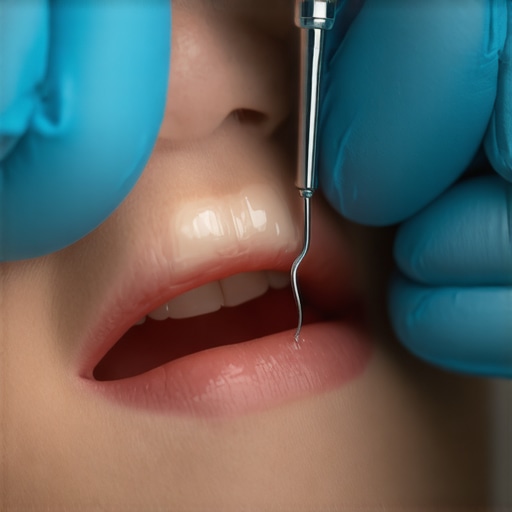
Next comes the artistic phase. The dentist uses a shade guide to select a composite resin that matches your natural teeth perfectly. During my procedure, my dentist actually mixed two different shades because my teeth naturally graduate from a warmer tone near the gums to a more translucent shade at the tips. The resin itself has the consistency of dental putty. The dentist carefully applies this putty to the sides of your teeth, slowly building up the material to close the gap. They use specialized hand tools to shape and smooth the resin, making sure the new additions look completely symmetrical and balance your facial features.
Curing and Polishing for a Seamless Finish
Once the shape is perfected, the dentist shines a high-intensity blue curing light onto the resin. This light triggers a chemical reaction that hardens the putty into a durable, tooth-like material in about twenty seconds. After the material is rock-hard, the real magic happens: the polishing phase. Using superfine polishing discs, the dentist buffs the restoration until it has the exact same glossy sheen as your natural enamel. If you are struggling with larger gaps or structural issues, you might also want to learn how to fix the black triangles appearing between your teeth using similar modern techniques.
Crucial Aftercare to Protect Your Investment
The first 48 hours after your bonding procedure are the most critical. While the composite resin is incredibly strong, it is still slightly porous and susceptible to staining right after it cures. I learned this the hard way when I tried to drink a dark iced coffee the next morning and panicked, rushing to the bathroom to brush. Thankfully, I didn’t ruin it, but it taught me to be cautious. To prevent discoloration, avoid dark liquids like red wine, black tea, and coffee, as well as highly pigmented foods like blueberries and curry immediately after your session. For long-term preservation, brushing twice a day and understanding preventive tips for long-lasting dental health will keep your newly restored smile looking bright and pristine for years to come.
When we discuss enhancing our smiles, we often focus entirely on the aesthetic transformation. However, a major misconception persists in the world of cosmetic dentistry: the belief that once a tooth is bonded, it is completely immune to underlying structural issues. In my experience, focusing solely on the visual fix without addressing your foundational oral health is a recipe for disappointment. Many people treat composite bonding like a permanent shield, neglecting the fact that the natural tooth structure beneath the resin remains fully susceptible to decay and bacterial infiltration.
Why does my bonded tooth feel sensitive to cold temperatures weeks after the procedure?
While minor, transient sensitivity is normal for a few days, persistent discomfort weeks later usually signals a deeper issue. According to a clinical review published in the Journal of Dentistry, microleakage at the margin where the composite resin meets the natural enamel is a leading cause of post-operative sensitivity and secondary caries. If the bond isn’t perfectly sealed, microscopic gaps allow bacteria and fluids to penetrate, irritating the underlying dentin. This is why neglecting routine maintenance is the biggest trap you can fall into. If you want to avoid these issues, keeping up with professional care is essential; understanding how regular teeth cleaning can prevent major dental issues is the absolute best way to protect both your natural teeth and your cosmetic investments.
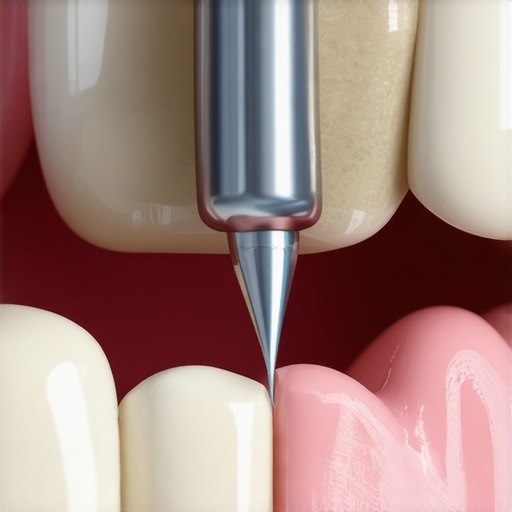
Another common mistake is assuming that cosmetic bonding behaves exactly like porcelain. While composite resin is incredibly versatile, it lacks the tensile strength of porcelain veneers or natural enamel. If you are prone to nocturnal grinding, or if you use your teeth as tools to rip open plastic packaging, you will inevitably chip your new bonding. For families managing multiple schedules, incorporating protective care is vital. Exploring top 5 secrets to maintaining perfect oral health as a family can help establish the protective habits needed to preserve everyone’s dental work. Have you ever fallen into this trap of treating your teeth like tools, or suffered from unexpected sensitivity after a cosmetic procedure? Let me know in the comments below!
The Long-Term Truth About Smile Transformations
Ultimately, cosmetic procedures like bonding are not ‘set-it-and-forget-it’ solutions. They require a partnership between artistic clinical application and meticulous home hygiene. If you want to keep your smile looking bright without constant patch jobs, you must address the biological foundation first. By combining high-quality restorative work with preventive tips for long-lasting dental health, you can enjoy a seamless, beautiful smile that easily lasts for several years.
When you invest in composite bonding, you are not just purchasing a quick cosmetic fix; you are committing to a long-term maintenance strategy. Over the last decade of my personal journey in managing my own family dentistry needs, I have transitioned away from standard drugstore solutions toward highly specific, clinical-grade tools. If you treat your bonded teeth the same way you treat untouched enamel, you will find yourself heading back to the dental clinic far sooner than you planned.
How do I maintain my dental bonding over time?
Maintaining composite resin requires a balance of non-abrasive daily care and routine physical protection. I personally use and highly recommend switching to a sonic toothbrush with a dedicated sensitive brush head, such as the Philips Sonicare ProtectiveClean series. The reason is scientific: high-velocity vibrations clean plaque effectively without the aggressive mechanical scrubbing that can micro-scratch the polished surface of your composite. Additionally, you must ditch coarse charcoal or whitening toothpastes immediately. According to the Relative Dentin Abrasivity (RDA) index published by the American Dental Association, standard whitening pastes often score above 100, which acts like sandpaper on your smooth composite. Stick to a low-abrasive formula with an RDA under 70 to keep that high-gloss finish intact. To understand why gentle care is so crucial, you can explore the guidelines on gentle teeth cleaning best practices for sensitive gums.
Beyond brushing, the physical preservation of the bond is where many people fail. If you struggle with involuntary night grinding, even a minor clenching habit will cause microscopic fractures in the resin over time. I use a custom-fabricated, hard-acrylic occlusal guard every single night. Avoid the soft, boil-and-bite athletic mouthguards from sporting goods stores; their spongy texture actually encourages chewing and muscle activity, which places more stress on your jaw joints and front teeth restorations. Instead, invest in a professional laboratory-milled guard that distributes biting forces evenly across your entire arch. This level of preventive care is the secret weapon for safeguarding complex dental work. Families looking to build these protective habits early can benefit immensely from mastering family dentistry tips that make oral care effortless and effective.
Looking ahead, the future of maintaining these cosmetic procedures is rapidly changing. Within the next few years, I predict we will see the widespread adoption of bioactive composite resins that actively release calcium and phosphate ions. This futuristic tech will essentially self-heal minor margins and resist decay at the boundary line of the natural tooth. For now, however, our best defense is meticulous home care combined with routine expert evaluations. To ensure your investment stays secure, make sure you understand how regular teeth cleaning can prevent major dental issues before minor margins turn into costly failures. I highly encourage you to take the first step today: check the RDA rating of your current toothpaste and swap it out for a low-abrasive alternative to protect your polished enamel.
When you invest in composite bonding, you are not just purchasing a quick cosmetic fix; you are committing to a long-term maintenance strategy. Over the last decade of my personal journey in managing my own family dentistry needs, I have transitioned away from standard drugstore solutions toward highly specific, clinical-grade tools. If you treat your bonded teeth the same way you treat untouched enamel, you will find yourself heading back to the dental clinic far sooner than you planned.
How do I maintain my dental bonding over time?
Maintaining composite resin requires a balance of non-abrasive daily care and routine physical protection. I personally use and highly recommend switching to a sonic toothbrush with a dedicated sensitive brush head, such as the Philips Sonicare ProtectiveClean series. The reason is scientific: high-velocity vibrations clean plaque effectively without the aggressive mechanical scrubbing that can micro-scratch the polished surface of your composite. Additionally, you must ditch coarse charcoal or whitening toothpastes immediately. According to the Relative Dentin Abrasivity (RDA) index published by the American Dental Association, standard whitening pastes often score above 100, which acts like sandpaper on your smooth composite. Stick to a low-abrasive formula with an RDA under 70 to keep that high-gloss finish intact. To understand why gentle care is so crucial, you can explore the guidelines on gentle teeth cleaning best practices for sensitive gums.
Beyond brushing, the physical preservation of the bond is where many people fail. If you struggle with involuntary night grinding, even a minor clenching habit will cause microscopic fractures in the resin over time. I use a custom-fabricated, hard-acrylic occlusal guard every single night. Avoid the soft, boil-and-bite athletic mouthguards from sporting goods stores; their spongy texture actually encourages chewing and muscle activity, which places more stress on your jaw joints and front teeth restorations. Instead, invest in a professional laboratory-milled guard that distributes biting forces evenly across your entire arch. This level of preventive care is the secret weapon for safeguarding complex dental work. Families looking to build these protective habits early can benefit immensely from mastering family dentistry tips that make oral care effortless and effective.
Looking ahead, the future of maintaining these cosmetic procedures is rapidly changing. Within the next few years, I predict we will see the widespread adoption of bioactive composite resins that actively release calcium and phosphate ions. This futuristic tech will essentially self-heal minor margins and resist decay at the boundary line of the natural tooth. For now, however, our best defense is meticulous home care combined with routine expert evaluations. To ensure your investment stays secure, make sure you understand how regular teeth cleaning can prevent major dental issues before minor margins turn into costly failures. I highly encourage you to take the first step today: check the RDA rating of your current toothpaste and swap it out for a low-abrasive alternative to protect your polished enamel.
The Hardest Lessons I Learned About Keeping My Bonded Smile Flawless
Reflecting on my own transformation, I realized that the actual dental appointment is only ten percent of the battle. The real work happens at home, and I had to unlearn several bad habits to keep my smile looking seamless. Here is what I wish someone had told me on day one:
- Veneers and bonding are completely different beasts: Unlike durable porcelain, composite resin behaves more like a sponge for pigments if you aren’t careful. I learned to drink my morning matcha through a straw to bypass my front teeth entirely.
- Never use your teeth as tools: Opening a plastic package or holding a bobby pin between your teeth is a fast track to a chipped restoration. If you accidentally damage your tooth, you will need to learn how to fix a chipped front tooth without a full crown.
- Your bite matters more than looks: If your teeth do not align perfectly after the procedure, the constant pressure will eventually pop the composite off. If your alignment feels slightly off, speak up immediately so your dentist can smooth down the high spots.
My Essential Smile Preservation Kit
To extend the life of your cosmetic dentistry investment, I recommend building a highly curated home-care toolkit. These are the exact items I trust to keep my teeth clean, bright, and fully intact:
- A Low-Abuse Toothpaste: Look for formulas specifically labeled for sensitive teeth or restoration care that carry an RDA score below 70. This prevents the microscopic scratching that dulls the resin over time.
- Professional-Grade Nightguard: Have your dentist take a digital scan of your mouth to create a custom hard-acrylic guard. It is the single best investment you can make to prevent stress fractures on your new composite work.
- Superfine Dental Tape: Standard dental floss can sometimes snag on the microscopic margins of the composite. Specialized dental tape slides smoothly between tight contacts without pulling on the edges of the bonding.
Your Journey to a Carefree Smile Starts Now
Transforming your smile with cosmetic bonding is one of the most rewarding and confidence-boosting decisions you can make. By understanding the balance between artful dentistry and careful maintenance, you can smile openly without ever worrying about those old gaps or chips holding you back. If you have been hiding your joy in photos, now is the perfect time to explore how modern cosmetic dentistry can give you the worry-free laugh you deserve.
Have you ever struggled with keeping your teeth white after getting a filling or bonding? Let me know your thoughts and questions in the comments below!