
I was sitting in that crinkly vinyl chair, clutching the armrests, when my dentist told me I had a cavity. I didn’t even care about the drill; I just wanted my smile to stay white. ‘Let’s do the tooth-colored one,’ I said. I thought I was being smart. Then the bill came, and my insurance company basically laughed at me. They only paid for the ‘silver’ price, leaving me with a bill I hadn’t budgeted for. It felt like a betrayal. We pay these premiums every month expecting the best family dentistry care, but the reality is much more complicated. Today, I am going to help you understand why ‘covered’ is a trap and how you can actually protect your teeth without draining your savings. Have you ever been shocked by a dental bill for a procedure you thought was fully covered?
Your Insurance Policy is Stuck in the Eighties
It is a hard truth to swallow, but most dental plans are designed around technology from forty years ago. I learned this the hard way. Early on, I chose the cheaper silver filling because insurance covered it 100%. Years later, that metal expanded and contracted until it cracked my tooth, leading to a much more expensive crown. If I had known how regular dental cleanings can save you money by preventing these issues, or understood how to tell if your filling is leaking, I could have saved thousands. Insurance companies use a ‘least expensive alternative treatment’ clause to save themselves money, not to give you the best health outcome.
Is the more expensive filling actually worth the extra cost?
You might feel like the white fillings are just about vanity. They aren’t. Composite resin actually bonds to your tooth, strengthening the structure. Old-school amalgams just sit there, held in by mechanical force, which often requires the dentist to drill away perfectly healthy parts of your tooth. According to a report by the American Dental Association, while amalgam is safe and durable, resin-based composites allow for much more conservative tooth preparation. This is a huge win for maintaining oral health over a lifetime. We often fall for oral health myths debunked by people who look at spreadsheets instead of X-rays. Let’s dive into how you can talk to your dentist to ensure you get the right materials for your mouth.
Take Control Before the Drill Starts
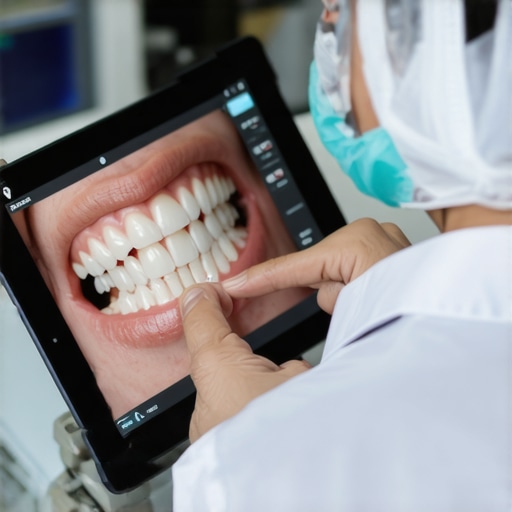
Stop letting an insurance adjuster in a cubicle 200 miles away decide what goes into your mouth. The first thing I learned after my billing disaster was that you have to be your own advocate. When I went back for my next check-up, I didn’t just sit there. I asked for a ‘Pre-Determination of Benefits’ before any work began. This is a written estimate from your insurance company that spells out exactly what they will pay for and what they won’t. It’s like getting a quote for a car repair before they take the engine apart. I found out my plan would only cover the ‘standard’ price for a crown, but by knowing the protocol for replacing an old silver filling with a tooth-colored one, I was able to budget for the difference instead of being blindsided. You have to ask your dentist, ‘What is the best long-term health option, regardless of what my plan covers?’
Ask for the Upgraded Materials Specifically
Insurance companies love to talk about ‘standard of care,’ which is often code for ‘the cheapest way to fix the hole.’ I remember once asking my dentist about a specific sensitivity I had. He explained that gentle teeth cleaning best practices for sensitive gums were available, but they weren’t the default in the ‘discount’ plan I was on. I paid the extra thirty bucks for the specialized treatment, and for the first time in years, I didn’t wince when the water hit my molars. That small investment saved me from a week of post-cleaning pain. You should always inquire about cosmetic dentistry innovations you can’t miss this year even if you aren’t looking for a ‘Hollywood smile,’ because many of these technologies, like modern resins, are actually better for the structural integrity of your tooth than the basics.
Your Professional Cleaning is a Financial Safety Net
We often view twice-yearly visits as a chore, but they are actually your best defense against high-interest credit card debt from emergency surgeries. I once skipped my cleanings for eighteen months because life got ‘busy.’ I ended up needing a deep scaling procedure that cost four times what a regular cleaning would have. Learning how regular teeth cleaning can prevent major dental issues changed how I prioritize my calendar. Think of it like changing the oil in your car; if you skip the $50 oil change, you eventually buy a $5,000 engine. The same logic applies to your mouth.
Modern Tools Make the Difference
If you are avoiding the chair because of the noise or the scraping, ask about newer methods. For instance, how we use laser dentistry to treat gum disease without scalpels is a game-changer for people who used to fear the dentist. These aren’t just fancy gadgets; they are more precise and often lead to faster healing times. When my brother needed gum work, he sought out a practice that used these techniques, and his recovery time was cut in half compared to the old-school methods. This is why it is so important to stay informed on top 5 secrets to maintaining perfect oral health as a family, so you can make choices that protect both your health and your wallet simultaneously.
Why Your Blindingly White Smile Might Be Hiding a Disaster
Everyone wants that Hollywood glow, but here is a contrarian truth: a bright white smile is not a guaranteed sign of health. In my years of obsessing over dental care, I have seen people with bleached, snowy teeth who are actually suffering from extreme enamel thinning and recession. We often get so caught up in the impact of cosmetic dentistry in 2025 that we forget the foundation. If you are whitening a tooth that has internal decay, you are essentially painting a rotting fence. I’ve learned that the ‘nuance’ the industry doesn’t always lead with is that structural integrity must always come before shade. You can have slightly off-white teeth that are incredibly strong, or bright white teeth that are one bite away from a fracture. If you’re looking at cosmetic dentistry trends that transform your smile, make sure your dentist is checking for underlying issues first.
Could your daily whitening routine be permanently thinning your enamel?
The biggest ‘oops’ factor I see involves the way we handle acid and abrasives. Most people think that after a cup of coffee or a bowl of fruit, they should rush to the sink to scrub away the stains. This is a massive mistake. When you eat acidic foods, your enamel temporarily softens. If you brush immediately, you are literally scrubbing your enamel away. I didn’t believe this until I saw a study cited by the American Dental Association which notes that waiting at least 30 to 60 minutes allows your saliva to naturally remineralize the teeth. This is why we recommend waiting thirty minutes to brush after eating fruit. Scrubbing too soon is a one-way ticket to permanent sensitivity and yellowing, as the underlying dentin begins to show through the thinned enamel.
The Hidden Danger of Abrasive Toothpastes
Not all toothpastes are created equal, and many ‘whitening’ brands are effectively sandpaper in a tube. There is a measurement called the RDA (Relative Dentin Abrasivity) scale. Many high-street whitening pastes have an RDA score so high they actually strip your protective layers over time. I shifted my focus to gentle teeth cleaning best practices for sensitive gums after realizing my ‘heavy-duty’ paste was the reason my teeth hurt every time I breathed in cold air. Instead of chasing the most aggressive cleaning, look into revolutionary teeth cleaning techniques for 2025 that use air polishing or ultrasonic tools rather than harsh chemicals.
We also need to talk about the ‘DIY’ trap. From charcoal powders to at-home kits without supervision, these shortcuts often lead to long-term bills that far outweigh the initial savings. True effortless and effective oral care comes from professional guidance, not a social media trend. Whether it’s choosing contouring veneers or simply getting a better cleaning, the ‘secret’ is always in the professional nuance. Have you ever fallen into the trap of over-brushing or using a harsh whitening product only to end up with more sensitivity? Let me know in the comments!
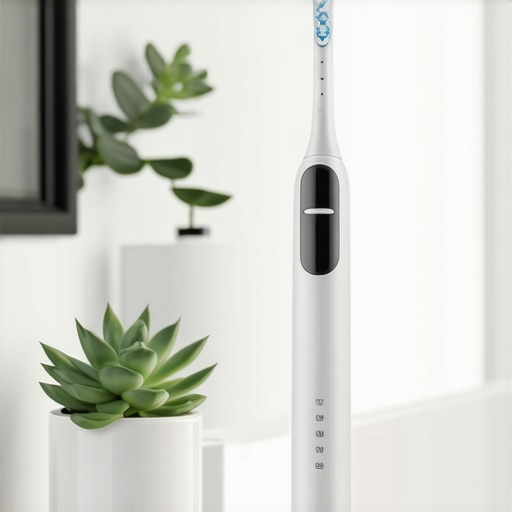
I used to think my manual toothbrush was doing a fine job until my dentist showed me a plaque map that looked like a crime scene. That was the moment I realized that ‘trying hard’ isn’t the same as ‘effective cleaning.’ I switched to a sonic toothbrush with a built-in pressure sensor, and it was a revelation. If you are like me and tend to scrub your teeth as if you are removing rust from a boat, you need a tool that literally forces you to stop. This is one of the most vital preventive tips for long-lasting dental health for families because it removes the human error that leads to receding gums. I also integrated a water flosser into my nightly ritual. For anyone with tight teeth or a history of inflammation, the benefits of using a water flosser for patients with gum disease are undeniable. It flushes out the debris that traditional string flossing often leaves behind in deep pockets.
How do I maintain my oral health between professional visits?
The secret is consistency paired with the right hygiene for your tools. You can buy the most expensive equipment in the world, but if you leave your brush head in a damp, dark cabinet, you are just reintroducing bacteria every morning. I learned the best way to keep your bathroom toothbrush clean is to ensure it air-dries upright and is kept far away from the toilet splash zone. According to a study published in the Cochrane Database of Systematic Reviews, electric toothbrushes—specifically those using oscillating-rotating technology—consistently outperform manual brushing in reducing both plaque and gingivitis over three-month periods. By using these professional-grade tools at home, you are essentially performing a daily ‘mini-service’ on your mouth, ensuring that when you do go in for the ultimate guide to teeth cleaning techniques, the hygienist has very little work to do.
The Future of the Bathroom Mirror
I predict that within the next five years, our daily routines will shift from manual tracking to ‘Smart Bio-Feedback.’ We already see brushes that connect to apps to track coverage, but the next step is saliva-sensing technology. Imagine a toothbrush that analyzes the pH level of your mouth in real-time and alerts you if your enamel is at risk of demineralization. This kind of revolutionary teeth cleaning techniques for 2025 will turn your morning routine into a preventive diagnostic checkup. We are moving away from reactive ‘drilling and filling’ toward a proactive model where we catch chemical changes before they ever become physical cavities. This is how we achieve maintaining oral health for a century of life, not just a few decades. If you want to get ahead of the curve, my top tip is to check the RDA (Relative Dentin Abrasivity) value of your toothpaste tonight. If it is over 150, swap it for a low-abrasive gel tomorrow morning to protect your enamel for the long haul.
Three Crucial Truths My Dentist Eventually Admitted
After years of navigating billing surprises and sensitive teeth, I realized that modern dental care is as much about personal strategy as it is about clinical work. First, your insurance policy is not a medical mandate; it is a financial agreement that often favors the cheapest materials over the most durable options. Second, I learned that why we recommend waiting thirty minutes to brush after eating fruit is the single most important habit for preventing accidental enamel erosion. Lastly, a blindingly white smile can sometimes mask structural decay, which is why oral health myths busted by actual clinical data are far more valuable than any social media trend.
The Only Gear I Trust for My Daily Routine
If you want to stop reactive spending and start proactive saving, these are the tools I personally swear by for my own home care. I transitioned to a high-quality sonic toothbrush because it removes the temptation to scrub too hard, which remains one of the best preventive tips for long-lasting dental health for families. I also cannot recommend the benefits of using a water flosser for patients with gum disease enough; it reaches deep into the pockets where traditional string often fails. Finally, to ensure I am not reintroducing bacteria to my mouth, I follow the best way to keep your bathroom toothbrush clean by letting it air dry far away from the sink area.
Take the First Step Toward a Lifetime of Health
Building a healthy mouth does not happen overnight, but every small change—from checking your toothpaste’s abrasivity to scheduling that long-overdue cleaning—adds up to thousands of dollars saved over a lifetime. Investing in quality family dentistry is the most solid foundation for a life free from dental pain and unexpected bills. You have the power to take control of your oral health starting with your next meal. Have you ever been surprised by a dental bill for a procedure you thought was fully covered? Let me know your experience in the comments below!