
I was laughing at a joke—the kind of deep, belly-shaking laugh that happens when you’re finally relaxed—until I caught a glimpse of myself in the hallway mirror. My smile looked… dark. Not from coffee stains or a lack of proper teeth cleaning, but from the dull, gray glimmer of the amalgam fillings I’d had since middle school. I felt like a walking museum of 1990s dentistry. It wasn’t just about the aesthetics, though. I started wondering if those old metal plugs were actually doing more harm than good. If you’ve ever felt self-conscious about “metal mouth” or worried that an old filling is starting to fail, you’re exactly where I was two years ago. Today, I’m walking you through why we’re finally saying goodbye to silver and how the upgrade to tooth-colored composite can change everything.
Those Dark Spots in Your Smile Aren’t Just an Eyesore
[IMAGE_PLACEHOLDER]For the longest time, I lived by the “if it ain’t broke, don’t fix it” rule. I assumed those silver fillings were permanent. I was wrong. My biggest mistake early on was ignoring the tiny, sharp sensation I felt whenever I drank cold water. I figured, “Hey, it’s metal, it’s tough.” But knowing if your filling is leaking is crucial because amalgam actually expands and contracts with temperature changes. Over time, that movement can cause microscopic cracks in your natural tooth structure.
Is swapping silver for composite actually worth the trouble?
You might be thinking that this is just a vanity project. I get it; dental work isn’t exactly how most people want to spend their Saturday morning. But there is a massive shift happening in modern cosmetic dentistry trends. It’s not just about looking better—it’s about structural integrity. According to the Journal of Conservative Dentistry, composite resins actually bond to the tooth, whereas silver fillings just “sit” in the hole, often requiring the dentist to remove more healthy tooth structure just to keep the metal in place.
Stop Hiding Your Laugh and Start Protecting Your Teeth
When I finally sat in the chair to get my first replacement, I was nervous. I’d heard stories about sensitivity and long procedures. But the reality of what to expect during cosmetic dentistry is much more focused on comfort these days. The process of removing amalgam requires a specific protocol to ensure the old material is captured safely, and the new tooth-colored resin is layered to look—and feel—completely natural. Have you ever looked in the mirror and wished those gray shadows were gone? It’s a more common concern than you might think.
Safe Removal Means More Than Just Drilling
The first step in the transition isn’t actually the drill; it is the isolation. When I sat down for my first replacement, I saw the team setting up what looked like a tiny rain poncho for my tooth—a rubber dam. This isn’t just for show. Because old amalgam contains mercury, modern dentists use high-volume suction and specialized barriers to ensure that as the old metal is removed, none of the debris is swallowed or inhaled. It is a precise, mechanical process that treats the old material like a hazardous relic from the past. I remember watching the monitor as the silver came out; even though it looked solid from the top, the underside was tarnished and had clearly been leaking for years. This leaky seal is why many people experience that strange phenomenon where a filling feels sharp to the tongue but looks perfectly fine to the naked eye.
How Composite Resins Actually Rebuild Your Tooth
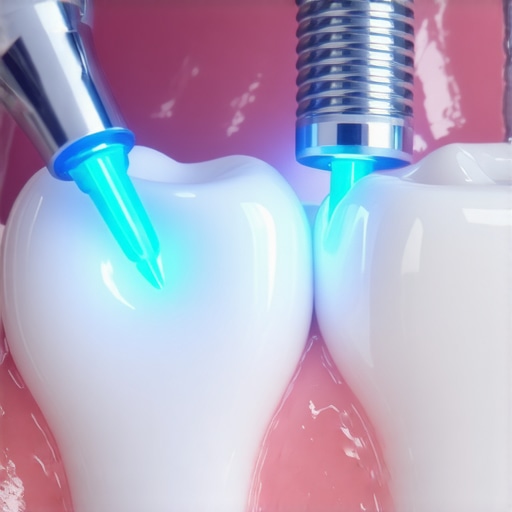
Once the silver is gone and the cavity is cleaned, the ‘bonding’ phase begins. Think of this like the difference between a loose brick in a wall and a brick that has been cemented into place. Silver fillings are the loose bricks; they stay in place because the hole is wider at the bottom than the top. Composite resin, however, is a chemical miracle. The dentist applies a mild acidic solution to microscopicially roughen the tooth surface—basically like sanding a piece of wood before you glue it—and then applies a bonding agent that sinks into those pores. When they shine that bright blue curing light on the resin, it doesn’t just sit there; it becomes part of the tooth structure itself. This is a core part of maintaining oral health because it strengthens the remaining natural enamel rather than wedging it apart.
The Art of Matching Your Natural Color
The most satisfying part of the process is the ‘shade matching.’ I used to think white was just white, but teeth have incredible depth and translucency. Your dentist will use a guide to find the exact hue that matches your surrounding teeth. They layer the resin in thin increments, curing each one with light. This layering technique prevents the material from shrinking and ensures the final result can withstand the literal tons of pressure your jaw generates when you chew. If you’re curious about what to expect during cosmetic dentistry, this is the moment where the ‘medical’ feel of the office turns into something closer to an art studio.
Don’t Ignore the Warning Signs of Aging Metal
If you’re waiting for a silver filling to actually fall out before you replace it, you’re playing a dangerous game. Metal is unforgiving. I once ignored a dull ache for months, thinking I just needed a professional teeth cleaning to fix some sensitivity. When the dentist finally got under that silver, the tooth had a hairline fracture. Silver is a thermal conductor, meaning it transmits heat and cold directly to your nerves. If you find that your filling feels cold when you breathe in, it’s a sign that the seal is compromised. Replacing it early with composite doesn’t just make your smile look better; it prevents that tiny crack from becoming a full-blown fracture that requires a crown or an extraction later down the road.
While the aesthetic change is the first thing you’ll notice, the most sophisticated part of this transition is something most patients never hear about: the ‘C-factor.’ Everyone assumes that switching to composite is a simple ‘out with the old, in with the new’ process, but if a dentist simply fills a large hole with one big clump of resin, the material’s natural tendency to shrink as it hardens can actually pull on the walls of your tooth, creating a whole new set of problems. This is why you might hear about oral health myths debunked regarding composite sensitivity; it’s usually not the material itself that’s the problem, but the technique used to place it.
Why does the configuration of your cavity determine the success of your new filling?
In high-end cosmetic dentistry innovations, we look at the ‘Configuration Factor’ or C-factor. This is the ratio of bonded surfaces to unbonded surfaces. A study published in the Journal of Adhesive Dentistry highlights that the higher the C-factor, the more stress is placed on the bond during the light-curing process. This is the ‘hidden nuance’ that separates a filling that lasts five years from one that lasts twenty. If your dentist is rushing the job, they might skip the incremental layering that manages this stress. I’ve seen people fall into the trap of choosing the cheapest ‘white filling’ option, only to end up with chronic discomfort because the resin was cured too quickly, causing micro-gaps at the margin.
Another common mistake is assuming that how regular teeth cleaning can prevent major dental issues applies only to natural teeth. In reality, the margin where the composite meets your tooth is the most vulnerable ‘front line’ in your mouth. If you don’t maintain a strict routine of gentle teeth cleaning, bacteria can congregate at that microscopic seam, leading to recurrent decay that is much harder to spot than a cavity on a virgin tooth. This is where family dentistry tips become vital; teaching your kids—and reminding yourself—that the restoration is only as good as the hygiene supporting it is the key to longevity. Have you ever fallen into the trap of thinking a new filling meant you could slack off on flossing? Let me know in the comments. If you’re ready to see if your old silver is failing, it’s time to contact us for a full evaluation.
Once you’ve successfully made the switch to tooth-colored resin, the game changes from ‘repair’ to ‘preservation.’ I realized quickly that treatng these high-tech bonds like my old, indestructible metal plugs was a recipe for disaster. Unlike metal, which is a blunt instrument, composite is a fine-tuned piece of engineering that requires a specific toolkit to stay pristine. If you want to avoid the ‘dark halo’ effect that happens when a composite edge starts to stain, you have to be intentional about the tools you keep in your bathroom cabinet.
Your Toothbrush is Only Half the Battle
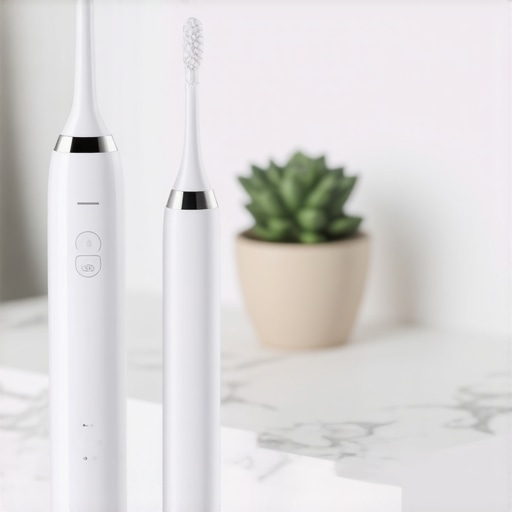
I switched to a sonic toothbrush with a pressure sensor because the most common way people ruin their new dental work is by scrubbing too hard. Abrasive brushing can actually wear down the polish of the resin, making it lose that natural luster. But the real game-changer for me was integrating the benefits of using a water flosser into my nightly routine. Standard floss is great, but it can sometimes snag on the microscopic margins of a large filling. A water flosser uses hydro-kinetic energy to flush out the ‘cervical’ area—that tricky spot where the tooth, the filling, and the gum line meet—without mechanical friction.
How can you keep your new restorations from failing?
The secret lies in acidity management. Dr. Pascal Magne, a pioneer in biomimetic restorative dentistry, argues in his seminal work that the goal isn’t just to fill a hole, but to emulate the natural tooth’s biomechanics. To do this, you must protect the bond from acid erosion. I started using a pH-neutralizing mouthwash after my morning coffee. If you let coffee or soda sit on the margins of your composite, those micro-pores we talked about earlier will absorb the pigment. While much of the advice for how to maintain your porcelain veneers so they last twenty years applies here, composite is slightly more porous than porcelain, making your daily habits even more critical for maintaining oral health over the long haul.
The Next Frontier of Dental Longevity
Looking ahead, I predict we are moving toward ‘bio-active’ fillings. We’re already seeing the rise of materials that release calcium and phosphate to ‘self-heal’ minor mineral loss around the edges of a filling. Until those become the standard, your best defense is a professional-grade gentle teeth cleaning every six months. This isn’t just a polish; it’s an opportunity for your dentist to check the ‘seal’ of your composite under high magnification. My advanced tip? Ask your hygienist to use an air-polishing system with glycine powder. It’s far less abrasive than traditional paste and keeps the composite-to-enamel transition smooth as glass. If you haven’t had your margins checked in over a year, contact us today to ensure your upgrade stays as strong as the day it was placed.
Three Hard Truths About Living Without Metal Mouth
After going through the transition myself, I realized that the benefits extend far beyond what you see in the mirror. First, the ‘phantom’ sensitivity I used to feel during cold weather vanished completely. Because composite doesn’t conduct temperature like metal, my nerves finally stopped being in a state of constant alert. Second, you’ll notice a literal change in how your mouth feels to your tongue; composite resin mimics the smooth, organic texture of enamel, whereas old silver often feels like a foreign, slightly gritty intrusion. Finally, I learned that the most important part of the filling isn’t the middle—it’s the margin. A well-bonded composite seal is your best defense for maintaining oral health because it leaves no room for microscopic invaders to hide.
My Daily Arsenal for Maintaining That Invisible Finish
I don’t just brush and hope for the best anymore. To keep these high-tech bonds in peak condition, I’ve curated a specific routine that keeps the margins clean and the resin bright. I highly recommend a water flosser; I’ve found that the benefits of using a water flosser for patients with gum disease apply just as much to those of us with extensive dental work, as it clears the ‘vulnerable zones’ without abrasive tugging. I also keep a pH-balancing spray in my bag for after-lunch coffee to prevent staining the composite edges. Lastly, never skip your professional gentle teeth cleaning appointments. These visits allow your dentist to use specialized polishing pastes that keep the transition between tooth and resin glass-smooth, preventing the ‘dark halo’ effect that can happen over time.
Reclaim Your Confidence and Protect Your Structural Integrity
Making the switch from silver to composite is more than just a cosmetic upgrade; it is an investment in the structural longevity of your teeth. You deserve to laugh, speak, and eat without worrying about a gray shadow or a ticking time bomb of a fracture. Modern cosmetic dentistry has evolved to a point where you don’t have to choose between a beautiful smile and a strong one. If you’re tired of seeing 1990s-era metal every time you open your mouth, it’s time to take control of your dental future. Are you ready to see what your smile looks like without those dark spots? Contact us today to schedule a consultation and start your journey toward a healthier, more natural-looking smile. Have you noticed any sensitivity in your old silver fillings lately? Let me know in the comments below!