
I remember sitting in that vinyl chair, heart hammering against my ribs, waiting for the verdict. When the word ‘periodontitis’ finally dropped, I felt a wave of shame. I’d let my oral health slide. I’d convinced myself that why my gums bleed when I floss was just because I was being too aggressive. It wasn’t. I was facing surgery. The thought of scalpels and sutures made me want to bolt for the door. I made the classic mistake of waiting until the pain was constant before seeking help. But then my dentist told me about lasers. No cutting. No sewing. Just light. Today, I’m going to share why this technology is a total lifesaver for people like us who dread the ‘traditional’ dental experience. Have you ever felt that paralyzing fear when a dentist mentions surgery?
Trade the Blade for Precise Light
Traditional gum surgery is essentially a ‘cut and sew’ operation. It’s invasive, and the healing time can feel like an eternity. Laser dentistry flips that script. By using a specific wavelength of light, we can target the bad bacteria hiding in deep pockets without touching the healthy tissue. It’s like using a sniper rifle instead of a grenade. The American Academy of Periodontology has noted that laser therapy can lead to less bleeding and swelling compared to traditional surgery. I used to think regular dental cleanings were enough, but once the infection gets deep, you need something more surgical—without the actual ‘surgery.’ [image_placeholder]
Is Laser Treatment Actually Just a High-Tech Gimmick?
It’s a fair question. I was the biggest skeptic in the room. I worried it was all marketing fluff. But the science is solid: the FDA has cleared specific laser protocols for the regeneration of bone and gum tissue. That’s the holy grail of preventive dentistry. If you’ve ever wondered why your gums stay swollen even after taking meds, it’s often because the mechanical bacteria aren’t gone. The laser gets them. It’s not a gimmick; it’s the future of how we keep our teeth as we age.
Watch the Laser Wipe Out Decades of Bacteria
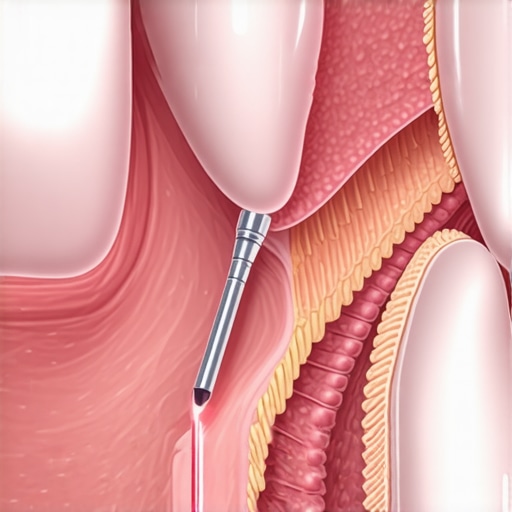
When I finally sat down for my first session, the procedure wasn’t anything like the horror stories I’d read online about traditional surgery. The process is remarkably straightforward but incredibly high-tech. First, the dentist uses a specialized fiber, about the thickness of three human hairs, to enter the space between your tooth and gum. Think of it like a precision-guided cleaning tool that only reacts to the color of the infected tissue. Because healthy tissue has a different pigment, the laser simply passes over it, leaving your good gums completely intact. This is far more advanced than the ultimate guide to teeth cleaning techniques and benefits you might find for standard hygiene appointments. It’s the difference between power-washing a deck and using a microscopic laser to remove only the rot from the wood fibers.
The Search and Destroy Mission for Infected Pockets
The laser light kills the bacteria that cause gum disease on contact. During my treatment, I expected to feel heat or a stinging sensation, but instead, I just felt a slight warmth. The laser energy doesn’t just kill germs; it actually breaks down the hard tartar (calculus) that has built up deep under the gum line. This makes it easier for the dentist to clear away the debris without having to pull the gums back with a scalpel. If you’ve ever worried about how regular teeth cleaning can prevent major dental issues, you’ll realize that laser therapy is essentially that process on steroids. It reaches places no metal scaler ever could, ensuring that the infection isn’t just suppressed, but actually eradicated from the roots of your teeth. 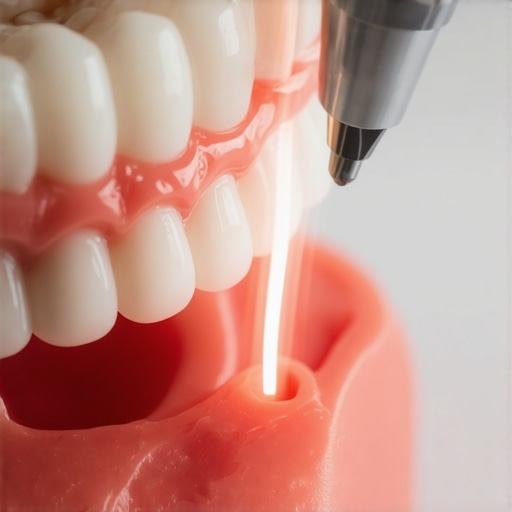
Help Your Gums Seal Back to the Tooth
The second pass of the laser is where the magic happens. After the bacteria are gone, the dentist uses a different setting to create a sterile, firm blood clot around the tooth. This acts like a natural ‘bandage.’ I remember looking in the mirror right after and being shocked that there weren’t any black silk stitches hanging out of my mouth. This ‘sealing’ phase is what triggers your body’s natural healing response. It’s why preventive tips for long-lasting dental health for families often emphasize catching gum issues early; the faster you get this seal, the less likely you are to lose bone. We even used how we use digital scanners to avoid messy dental molds to track my progress, and seeing the tissue reattach in 3D was mind-blowing.
Skip the Pain Meds and Eat Normally Sooner
The biggest ‘win’ for me was the recovery time. With traditional surgery, you’re often looking at a week of swelling and a diet of lukewarm soup. After my laser treatment, I went out for a soft pasta dinner that same evening. Because the laser cauterizes as it goes, there is almost zero bleeding. You might experience a little bit of ‘itchy’ sensation as things heal, similar to why your gums feel itchy after a deep dental cleaning, but it’s a sign of blood flow returning to the area, not a sign of trauma.
Manage the Tiny Twinges After Your Session
While the pain is minimal, you still have to be smart about your routine. For the first 24 hours, I avoided anything crunchy like popcorn or chips to keep that natural seal intact. You’ll want to follow gentle teeth cleaning best practices for sensitive gums for about a week. I used a soft-bristled brush and avoided heavy-duty mouthwashes that sting. If you do feel a little zip of cold sensitivity, don’t panic. Learning how to manage tooth sensitivity after a professional scale and polish applies here too; a little sensitive toothpaste and avoiding ice-cold drinks for a few days did the trick for me. My gums went from a dark, angry purple to a healthy coral pink in less than two weeks, something I never thought possible without a major operation.
Stop Obsessing Over Surface Stains and Look Deeper
Most people believe that a successful trip to the dentist is one where they walk out with a brighter smile. I used to think that way too. But here’s the contrarian truth: focusing on the ‘sparkle’ is a dangerous distraction. In my experience, the biggest mistake is treating cosmetic dentistry as a substitute for periodontal health. While the impact of cosmetic dentistry in 2025 is undeniable for self-esteem, it’s like putting a fresh coat of paint on a house with a cracked foundation. If you are ignoring why your gums recede faster if you use a hard-bristled brush, no amount of whitening will save your teeth in the long run. Real oral health isn’t about the color of your enamel; it’s about the integrity of the attachment between your teeth and your jawbone.
Does Laser Technology Really Support Long-Term Bone Density?
This is the question that separates the beginners from the pros. Advanced clinical research, including studies published in the Journal of Periodontology, suggests that laser-assisted protocols don’t just ‘clean’—they actually facilitate the stabilization of the bone by eliminating the specific pathogens that trigger bone resorption. When you look at oral health myths debunked what you need to know in 2025, the biggest one is that bone loss is permanent and unmanageable. While we can’t always ‘grow’ it back like a fingernail, the laser creates a sterile environment where the bone can finally rest and reintegrate. If you’ve noticed the reason your teeth look yellow even though you brush twice daily, it might actually be your dentin showing through as your gums recede, not just surface coffee stains.
Avoid the Preventive Maintenance Trap
There is a specific ‘oops’ factor I see constantly: the ‘if it doesn’t hurt, don’t fix it’ mentality. By the time gum disease causes pain, you are often already in the danger zone for tooth loss. People often think how regular dental cleanings can save you money in the long run is just a marketing slogan, but the ‘nuance’ is that professional debridement removes ‘biofilm’ that is physically impossible to reach at home. Even the best ultimate guide to teeth cleaning techniques and benefits can’t teach you how to reach 6mm deep into a periodontal pocket. Don’t fall into the trap of thinking a quick ‘prophy’ cleaning is the same as a deep therapeutic treatment. One is for aesthetics; the other is for survival.
Protect Your Family From the Hidden Bacteria Trap
For those managing family dentistry building a foundation of healthy smiles for all ages, remember that periodontal bacteria are transmissible. If you have an active infection, you can literally pass those pathogens to your spouse or children through shared utensils or kissing. This is why treating your own gum disease isn’t just about your mouth—it’s a protective measure for your entire household. Have you ever fallen into the trap of waiting for pain before booking an appointment? Let me know in the comments. Let’s start prioritizing the foundation over the facade.
Once the laser treatment cleared the infection, I realized I couldn’t just go back to my old, lazy habits. Maintaining a sterile environment in the mouth is an active, daily battle. I followed the maintaining oral health expert advice for a lifetime of healthy teeth, but I quickly discovered that the standard plastic toothbrush and a roll of string floss weren’t enough for someone who had already seen the ‘periodontal cliff.’ If you want to keep your results, you have to upgrade the technology in your bathroom cabinet. It’s not about spending a fortune; it’s about choosing tools that actually reach the biological targets where bacteria congregate.
Stop Relying on String Floss Alone
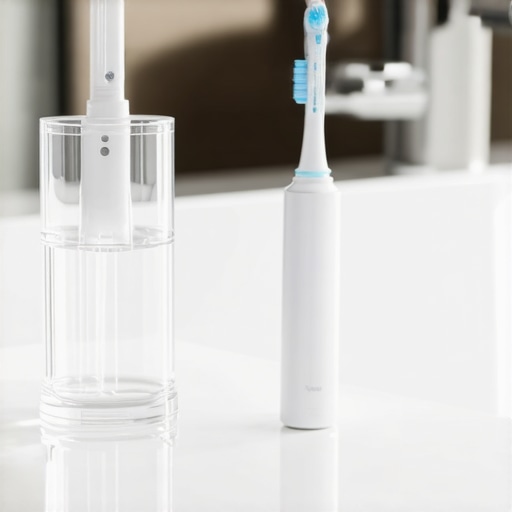
I know, I know—we’ve been told to floss since we were toddlers. But here is the personal reality I faced: string floss can only reach about 2-3mm into the gum pocket. If your pockets were 5mm or 6mm deep before treatment, string is literally missing half the problem. This is where the benefits of using a water flosser for patients with gum disease becomes incredibly clear. I started using a high-end oral irrigator twice a day, and the difference was visible in the sink. The pulsating water uses hydrostatic pressure to flush out ‘planktonic’ bacteria that are just floating in those deep crevices, waiting to re-attach. Research published in the Journal of Clinical Periodontology found that oral irrigators can be significantly more effective than manual flossing at reducing the bleeding that signals a return of gingivitis.
Hydrostatic Pressure is My Daily Non-Negotiable
I don’t just use water in my irrigator; I use a specific mix of 90% warm water and 10% alcohol-free antimicrobial mouthwash. This ensures that I’m not just rinsing, but actively disinfecting the pocket. Even if you’ve invested in how to maintain your porcelain veneers so they last twenty years, the foundation remains the gums. If the gums fail, the veneers fail. I also had to relearn how to choose the right toothbrush bristle strength for your gums. After laser therapy, your tissue is healing and delicate. Using a ‘hard’ or even ‘medium’ brush is like taking a wire brush to a fresh wound. I switched to an ultra-soft sonic brush that vibrates at 31,000 strokes per minute, which breaks up biofilm without traumatizing the gum line.
How do I maintain these results over the next decade?
Consistency is the boring answer, but the specific ‘hack’ I use is a 3-month recall instead of the standard 6-month cleaning. Why? Because it takes about 90 days for the aggressive bacteria (like P. gingivalis) to recolonize to dangerous levels. By going in every three months, we disrupt the colony before it can cause bone loss. Sharing these top 5 secrets to maintaining perfect oral health as a family has kept my household on track. We even use a simple disclosing solution once a month—it’s a purple dye that shows you exactly where you missed a spot. It’s a humbling reality check for both kids and adults.
Saliva Testing Will Replace the Guesswork
I predict that within the next five years, we won’t just be looking at x-rays; we will be using at-home salivary diagnostic kits. This technology already exists in high-end clinics, allowing you to see the exact DNA of the bacteria in your mouth. Imagine being able to see an infection coming weeks before your gums even look red. This level of ‘bio-tracking’ is the future of dentistry. We are moving away from ‘fix it when it breaks’ and toward ‘manage the microbiome.’ If you want to get ahead of the curve, I highly recommend asking your dentist for a bacterial risk assessment at your next visit. Try this today: Next time you use a water flosser, add a tiny pinch of sea salt or a capful of fluoride rinse to the reservoir. The added mineral content helps soothe the tissue and strengthens the ‘seal’ the laser helped create.
3 Harsh Truths About Periodontal Recovery That No One Tells You
The biggest lightbulb moment for me was realizing that gum disease isn’t just a ‘dirty mouth’ problem—it’s a biological battle. First, you cannot out-brush a deep pocket. Once that bacteria settles 5mm down, manual tools are useless. Second, your results are only as good as your daily irrigation; the laser hits the reset button, but you have to maintain the peace. Finally, don’t wait for ‘red’ gums to signal trouble. By then, bone loss is already happening quietly in the background. Understanding oral health myths debunked what you need to know in 2025 was a turning point for me in accepting that my gums needed clinical intervention, not just a better floss.
[image_placeholder]
My Minimalist Toolkit for Keeping Infection at Bay
I’ve simplified my routine to three non-negotiables. I swear by a high-pressure water flosser paired with an antimicrobial rinse to flush those deep zones where standard floss fails. I also upgraded to a sonic brush to avoid the recession caused by hard bristles. Most importantly, I treat my three-month visits as a ‘maintenance insurance policy’ rather than a chore. You can also check out these top 5 secrets to maintaining perfect oral health as a family to keep everyone on the same page and prevent bacterial transmission at home. Consistency is the only way to ensure the laser’s work isn’t undone by a single week of neglect.
Reclaim Your Smile Without the Fear
Living with the constant worry of tooth loss or painful surgery is a heavy burden to carry. Laser technology has finally bridged the gap between ‘necessary’ and ‘comfortable.’ You don’t have to choose between your health and your peace of mind anymore. Taking that first step toward maintaining oral health expert advice for a lifetime of healthy teeth is much easier when you know the scalpel isn’t part of the equation. If you’re ready to see if this is right for you, don’t hesitate to contact us to discuss your options. Your future self will thank you for acting before the ‘silent’ stage of gum disease becomes a loud emergency. Have you ever avoided a dental visit specifically because you were afraid of traditional surgery tools? Let me know your thoughts in the comments.