
I’ll never forget the evening my neighbor, Dave, stopped by my porch, looking like he’d just seen a ghost—or rather, like he’d lost one. He had a gap right where his left front tooth used to be, the result of an unfortunate encounter with a rogue softball. His biggest fear wasn’t just the missing tooth; it was what he’d heard at a cut-rate clinic earlier that day. They told him they’d need to "prep" (which is a fancy word for grinding down) the two perfectly healthy teeth on either side to hang a dental bridge. I watched his face fall as he realized that to fix one problem, he was essentially damaging two other healthy parts of his mouth. It felt wrong, didn’t it? Well, I’m here to tell you that it is wrong, and you do not have to do it.
Stop Sacrificing Your Healthy Teeth for a Quick Fix
For years, the standard way to handle a gap was the traditional bridge. I actually made the mistake of pushing my own brother toward this years ago because it seemed faster and easier on the wallet. I regret it to this day. Watching a dentist shave down pristine enamel on "neighbor" teeth just to support a fake one is like tearing down two perfectly good houses just to build a porch for the third. We shouldn’t be in the business of destroying healthy tooth structure if we can help it. Today, I want to walk you through how we can restore your confidence without touching those adjacent teeth. We’re going to dive into the modern alternatives that keep your mouth’s ecosystem intact.
Is a dental implant actually worth the higher price tag?
This is the question that keeps most people up at night. You see the quote and your jaw drops. But here is the kicker: according to the American Academy of Implant Dentistry, dental implants are actually the only restoration method that stimulates natural bone growth under the missing tooth. When you choose a bridge or a partial, the bone underneath starts to wither away because there’s no "root" to keep it busy. Plus, if you’re trying to decide between an implant and a partial, remember that the implant is a standalone hero. It doesn’t lean on its neighbors, and it won’t cause them to decay or loosen over time. It’s an investment in your future self—one who can still eat an apple without worrying about a bridge snapping. Think about it: would you rather pay more now for a permanent solution, or pay less now and potentially face three failing teeth ten years down the line? I’ve seen it happen, and it’s heartbreaking. We can even look at how dental implants prevent your face from looking older by maintaining that jaw structure. Have you ever felt like you were being forced into a dental "compromise" that just didn’t sit right with your gut? Let me know—I’d love to hear your story. If you’re worried about the cost, there are always ways to manage a dental budget, but the long-term health of your surrounding teeth should be your north star.
See Beneath the Surface with Advanced Imaging
You wouldn’t build a house on a foundation you hadn’t inspected, and your jaw is no different. The very first step in avoiding the ‘bridge trap’—where we grind down healthy teeth—is getting a comprehensive 3D view of your bone density. Most people are used to the flat X-rays that make you bite down on a plastic tab, but those don’t tell the whole story. This is why our practice won’t place a dental implant without a CBCT scan. This technology gives us a topographical map of your mouth, showing us exactly where the nerves are located and where the bone is thickest. It’s the difference between guessing and having a precise surgical roadmap.
Take the Guesswork Out of Your Consultation
When you sit down for that initial talk, you need to be your own advocate. Ask specifically about bone volume and whether you are a candidate for immediate placement. If you’ve been missing a tooth for a while, the bone might have thinned out, but that doesn’t mean you’re stuck with a bridge. Bone grafting can often bulk up that area to support an implant. I always tell my patients to learn how to prepare for your first dental implant surgery consultation so they show up with the right questions. Knowledge is the best cure for the ‘what-ifs’ that cause so much dental stress.
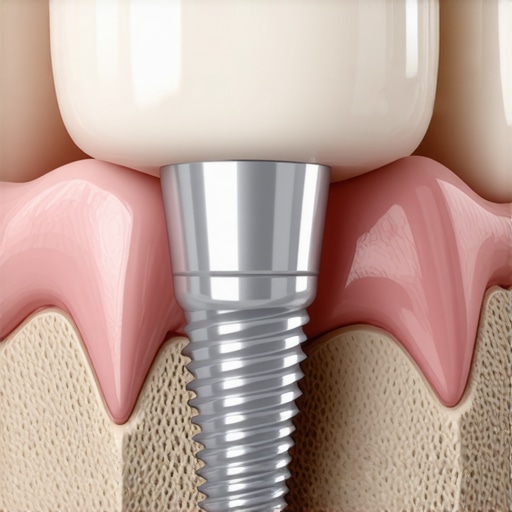
The Step-by-Step Reality of Placing an Implant
The process itself is surprisingly surgical but efficient. Think of the implant as a tiny, titanium screw that acts as a bionic root. Once it’s placed into the bone, your body does something amazing: it grows bone cells right onto the surface of the titanium. This is a process called osseointegration, and it typically takes a few months to fully solidify. During this waiting period, your healthy teeth on either side remain completely untouched. No grinding, no filing, and no permanent damage to your enamel. You might wear a temporary crown during this time, but the structural heavy lifting is happening beneath the surface.
Manage Your Nerves Without the Fog
I remember a patient named Sarah who was so paralyzed by the thought of the ‘drill’ that she almost opted for a partial denture that she knew she would hate. She didn’t want to be ‘knocked out’ by heavy sedation but needed something to take the edge off. We worked on a breathing protocol and used guided meditation to lower her heart rate during the procedure. By focusing on her breath rather than the sounds of the office, she got through the placement in less than forty minutes. You can often manage your dental anxiety without heavy drugs if you have the right mental tools and a team that listens to your concerns.
Protect Your New Smile for the Long Haul
Once the custom-made crown is attached to your implant, the job isn’t over. You have to defend that area from bacteria just like a natural tooth. Because the implant is a standalone unit, you can floss it normally, which is a huge advantage over bridges that require ‘threaders’ to clean underneath. I often recommend stepping up your home care game; for example, the benefits of using a water flosser are massive for implant patients because the pressurized water reaches the tiny crevices where the crown meets the gum line. If you are teaching your kids good habits early on, these family dentistry tips make oral care effortless for the whole household. By maintaining oral health with expert advice, you ensure that this implant remains a permanent fixture of your smile for decades.
Most of my patients think a professional cleaning is just about getting that ‘squeaky clean’ feeling for a few days. But here’s the contrarian truth: the cleaning itself is almost secondary to the diagnostic data we gather during that hour. In my experience, families who view these visits as purely cosmetic are the ones who end up with surprise root canals later. According to a landmark study published in the Journal of the American Dental Association, there is a direct correlation between the frequency of professional cleanings and a reduction in the risk of systemic inflammatory diseases. So, when we talk about how regular dental cleanings can save you money in the long run, we aren’t just talking about avoiding the cost of a filling; we’re talking about your total physical well-being.
Stop Scrubbing Away Your Enamel by Mistake
Now, let’s talk about the biggest ‘oops’ factor I see every single week. Imagine you finish a healthy breakfast of grapefruit or a fresh green smoothie and immediately head to the bathroom to brush. You think you’re being a dental superstar, right? Actually, you are doing more harm than good. You are scrubbing acid directly into your softened enamel. This is why we recommend waiting thirty minutes to brush after eating fruit or anything acidic. Brushing too soon is like using sandpaper on a wet surface. You’re literally wearing down the very barrier you’re trying to protect.

Why does my jaw feel like it went ten rounds after a simple cleaning?
It’s a sophisticated question that often catches people off guard. If you’ve ever wondered why your jaw is sore after a long dental cleaning, it’s usually not the hygienist’s fault. It’s often a hidden sign of underlying bruxism (teeth grinding) or a slightly misaligned bite that only reveals itself when you hold your mouth open for an extended period. It’s these nuances—the ‘hidden’ signals your body sends—that separate basic family dentistry from true dental mastery. Have you ever fallen into this trap or felt that post-cleaning ache? Let me know in the comments.
The White Smile Illusion
Another common mistake is the obsession with ‘blinding white’ teeth. We’ve been conditioned by social media to think white always equals healthy, but the truth about whitening toothpaste is that many over-the-counter options are simply highly abrasive pastes that thin your enamel to reveal a ‘whiter’ but more vulnerable layer underneath. If you want a real, healthy change, you have to understand the science behind teeth whitening to ensure you aren’t trading permanent sensitivity for temporary aesthetics. When we look at oral health myths debunked, we see that the strongest teeth often have a natural, slightly off-white hue because of the thickness of the dentin beneath. Your goal shouldn’t be to look like a filtered photo; it should be to maintain a functional, resilient smile that lasts a lifetime.
Ditch the Manual Brush for Good
I get asked all the time if a fancy electric toothbrush is really worth the investment or if it is just a marketing gimmick. After twenty years in this field, I can tell you it is the single most important tool in my own bathroom. I personally use a brush with a built-in pressure sensor—not because I don’t know how to brush, but because even experts get distracted. If you press too hard, the brush should let you know immediately. This protects your gums from recession and prevents you from wearing down your enamel. According to a comprehensive review by the Cochrane Library, electric toothbrushes provide a 21% reduction in plaque compared to manual brushes over a three-month period. When you are trying to maintain oral health with expert advice, the quality of your tools dictates the quality of your results. If you are struggling to get your kids to brush for the full two minutes, these high-tech brushes often come with apps that turn the chore into a game, which is one of the best family dentistry tips I can offer.
How do I maintain my dental work over time?
Whether you have a single filling or a full set of porcelain, the secret is consistent, non-abrasive care. If you have invested in a new look, you need to know how to maintain your porcelain veneers so they last. Avoid using "charcoal" or "whitening" pastes on restorations, as they can create microscopic scratches that actually catch stains faster. Instead, focus on high-frequency cleaning. I recommend a water flosser for anyone with dental work because it flushes out debris from areas a string simply cannot reach. This is especially true for preventing issues like gum disease, and how regular teeth cleaning can prevent major dental issues cannot be overstated. You want to be the patient who comes in for a checkup and hears ‘everything looks perfect’ rather than ‘we need to replace this crown.’
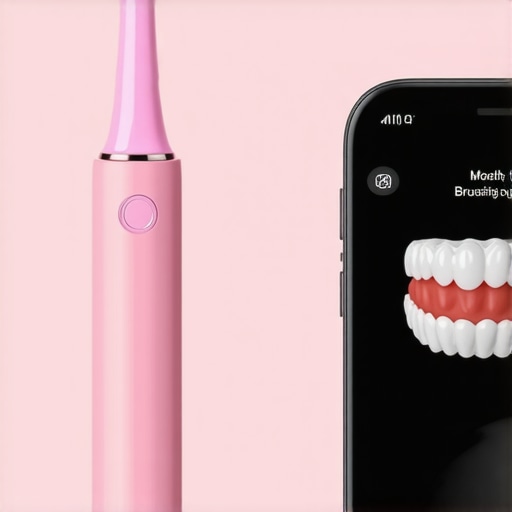
AI and Bioactive Glass Are the Future of Your Smile
We are entering an era where your toothbrush might be smarter than your phone. I predict that within the next five years, AI-guided home care will become the gold standard. We are already seeing cosmetic dentistry innovations that use digital mapping to track your brushing habits in real-time. Beyond the gadgets, we are looking at the rise of bioactive glass in toothpastes—materials that don’t just clean but actually help remineralize the early stages of decay before they become cavities. It’s a shift from ‘drilling and filling’ to ‘healing and sealing.’ This is the kind of forward-thinking care that helps in building a foundation of healthy smiles for all ages. My advice? Don’t wait for a toothache to act. Try swapping your traditional floss for a high-quality water flosser for just two weeks. You’ll notice the difference in your gum health before your next appointment, and your hygienist certainly will too.
What I Learned After Saving Thousands of Damaged Smiles
In my two decades of practice, I’ve had several lightbulb moments that changed how I approach patient care. First and foremost, I’ve learned that pain is a terrible diagnostic tool for the patient; if a tooth hurts, the problem is often already advanced. I always tell my friends that the most expensive dental work is the work you delayed. Secondly, I’ve seen that the integrity of your natural teeth is your most valuable asset. Once you grind down a tooth for a bridge, you can never get that healthy enamel back. It’s why I’m such a staunch advocate for implants—they are the only way to truly respect your biology. Lastly, I’ve realized that successful long-term care isn’t about what happens in my office twice a year, but what you do in your bathroom every single night. If you follow these top 5 secrets to maintaining perfect oral health as a family, you are already ahead of 90% of the population.
The Essential Arsenal for Your Bathroom Counter
I don’t believe in cluttering your vanity with gadgets, but there are three things I personally trust for my own family. I always recommend a pressure-sensitive electric toothbrush because even I catch myself scrubbing too hard when I’m tired. Next, a high-quality water flosser is non-negotiable, especially if you have existing crowns or implants. It reaches the pockets that string simply ignores. Finally, I suggest staying informed by checking out oral health myths busted to ensure you aren’t falling for viral ‘hacks’ that actually erode your enamel. I trust these tools because they are backed by the same clinical data we use to design our treatment plans.
#IMAGE_PLACEHOLDER_E#
It Is Never Too Late to Protect Your Natural Teeth
Whether you are currently missing a tooth or just trying to keep the ones you have, remember that your mouth is a dynamic, living system. You don’t have to settle for the old-school ‘grind and bridge’ method anymore. By focusing on maintaining oral health with expert advice and choosing restorations that stand on their own, you are investing in a future where you can smile, eat, and speak without a second thought. If you’re ready to stop the cycle of ‘patchwork’ dentistry and want a plan that actually preserves your natural smile, please feel free to contact us. We’re here to help you navigate these choices with confidence and clarity.
Have you ever been told you needed to shave down healthy teeth for a bridge and felt like there had to be a better way? Let me know your story in the comments below!