
I was bent over tying my daughter’s sneakers when it hit me—a rhythmic, heavy throb that felt like my upper molars were trying to escape through my jawbone. I stood up, and the pain vanished. I leaned down to grab my keys? Boom. It felt like a tiny construction crew was jackhammering my gums. My first thought was sheer panic. I have always been diligent about my teeth cleaning techniques, so I could not understand why a sudden, localized cavity would be this aggressive. But here is the kicker: it was not a cavity at all, and I was about to learn a very expensive lesson in anatomy the hard way.
The Mystery of the Gravity-Induced Toothache
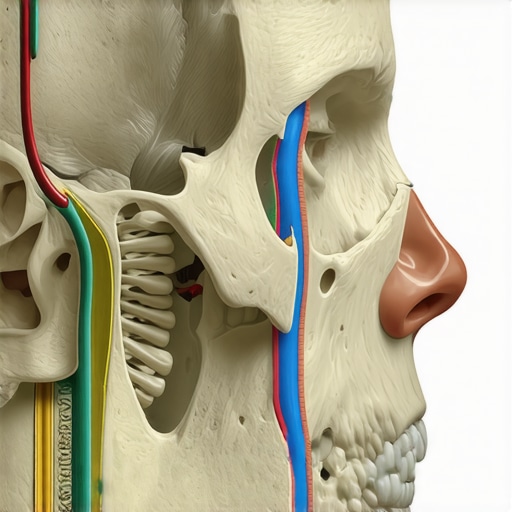
Most people assume that if a tooth hurts, the problem must be buried deep inside the enamel. I made that exact mistake early on, rushing into an emergency appointment and nearly begging for a root canal, only to find out my teeth were perfectly healthy. The real culprit is often the maxillary sinuses, which sit right on top of your tooth roots like a heavy, fluid-filled blanket. When you bend over, fluid pressure shifts forward, pressing directly onto those sensitive dental nerves. Today, we are going to figure out how to tell if you are dealing with a simple case of sinus pressure or if it is time to look into cosmetic dentistry in 2025 to fix structural damage. [IMAGE: A person leaning forward to garden, looking surprised and touching their cheek in pain.]
Is this really worth a trip to the dentist?
I get it. You are worried about the cost, the time, and the potential for a scary diagnosis. You might be thinking, ‘Can I just wait this out with some ibuprofen?’ While I am a huge fan of preventive tips for long-lasting dental health, ignoring a throbbing sensation can be risky if you do not know what you are looking for. According to the Mayo Clinic, chronic sinusitis can mimic dental pain so effectively that patients have actually had healthy teeth extracted by mistake. We want to avoid that at all costs. Have you ever felt that weird, heavy ‘heartbeat’ feeling in your face when you are just trying to pick up the laundry? It is a bizarre sensation, and I want to hear if you have managed to find relief on your own or if you are still searching for answers. Knowing the signs you have a sinus infection rather than a toothache is the first step toward getting your life back without unnecessary drills.
Try the ‘jump test’ to locate the source
If you want to know if it is your teeth or your sinuses, try the ‘Jump Test.’ Stand on your tiptoes and drop hard onto your heels. If a specific tooth feels like it is being hammered into your jaw, it is likely dental. But if your whole cheekbone vibrates, it is almost certainly sinus pressure. I remember doing this in my kitchen while my toddler watched, confused. Every time I hit the floor, my upper right side ‘echoed.’ It was not a sharp sting like a cavity; it was a dull, heavy resonance that traveled across my face. This is one of the classic signs you have a sinus infection rather than a toothache. When you drop your weight, the fluid in your maxillary sinuses sloshes against the nerves, creating a systemic throb rather than a localized zap.
Why your teeth hurt when you run or jump
Think of your mouth like a crowded apartment building. Your teeth are the ground-floor tenants, and your sinuses are the penthouse. When the penthouse floods due to allergies or a cold, the water leaks through the ceiling and messes with the electrical wiring of the floor below—the dental nerves. This is exactly why your teeth hurt when you run or jump or bend over to tie your shoes. The physical movement shifts the ‘floodwater’ (sinus fluid), putting immediate pressure on the roots of your upper molars. During my own bout with this, I found that even walking down a flight of stairs sent a pulse through my mouth that felt identical to a deep cavity.
Look for the night-time throb pattern
Next, pay attention to the clock. Does the pain vanish when you are distracted at work but roar to life the second you lay down to sleep? I have spent many nights wondering why your tooth feels fine during the day but throbs at night. Typically, blood flow and fluid distribution change when you move to a horizontal position, which can ramp up the pressure inside those sinus cavities. If the pain stays consistent regardless of your head position or if you can pinpoint it to one single tooth with your tongue, that is when I start worrying about the need for how regular teeth cleaning can prevent major dental issues like abscesses from taking root.
Check your gums for visual clues
Go to the bathroom, grab a flashlight, and pull back your lip. Look at the gums around the tooth that is bothering you. If the tissue is pale, firm, and healthy-looking, but the tooth still ‘pulses’ when you lean forward, your teeth are likely just innocent bystanders. However, if you see a small red bump or localized swelling, you might be dealing with the difference between a dental abscess and a gum boil. When I was dealing with my own ‘fake’ toothache, my gums were perfectly pink. It was my cheek that felt heavy and tender to the touch, a clear indicator that the problem was ‘above’ the dental line. If you are unsure, following preventive tips for long-lasting dental health for families means scheduling a quick X-ray to see if the roots are actually compromised or if you just need a decongestant.
It is a common misconception that ‘squeaky clean’ teeth require forceful physical exertion. In my experience, patients who are the most diligent about ‘scrubbing’ often end up with the most structural damage. This is a classic ‘oops’ factor: you think you are preventing a problem, but you are actually creating a need for cosmetic dentistry trends that transform your smile this year to repair receded gums and worn enamel. A study in the Journal of Clinical Periodontology confirms that excessive brushing force is directly correlated with cervical wear and gingival recession, proving that ‘more’ isn’t always ‘better’ when it comes to hygiene. If you are using a hard-bristled brush, you are essentially sanding down your protection every morning.
Stop scrubbing your enamel away
Many people assume that if their gums are bleeding or their teeth feel sensitive, they need to brush harder to ‘get the bacteria out.’ This is a dangerous trap. When you apply too much pressure, you are stripping away the pellicle—a thin, protective film of proteins—which actually helps defend against acid. Instead of brute force, focusing on proper teeth cleaning techniques like the Bass method (aiming bristles at a 45-degree angle toward the gum line) is far more effective. I have seen patients transform their oral health simply by switching to an electric brush with a pressure sensor that flashes red when they push too hard.
Avoid the post-breakfast brushing trap
Here is a nuance that even the most health-conscious people miss: brushing immediately after eating. If you have just had a bowl of fruit or a glass of orange juice, your enamel is temporarily softened by the acid. If you brush right away, you are literally brushing the enamel off your teeth while it is in its most vulnerable state. This is why we recommend waiting thirty minutes to brush after eating fruit or any acidic meal. It gives your saliva enough time to remineralize the surface. Ignoring this small detail can lead to chronic sensitivity that feels remarkably like the sinus-induced toothache we discussed earlier.
Why does my tooth hurt even when the X-ray looks perfect?
Sometimes, the mystery isn’t about cavities or sinuses at all—it is about how your teeth meet. If your bite is even a fraction of a millimeter off, every time you chew, you are ‘bruising’ the periodontal ligament that holds your tooth in place. This ligament is packed with nerves. When it gets inflamed from ‘occlusal trauma’ (a bad bite), it creates a rhythmic, throbbing pain that can drive you crazy. This is why oral health myths debunked what you need to know in 2025 often focus on the mechanics of the jaw. A simple ‘bite adjustment’ at the dentist can often fix a ‘toothache’ that months of sinus medication couldn’t touch.
The viral whitening trap you should skip
We all want a brighter smile, but I cannot stress enough how dangerous some DIY trends are. I’ve seen a rise in patients using undiluted household products to bleach their teeth at home. Before you try a ‘hack’ from social media, you must understand the truth about using hydrogen peroxide as a mouthwash. Without the proper concentration and application, you can cause irreversible damage to your oral microbiome and chemical burns on your gums. When we look at family dentistry building a foundation of healthy smiles for all ages, the goal is long-term stability, not a quick fix that leaves your teeth porous and prone to staining. Have you ever fallen into this trap of trying a viral dental hack only to regret it later? Let me know in the comments. Your experience might just save someone else a very painful and expensive lesson.
Transitioning from DIY whitening to professional-grade tools is the only way to ensure you aren’t trading a bright smile for permanent sensitivity. My personal ‘holy grail’ for home care is the high-pressure water flosser. While I used to struggle with traditional string—often snapping it between tight molars—discovering the benefits of using a water flosser for patients with gum disease changed everything. It flushes out the bacterial biofilm in the ‘pockets’ that even the best toothbrush cannot reach. I have seen this tool alone reduce gum inflammation in my own mouth within just two weeks of consistent use, making it a staple for anyone serious about top 5 secrets to maintaining perfect oral health as a family.
How do I keep my smile looking this good for a decade?
Maintenance is where most people fall off the wagon. If you have opted for enhancements like bonding or porcelain, you need to know how to maintain your porcelain veneers so they last twenty years. It is not just about brushing; it is about mechanical protection. I wear a custom night guard every single night to prevent ‘bruxing’ or grinding, which is the leading cause of failed dental work. According to a study in the International Journal of Prosthodontics, occlusal forces during sleep can exceed 250 pounds of pressure per square inch, which is more than enough to shatter high-end ceramic if it is unprotected. Following maintaining oral health expert advice for a lifetime of healthy teeth means treating your dental work like a high-performance engine that needs regular tuning.
Look for the light on your toothbrush
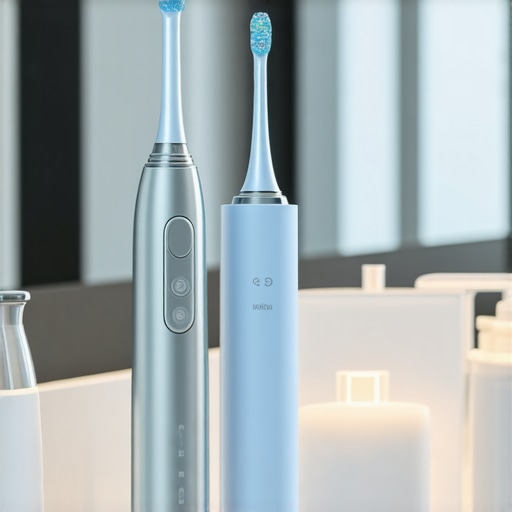
If you take nothing else away from this, invest in a brush with a visible pressure sensor. My current favorite tool flashes a bright red ring the second I apply too much force. This is crucial because, as I mentioned earlier, scrubbing away your protection is the fastest route to needing cosmetic dentistry trends that transform your smile this year. By letting the bristles do the work at a gentle vibration, you preserve the ‘junctional epithelium’—the delicate seal between your tooth and your gum. Mastering these teeth cleaning techniques ensures that your foundation remains rock solid for years to come.
The future of your dental checkup
I predict that by 2030, your bathroom mirror will use AI-integrated cameras to scan your mouth for early signs of demineralization while you brush. We are already seeing ‘smart’ brushes that map your mouth in an app, showing you exactly where you missed. Integrating these family dentistry tips that make oral care effortless and effective into your daily routine is the bridge between reactive care and true prevention. For the ultimate home-care upgrade, I challenge you to use a plaque-disclosing tablet tonight after you brush. It will highlight exactly where you are leaving bacteria behind, giving you a clear roadmap for your next cleaning session.
Secrets I Learned While Chasing a Ghost Toothache
After years of navigating these phantom pains, I realized that my body was often trying to tell me something much simpler than a cavity diagnosis. First, I learned that stress does not just stay in your head; it lives in your jaw. If you find yourself clenching during work, you might need the best way to soothe a sore jaw from teeth grinding before you blame your sinuses. Second, I discovered that your gums are the ultimate early-warning system. If they are slightly tender but the jump test we discussed earlier comes back negative, you might just be fighting a minor cold. Lastly, trust your gut. If a specific tooth feels taller than the others when you bite down, it is almost always a dental issue rather than a sinus one.
My Personal Favorites for Bulletproof Dental Defense
I do not believe in over-complicating things, but these few tools have transformed my routine and saved me thousands in potential repairs. I swear by a high-quality electric toothbrush with a pressure sensor; it is the only way to ensure you are practicing the ultimate guide to teeth cleaning techniques and benefits without causing recession. I also added a stainless steel tongue scraper to my morning habit because why your dentist wants you to use a tongue scraper usually boils down to neutralizing the bacteria that cause morning breath and plaque buildup. Finally, I keep a pack of plaque-disclosing tablets in the drawer for a monthly audit to see where my brushing is falling short.
Build Your Legacy of a Healthy Smile
Taking control of your oral health should not feel like a chore or a source of anxiety. It is about understanding the delicate balance between your anatomy and your habits. Whether you are dealing with seasonal sinus pressure or looking to invest in transform your smile the impact of cosmetic dentistry in 2025, remember that consistency is your most powerful tool. By listening to your body and using the right techniques, you can avoid the expensive lessons I had to learn the hard way. Ultimately, how regular dental cleanings can save you money in the long run is a truth that every healthy family eventually embraces. Have you ever been convinced you had a cavity only to find out it was just your sinuses acting up? Share your story in the comments below!