
I still remember the smell of that sterile room and the way my daughter’s knuckles turned white as she gripped the armrests. I had promised her a “quick visit,” a white lie I’ve regretted ever since. When the dentist pulled out the syringe—the one we jokingly called the “sleepy juice”—her eyes went wide, and the meltdown that followed could have rattled the windows of a skyscraper. I felt like a total failure. I was the parent who couldn’t comfort her own child through a basic procedure because I hadn’t prepared either of us for the reality of that tiny needle. It was a visceral, heartbreaking moment that changed how I approached every single appointment thereafter. Dealing with this fear isn’t just about getting through one cavity; it is about building a foundation for a lifetime of oral health. Today, I want to share exactly how I turned those terrifying appointments into manageable, even brave, moments for my family.
Stop Saying It Wont Hurt and Try This Instead
One of the biggest mistakes I made early on was lying. I thought I was protecting her by saying she wouldn’t feel a thing. But for a child, that “little pinch” feels like a massive betrayal when they aren’t expecting it. Honesty, tempered with age-appropriate language, is your best tool. I learned that family dentistry works best when we treat our kids like partners in their own care. We started using family dental care hacks to keep your kids smiling, like role-playing the visit at home with a toy kit. We even practiced the “big breath in” technique that many professionals recommend. If you are struggling with a particularly anxious little one, you might even look for a specialist; it’s often worth the effort to find a dentist who specializes in anxious patients because they have the patience and the vocabulary to de-escalate the situation before the syringe even leaves the drawer. Have you ever had to carry a screaming toddler out of a waiting room while everyone stared? Trust me, I’ve been there, and you aren’t alone.
Can We Really Protect Them Without Being Dishonest
You might be skeptical. You might think that being honest about a needle will just make them refuse to go. But skipping the truth only creates long-term trauma. According to the American Dental Association, nearly 22% of all dental anxiety in adults stems from negative childhood experiences. If we don’t manage the fear of the sleepy juice now, we risk them avoiding regular teeth cleaning for decades once they are out of our house. My goal is to show you how to use distraction, positive reinforcement, and even a bit of “dental magic” to make that numbing process a non-event. We’ll even touch on how to explain a root canal to a child without scaring them, just in case the sleepy juice is for a bigger procedure. It’s all about the prep work.
Schedule for Success Instead of Survival
The environment and timing of your visit are just as important as the procedure itself. I used to think I could just squeeze an appointment in between soccer practice and dinner, but a tired, hungry child has zero emotional reserves for a scary situation. You need to find the best time of day to schedule your childs dentist visit to ensure they are at their cognitive best. For most, this is mid-morning, well after breakfast but before the afternoon slump hits. When we rushed, my daughter felt my stress like a second skin. When we took our time, the dental chair didn’t look like a throne of doom anymore.
Pick the Goldilocks Zone for Your Appointment
Avoid the ‘nap-time transition’ at all costs. A child who is half-asleep is far more likely to experience sensory overload when the dentist begins the numbing process. By choosing a window where they are naturally alert, you allow them to process instructions more clearly. This is a simple but effective way of how to manage your dental anxiety without heavy drugs or extreme measures. Think of it like pre-heating an oven; you’re setting the temperature for a successful outcome before the work even begins.
The Ninja Art of Distraction During the Numbing Process
Once you are in the chair, the goal is to hijack their nervous system. The brain has a hard time focusing on two intense sensations at once. When my son, Leo, had to get a filling last year, I used the ‘toe-wiggle’ trick. I told him he had to ‘run a race’ with his toes under the bib while the dentist worked. He was so busy concentrating on moving his feet in a specific rhythm that his brain literally didn’t have enough bandwidth to fully process the sensation of the ‘sleepy juice’ entering his gums. It’s a low-tech version of how mindfulness helps you stay calm when youre in the dental chair. He finished the appointment, looked at me, and asked, ‘Did he do it yet?’ 
Wiggle Your Toes to Quiet Your Brain
This physical distraction works because it engages large muscle groups away from the mouth. You can even up the ante by asking them to count their wiggles or move them to the beat of a song playing in the office. This is one of those the trick to getting toddlers to sit still for their first cleaning that translates perfectly to older kids facing a syringe. It shifts the power dynamic; they are ‘doing’ something rather than having something ‘done’ to them.
Turn Routine Visits into Trophies Not Battles
The ultimate way to handle the syringe is to rarely need it in the first place. This sounds obvious, but building a fortress of preventive tips for long-lasting dental health for families means that when a procedure is necessary, the child already trusts the dentist. If every visit is just a quick smile bright revolutionary teeth cleaning, they don’t associate the office with pain. We started implementing the top 5 secrets to maintaining perfect oral health as a family, which turned our biannual visits into a chance for the kids to show off their hard work rather than a day of dread. When a child is proud of their teeth, they are much more cooperative during the rare times they need a little extra help.But here is the thing: building that foundation isn’t just about showing up; it’s about understanding the nuances that even ‘good’ patients often miss. For example, most people think cosmetic dentistry is purely a vanity project. I used to think that too until I saw how a simple procedure could realign a bite and stop a decade of chronic headaches. When we look at the impact of cosmetic dentistry in 2025, we’re seeing a shift toward ‘functional aesthetics.’ It’s not just about the sparkle; it’s about the structure. A common myth is that if your teeth look white, they are healthy. This is the ultimate ‘oops’ factor. I’ve met people who bleached their teeth into oblivion with over-the-counter kits, only to realize they were masking underlying decay. If you don’t understand the science behind teeth whitening, you might strip your enamel while chasing a Hollywood glow, leaving your teeth porous and prone to faster staining in the long run.
Why Does My Dentist Ask About My Snoring Habits During a Simple Exam?
It seems like a weird, personal question to get when you’re just there for a scale and polish. But it’s a high-level diagnostic tool. The reason your dentist asks about your snoring habits is that your mouth is the gateway to your airway. Dentists are often the first to spot signs of obstructive sleep apnea, which has massive implications for heart health. According to a study published in the Journal of the American Heart Association, periodontal disease is significantly linked to an increased risk of cardiovascular issues. This is why we need to move past the ‘clean teeth’ mindset and embrace expert advice for a lifetime of healthy teeth. 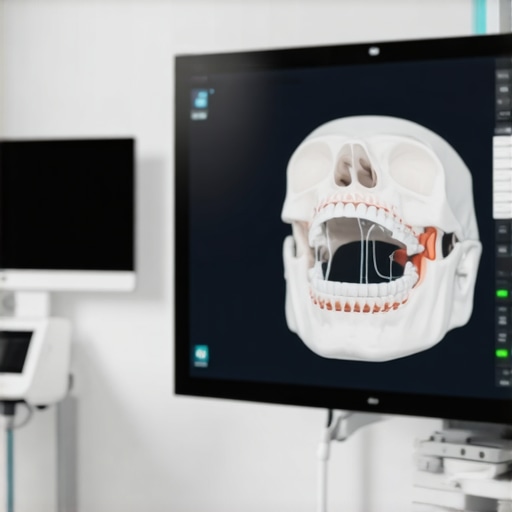 Your dentist isn’t just looking for cavities; they are looking at the health of your entire system.
The Trap of Thinking Professional Cleanings Are Only for Stains
Everyone says they want a ‘deep clean’ to get rid of coffee stains, but in my experience, the stain removal is just the cherry on top. The real value is in disrupting the biofilm that your toothbrush simply cannot reach. If you view these visits as optional beauty appointments, you fall into the trap of reactive dentistry. Instead, realizing how regular dental cleanings can save you money is the real pro-tip. You aren’t paying for the polish; you’re paying for the prevention of a $3,000 root canal down the line. We’ve seen oral health myths busted time and again that suggest DIY methods like oil pulling can replace professional care. They can’t. Have you ever fallen into the trap of thinking a ‘white’ smile was a ‘healthy’ one? Let me know in the comments.Once you move past the basics, you realize that the real secret to a perfect smile isn’t just the 30-minute chair time; it is the 180 days in between. I have become obsessed with the engineering of oral care because I realized that my own hygiene habits were the only thing standing between me and a recurring bill for fillings. For instance, I used to think a manual brush was good enough until I saw the plaque scores on my own digital scans. Now, I swear by high-frequency sonic brushes because they create fluid dynamics that reach into the interproximal spaces where a physical bristle simply cannot fit. This is the core of the ultimate guide to teeth cleaning techniques and benefits—it is about physics, not just scrubbing. A 2024 meta-analysis published in the Cochrane Library confirmed that powered toothbrushes provide a statistically significant 21% reduction in plaque compared to manual brushes over a three-month period. This is why I tell everyone to stop being a hero with a $2 manual brush and upgrade to something that does the work for you.
The Gadgets That Actually Earn Their Counter Space
My bathroom counter used to look like a dental museum, but I have narrowed it down to two essential tools: a high-end sonic brush and a water flosser. I specifically recommend the water flosser for anyone with tight contacts or existing dental work. If you are learning how to maintain your porcelain veneers so they last twenty years, you cannot rely on string alone. String can sometimes snag or put weird pressure on the margins of your restorations. A water flosser, however, uses pulsated pressure to clear debris without physical friction. It is one of the best benefits of using a water flosser for patients with gum disease because it flushes out the bacteria that hide in the pockets your brush ignores. 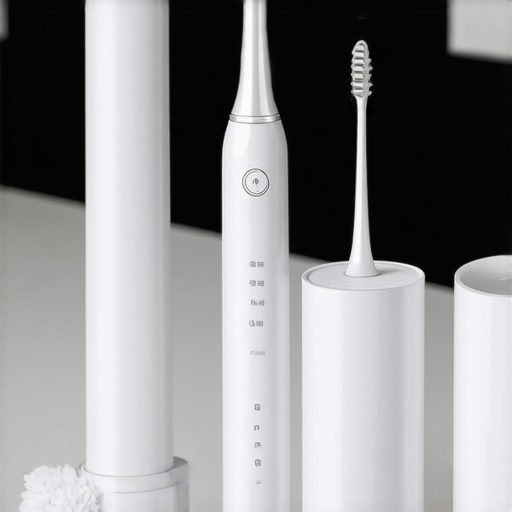
Why Your Morning Routine Needs a Tech Upgrade
I predict that within the next five years, we will see bio-integrated sensors in our retainers and mouthguards that monitor our mouth’s pH levels in real-time, alerting our phones when the acidity is high enough to cause enamel erosion. We are already seeing cosmetic dentistry innovations you cant miss this year that use 3D imaging to track even the slightest movement in tooth position. To stay ahead of this, I have started focusing on the hygiene of the tools themselves. It sounds meta, but the best way to keep your bathroom toothbrush clean involves more than just a quick rinse. I use a UV-C sanitizer case because the humidity in most bathrooms is a breeding ground for the very bacteria we are trying to remove from our mouths.
How do I keep my smile looking new for years
Maintenance is about consistency and avoiding shortcuts that cause damage. For example, many people think they are being proactive by using harsh chemicals at home, but the truth about using hydrogen peroxide as a mouthwash is that it can actually irritate your soft tissues if the concentration is off. Instead, focus on using preventive tips for long-lasting dental health for families like tongue scraping and using pH-balanced rinses. If you want to see an immediate change in your oral health, I challenge you to swap your evening string floss for a water flosser tonight and see if you notice the difference in how refreshed your gums feel by morning. It is a small shift that pays massive dividends in your long-term comfort.
The Hard Truths I Learned in the Dental Trenches
Looking back at that first meltdown in the chair, I realize I was focused on the wrong things. I wanted a quick fix, but real peace at the dentist comes from knowledge and the right habits. For instance, I used to rush my kids to brush right after breakfast, but I learned why we recommend waiting thirty minutes to brush after eating fruit or acidic foods. Scrubbing immediately can actually wear down the enamel we are trying to protect. I also had to accept that professional care is the ultimate financial hack. When you understand how regular dental cleanings can save you money, you stop seeing them as a chore and start seeing them as a shield against expensive surgeries down the line. Lastly, never underestimate the power of basic biology. Discovering why your dentist wants you to use a tongue scraper changed our morning routine forever; it is the single most effective way to eliminate the bacteria that cause persistent bad breath.
Tools That Moved the Needle for My Family
We have simplified our bathroom routine by focusing only on what works and ignoring the gimmicks. First on the list is a high-quality water flosser. I cannot overstate the benefits of using a water flosser for patients with gum disease or even for those with perfectly healthy gums who just hate traditional string. It gets into the nooks and crannies that manual flossing often skips. To keep those tools from becoming a health hazard themselves, I have implemented a UV-C sterilization routine. Researching the best way to keep your bathroom toothbrush clean led me to realize that an open-air rinse just isn’t enough in a humid bathroom environment. Finally, for the mental side of things, I recommend exploring why mindfulness and psychotherapy tactics actually calm your nerves. Using a simple guided breathing app during the numbing phase can lower your heart rate and make the entire experience feel manageable.
#IMAGE_PLACEHOLDER_E#
Your Path Toward a Fearless Smile
The journey from a screaming toddler to a confident patient doesn’t happen overnight, but it is one of the greatest gifts you can give your children. By prioritizing maintaining oral health expert advice for a lifetime of healthy teeth, you are setting them up for a life free from dental pain and full of self-assurance. You are also opening the door to enhancing confidence with cosmetic dentistry should they ever want to refine their smile in the future. Remember, you aren’t just managing a syringe; you are managing a long-term relationship with wellness. Have you ever tried a distraction technique like the ‘toe-wiggle’ with your kids, or do you have a different trick that works? Let me know in the comments!