
I still remember the first time I decided to play “chemist” in my own bathroom. I’d seen a viral video claiming that a simple 99-cent bottle of hydrogen peroxide was the secret to a Hollywood smile. I was sold. No more expensive strips or fancy gels for me. I took a big swig, swished it around, and felt that satisfying, bubbling fizz. I thought the tingling meant it was working its magic. But about three days later, I woke up with gums so sensitive that even lukewarm coffee felt like liquid fire. My DIY whitening dream had turned into a literal headache, and I realized I had no idea what I was actually doing to my mouth’s delicate ecosystem. My gums felt like I had scrubbed them with sandpaper, and I was terrified I’d done permanent damage.
Why I Stopped Using Straight Peroxide Every Morning
We all want that bright, clean feeling, but there is a massive difference between a controlled clinical treatment and pouring household chemicals into your mouth. When I made my big mistake, I didn’t realize that hydrogen peroxide is a powerful oxidizer. Used correctly, it’s a tool; used incorrectly, it’s an irritant. Many people turn to it because they think regular dental cleanings are the only other option, but the truth is about balance. I wasn’t just whitening my teeth; I was stripping away the protective layers of my gums. I used the 3% solution straight from the brown bottle, which is far too aggressive for a daily rinse. Most experts suggest a concentration closer to 1% if you are going to use it at all. If you’ve been searching for oral health myths debunked lately, this is the big one you need to pay attention to in 2025.
Is hydrogen peroxide actually worth the risk for your smile?
It’s the question that kept me up at night after my gums turned bright red. According to the American Dental Association, while hydrogen peroxide is a common ingredient in many whitening products, using it in high concentrations or too frequently can lead to significant enamel erosion and tissue damage. It’s not just about the “sting” being “good.” That sting is often your body’s way of saying, “Hey, stop it!” I eventually learned that gentle teeth cleaning best practices for sensitive gums are way more effective than any “hack” you find on social media. I had to go back to basics and heal my mouth before I could even think about cosmetic improvements. If I had known teeth cleaning secrets back then, I would have avoided a very painful week. Today, we’re going to look at the hard facts. We’ll talk about the right way to use this stuff, why the concentration matters more than the fizz, and how to avoid the syndrome I experienced. Have you ever tried a “natural” dental hack that ended up backfiring on you? I’d love to hear your stories—we’ve all been there! Before you take another swig from that bottle, let’s dive into what actually happens to your enamel when you swish.
Dilute the Solution to Save Your Gums
To avoid the “mouth on fire” sensation I described earlier, you must lower the concentration of the peroxide. The standard brown bottle from the pharmacy is usually a 3% solution, which is perfect for disinfecting a scrape on your knee but far too aggressive for the delicate tissues in your mouth. Think of it like using pure bleach versus a diluted cleaning spray; one gets the job done, while the other destroys the surface. I eventually learned to mix one part peroxide with two parts water. This brings the concentration down to roughly 1%, which is the safety threshold for oral use. If you are trying to figure out how to whiten your teeth if you have naturally thin enamel, this dilution step isn’t just a suggestion—it’s a requirement to prevent permanent damage. I remember the first time I tried this lower dose; I was skeptical because the “fizz” was much quieter, but my gums didn’t turn white or throb afterward. It was a slow, safe improvement rather than a chemical burn.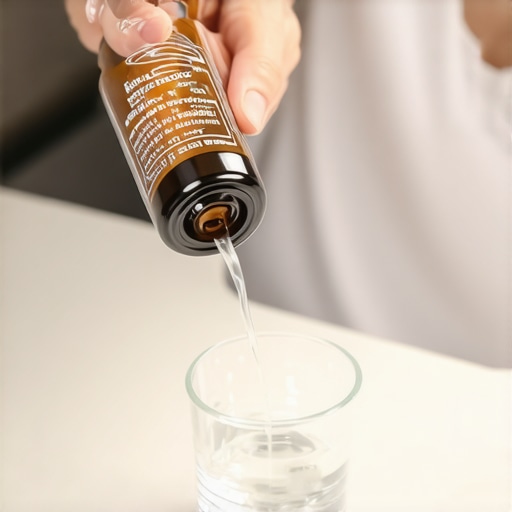
Master the Targeted Swab Technique
Instead of a full-mouth rinse, I moved to using a cotton swab. This is like using a precision brush instead of a bucket of paint. I would dip the swab into my 1% mixture and rub it only on the visible surfaces of the teeth that needed it, avoiding the gum line entirely. This is one of those teeth cleaning secrets that helps you target specific stains without the collateral damage to your soft tissue. When I first tried this, I focused specifically on my lower canines, which always seemed a shade darker. By keeping the peroxide off my gums, I avoided the sensitivity that usually ruined my week. If you’ve ever wondered why your teeth look yellow even though you brush twice daily, it’s often because deep-set stains require this kind of focused oxygenation to break down.
Wait Thirty Minutes Before Brushing
One of the biggest mistakes I made during my “DIY chemist” phase was brushing immediately after my peroxide rinse. Peroxide softens the enamel temporarily as it releases oxygen to lift stains. If you scrub with a toothbrush right away, you are essentially sandpapering your weakened enamel. I learned the hard way to wait at least thirty minutes for my saliva to naturally remineralize the tooth surface. This principle is very similar to why we recommend waiting thirty minutes to brush after eating fruit. Giving your mouth that recovery period is vital for maintaining oral health over a lifetime.
Listen to the Lightning Bolt Warning
If you feel a sharp, sudden zing—what I call the “lightning bolt”—stop the treatment immediately. That sensation is a signal that the peroxide has reached the dentin or is irritating a nerve through a microscopic crack. I used to push through it, thinking the pain meant it was working, but I was actually causing deep-seated inflammation. If you already struggle with significant sensitivity, you should prioritize gentle teeth cleaning best practices for sensitive gums before attempting any home whitening. While it is possible to learn how to clean coffee stains off your teeth without professional help, the most important skill is knowing when your teeth have had enough.
Stop Obsessing Over the “Snow White” Ideal
Everyone tells you that a sparkling white smile is the ultimate sign of health, but in my experience, chasing that “refrigerator white” look often leads to the exact opposite of a healthy mouth. One of the biggest oral health myths debunked lately is the idea that natural teeth should look like pure white porcelain. In reality, the layer directly under your enamel—the dentin—is naturally yellowish. When you over-whiten with DIY hacks or even over-prescribed clinical gels, you thin out the enamel to the point where that yellowish dentin or even the dark shadows of your oral cavity start to show through. This creates an optical illusion where your teeth actually look gray, blue, or dull. If you have noticed why your front teeth feel thin or see-through at the edges, you have likely crossed the line from cosmetic improvement into structural damage. 
Can aggressive cleaning actually cause more harm than good?
It is a question many sophisticated patients ask when they start feeling chronic sensitivity. While we often focus on the front-facing aesthetics, the real battle for maintaining oral health happens at the microscopic level of the biofilm. A common trap is thinking that “squeaky clean” means you have won. If your teeth feel too smooth immediately after an aggressive home treatment, you might have actually stripped away the pellicle, a thin protein film that naturally protects your enamel from acid. A study published in the Journal of Dentistry (2023) highlighted that excessive peroxide exposure can decrease the microhardness of enamel by up to 25%, making it more susceptible to the very stains you are trying to remove. This is a primary reason why the reason your teeth look yellow even though you brush twice daily is often related to enamel erosion rather than poor hygiene.
Avoid the Over-Polishing Trap
In my years of exploring cosmetic dentistry trends that transform your smile, I have seen a rise in patients using abrasive charcoals or high-concentration peroxides that act like liquid sandpaper. They think they are being thorough, but they are actually inviting long-term trouble. For families, this is even more critical; using these adult-strength “hacks” on children can be disastrous. I always recommend following preventive tips for long-lasting dental health for families rather than reaching for the latest viral whitening product. If you find yourself needing to learn how to manage tooth sensitivity after a professional scale and polish, it is a sign that your oral barrier is compromised. True expertise in oral care is not about how much peroxide you can handle, but how well you can preserve the natural architecture of your smile. Have you ever fallen into this trap of over-whitening or scrubbing too hard? Let me know in the comments—I would love to hear how you handled the sensitivity!After my peroxide disaster, I had to completely rethink my toolkit. I realized that the best tools aren’t the ones that hurt; they are the ones that provide consistent, microscopic cleaning without the trauma. For me, that meant finally investing in a high-quality electric toothbrush with a real-time pressure sensor. I used to think I had a ‘light touch,’ but the red light on my brush told a different story. If you’re still using a manual brush, you might want to look into how to choose the right toothbrush bristle strength for your gums, because excessive force is the fastest way to recession. I also swapped my standard floss for a water flosser. It is a game-changer for reaching back molars where physical floss often misses. I have found the benefits of using a water flosser for patients with gum disease are equally applicable to anyone trying to keep their cosmetic work looking pristine. Dr. Gordon Christensen, a leading voice in clinical dentistry through the Clinicians Report, has often emphasized that the Relative Dentin Abrasivity (RDA) of your daily paste matters more than the whitening ‘power’ listed on the box. I switched to a paste with an RDA under 70 to ensure I wasn’t slowly grinding away my enamel.
How can you keep that professional sparkle for years?
Maintenance is not about one big session; it is about the cumulative effect of small, smart choices. I have started treating my mouth like a high-end car—you don’t wait for the engine to smoke before you change the oil. Integrating preventive tips for long-lasting dental health for families into your routine makes the process feel effortless. This includes scheduling professional check-ups twice a year. People often skip these to save money, but understanding how regular dental cleanings can save you money in the long-run changed my perspective. By catching a tiny chip or a slight thinning of enamel early, you avoid the massive bills associated with full reconstructions later. 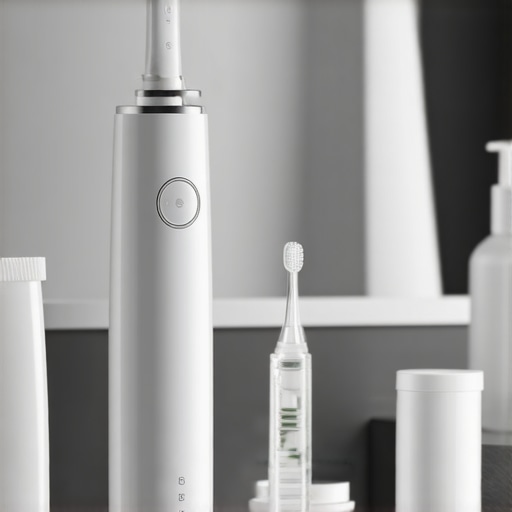 I predict that by 2030, we will not just be ‘cleaning’ our teeth; we will be using smart diagnostic tools in our bathrooms that analyze our saliva for bacterial shifts before a cavity even forms. We are already seeing cosmetic dentistry innovations you can not miss this year that lean heavily into biological preservation. If you want to take your routine to the next level today, I recommend trying a ‘pH challenge.’ Buy some inexpensive saliva pH test strips and check your mouth’s acidity thirty minutes after your morning coffee. If it is still acidic, you are in the danger zone for enamel erosion. Neutralizing that acid with a quick water rinse or a xylitol gum is the most advanced ‘pro’ tip I can give you to stop decay before it starts. Give it a shot this week and see what your mouth is actually telling you!
The Brutal Truth About Bathroom Chemistry and Your Smile
After years of experimenting, I’ve realized that the ‘fizz’ is often a warning, not a win. One of the biggest oral health myths busted by my own painful mistakes was the idea that faster is better. In reality, whitening is a marathon, not a sprint, and your gums are far more fragile than your enamel. Here are the lightbulb moments that changed my perspective:
- Tissue damage is cumulative: You might not feel the burn today, but repetitive exposure to high concentrations of peroxide can cause your gums to recede permanently, exposing sensitive roots.
- Translucency is the enemy: Over-whitening doesn’t just make teeth white; it makes them thin. This creates ‘see-through’ edges that actually make your smile look duller in the long run.
- Professional guidance saves money: A quick consultation on maintaining oral health is significantly cheaper than a gum graft or full-set veneers necessitated by chemical burns.
My Go-To Routine for a Pain-Free Glow
I stopped reaching for the brown bottle and started focusing on these reliable foundations that actually yield results without the hospital bill. First, I invested in a toothbrush with a real-time pressure sensor. Learning how to choose the right toothbrush bristle strength for your gums was a total game-changer for my daily sensitivity levels. Second, I never miss my bi-annual professional check-ups because I’ve seen firsthand how regular dental cleanings can save you money in the long-run by catching erosion before it requires a crown. Finally, I keep pH test strips in my cabinet to ensure my mouth isn’t staying in an acidic ‘danger zone’ after my morning coffee.
Your Journey Toward a Healthier Smile Starts Today
You don’t need to risk your enamel to feel confident in your photos. By swapping out aggressive household chemicals for smart, consistent habits and professional-grade safety, you can achieve a bright look that actually lasts. Protecting your oral health is the best investment you’ll ever make for your future self—it’s about more than just aesthetics; it’s about comfort and longevity. What’s the one ‘natural’ hack you’ve tried that actually worked—or went horribly wrong? Let me know in the comments below!