
I’ll never forget the morning of my sister’s wedding. I was the best man, standing in a small dressing room, trying to give the groom a pep talk. I had brushed, flossed, and even gargled until my throat burned. Yet, as I spoke, I saw him subtly pull back. It hit me like a ton of bricks: my breath was still off. I felt like a total failure in the department of basic hygiene. It wasn’t until I visited my dentist a week later that she handed me a small, U-shaped piece of stainless steel and told me I was missing the most important part of my mouth. [IMAGE_PLACEHOLDER]
The Hidden Carpet of Bacteria You Are Ignoring
We spend so much time worrying about teeth cleaning secrets and finding the right family dentistry tips that we completely forget about the giant muscle sitting right in the middle of our mouths. Your tongue isn’t smooth. It is covered in tiny bumps called papillae, which act like a deep-pile rug for food particles and dead cells. When I first started, I made the classic mistake of just scrubbing my tongue with my toothbrush. All that did was push the bacteria deeper into the grooves. Gross, right? Today, I’m going to help you fix that mistake and show you why this one habit is the missing link in your routine.
Does a scraper really do more than my toothbrush?
I get it. You’re skeptical. I was too. I figured my vibrating toothbrush was high-tech enough to handle anything. But here’s the reality: brushes are designed for hard surfaces like enamel, not soft tissues. A scraper actually lifts the biofilm off the surface. Have you ever noticed that white or yellowish coating on your tongue in the mirror and wondered why it won’t go away? That is exactly what we are tackling today.
Why This Five-Second Habit is a Total Game Changer
It’s not just about avoiding an awkward moment at a wedding. Keeping that tongue clean is vital for maintaining oral health over the long haul. When you leave that film on your tongue, it can lead to major dental issues like persistent gum inflammation. In fact, research from the American Academy of Periodontology indicates that tongue scraping can reduce the bacteria responsible for bad breath and plaque formation by up to 75% more effectively than brushing alone. It is a small win that pays off every time you smile. Have you ever looked at your tongue in the morning and felt like something was just… off?
How to Scrape Your Tongue Without the Gag Reflex
The first time I tried this, I was aggressive. I thought the harder I pressed, the cleaner I’d be. I ended up with a sore tongue and a messy sink. Don’t do that. Instead, think of your tongue like a delicate piece of suede. You wouldn’t use a wire brush on a suede jacket, right? You want to use firm but gentle pressure. Start by sticking your tongue out as far as it will comfortably go. This flattens the surface and makes the papillae easier to reach. If you struggle with a sensitive throat, learning how to manage your gag reflex is actually a secret weapon here—breathe through your nose, not your mouth, as you reach toward the back.
#IMAGE_PLACE_HOLDER_B#
The Technique That Actually Clears the Biofilm
Place the scraper at the very back of your tongue. You don’t need to reach your tonsils; just go as far back as the coating starts. Gently pull the tool forward toward the tip. You’ll see a thick, opaque residue on the scraper. This is the stuff that causes bad breath and contributes to major dental issues if left to rot. Rinse the scraper under warm water after every single pass. I usually do about five to seven strokes until the tool comes away clean. It’s a bit like squeegeeing a window; if you don’t rinse the blade, you’re just moving the dirt around.
My First Attempt Was a Total Disaster
I’ll be honest: my first week was a comedy of errors. I once tried to scrape while I was still half-asleep and accidentally nicked the side of my cheek. It stung for days. I learned quickly that focus is key. I also realized that while I was focusing on my tongue, I was neglecting the best way to keep your bathroom toothbrush clean, which is equally important for hygiene. After about four days of consistent scraping, that metallic morning taste vanished. My coffee actually tasted better because my taste buds weren’t buried under a layer of gunk. If you’ve ever wondered why your teeth look yellow or your mouth feels fuzzy even after brushing, this is often the culprit.
Why the Material of Your Scraper Changes Everything
You can buy plastic ones, but I swear by stainless steel or copper. Plastic is porous and can trap the very bacteria you’re trying to remove. Metal is easy to sterilize and lasts forever. It’s a one-time investment in maintaining oral health for the long term. Just like following gentle teeth cleaning best practices, choosing the right tool prevents unnecessary irritation. If you feel a slight sting, you might be overdoing it or perhaps experiencing why your tongue gets sore after introducing new oral care products. Dial back the pressure and let the tool do the work.
Let’s dig deeper into why simply owning a tongue scraper isn’t enough to master your oral hygiene. Most people assume that the goal of cleaning is to achieve a completely sterile mouth. In my experience, that is actually a dangerous misconception. Your mouth is a complex ecosystem, and trying to ‘kill’ all bacteria is like trying to fix a garden by salting the earth. We need the good bacteria to crowd out the bad. If you are over-scraping or using harsh chemicals to chase a ‘perfectly clean’ feeling, you might be contributing to oral health myths that actually leave you more vulnerable to infections.
Why does my breath still smell even after I’ve scraped my tongue?
This is the question that separates the beginners from the experts. If you have mastered the scrape but still notice an odor, the issue is likely not on the surface but deep within the ‘crypts’ of the tongue or related to the maturity of the biofilm. Why your breath smells bad even after scraping can often be traced back to volatile sulfur compounds being produced in areas the scraper can’t reach, or even chronic issues like post-nasal drip. This is where the ultimate guide to teeth cleaning techniques comes into play—you have to address the underlying oral architecture, not just the surface residue.
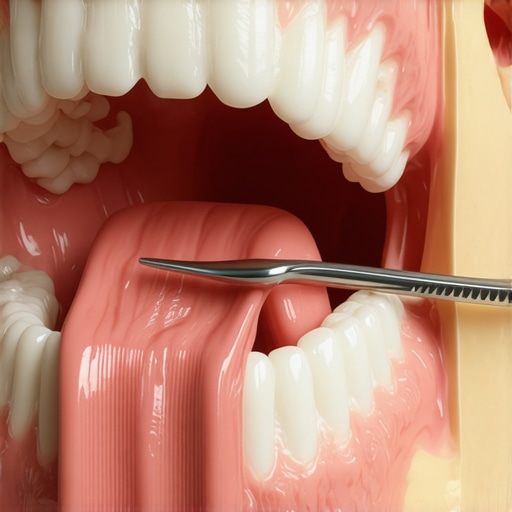
One major ‘oops’ factor I see constantly is the timing of your routine. We are taught to brush and scrape right after eating to get the ‘junk’ out. However, if you’ve just had something acidic—like a morning grapefruit or a cup of coffee—your enamel is actually in a temporary softened state. Brushing or even aggressive scraping immediately can cause microscopic wear. This is why we recommend waiting thirty minutes to brush or scrape after consuming acidic foods. It gives your saliva time to remineralize the surface. A study published in the Journal of Clinical Periodontology confirms that mechanical friction on acid-challenged surfaces significantly accelerates tooth wear and gum recession over time.
The Danger of Prioritizing Aesthetics Over Structural Health
In the world of family dentistry tips, there is a huge push for whitening. But here is the contrarian truth: a blindingly white smile isn’t always a healthy one. Many people fall into the trap of using abrasive whiteners on thin enamel, which leads to permanent sensitivity. Learning how to whiten your teeth if you have naturally thin enamel is a nuanced process that requires building up the tooth’s health first. I’ve seen people spend thousands on cosmetic dentistry trends while neglecting the foundation. Remember, a scraper is a tool for health, not just a way to make your tongue look pink for photos. Have you ever fallen into this trap of over-cleaning or prioritizing looks over health? Let me know in the comments!
The transition from focusing on looks to focusing on function changed everything for me. I eventually swapped my cheap, drug-store plastic scraper for a surgical-grade stainless steel one with a curved, double-handle grip. This wasn’t just about feeling fancy. The rigid structure of metal allows for a precise angle that doesn’t skip or flex across the tongue’s surface, which is essential if you want to be thorough without being aggressive. If you have spent time and money on your smile, perhaps by learning how to maintain your porcelain veneers so they last twenty years, you know that the small details in your tools make the biggest difference in the long run. 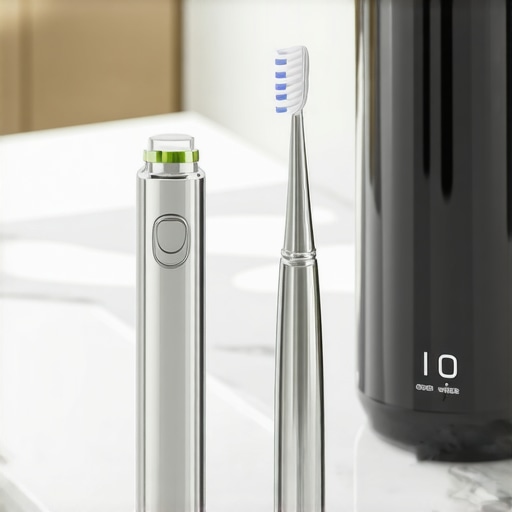
The Case for Surgical Grade Stainless Steel
I personally use a stainless steel scraper because it is non-porous and incredibly easy to sanitize with boiling water. Plastic versions can develop microscopic scratches where bacteria hide, which defeats the entire purpose of the habit. Beyond the scraper, I’ve found that a high-quality water flosser is the perfect partner for this routine. While some see it as a luxury, the benefits of using a water flosser for patients with gum disease or those simply looking to prevent it are undeniable. It flushes out the debris that the scraper loosens from the back of the mouth, ensuring that nothing is left to settle into the gum line. This combination is what I consider the gold standard for maintaining oral health through every stage of life.
How do I keep my oral health results from slipping over time?
Consistency is the only thing that beats biology. To keep this working, you have to treat your oral care like a long-term investment rather than a quick fix. This means updating your toolkit as your needs change. I recommend doing a ‘hygiene audit’ every six months. Check the state of your scraper, verify that you know how to keep your toothbrush clean when you travel, and ensure your family is following the best preventive tips for long-lasting dental health for families. A study published in the Journal of Oral Microbiology highlights that the tongue acts as a primary reservoir for pathogens that can recolonize teeth shortly after a professional cleaning, meaning if you skip even a few days, you are essentially hitting the reset button on your progress.
Saliva Sensors and the Future of Dental Tech
Looking ahead, I predict we are moving toward a world of ‘bio-monitoring’ right in our own bathrooms. We are already seeing cosmetic dentistry innovations you can’t miss this year that involve digital scanning, but the next step is smart scrapers and toothbrushes with built-in sensors. Imagine a tool that analyzes your saliva in real-time to tell you if your pH levels are off or if your bacterial load is too high before you even see a spot on your tongue. This level of data will take the guesswork out of oral care and turn it into a precise science. Until that tech hits the mainstream, my best advice is to stick to the fundamentals with the best tools available today. My challenge to you: Swap your plastic scraper for a metal one this week and notice how much cleaner your breath feels by Monday morning.
Myths About Oral Bacteria That Actually Slowed My Progress
One of the hardest lessons I learned is that a pink tongue doesn’t always mean a clean one. I used to think that if I couldn’t see the white film, I was in the clear. However, some of the most stubborn bacteria are microscopic and hide deep within the grooves of your tongue. Another ‘lightbulb moment’ happened when I realized that scraping once a week is essentially useless. Just like teeth cleaning secrets aren’t secrets at all but rather the result of daily discipline, tongue health requires a ritual. I also discovered that many oral health myths debunked recently point to the fact that over-sanitizing with alcohol-based rinses can actually kill the ‘good’ bacteria that help keep your breath fresh naturally. Focus on physical removal, not chemical warfare.
The Survival Kit I Trust for a Healthier Mouth
If you are looking to build a routine that lasts, you don’t need a cabinet full of gadgets. I personally recommend starting with a surgical-grade stainless steel scraper—it’s the single most effective tool for maintaining oral health without the risk of bacterial buildup found in plastic. I also suggest keeping a small travel-sized kit for those long workdays. Integrating these family dentistry tips into your household can save you a fortune in professional cleanings later. My final recommendation is to pair your scraping with a pH-balanced mouthwash to soothe the tissue after the biofilm is removed. These are the same teeth cleaning secrets used by professionals to ensure a balanced oral environment.
#IMAGE_PLACEHOLDER_E#
Believe in the Power of the Small Wins
Taking care of your mouth shouldn’t feel like a chore; it’s an act of self-respect. That five-second scrape every morning isn’t just about hygiene—it’s about the confidence that comes with knowing you are presenting the best version of yourself to the world. Don’t let the complexity of modern healthcare overwhelm you. By focusing on maintaining oral health through these simple, manual techniques, you are taking control of your well-being in a way that pays dividends for decades. I promise that once you feel the difference of a truly clean mouth, you’ll never want to go back to the way things were. Have you ever tried a metal tongue scraper, or are you still sticking with your toothbrush for the job? Let me know your results in the comments below!